The Darker Charms of Cocoa…

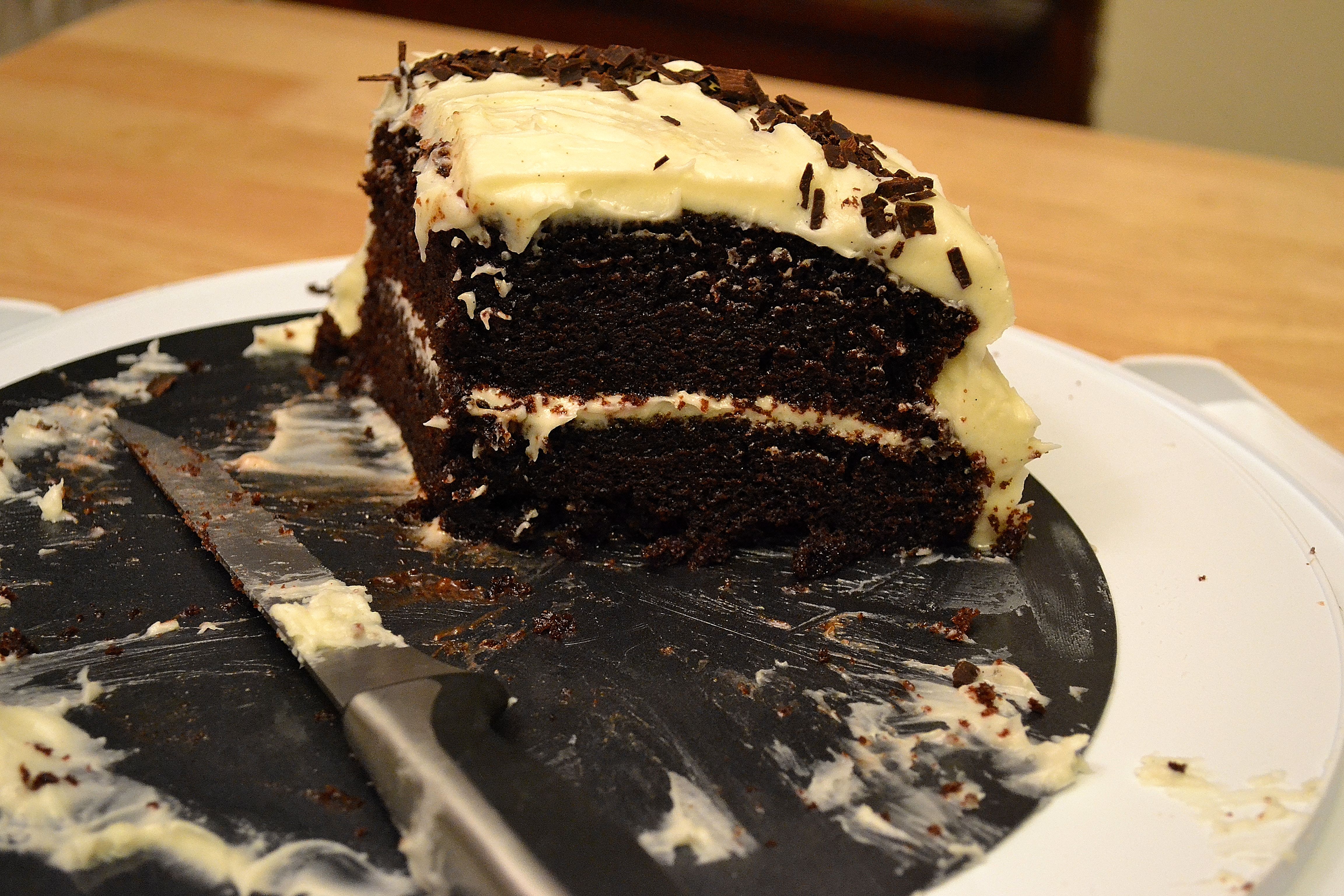
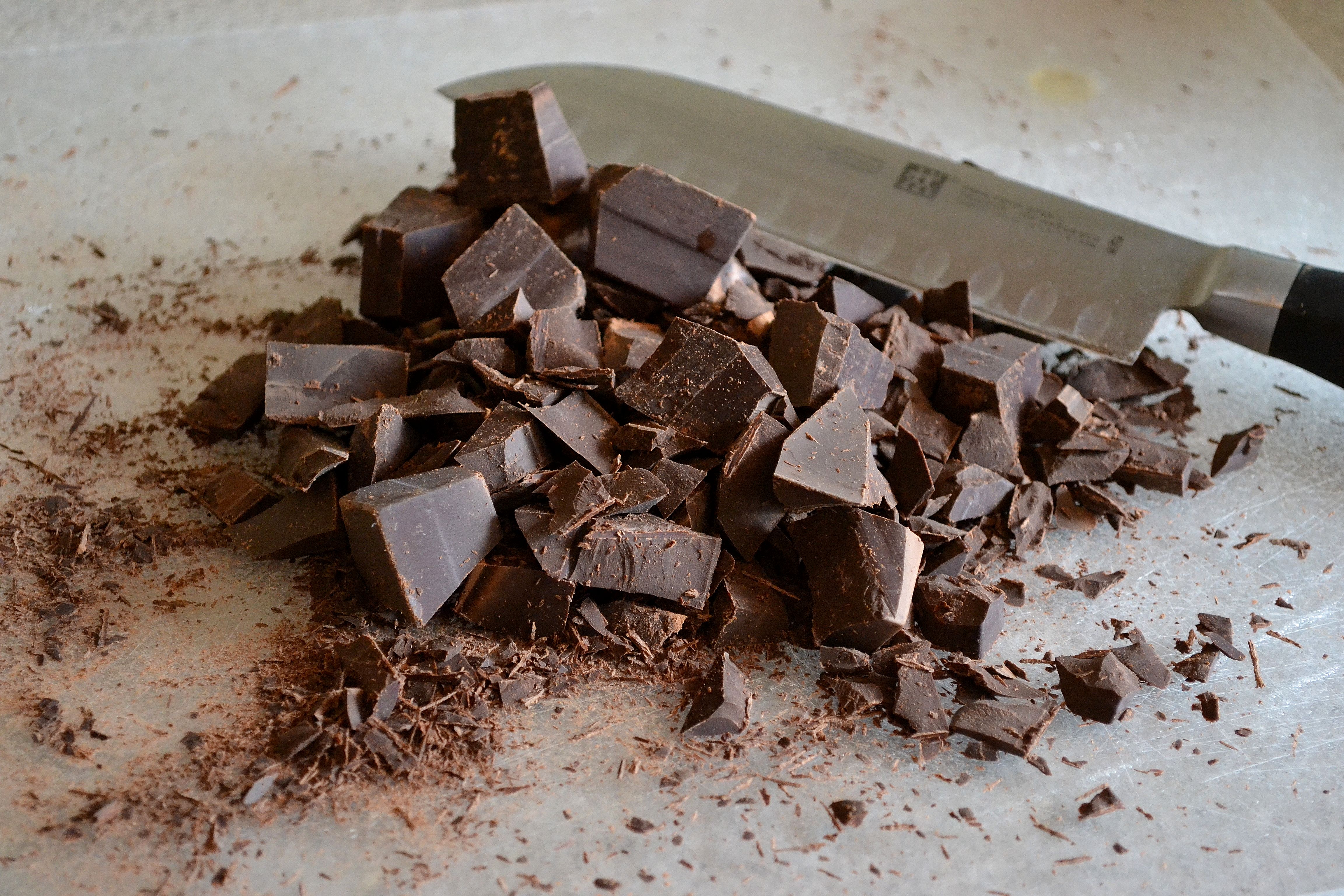
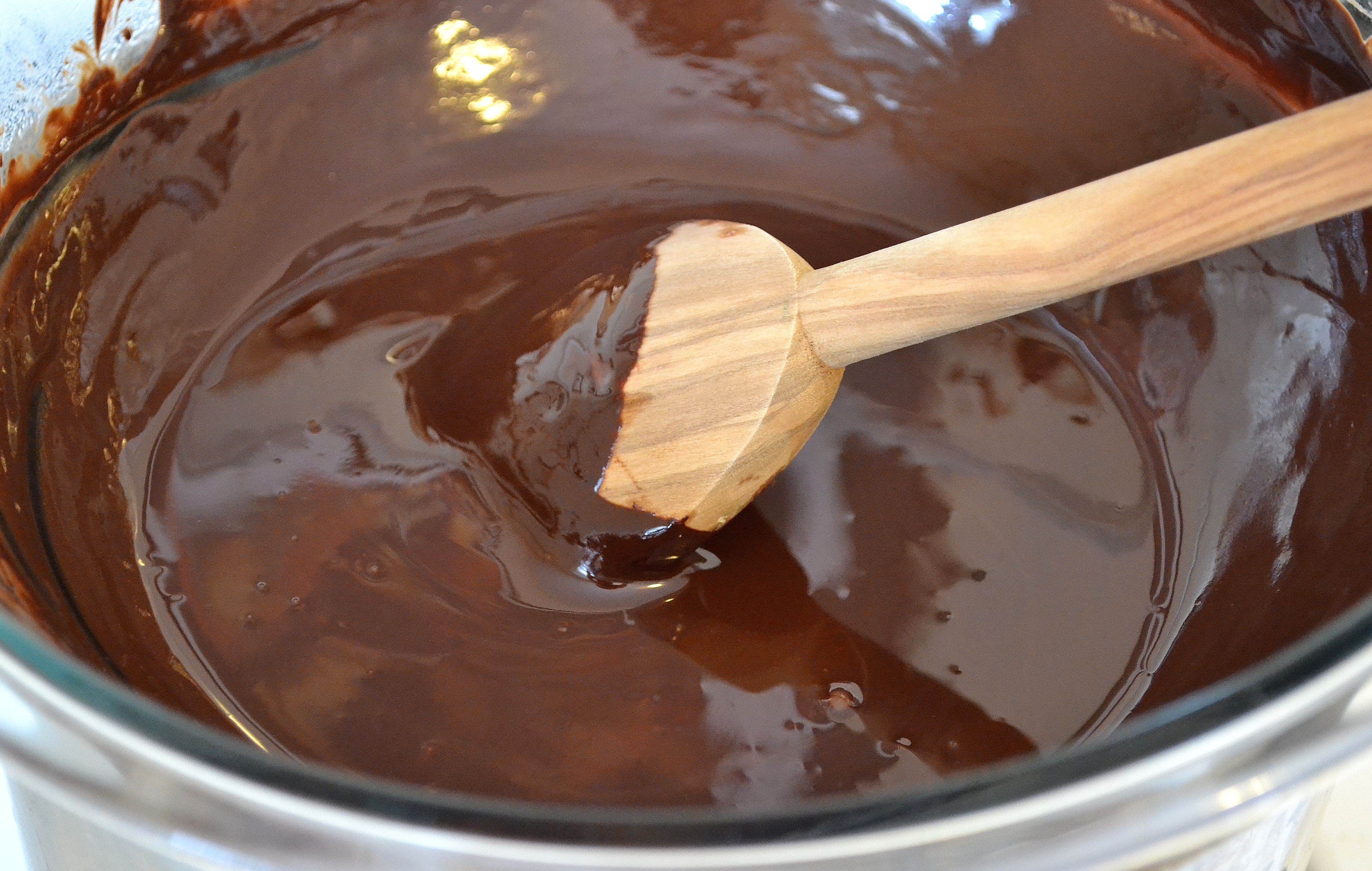
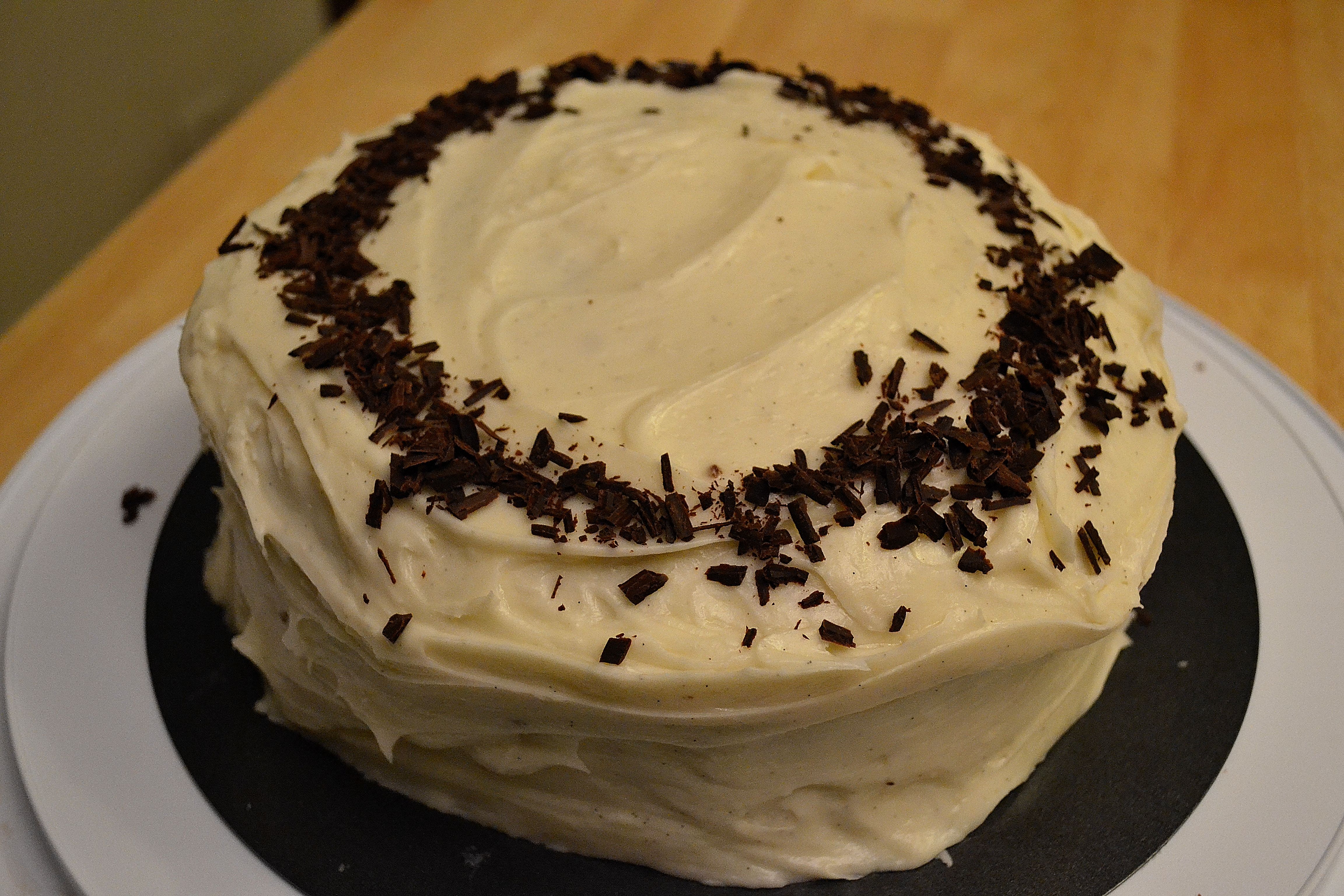
Rich, dark, and handsome – can a more perfect chocolate cake be described? šŸ˜‰ While I tend to go for the less-complicated types (assembly-wise), a chocolate layer cake is the definition of baked perfection. With a velvety texture and creamy frosting, this cake can definitely turn heads. Prior to this making this version, I thought I had found my “one and only” recipe for chocolate cake – this one proved otherwise. Equally rich and twice as dark, I had found a new treasure. My go-to will probably always be my first love, but this Sour Cream-Chocolate Cake with Vanilla Bean Cream Cheese Frosting has won a special place in my recipe chronicles.
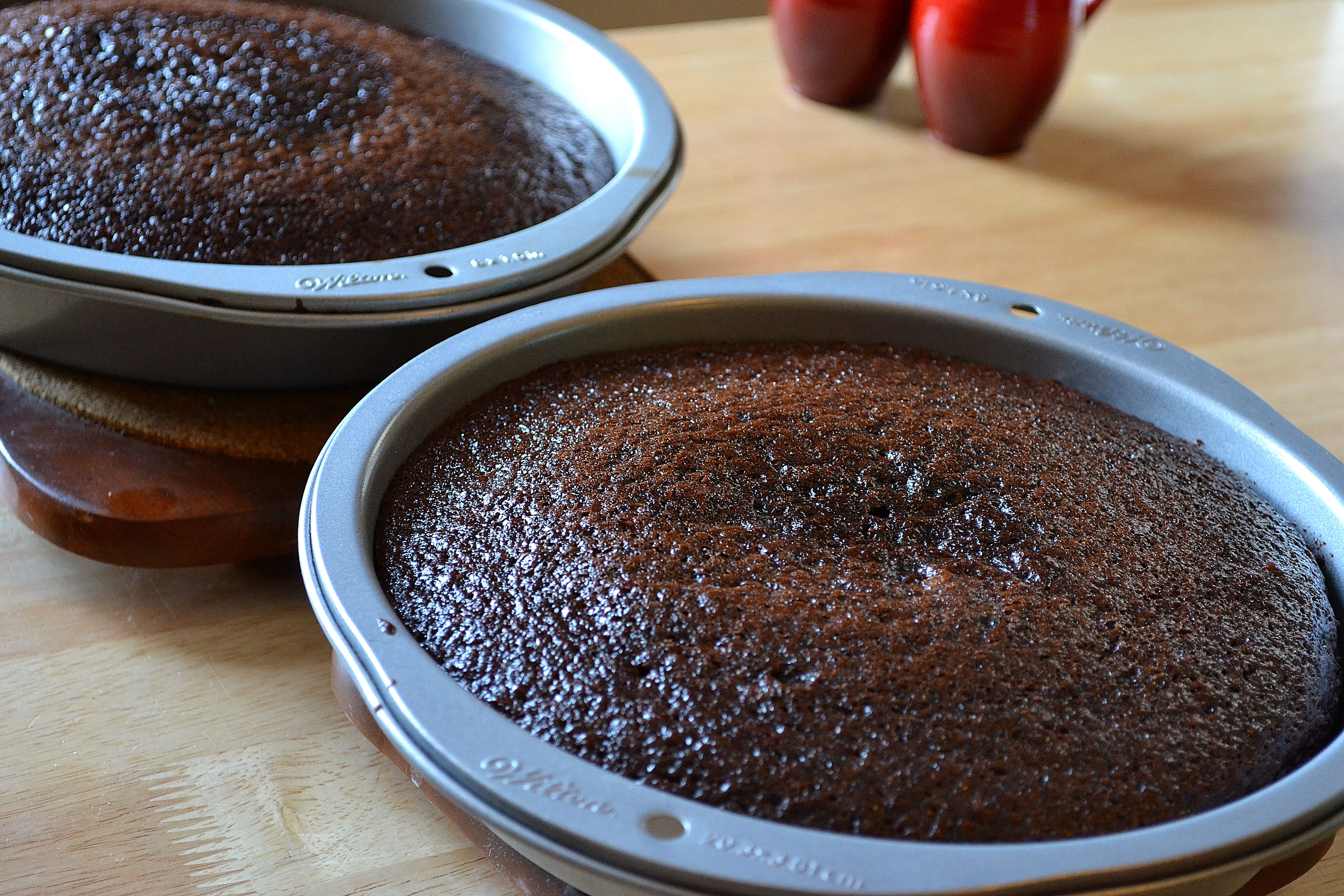
Now you’re probably dying to know my all-time favorite recipe, but that will have to wait for a later post (it’s too special for a simple shout-out). This is a RICH cake – the velvety texture comes from a cup of sour cream (making it necessary to finding a creative use for the rest of the 16 oz carton I had to buy – referred to in my previous post) and Dutch Process cocoa. Natural unsweetened cocoa powder was all I had used in baking for years, yet this recipe compelled me to do my research. Natural cocoa is untreated, ground cocoa powder – its bitter taste provides a depth of flavor that is ideal for brownies and cookies. Dutch Process, on the other hand, has a far more subtle taste as it has been treated with an alkali (often a potassium solution) to offset its acidity; this neutralization also imparts a darker hue on the powder, making it an ideal cocoa for darker cakes. Many people prefer the taste of Dutch Process, believing natural cocoa imparts a tangible acerbity on cakes. It is safe to substitute natural cocoa for Dutch Process, but not the other way around.*
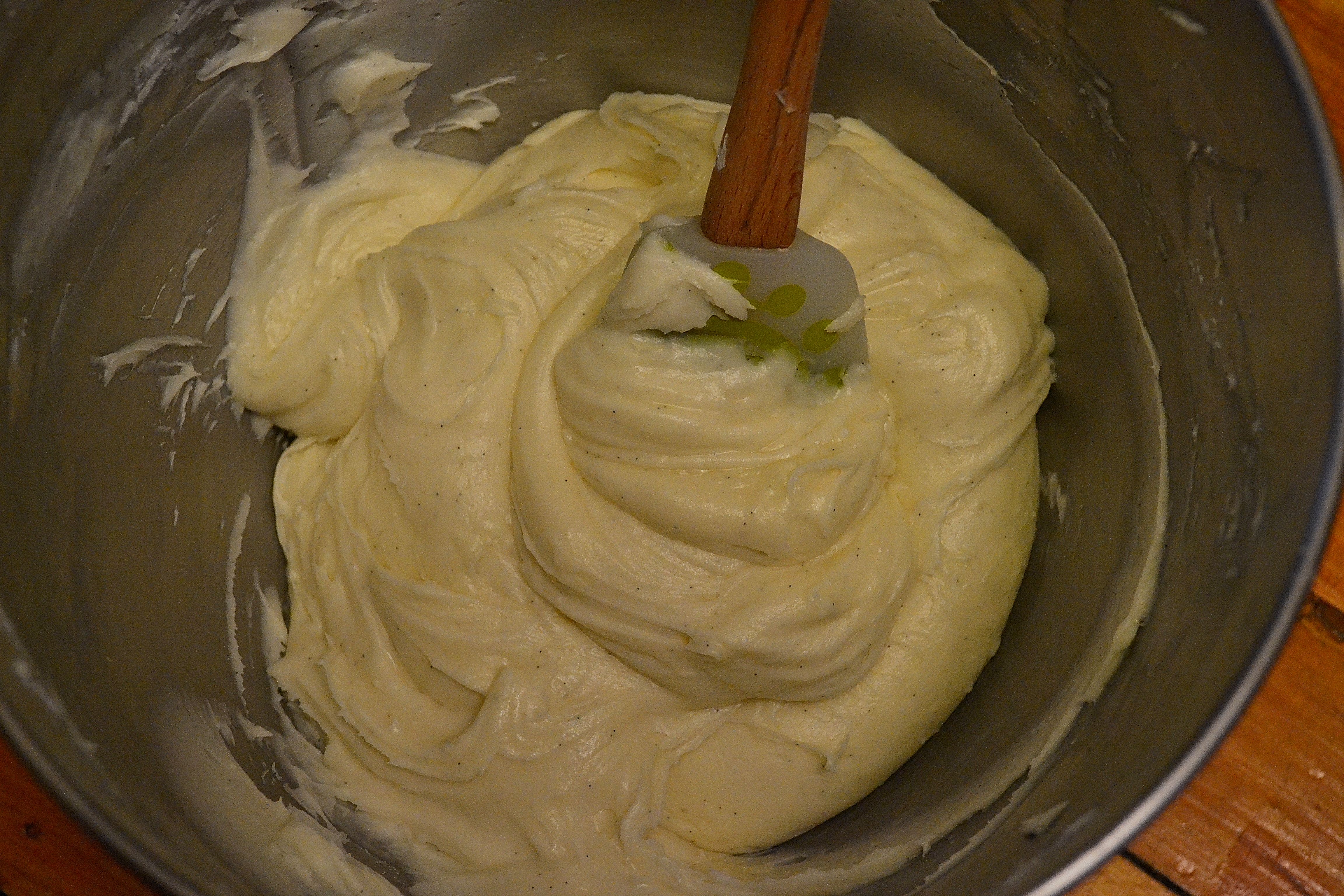
This recipe had been on my radar for some time now – the original calls for a Peanut Butter Cream Cheese Frosting with a Chocolate Ganache topping. While that looks fantastic, I was more interested in the cake itself. Additionally, while I baked all three layers, I only used two in the final assembly considering there would only be 8 guests total (the unused cake layer I topped with frosting and stored in the fridge for later). As you can tell from my post not long ago, vanilla bean has become a new obsession of mine. While I admire the convenience and affordability of extract, nothing beats the intensity and beautiful aesthetic of vanilla seeds. I adapted the cream cheese frosting from the original recipe to make this vanilla frosting. I added some lemon juice to counterbalance the sweetness of the cake. You can find out how to make this decadent dessert by clicking HERE.Ā 
For this work, I wanted to reflect on the contrasts of this cake – the rich quality of the chocolate paired with the subtle beauty of fresh vanilla bean. After several considerations, my friend Audrey Wright (violinist) recommended the Strauss Violin Sonata. I had never heard the work, but was immediately convinced after finding the (below) recording with Sarah Chang. Strauss was only 24 when he composed the piece! The sonata places formidable demands on the performers, both technically and musically, revealing a devotion to the grander textures of orchestral writing (as revealed in his tone poem from that same year – Don Juan).** The sweeping phrases infused with moments of lyrical clarity pair beautifully with this cake. Additionally, the passionate quality of this work finds credence in Strauss’s recent acquaintance with his future bride. What better way to complement the charm of this recipe? It was a pleasure to become acquainted with this piece, and I can only hope you will feel the same. Enjoy!

Sources Cited:
*”Cocoa Powder FAQ: Dutch-process & natural cocoa powder.” DavidLebovitz.com
**”Richard Strauss.” Wikipedia.com
A Taste for Small Gatherings

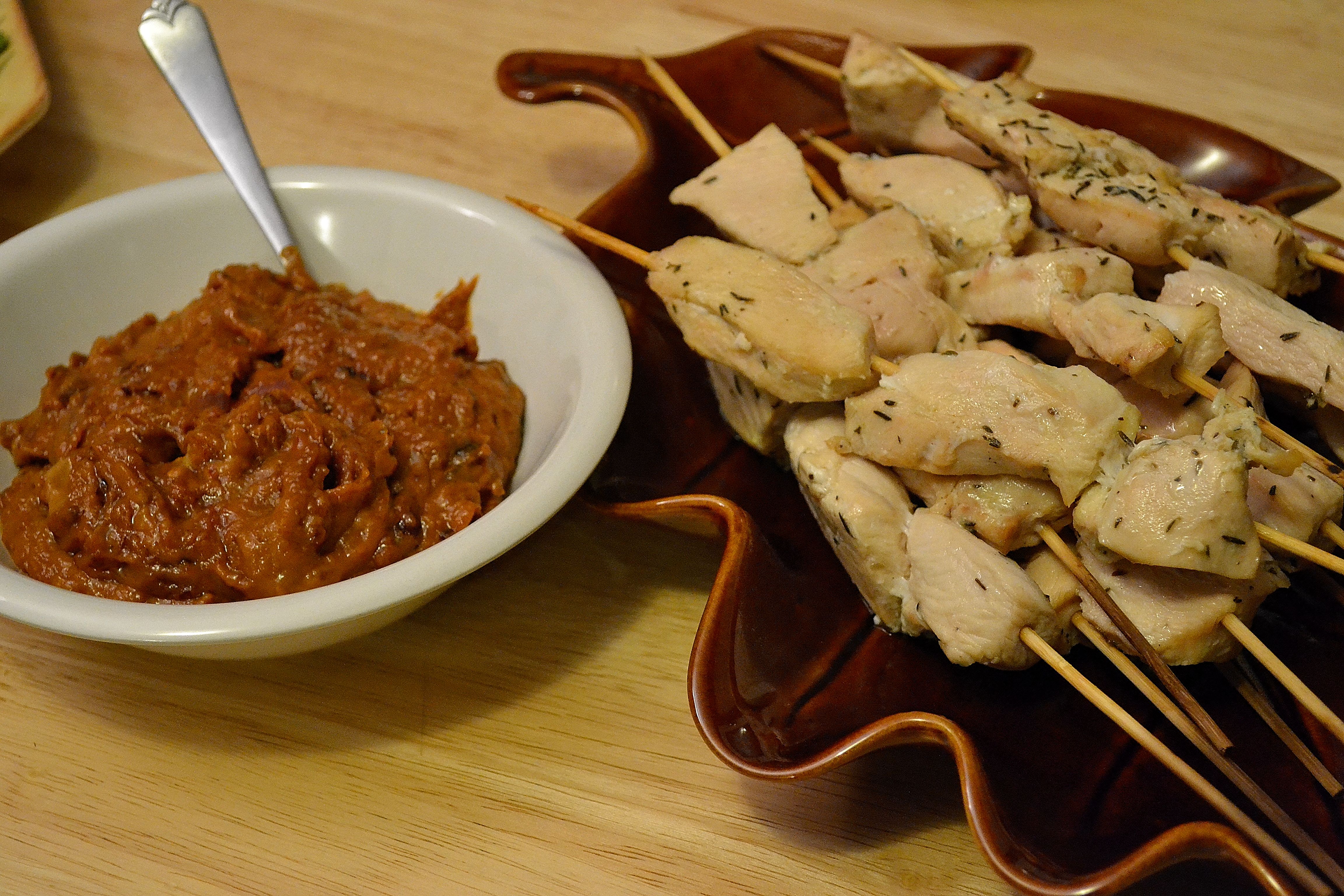
If there is one true weakness of mine, it is hosting: dinner events, cocktail parties, game nights, the list goes on. There is something inherently gratifying in welcoming others to your place with delicious food and good drink. While these may sound like the musings of a 1930’s housewife, I can guarantee that my hosting addiction has both economic and personal benefits. For those familiar with Boston’s social scene, it is well known that affordable options tend to be an anomaly. Why spend $10 for one hamburger when I could spend that same amount to buy the ground beef it takes to make 6 or 7?? As for the personal benefits, just think of how much more you can hear, see, and experience your friends when you are NOT having to deal with extraneous ambiance (loud music, weak lighting, unruly children, etc). Top that with the hassles of splitting a three-digit bill seven ways, and your night of fun has turned into a night of panic. This isn’t to suggest that I never leave my apartment – Boston certainly has its pick of choice restaurants and bars. Yet for the aspiring cook, at-home functions are the most valuable resource. This past weekend, I had several friends over for a night of Apples to Apples (a game that never gets old). I prepared several of my “famous” hors’doevres for the occasion, with a few new experiments as well. I’ve only included two in this post, but given my weakness I expect hors’doevres to be a recurrent theme – Lemon Chicken Skewers with Satay Dip and Creamy Sage Dip with CruditĆ©s.
As aforementioned, the Barefoot Contessa is a huge inspiration to me, with practically all of her recipes producing flawless results. I had made this recipe of hers several times before, and it is always the first dish to go. The original recipe calls for grilling the chicken, but as is the case with city apartments, I am limited to the conventions of indoor cooking. Broiling is an effective substitute – just be sure to soak the wooden skewers for at least 30 minutes (unless you have metal) and to have a window cracked to let out the smoke that will (most likely) result from the broiling. Don’t be afraid about the whole “lemon juice cooks chicken” myth – according to the USDA*, chicken can safely be marinated for up to two days in the refrigerator. The lemon’s acidity breaks up the poultry tissue, creating a more tender meat – but too much time can create a tougher meat. So, I wouldn’t suggest marinating this chicken for more than 4 hours.
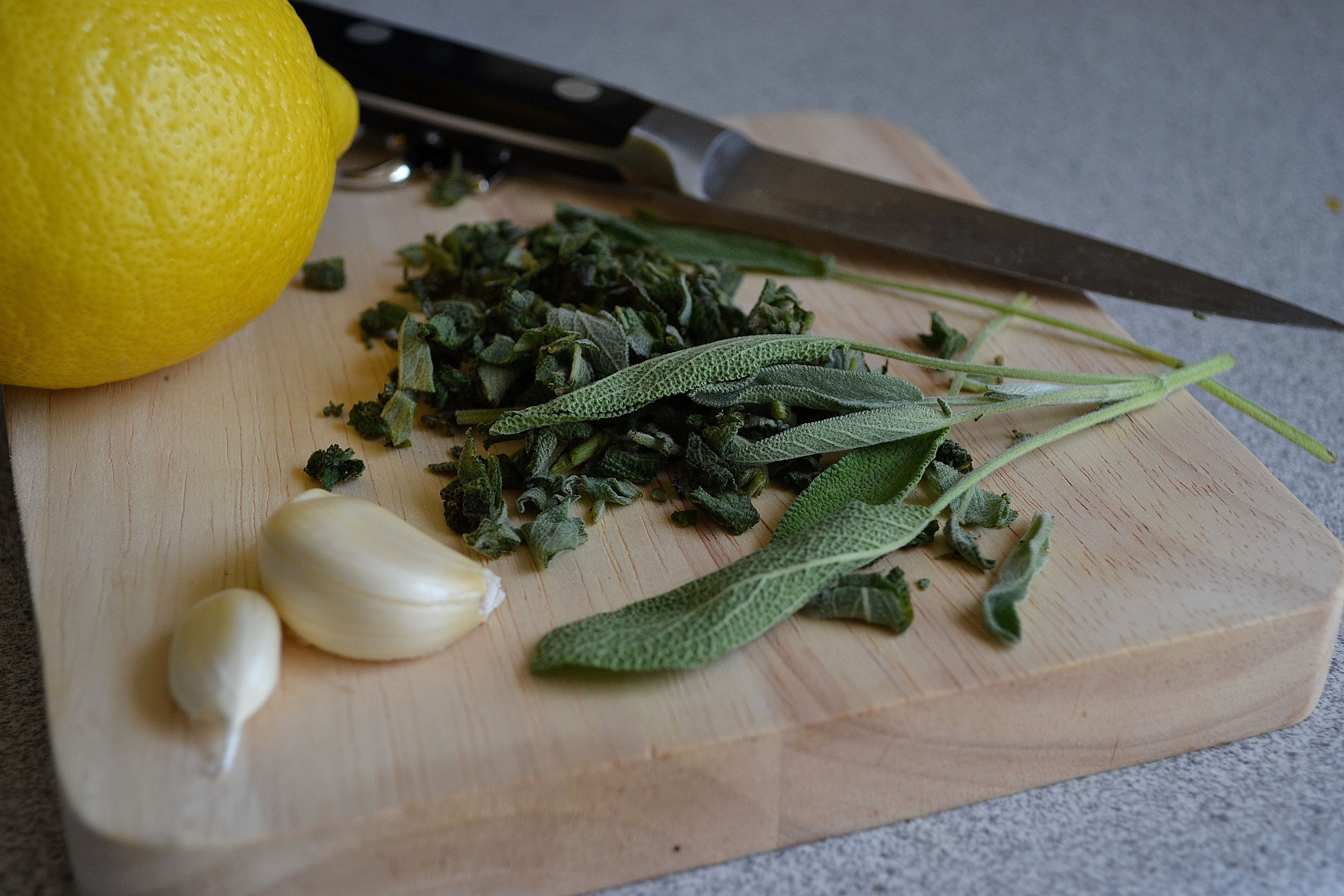
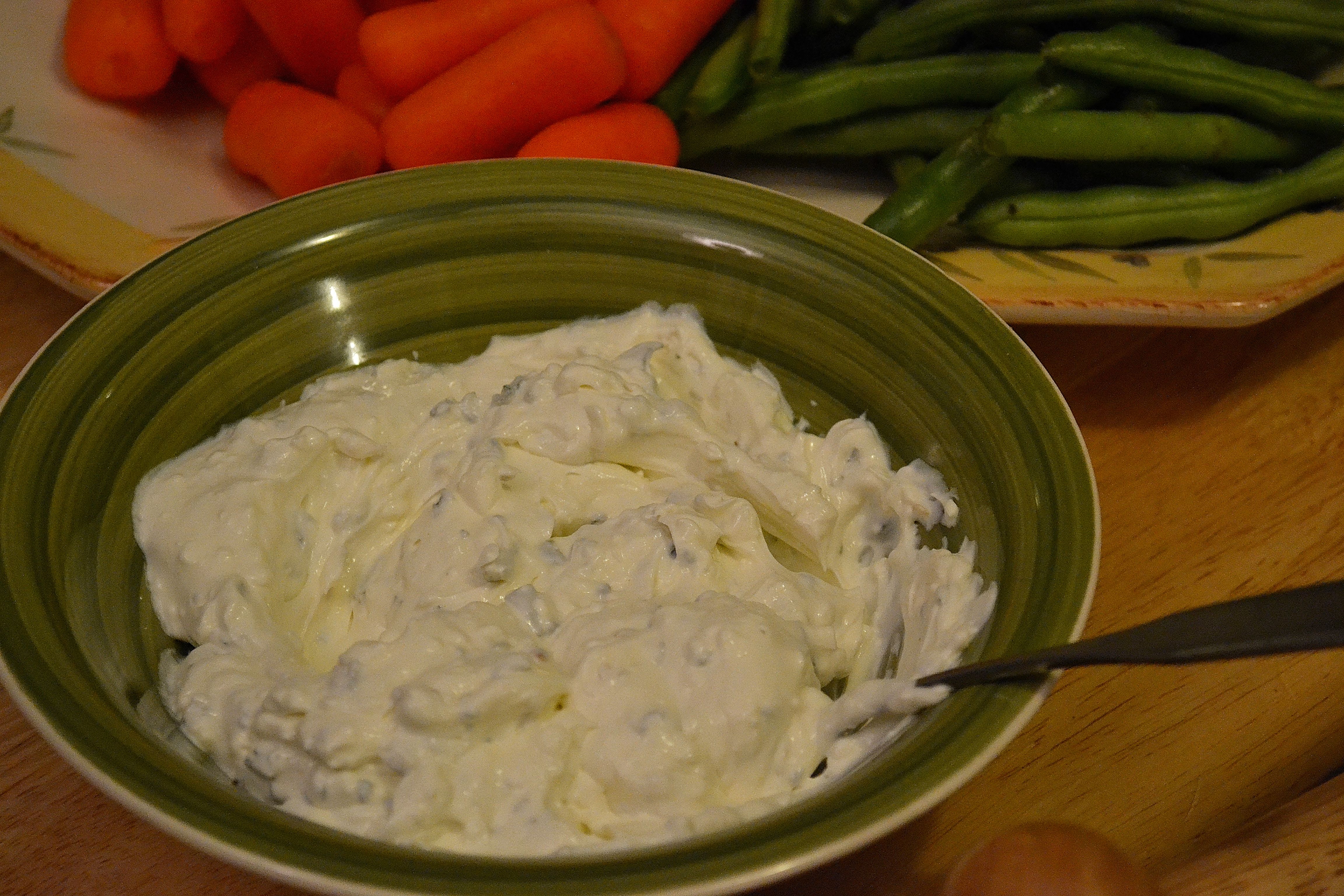
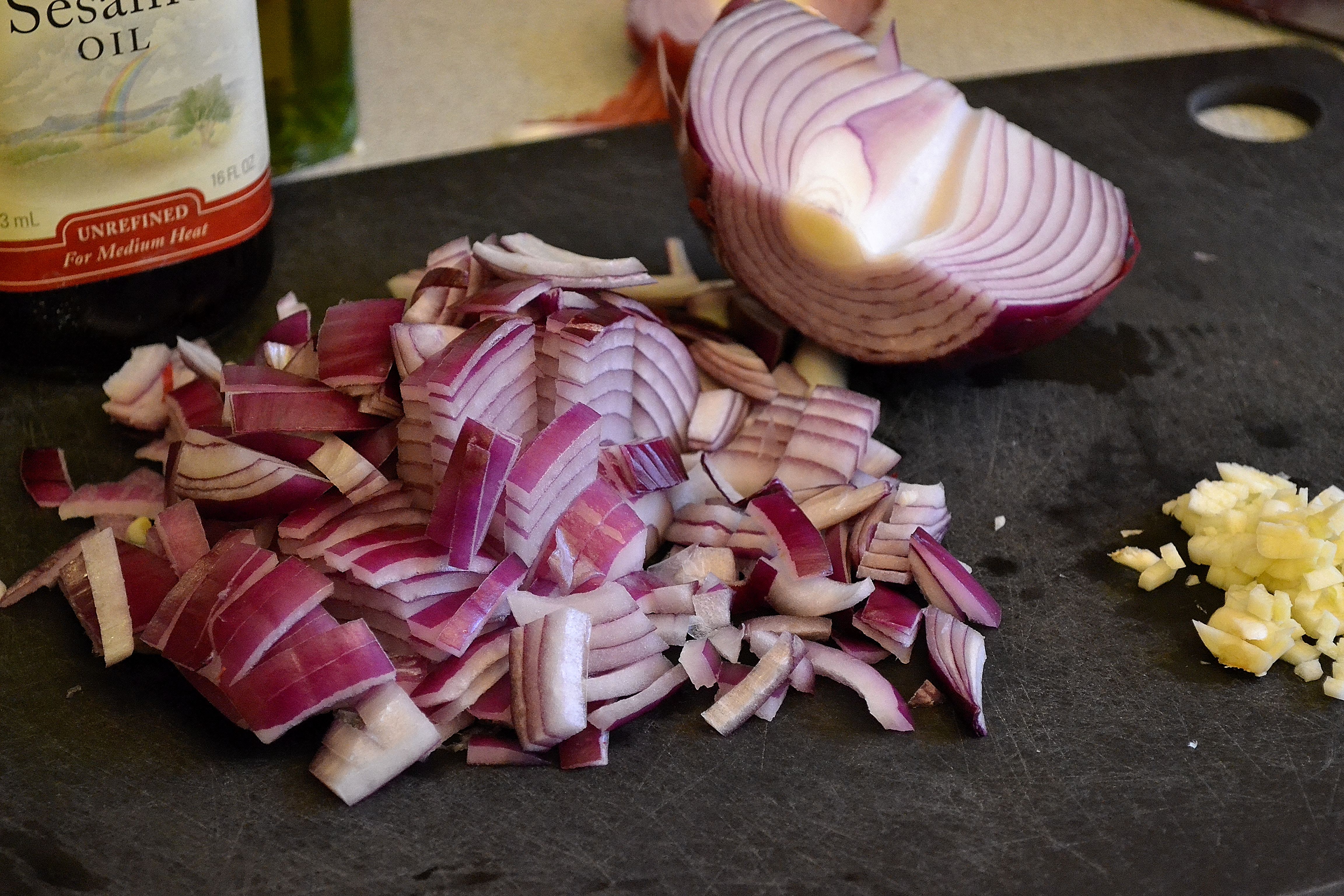
The dip, though, is what makes this dish – while its texture may not be as smooth as your standard satays, its flavor is fantastic! I still have the dark sesame oil in my pantry from when I first made this recipe (clearly not a staple in my cooking repertoire). I often omit the sherry from this recipe and substitute more liquid either through water or part oil/part lime juice; so far as I can tell, it’s never been missed. I also use an immersion blender to get a smoother consistency – this is a personal preference of mine. You can find this recipe HERE.This second recipe was one of those “what’s in the fridge?” creations. I had just baked a chocolate cake (coming soon!) that used 1 cup of sour cream, and I wanted to find a dip that could use the rest of the 16 oz. container I was forced to buy. I also still had some fresh sage leaves leftover from the Pan-Roasted Chicken with Olives and Lemon dish that I didn’t want to see go to waste. These ingredients led me to a recipe by Rachel Ray who, even though I can’t stand watching her show on Food Network, manages to provide creative ways for using leftovers. I wasn’t floored by her recipe, but it was definitely a good starting point.Ā I also had 4 ounces of cream cheese left over from the gorgeous cream cheese icing that I paired with that chocolate cake (okay, now I’m just being cruel). All in all, I had the makings for a dip with a twist. While I wouldn’t say this was one of my all-time favorites, this dip provided a subtle, fresh flavor that paired beautifully with the cruditĆ©s. Daily dose of trivia: cruditĆ© is a French term derived from the Latin crudus, meaning “raw.”** You can choose any number of cruditĆ©s to pair with this dip; I highly suggest green beans, but bell peppers, broccoli florets, or even asparagus spears would be perfect. Check out this leftover creation of mine by clicking HERE. Many affiliate classical music with respectable concert venues, such as Boston’s Symphony Hall or Vienna’s Musikverein. Yet 19th century Europe saw the rise of a far more exclusive setting for classical performance – the “salon.”Ā  While these were by no means a “new” setting, the 19th century saw an increase in households that were capable of supporting such affairs. These salons were gatherings hosted at private residencies for friends and family, and artists were invited as a way to infuse an air of prominence*** (the artists in my “salons” just so happen to be close friends, a fact with which I am blessed). Many prominent composers found support through these musical soirees, including the brilliant Johannes Brahms. A leading composer of the Romantic genre, the music of Brahms is expansive in both technique and spirit. I’ve always been a sucker for minor works, so I have included his Rhapsody in B minor Op.79 No.1 with none other than the illustrious Glenn Gould performing. The passion and precision of this performance is impeccable, a noteworthy pairing for one who loves the intimacy of small gatherings. Enjoy!

*”Chicken from Farm to Table” USDA.gov.
**”CruditĆ©s.” Wikipedia.com
***Funk, John. “Early Romantics and the Salons of 19th Century Europe.” Academy of Music Sciences International

A Portrait of the Modern Heroine

Roomie night: a quintessential occasion that has no equal. In September 2010, I moved out into this fantastic apartment with a near and dear friend, Jennifer Berg. Since then, we’ve made this our home, and have come to value these nights dearly. The formula for a successful roomie night is simple: good food, lots of laughter, and of course a great chick flick.Ā  From Jane Austen’s Emma to Sex and the City’s Carrie Bradshaw, we’ve become enamored with these heroines of self-worth and love (regardless of how cheesy they get). I thought it would be worthwhile to share a “taste” of a roomie night on this blog by sharing one of our dinners: Baked Tilapia with Mango-Black Bean Salsa
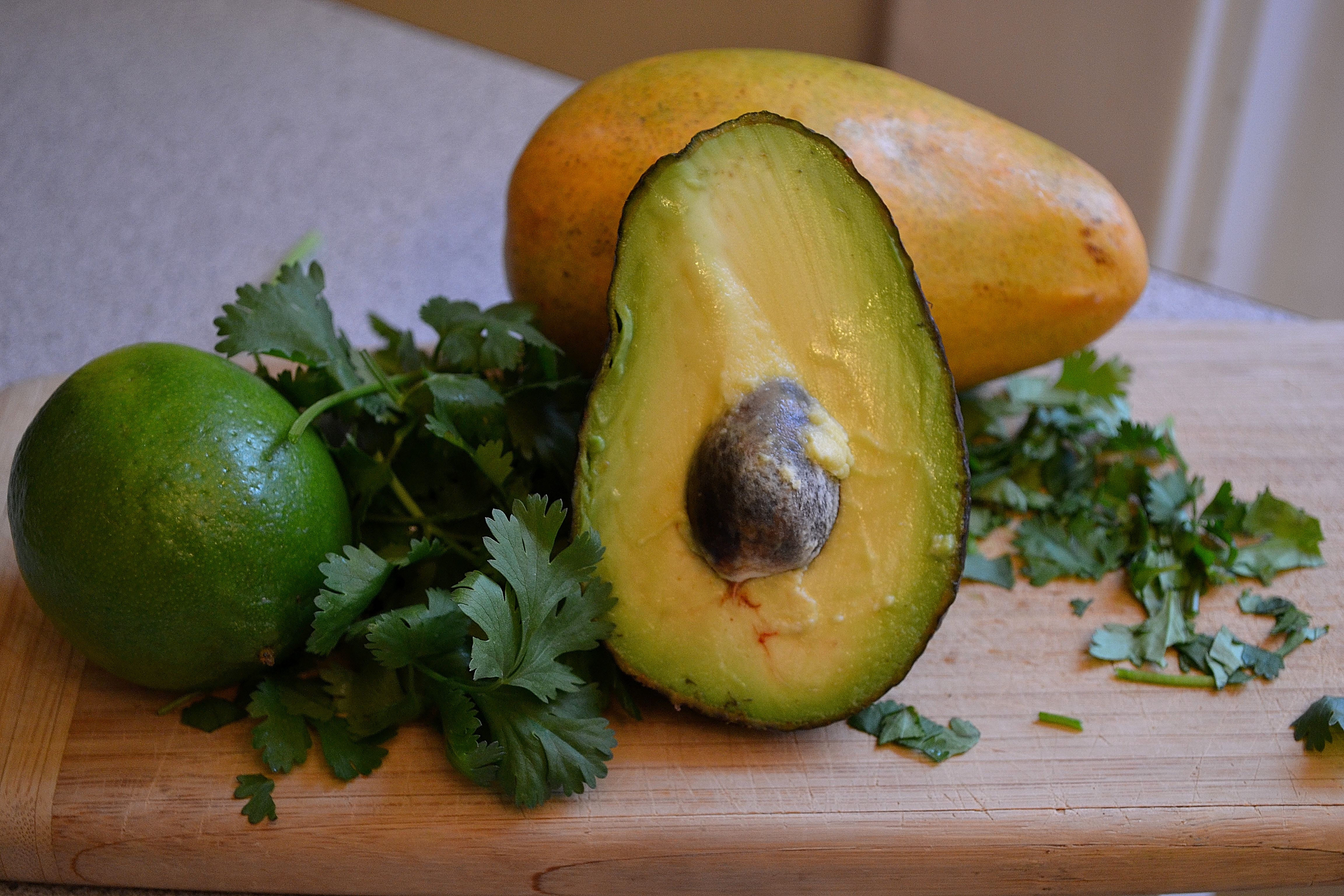
This was actually a very simple dish to make. I had poured over a number of salsa variations earlier in the day, and was unable to decide on one or the other. As such, I chose a hybrid of several recipes (a dashĀ Martha Stewart with a taste of Southern Living). The thought of a fresh, light salsa seemed ideal for this roomie night, and what better pairing with such a colorful relish than tilapia? A light chardonnay with a side salad made for the perfect meal. Granted, our “chick flick” of choice features two ladies whose diet consists of pizza and pop tarts (and yet they STILL look great!) But I imagine the Gilmore Girls would appreciate these roomie nights, even if the food goes above their own culinary efforts. I intentionally made more salsa than needed so we could enjoy it with chips as well. Trust me – this salsa is FANTASTIC, and you’ll be wishing you made more after you’ve finished your fish. Click HERE to check out this recipe.
Now here was a tricky pairing – the “heroine” idea was a natural choice, but one glance at the classical music heroines reveals that “happily ever afters” are rare occurrences: Isolde from Wagner’s Tristan und Isolde, MimƬ from Puccini’s La bohĆØme, etc. Not quite the “roomie night” ideal, but c’est la vie. According to Dictionary.com, a heroine is “a woman of distinguished courage or ability, admired for her brave deeds…” In that sense, there is no doubt that opera is the strongest context. A “subtle” allusion to my recipe helped narrow down my choice to Georges Bizet’s Carmen – “a superstar among operatic heroines, her name forever spotlit in the general imagination.ā€* In this opera, Bizet paints the portrait of an alluring heroine whose unfettered love and fiery spirit have made her name a legend beyond the stage. I chose the most famous of the work’s arias, the Habanera, sometimes referred to as ā€œL’amour est un oiseau rebelleā€ (“Love is a rebellious bird”)**. The following recording is of Maria Callas, arguably one of the most celebrated sopranos of our time. Enjoy!

Sources Cited:
* Alvarez, Maria. “Fatal attraction.” The Guardian
** “Habanera (aria).” Wikipedia.com

A Sweet Reflection on Simpler Days

Cookies, regardless of flavor or shape, are always reminiscent of simpler days; days when you would wait by the kitchen, counting down the seconds until a tray of golden baked treats would be taken out of the oven. While this memory has numerous variations, no one can deny the nostalgic tug we get from cookies. A baker’s best friend, cookies are fairly simple to make: the majority are one-bowl recipes needing little more than flour, butter, sugar, and eggs. They are quick to assemble, and will bake in less than 15 minutes. Once cooled, cookies can easily be stacked in tupperware and, at 24 a batch, a number of these bite-sized treats can be made in less than an hour! In fact, the convenience of cookies came to my rescue this past weekend – I needed something to bring to my dear friend Brian McCarthy’s piano recital (which, as a side note, was fantastic!!!). With the little time but plenty of flour, I knew cookies had to be it, and so I chose the following: Oatmeal Cinnamon-Raisin Cookies and Dark & Fudgy White Chocolate Chip Cookies.
There are two viable conclusions for the above ingredients – some would say “breakfast,ā€ while Cookie Monster would yell ā€œCookies!!!ā€ Talk about a trip down memory lane. Yet while many consider these an American classic, they can actually be traced back several centuries to British Isles. Oats, as a prominent grain of the region, were often formed into oatcakes: a pancake-like dish that is today still considered to be a specialty in Scotland. European Explorers brought the cereal grain and their recipes to Colonial America by in the 17th century. Rolled oats as we know them today were introduced towards the end of the 19th century with the establishment of the much-beloved Quaker Oats Company.*Ā 
This particular recipe is from a cookbook gifted to me by my sister’s boyfriend, Grant. Here’s why I approve of this guy: he bought me this book as a Christmas gift before he knew that I had a cooking blog! Major brownie points there (no pun intended).Ā  The book is Cookies! Good Housekeeping Favorite Recipes, and has all the classics, from chocolate chip to gingerbread men. I added walnuts and a little cinnamon to the mix, but those were the only changes.Ā Click HERE to view this classic recipe.
These next cookies are deceptive in appearance. To the common observer, they appear to be dark chocolate cookies with white chocolate chips; an “inside out” chocolate chip cookie, if you will.Ā  But a bite of the rich treats will reveal their true identity: brownies!
For the purists who believe a bar-shaped brownie is the only acceptable way to enjoy this classic, I dare you to try these – they are fantastic! The white chocolate chips are optional, and can be replaced by any other add-in: pecans, M&Ms, etc. I found these on one of my favorite step-by-step food blogs: The Hungry Mouse (fabulous photos!) I made no changes, and they turn out perfect every time (melted chocolate + cookie batter rarely fails to please). You can find this mouthwatering recipe HERE.
Sticking to the theme of nostalgia, I wanted to choose a piece that had been near and dear to my own childhood. Knowing that very few kids are exposed to the piece I’m dying to showcase on this blog (Stravinsky’s Rite of Spring – coming soon!), I had to be realistic and reflect on my own musical memories. As always, Disney came to my rescue – their 1946 production of Peter and the Wolf was undoubtedly a classical moment inherent to my childhood. The orchestral music is originally by Sergei Prokofiev: ā€œone of those pure-hearted artists who…had a vivid, uncanny remembrance of childhood.ā€** Optimism and integrity are prominent qualities in Prokofiev’s writing (and yes flutists – the Prokofiev Sonata in D Major will be showcased here eventually). In the meantime, I’ve included two YouTube links. The first, in my opinion, is the better recording of the two: it’s a more theatrical production performed by the Chamber Orchestra of Europe and Claudio Abbado (amazing combination), with none other than Sting as the narrator (though the Patrick Stewart rendition is priceless:Ā trekkie-in-trainingĀ with TNG). The second video I had to include: it’s the original 1946 Disney production with the amazing Sterling Holloway as narrator (voice of Winnie the Pooh).Ā Enjoy!

1) http://www.youtube.com/watch?v=jzjIlni8_qg
2) http://www.youtube.com/watch?v=ILI3s7Wonvg&feature=related

Sources Cited:
* Olver, Lynne. “Cookies, Crackers, & Biscuits.” TheFoodTimeline.com
**Nestyev, Israel V. Prokofiev. Stanford University Press, 1961.

Curry and Spice in a Western Guise

It seems that winter has yet to go out of style in Boston, and so the wooly scarves and snow boots must remain by the front door. Nonetheless, this provides perfect incentive for sticking with hearty meals that can warm a “wintered-out” soul; dishes that I have begun to perfect with my newest love: my Le Creuset 5-1/2 Quart Round Dutch Oven.
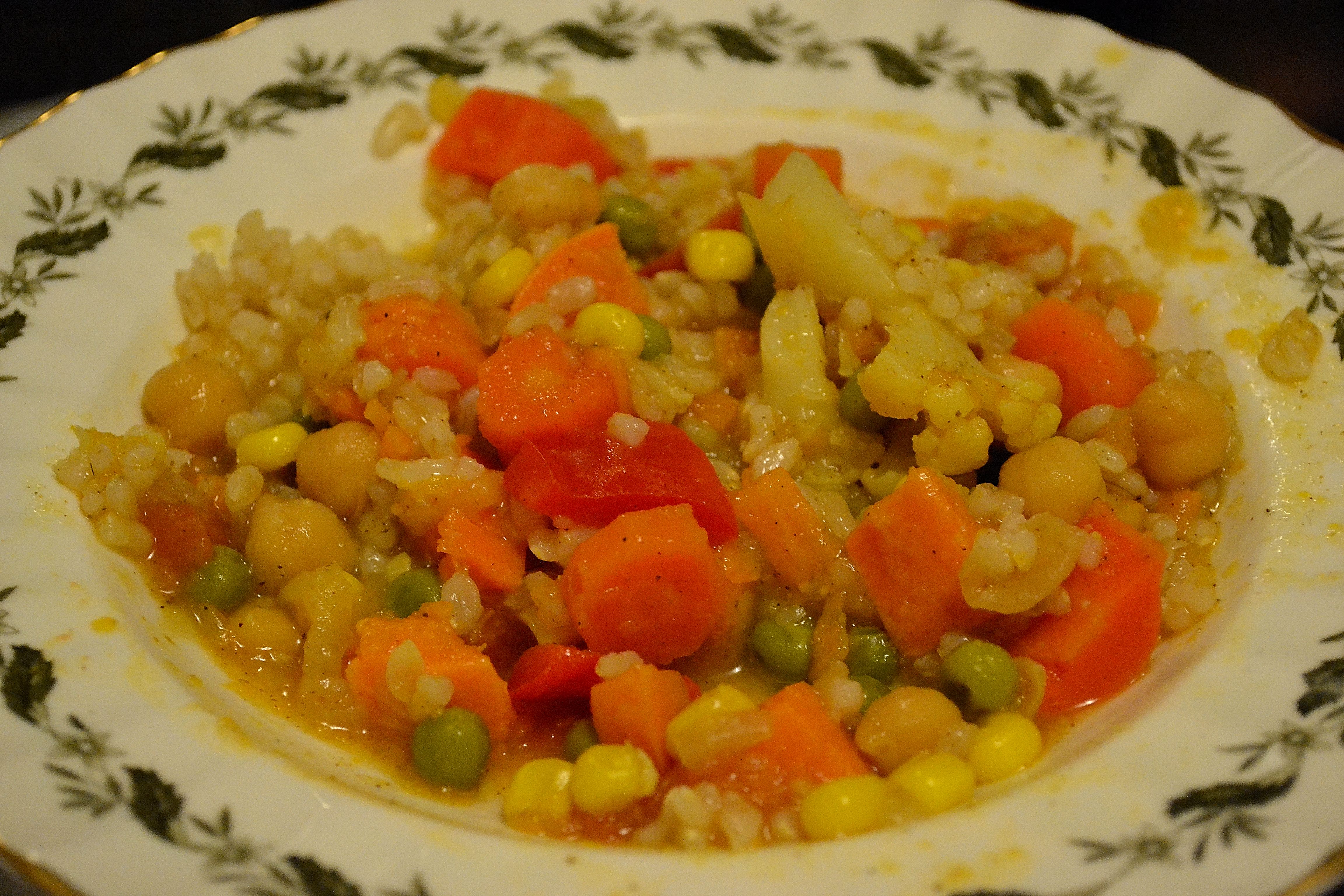
I had always joked with friends that the man who bought me a Le Creuset would be the man I marry. Yet prince charming was taking his sweet time, so I bit the bullet and bought my own – probably one of the best decisions I have ever made. This is THE pan for those who love to cook: it is extremely durable, and has a lifelong guarantee. Added bonus – the shape and size of my Le Creuset is the exact same as Julia Child’s favorite! If that’s not fate, then I don’t know what is. While this pan is great for cooking a variety of dishes, it makes fantastic stews! So, I thought I would share one of my favorite vegan-friendly recipes – Vegetable Curry Stew with Chickpeas.
While curry is the central flavor, this is not a traditional “Indian” stew…which leads to a broader discussion on curry: widely assumed to be inherent to South Asian cuisine, curry is in fact a Western creation that has no designation in Indian cooking whatsoever. The Raj (the British colonial rule of South Asia between 1858 and 1947) saw Western adaptations for a number of Indian dishes, with curry powder being a primary result. Many believe curry is a poor derivation of Kari – a Tamil term meaning “sauce”. Indian “curries” are any variety of vegetable/meat dishes cooked with spices and (maybe) a type of sauce or gravy. British curries, on the other hand, are typically made with curry powder. Most store-bought varieties contain cumin, turmeric, and coriander, though there is no one ingredient required to call a spice mixture a “curry.” *
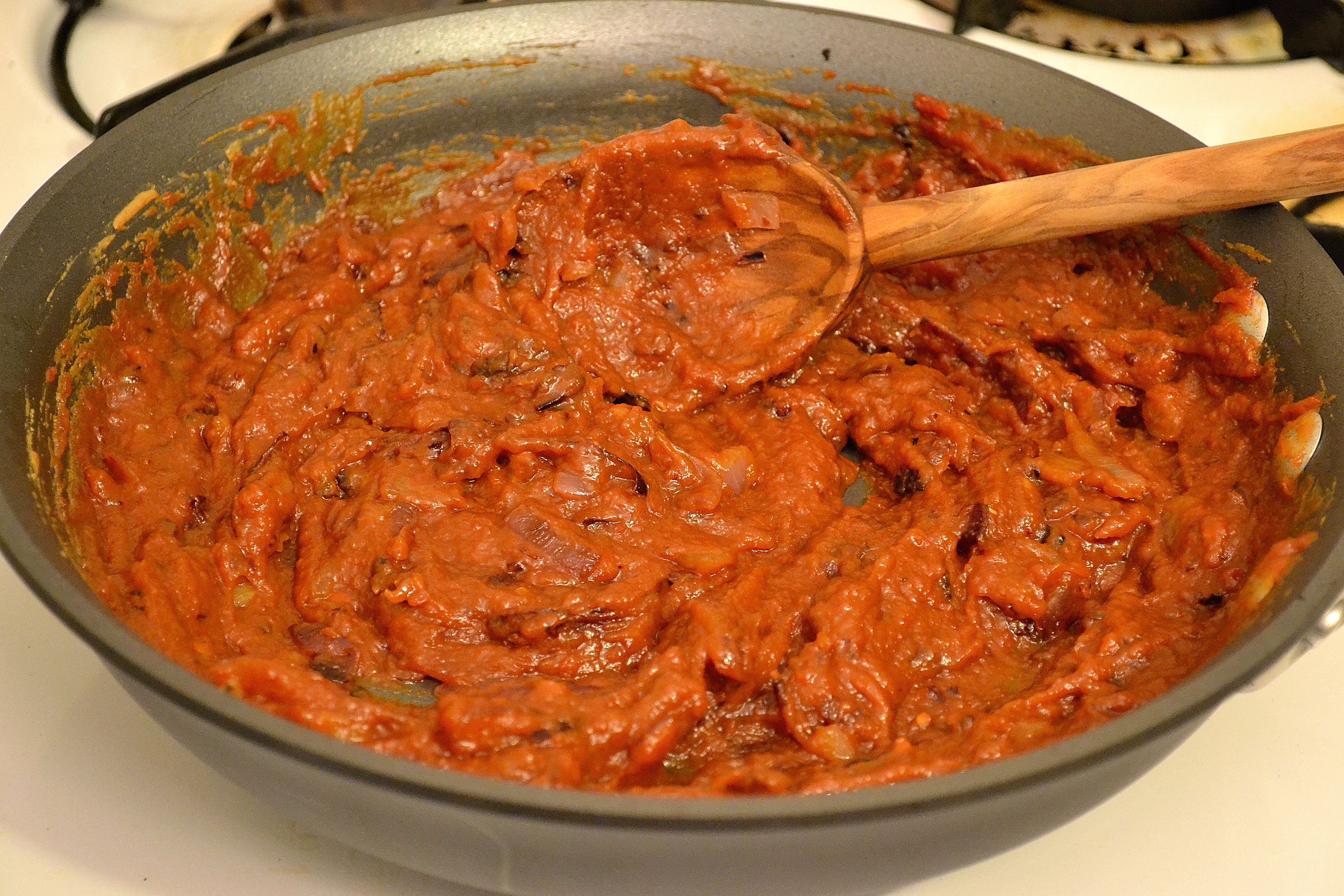
My stepmom and I created this recipe while I was still a vegetarian (a worthwhile effort, but I inevitably returned to the “dark side”). We wanted a stew that was chockfull of vegetables and packed with flavor. After ransacking the fridge and scouring the pantry, we developed a hearty, vegan stew that even meat-lovers can enjoy! We modified a more basic vegetable curry from Annie Somerville’s Field of Greens cookbook – a fantastic resource for great vegetarian dishes. The directions accommodate the different timings for each vegetable variety (no one likes a soggy stew!) Dried chickpeas can be used in place of canned, but they would need to be soaked overnight, and cooked for a longer period of time than the canned variety. You can see find the recipe for this stew HERE. My friend Tim made a GREAT Saag Paneer (Spinach with Cheese), which you can find the recipe for HERE.
Initially I had thought to pair this dish with Rimsky-Korsakov’s Scheherazade, yet realized I shouldĀ acknowledge the Anglicized context of curry. As such, I chose to pair this piece with British composer Benjamin Britten, and his work Serenade for Tenor, Horn and Strings. Not only is this an iconic work of Britten, but also so happens to have been composed during the British Raj (it was composed in 1943).* I first heard this piece performed by a dear and talented friend at the New England Conservatory, and was instantly smitten. I hope you enjoy it as well! Note about the recording: the horn player (Danilo Stagni)Ā is playing a natural french horn on the opening prologue, and his intonation is a HUGE achievement for that instrument! This particular set of recordings is broken up into three parts on YouTube, but the piece is actually divided into 8 separate movements. I’ve included a link to Part 1 below, but I highly recommend listening to the entire work. It’s a fantastic piece, and this a solid recording! (The Dirge is my favorite movement – see 6:11 of Part 2).

http://www.youtube.com/watch?v=sibbmSroXHc

*according to Wikipedia

Rain, Risotto, and a Romantic

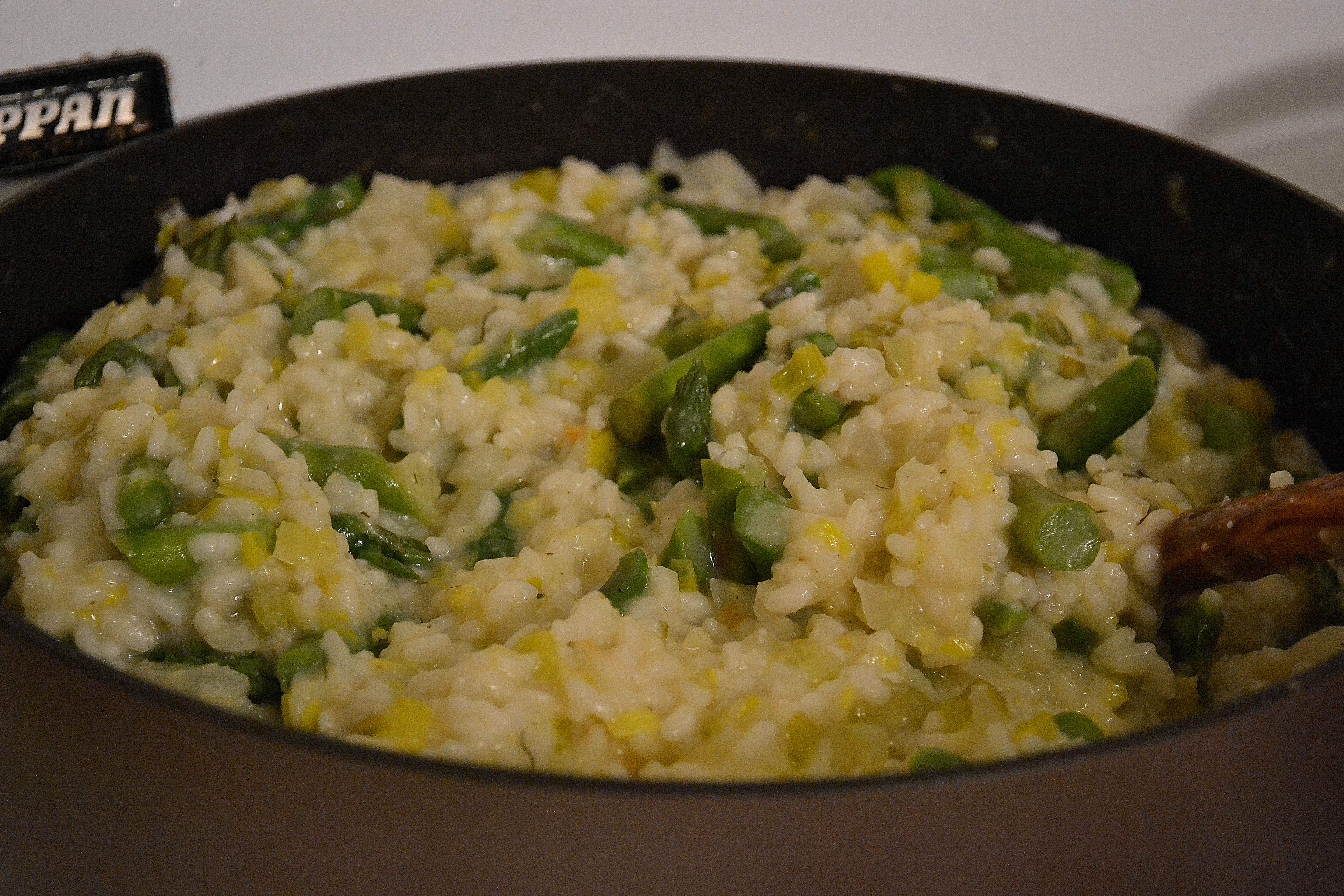
This menu was inspired by a season that we New Englanders have become accustomed to NOT seeing: Spring. It is said that March in Boston can be as unpredictable as the stock market, and 2011 was no exception. The day I made this lovely meal (April 1st) just so happened to be a day of freezing sleet and snow – April Fool’s? Unfortunately not…nonetheless, I wasn’t about to let the slushy sidewalks chill my springtime spirit. Such is life in New England, and the reason (I believe) that warm, hearty dishes are an essential asset to surviving the final days of winter’s tyranny. So I turned to one of my greatest cooking inspirations, the Barefoot Contessa (though I wouldn’t be caught dead barefoot in this weather…). As always, she had the perfect dish: Spring Green Risotto – even saying that title made the sky seem less bleak. Unless going for a meatless main, I suggest pairing this with roasted salmon – trust me, you won’t regret it.
While the bulk of food history is “bland” (no pun intended), Risotto does provide a colorful story. Wars of expansion by North African states in the 9th century placed parts of southern Italy under Arab control. Though short-lived, Islamic rule in southern Italy left a strong impression on regional agriculture. Evidence of this can be found through two notable introductions: Asiatic rice and saffron (according to Wikipedia).
(Even though this next part is urban legend, it makes this dish ten times cooler) Jumping ahead to the 16th century, we meet a young apprentice named Valerius. Valerius had been given the task of creating stained glass windows for the Cathedral of Milan. The vivid colors and bright palettes he produced for the windows invoked ridicule from local townsmen – they claimed he was using “saffron” to achieve such a brilliant effect (not sure why this was teasing material, but it was the 16th century I guess…) Vowing revenge, Valerius decided to add an excessive amount of the spice to the main rice dish at his master’s wedding! You can imagine Valerius’s surprise when, expecting disgust and outrage, it was unanimously proclaimed as the best dish of the meal (according to eHow.com).
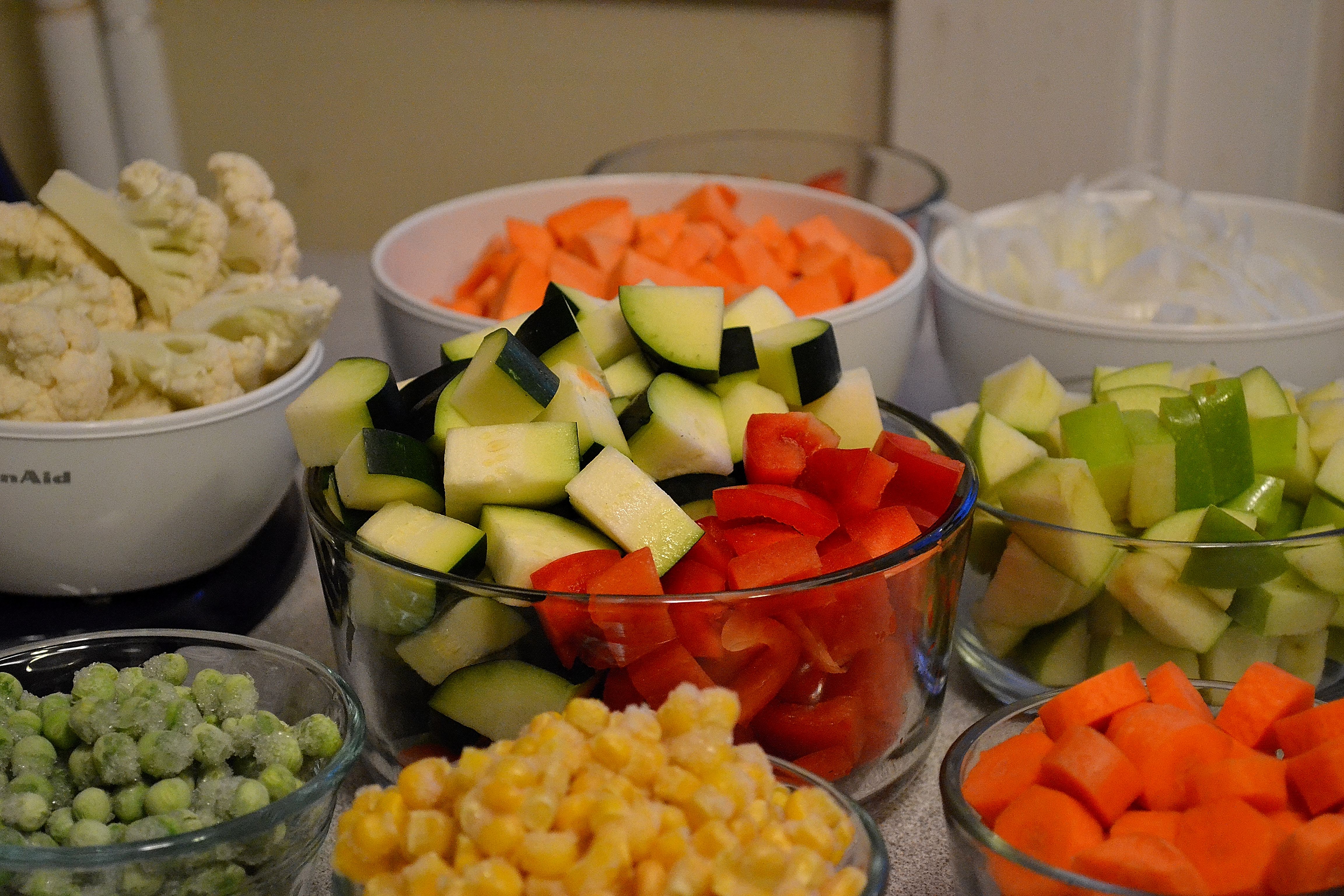
While this particular recipe exempts the traditional use of saffron, the spice is not missed. With every spring vegetable imaginable, this risotto is a fantastic way to bring back memories of warmer days – fennel, leeks, asparagus, and peas. A word of caution: risotto is a dish best made slow. Arborio rice is starchier variety than its long-grained cousin, and produces a creamy, flavorful result when paired with broth and aromatics. Ensuring the rice absorbs the liquid at the proper rate is thus a crucial part of the process. Treat this dish like you would a three-year-old: with patience and constant supervision. You can find the recipe HERE. As I mentioned, the flavors of this dish pairs beautifully with roasted salmon. I also made a side of Braised Carrots and Parsnips with Crispy Sage – excellent recipe! You can find that recipeĀ HERE.
In the spirit of ā€œspringā€, I could only choose the composer whose interpretation of nature even Disney couldn’t ignore (see Fantasia, the original): Beethoven. His Symphony No. 6 in F Major, Op.68 is evidence to his love of the outdoors. Additionally, the first movement Erwachen heiterer Empfindungen bei der Ankunft auf dem Lande (Awakening of cheerful feelings upon arrival in the country) pairs beautifully with such a bright, vegetable-laden dish. I imagine there are those who wonder why I didn’t choose Gewitter, Sturm (Thunderstorm; Storm) given the dreadful weather, but this post was a wish for the sunnier days of spring. Now I don’t believe in miracles, but the gorgeous weather of April 2nd made me believe that my prayers just might have been heard. A note about the video link: the orchestra is not listed, but it was the best quality recording I could find (such is the consequence of having to use YouTube). They do pair it with pictures of ā€œnatureā€ though, so that’s an added bonus to my blog’s theme I guess. Enjoy!