As my previous post implied, this hasn’t been the easiest month for me – that being said, I’ve been dying to start blogging again. Considering I’m still on “the mend,” I haven’t been quite as active a culinarian…for those of you who know me, you can see why I had to do something during this “hurry up and wait” period. So I thought I could share a few recipes from my archives – aka photos of dishes that I never had the chance to post. So what better way to make a comeback than with Strawberry Chocolate Shortcakes with Whipped Cream?! So why are we so addicted to shortcakes? Whether it be the crumbly, buttery biscuits or the bright, juicy berries, they have become one of the idyllic desserts in our culture. I used an interested method with these biscuits – rather than cubing cold butter and using a pastry cutter, I shredded the frozen butter with a cheese grater. The end result was a light, flaky biscuit. As you noticed, these are a little different than your “classic” shortcakes – they have finely chopped chocolate bits – this is an optional add-in, but I loved the visual aesthetic. Click HERE to learn how to make these beautiful treats. I’m blogging about these shortcakes on a Saturday, and quite frankly (since I’m relegated to limited activity) I’ve come to enjoy the refuge of these lazy days. Whether curling up on the sofa with a good book or enjoying one of the several TV shows on my queue (TNG and Justified are the current frontrunners), the weekends have proven ideal for summer rest. Though I don’t often listen to the works of Edvard Grieg, I felt that the Sarabande from his Holberg Suite, Op. 40 was the ideal pairing for such peaceful refuge. The suite is neoclassical (drawing from the Baroque style), though Grieg’s signature can be discerned throughout. This quality helped draw my connection to the idea that these shortcakes are also a thing “from the past.” Though the Sarabande is beautiful, the piece is relatively short – if you have the time, I recommend listening to all 5 movements. Enjoy!
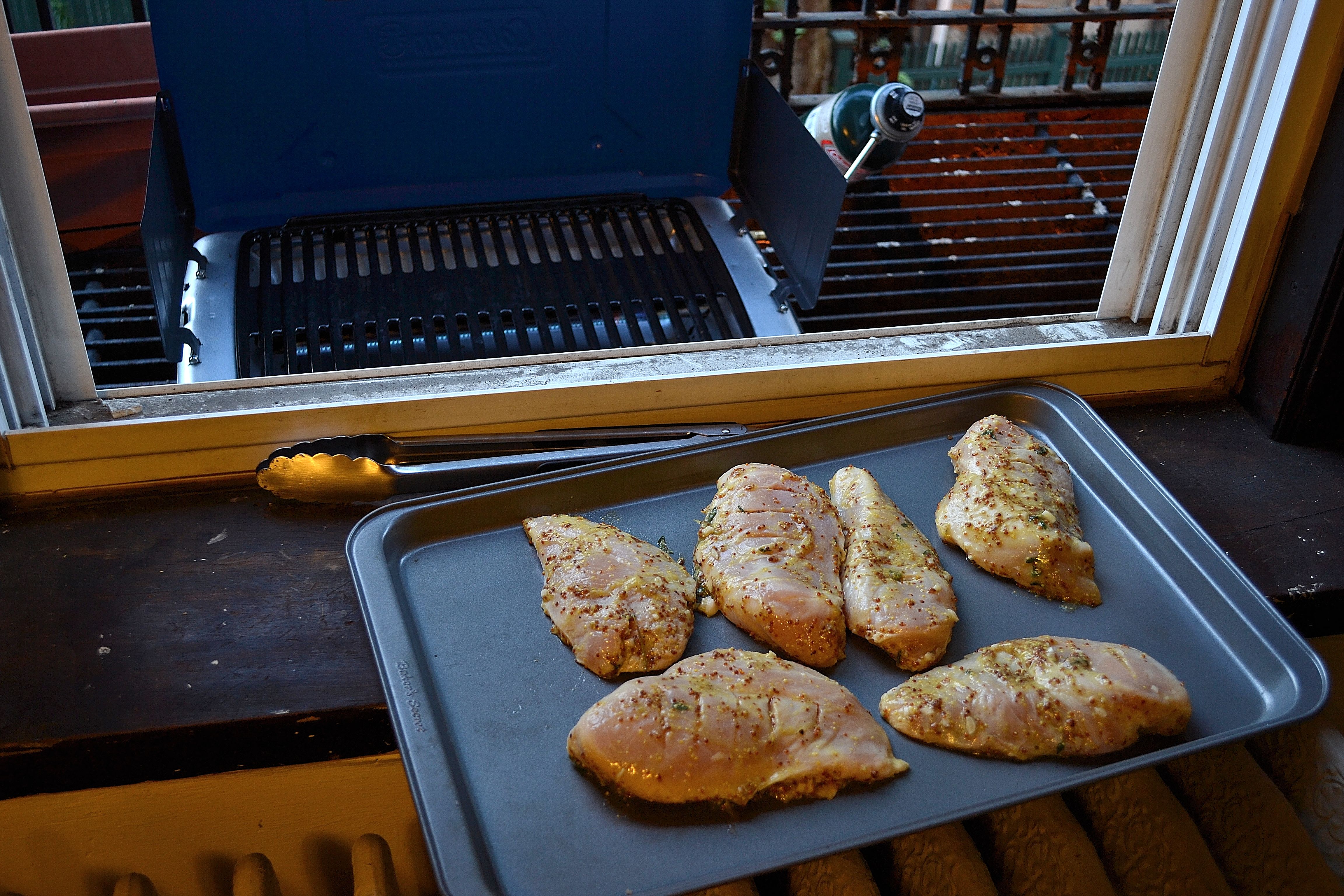
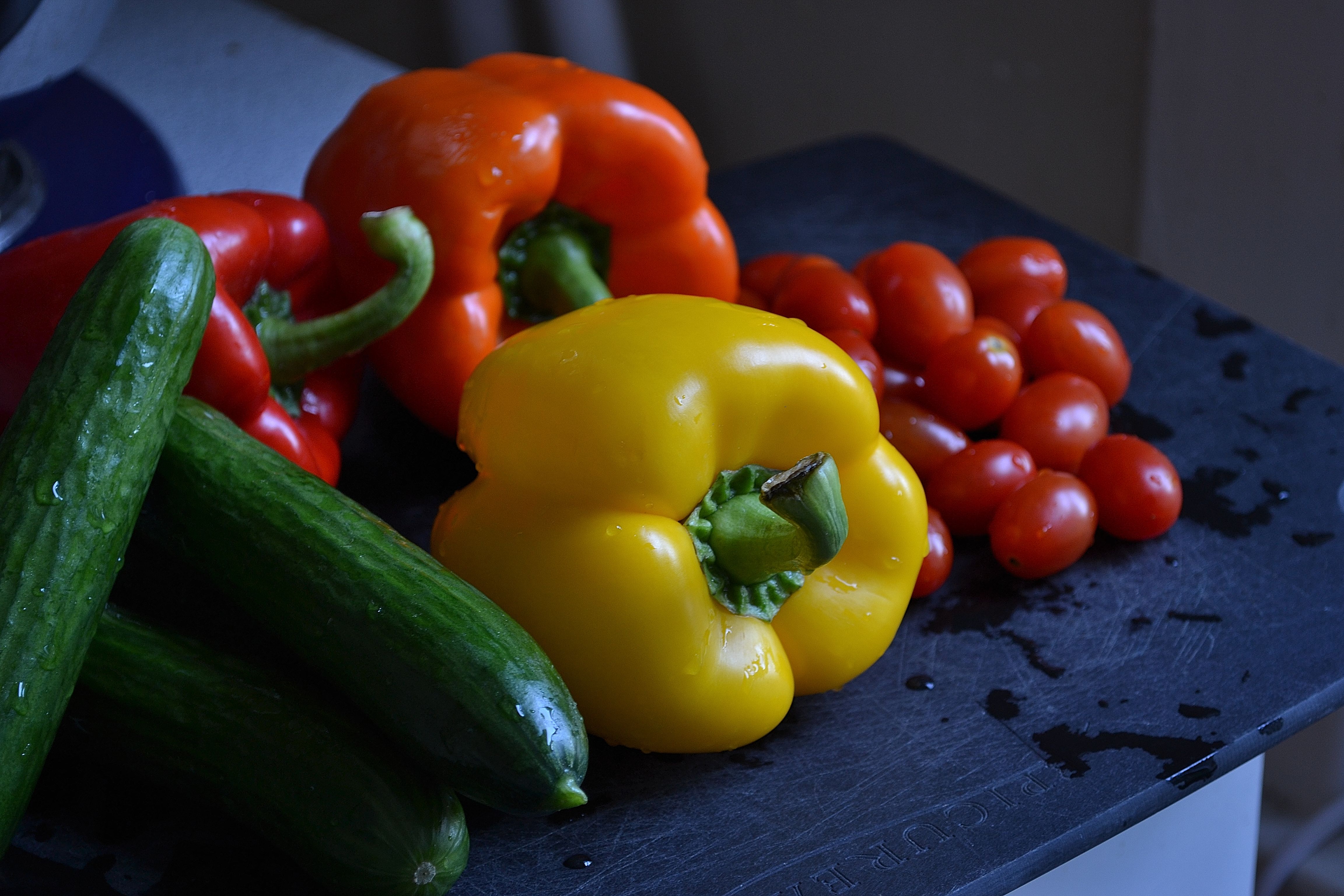
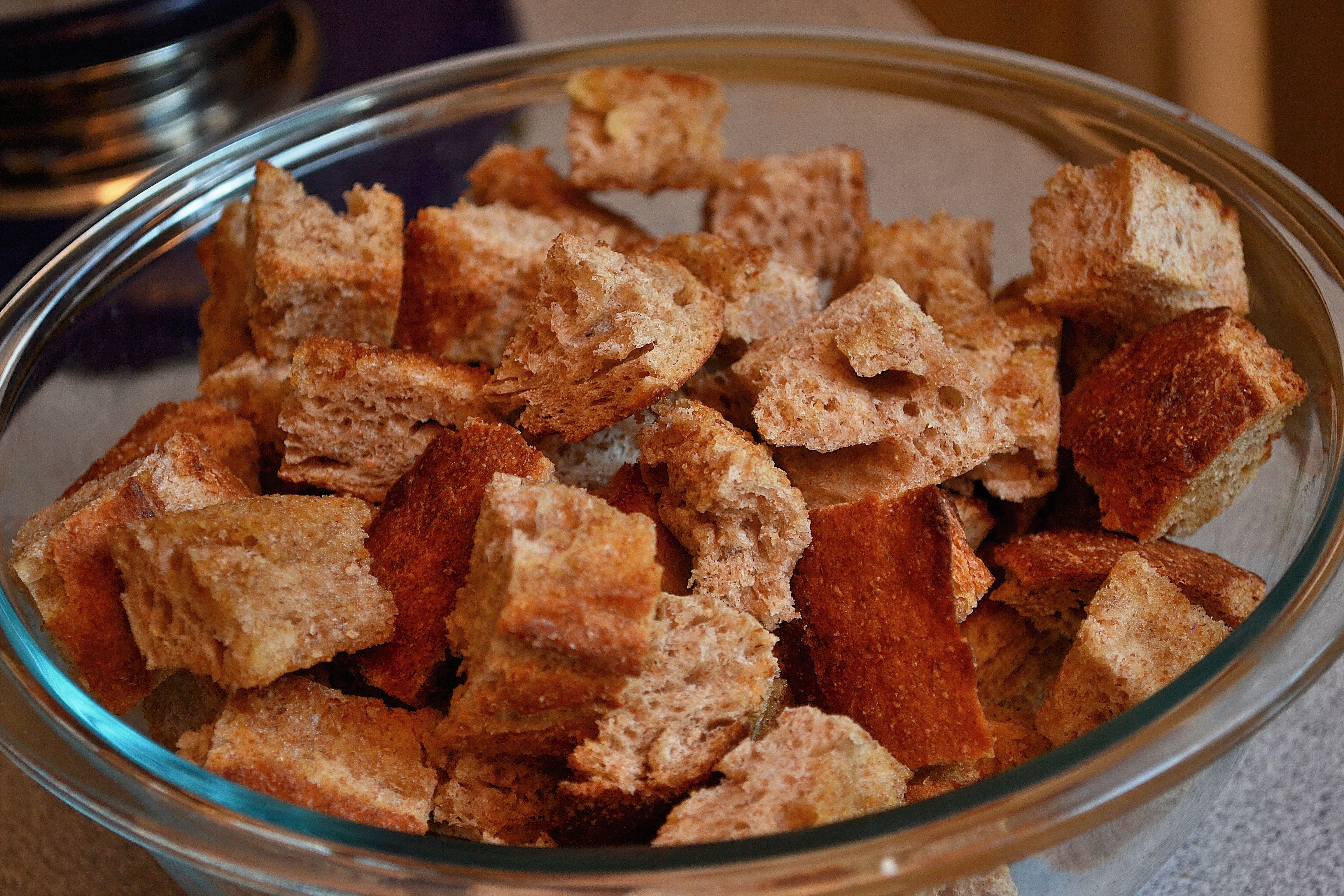
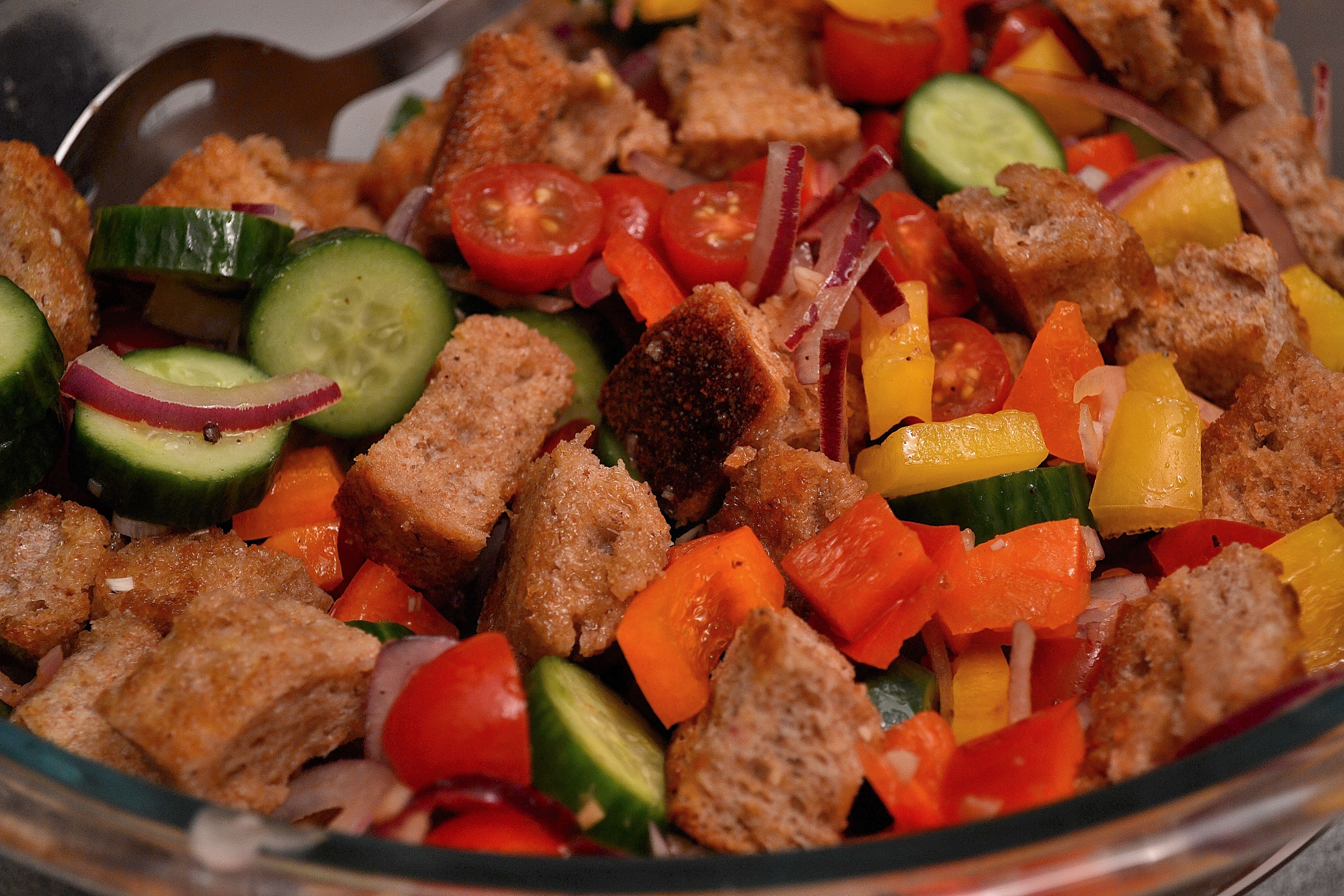
Several weeks ago, I went camping in New Hampshire with two great guy friends. While I was willing to rough it out with the no shower/bed situation, there are certain things I can’t sacrifice; cooking is (obviously) one of them. This led me to buy a Coleman propane grill – fast forward to being back in Boston. It was miserably hot on the night I was supposed to have friends for dinner, and the oven was the last thing I wanted to have on. This little grill came to my rescue, and gave me the perfect opportunity to create Grilled Chicken with Dijon-Thyme Marinade, with which I paired a colorful Panzanella Salad. The marinade was sort of a creation I made up. I have researched countless recipes in the past, so I had a pretty good idea about proportions and such. I love the look of whole grain mustard, so I highly recommend using it if you can. While dried thyme can be used, the depth of flavor fresh provides make it worth the purchase. The marinade bag-in-bowl trick is one I’ve used for other recipes (like this flank steak). It’s great given it fully coats the meat with the marinade, and makes for extremely simple cleanup. Click HERE to see why this chicken has become a staple in my cooking repertoire. This Panzanella Salad was a random experiment. Having already made countless salads this summer, I wanted to try something different. Needing my “starch” component for this menu, it seemed like the perfect opportunity. What I love about this recipe is the colorful assembly of fresh vegetables – bell peppers, tomatoes, onions, cucumbers, and more! There’s no limit to what vegetables can be used, making it perfect for any season. The fresh, bright taste of this salad is phenomenal! While traditional Panzanella uses stale bread that has been soaked in water, I prefer the crisp freshness this recipe provides. By toasting the bread, it doesn’t become too soggy or fall apart. That being said, I should warn that this salad may not be for everyone – while I loved the novelty of it, there were those who weren’t quite as keen on the bread + salad component. Nonetheless, I recommend giving this a try – you might be surprised at how addicting this salad can be. Click HERE to learn how to make this cool, summery dish. For pairing these dishes, I decided to choose a recording that my friend Luke Reed (who was visiting) actually showed to us later that evening: ‘Ciaccona di Paradiso e dell’Inferno‘ (composer anonymous). All of the performers are wonderul, yet my main draw to this was the STUNNING countertenor Philippe Jaroussky. His voice is beyond words, with a crystal clarity that can melt your heart. Yet the video itself also contains a bit of comic flair, which in my eyes was perfect considering this dinner was an evening of laughter and silly YouTube videos. The recording is from a concert series with the early music ensemble L’Arpeggiata, led by Christina Theorbo. Their are some fascinating instruments, including the theorbo (played by Pluhar) and a wooden cornetto. I’ve included another recording from the concert, ‘Ciaccona‘ by Maurizio Cazzati, to showcase more of the musicians with the group. Enjoy!
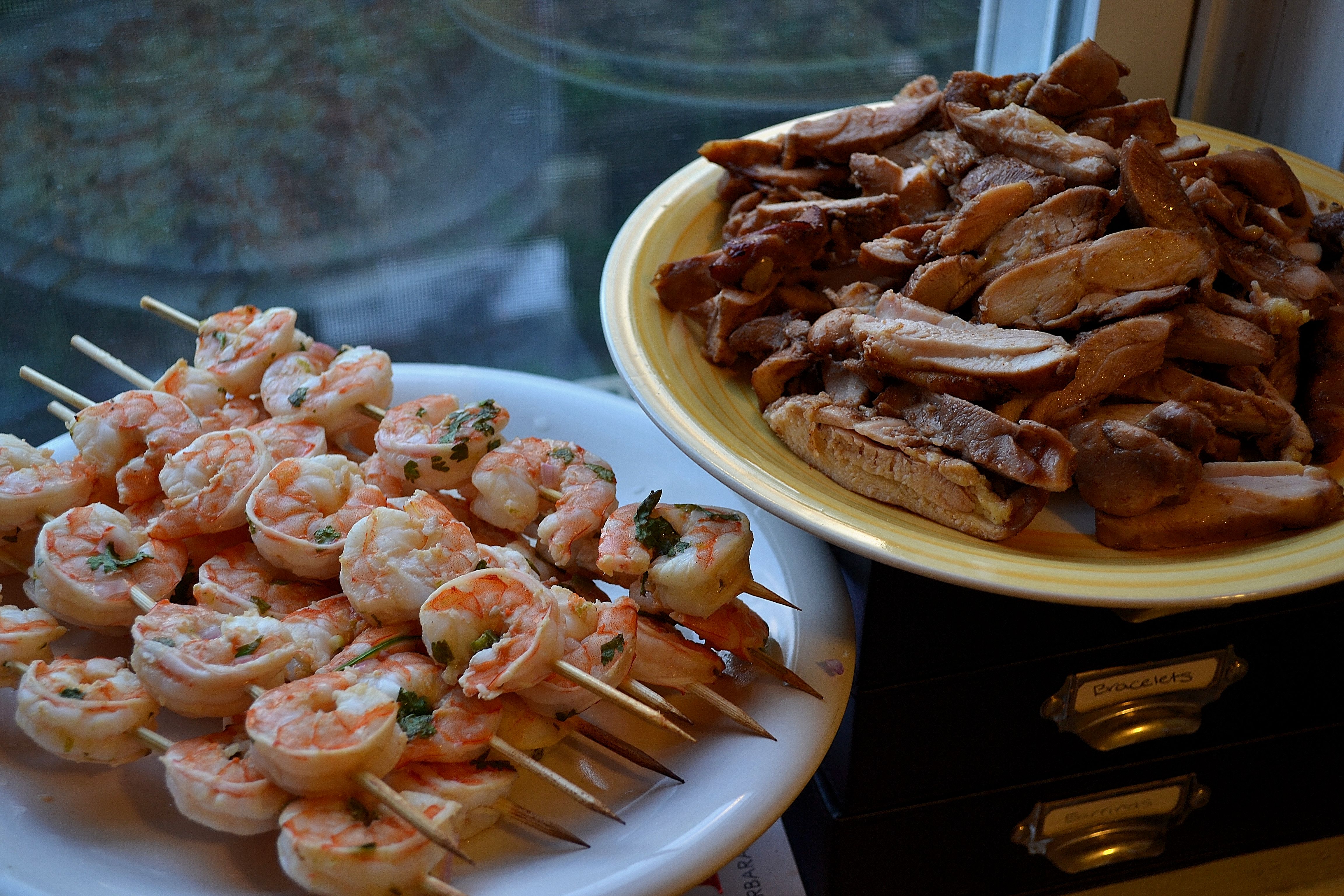
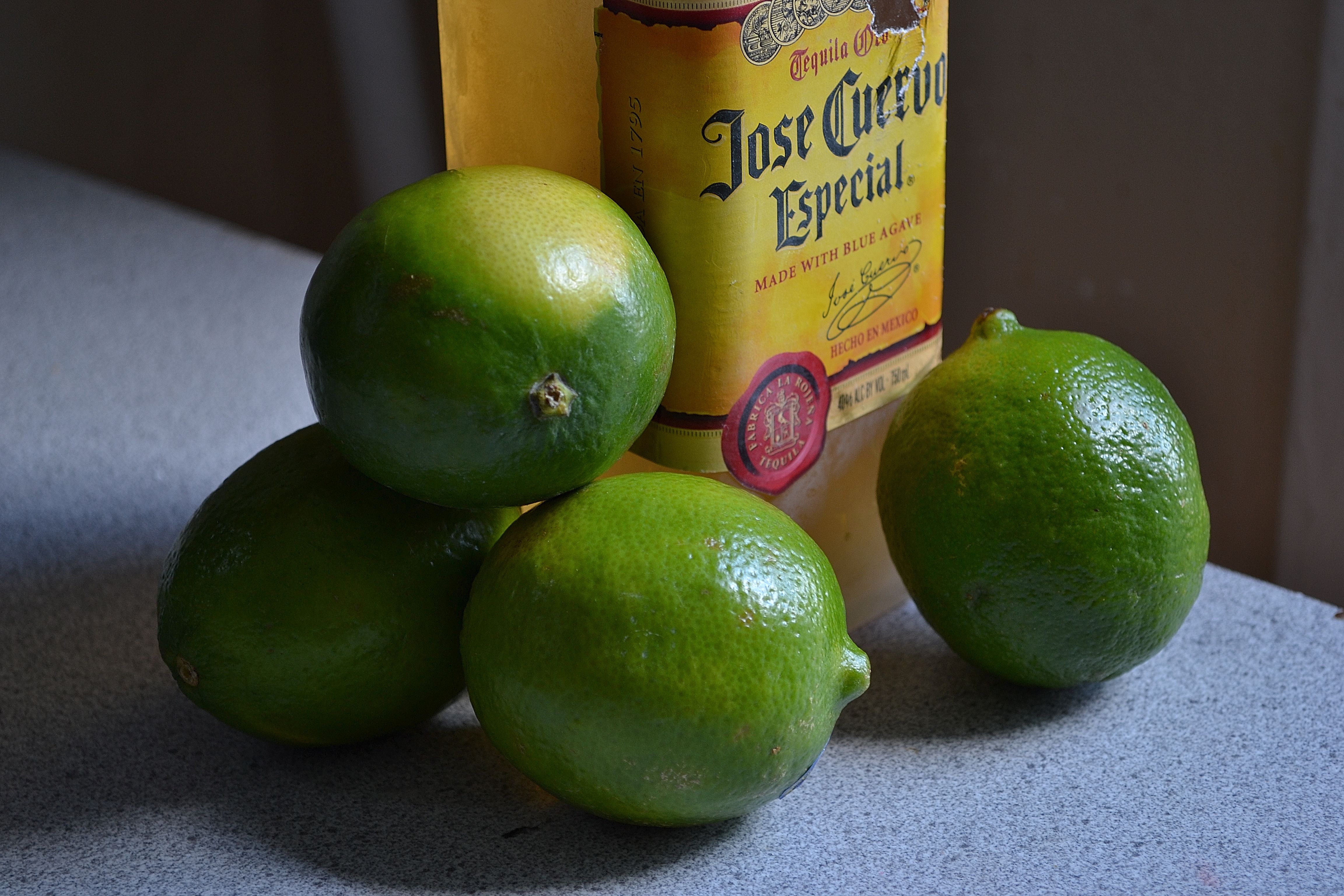
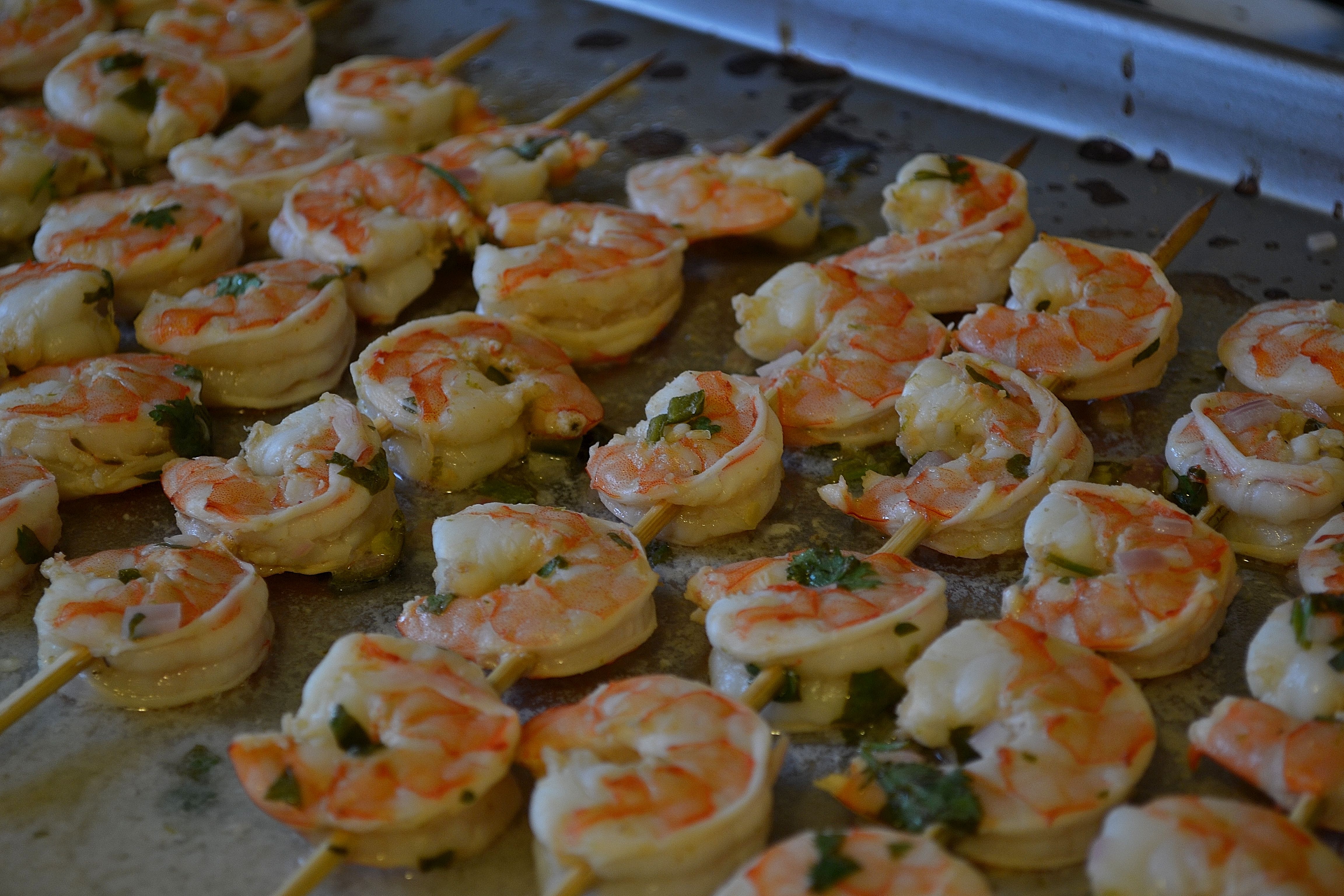
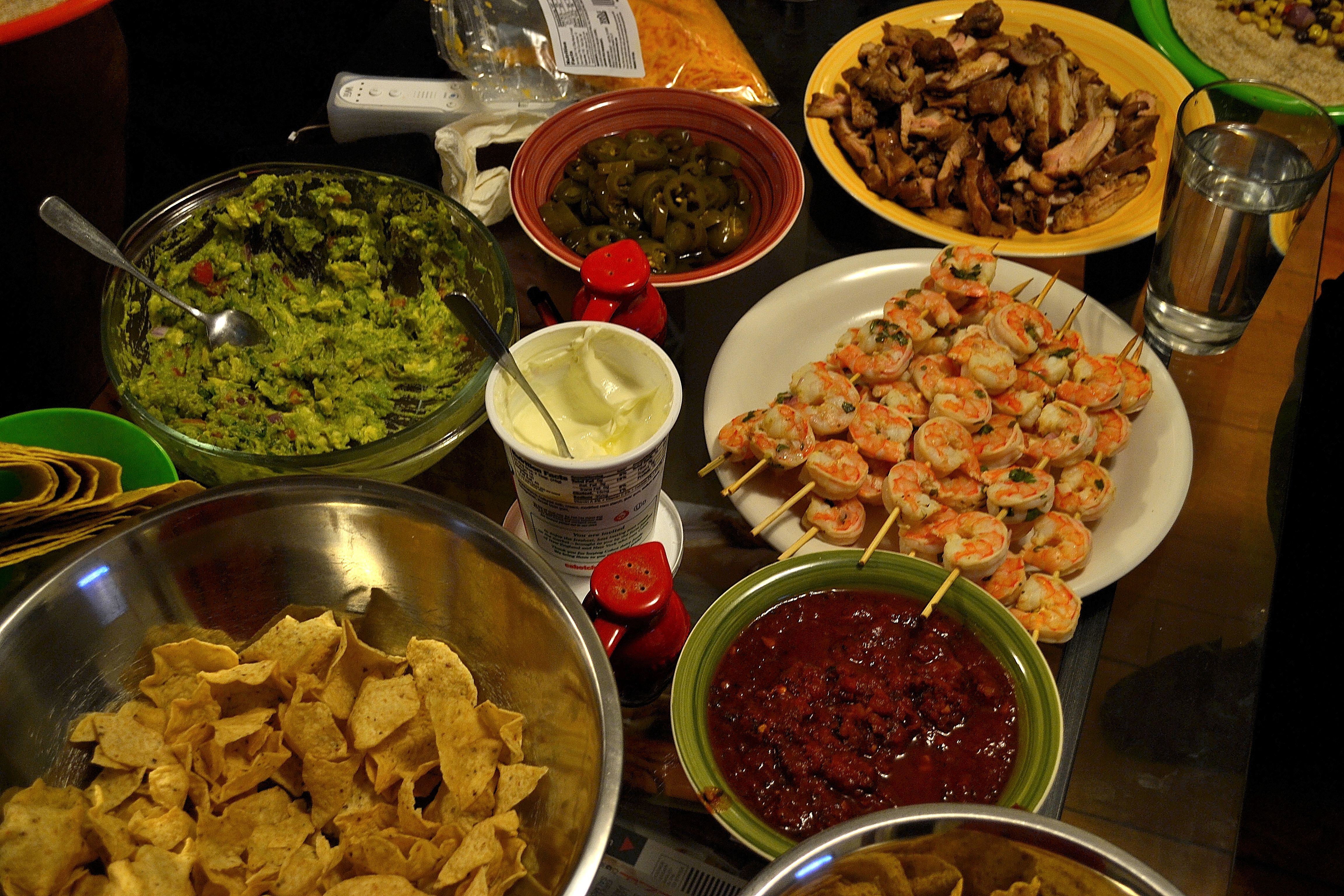
I love tacos – they are quick, easy and perfect for those last-minute get-togethers! Yet keeping a ravenous group at bay in order to snap a few photos is a nearly impossible task. I have already had several parties where tacos were the main event…which you can tell never made it to this blog. Yet my most recent endeavor was saved by an age-old trick: the marinade. This made preparation the day of a breeze, giving ample time to snap some awesome photos! No taco party is complete without salsa and guacamole (my recipe HERE), both of which we had plenty! The fillers were two recipes that gave this taco bar a unique twist: Grilled Tamarind Chicken and Tequila-Lime Shrimp Skewers. Tamarind soda…having never even used Tamaring before, this ingredient seemed a little far-fetched. I received my FineCooking issue this month, and was dying to give this recipe a try. About Tamarind: primarily indigenous to tropical Africa, the Tamarind tree can be found in areas throughout Arabia, South Asia and Mexico. The fruit resembles a pea pod, and is often brown or reddish-brown in color. It imparts a sweet and sour taste, resulting in its popular use for a number of dishes ranging from sorbets and sweetened drinks to soups and salads.* The beauty of this marinade is two-fold: one is the tangy flavor imparted by the tamarind, and the other is the tenderizing effect from the soda itself (you can find it in the Asian or Latin aisles at your supermarket). The recipe is SO simple, and yet this was some of the tenderest chicken I’ve ever made for tacos! The flavor was subtle, yet a delicious tangent from conventional Tex-Mex marinades. Click HERE to learn more about this unique recipe! Normally these two ingredients imply a very different kind of evening…yet for culinary purposes, they can be a powerful pair. Tequila has (understandably) received a horrible reputation, yet it is this very repute that has made it a premium liquor in both production and standards. The blue agave plant is the base for tequila, and is to this day still harvested manually by “jimadores,” who know and understand the plant like the backs of their hands. The distillation process is equally venerable.** I’ve made this marinade before, and it works like a charm! No worries if you’re not a tequila fan: the alcohol cooks off, leaving a unique flavor that won’t (at least shouldn’t) stir up any bad memories. The shrimp only need to cook briefly, making for a quick and easy meal. Feel free to eat these with tacos, or straight off the skewer (which you may be tempted to do): click HERE to check out this awesome recipe. Considering this meal was a taco bar, these dishes each started out with a single idea, then were built upon with other ingredients – salsa, guacamole, bean salad, cheese, sour cream, etc. The idea of building multiple items upon a theme led to my musical inspiration: Maurice Ravel’s Boléro (thanks to my awesome subletter Erin Bollacker!) This piece is built upon an ostinato, or a musical phrase/rhythm that is repeated over and over again. Gradually, more instruments are added to the theme, growing in volume and size. The climax is a massive finale with the entire orchestra playing in tandem – not unlike a finished taco brimming with fillings and sauce! The ostinato context, on the other hand, reflects the simplicity of making these delicious tacos. The video link I’ve included is of the Vienna Philharmonic with (my favorite!) Gustavo Dudamel conducting – the opening solos are absolutely breathtaking! Mind you, this is a 20 minute recording, which should be ample time to assemble at LEAST 2 of these awesome tacos (perhaps 3) – enjoy!
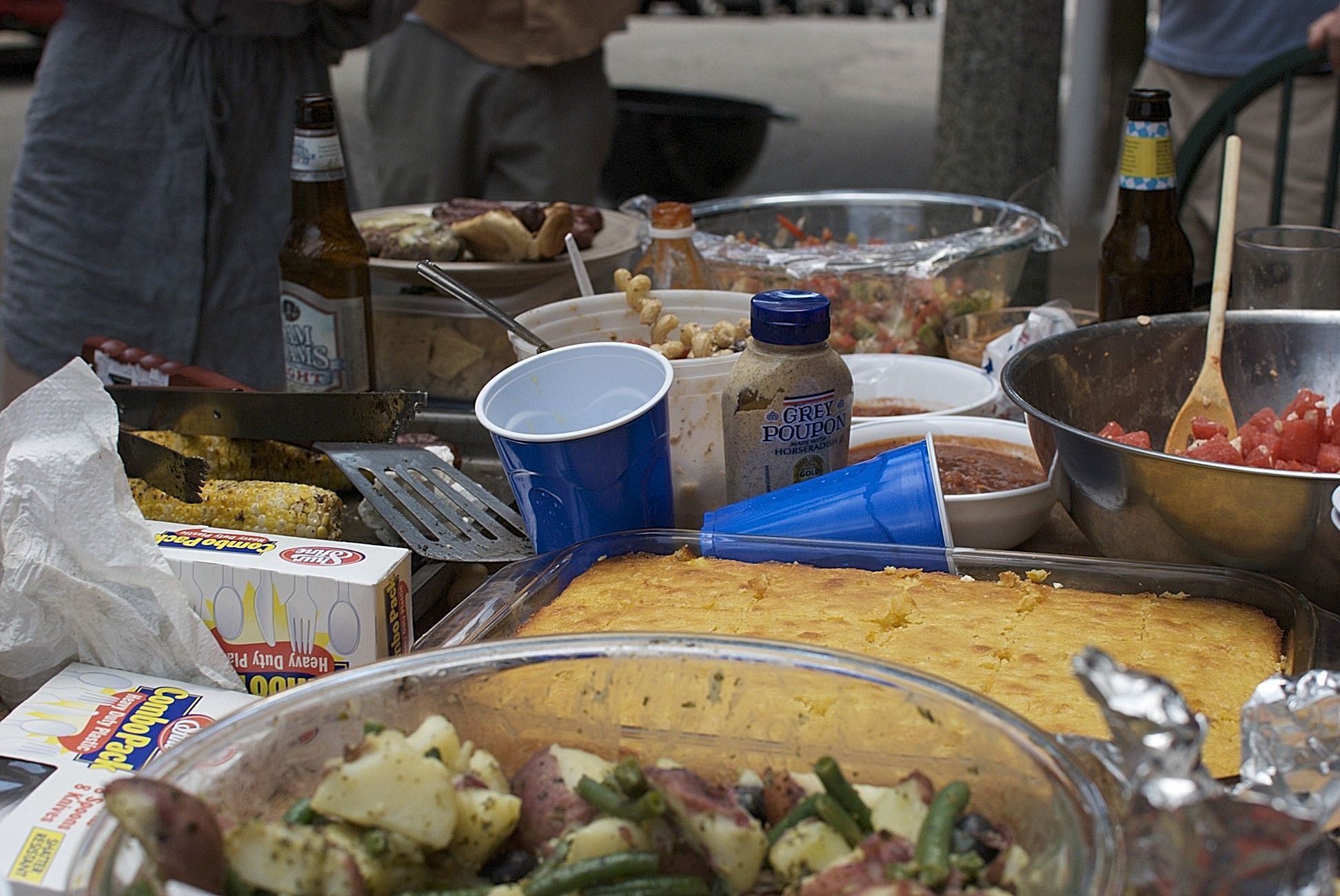
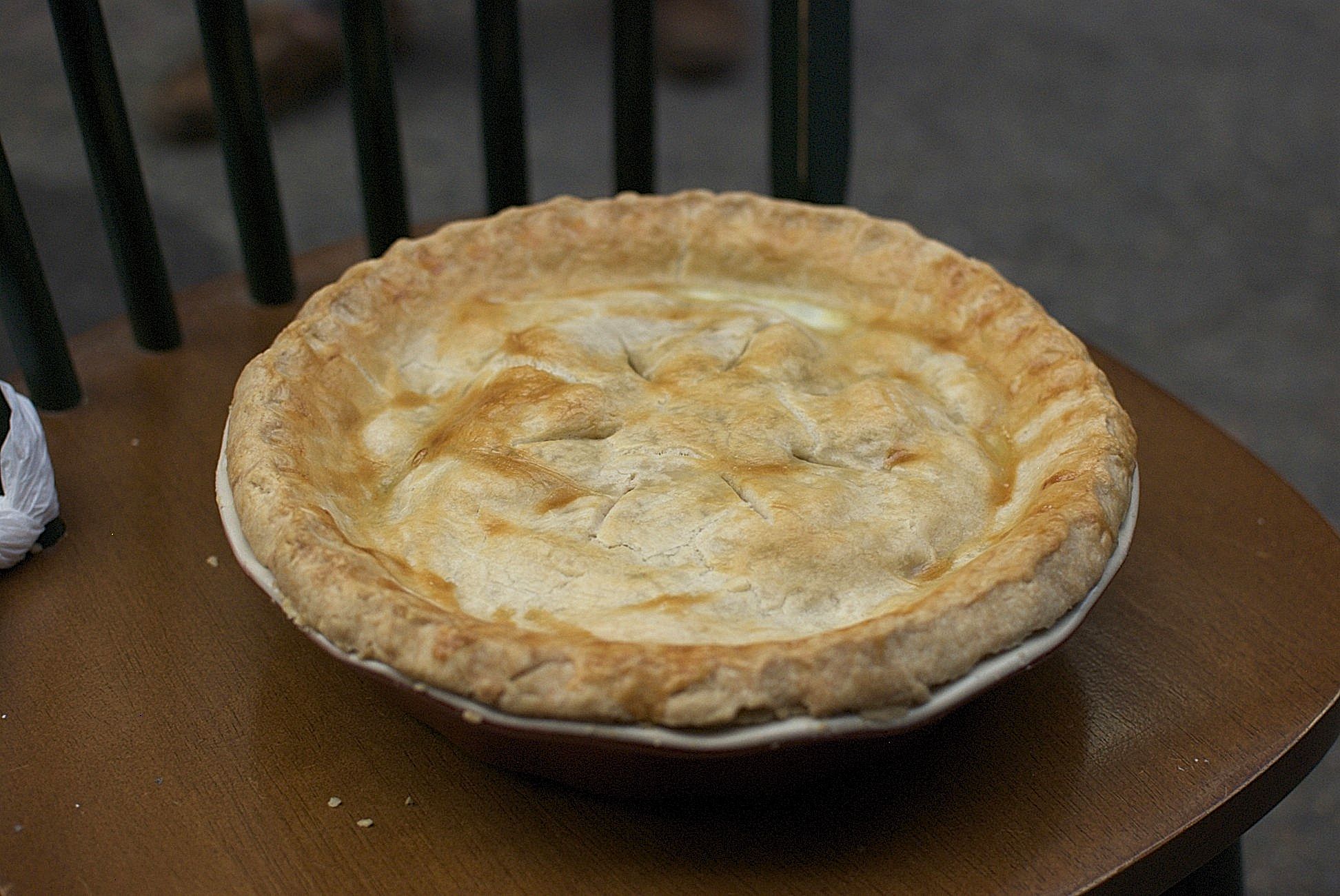
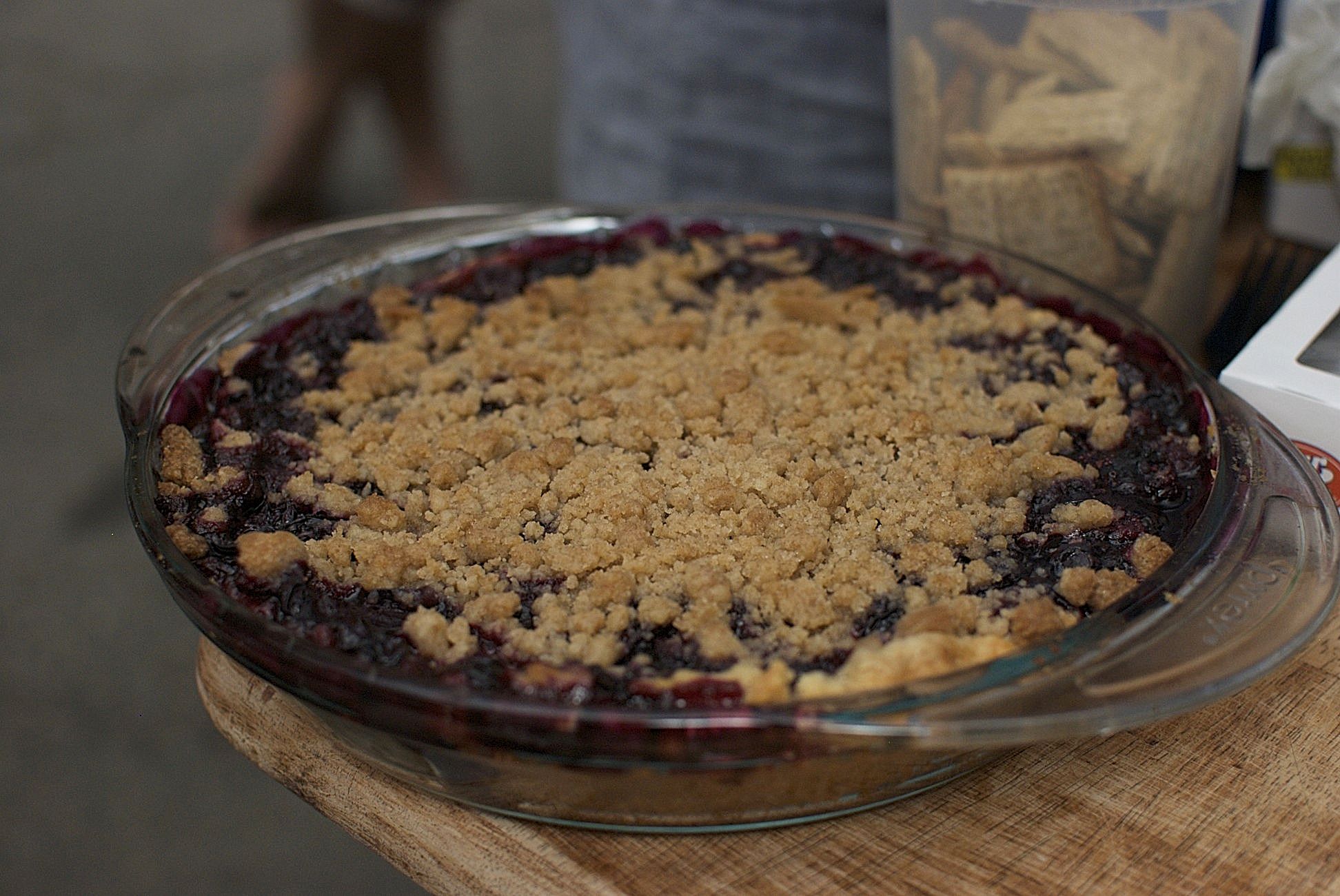
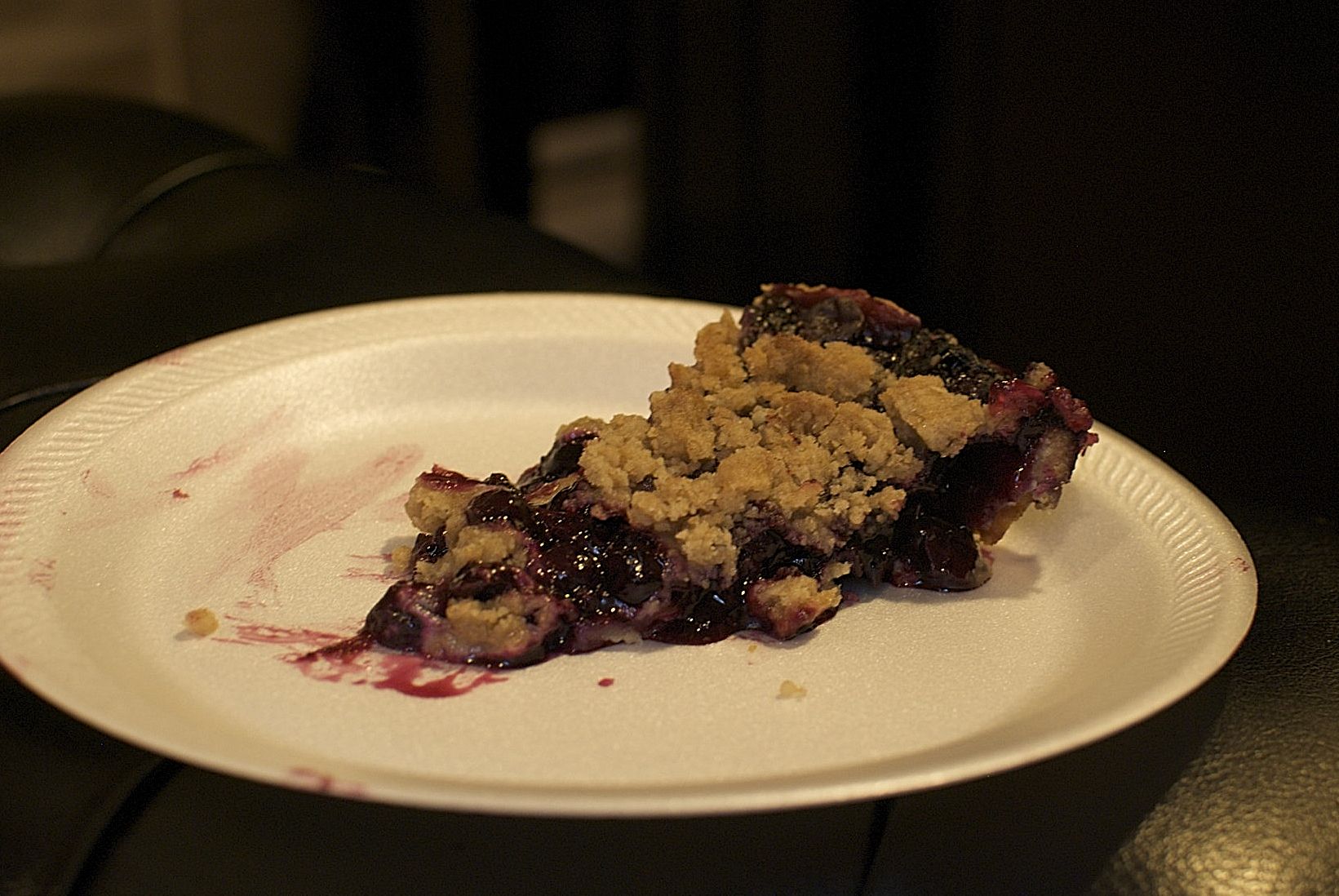
Fourth of July: a definitive holiday that celebrates American Independence and our national spirit. While I’ve seen many firework displays, none have quite topped the Boston Pops Fireworks Spectacular. This comes as little surprise considering over 500,000 people flood the banks of the Charles River to see the thrilling event, with an additional 7 MILLION tuning in to the CBS special from across the nation.* I’ve braved the crowds three times now, and must say that it still is quite “spectacular.” For this July 4th, a group of us gathered at my friend Brian’s in the North End for food and drinks (Awesome spread! See below), then travelled to a nearby bridge on the Charles for the fireworks show. My contributions to the cookout were two classics that this holiday would be incomplete without: Deep Dish Apple Pie and Blueberry Crumble Pie. “As American as Apple Pie” – we’ve all heard it, yet any may be surprised to learn it is quite far from the truth. The tradition of pie can be traced back to the Greeks, who used pastries to keep savory dishes fresh for storage and transport. This practice was passed on to the Romans, who subsequently introduced the method to Europe. When pilgrims first arrived to the Americas, there were no indigenous apple trees. The fruit had become quite the popular ingredient by that time, compelling settlers to introduce apple seeds to the continent in the 1620s. America quickly became one of the world’s largest producers of the fruit.** Here is my greatest piece of advice for both making both of these pies’ crusts – make sure ALL the wet ingredients (including the fats) are VERY cold! Otherwise you will end up with a pie crust that is neither flaky nor attractive. I used my food processor (a great gift from my stepmother!) for the first time on these recipes, and I am absolutely in LOVE with it! It made the process much less tedious, and the crust came together in no time! This apple pie was fantastic! It is a hybrid of two different recipes, considering I wanted a sturdy crust with a filling that was both flavorful and not too soggy. The filling is cooked beforehand, ensuring that the apples will be just cooked (rather than “just barely,” a consequence of deep dish pie dishes). The filling doesn’t suffer from being too mushy, either, thanks to the apples’ natural pectin (which is also used as a stabilizer in jams and jellies). To learn how to make this “American” classic, click HERE. The second pie was just as stunning – a colorful, juicy filling topped with a cinnamon crumble puts this one over the top. This again is a hybrid of two different recipes, in my search for paring a flaky crust with a luscious filling. The crumble topping gives the pie a whole new dimension of flavor and texture, almost serving as a second “pie crust.” This pie was fairly simple to make (relative to the apple pie), and will certainly be making another appearance soon. Click HERE to learn how to make this delicious pie! For this pairing, I chose the crowning glory of the Boston Pops show – 1812 Overture, by Pyotr Ilyich Tchaikovsky. Like the apple pie, this piece also has a deceptive history. Many falsely affiliate the work with the War of 1812, while in fact it refers to Russia’s victory over the advance of Napoleon’s Grande Armée into Moscow. So why the cultural misinterpretation? The Boston Pops themselves can be blamed, when former director Arthur Fiedler decided to feature the work (for the 1974 show). He had been asked to program a work that would appeal to a larger audience, and so he chose the overture due to its patriotic zeal and “explosive” finale (complete with real canons and church bells!) The reaction by spectators and critics alike secured the work a permanent place in the annual show’s program, as well as in July 4th celebrations across the country.^ Many of the recordings on YouTube only include the Finale, which, though wonderful, wholly omit the beautiful opening and more subtle moments. Here is a recording of the piece in full by the Hallé Orchestra of England, with Mark Elder conducting. Enjoy!
All photos thanks to my good friend Danny Rios
Sources Cited: * “Boston Pops Fireworks Spectacular – Our Story.” July4th.org. ** Olver, Lynn. “Pies & Pastry.” FoodTimeline.org. 19 Jun. 2011. ^ Peters, Glen. “The Fourth of July and the 1812 Overture: A History.” AssociatedContent from Yahoo! 19 Jul. 2007.
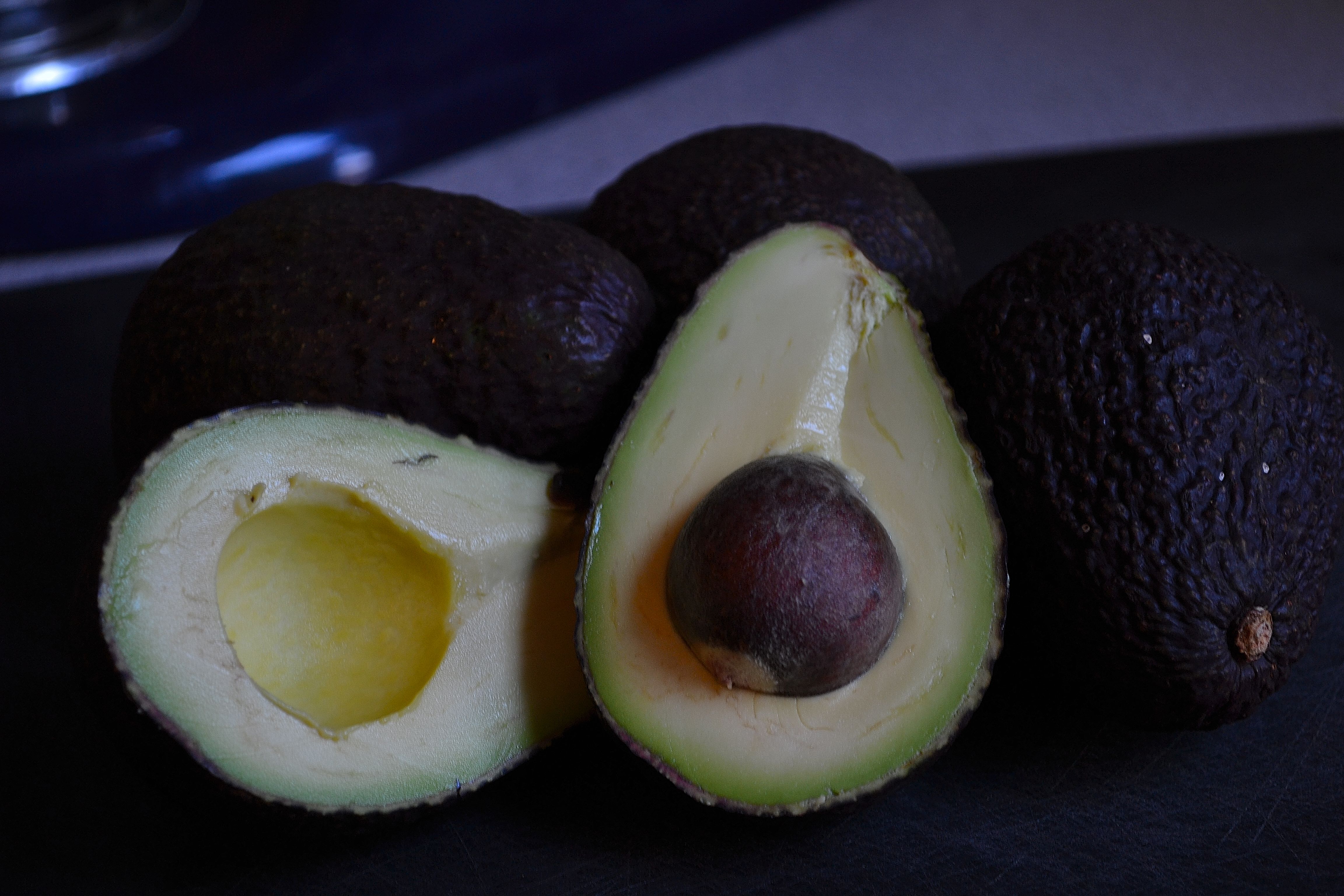
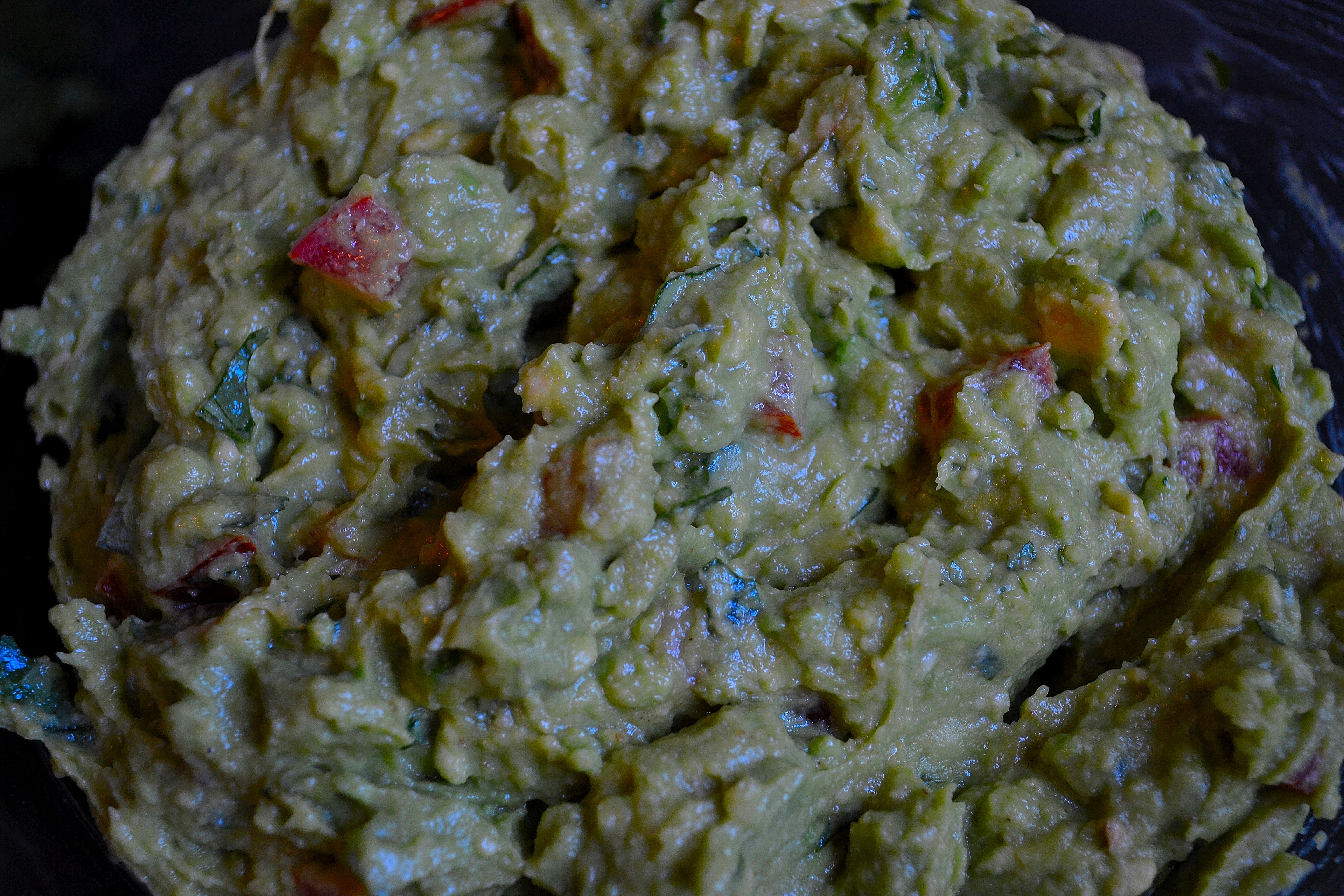
Whether it be a picnic or a movie night, no summertime hang is complete without chips and dips. I’m not talking about those prepackaged salsas you can buy year round at the local corner store – I’m talking about dips that feature the fresh, colorful harvest of this season. Though the former is more convenient, the flavor and depth o the latter is far more enjoyable. I had a group of friends over the other day to watch one of my favorite Pixar films, Toy Story 3, and I decided to make two seasonal favorite of mine: Guacamole Auténtico and Mango Salsa. The taste, health benefits, and overall aesthetic of the vibrant avocado has made it one of summer’s most beloved fruits. The word avocado comes from the Spanish term aguacate, which had been a simplification by Spanish explorers of the original Aztec name “ahuacatl.” Ancient cultures believed the fruit to be a symbol of fertility and passion (given its suggestive shape). Today, it is still seen as a natural aphrodisiac due to its nutritional benefits and rich taste. Though there are signs of cultivation dating back to 500 B.C., the avocado wasn’t introduced to the states until 1871 in Santa Barbara. California still stands as the number one producer of the nation’s avocados, accounting for 90% of the total crop. Fun Fact: an avocado tree in California can produce as many 500 fruits per year – that’s 200 pounds of avocado!* This guacamole is a knockout, and I recommend using only the freshest of ingredients for it. The only thing I omit is the hot sauce given that it feels like a slightly less “authentic” ingredient. I also use jalapenos in place of the serranos to tone down the heat for those less predilection towards spicy fare. Although many purists would be furious at the inclusion of cumin, the slightly earthy flavor it provides with a touch of spice is a perfect complement to the avocado (as an added bonus, many Arabic cultures see cumin as a symbol of love**). This is a delicious guacamole, and comes together in no time – click HERE to learn how to make this summer standard. When most hear the term salsa, they think tomatoes – I imagine very few picture mangoes as part of the equation. The mango, like the avocado, is another pitted fruit. Originating in Southeast Asia, mango comes from the Tamil term “mangkay.” The mango is featured prominently in this region, serving as the national fruit of India, Pakistan and the Philippines. The mango, like the avocado is seen as a symbol of love and fertility.* Hindu culture uses mango leaves as decorations in doorways for weddings and religious ceremonies.^ This salsa is almost a simplified version of another variety I’ve featured on this blog. Like guacamole, the mango is the main ingredient, with a few other flavors and textures to provide body. This was surprisingly addictive, and not terribly spicy due to the mango’s sweetness. Click HERE to learn how to make this twist on salsa! Given that these are both fruits symbolic of love, I thought it would be appropriate to choose a musical selection to match. I decided to go literal with this one, and chose Franz Liszt’s Liebesträume, or “Dreams of Love.” These three solo piano works are based on love poems Ludwig Uhland and Ferdinand Freiligrath: “Hohe Liebe“, “Gestorben war ich,” and “O Lieb, so lang du lieben kannst.”Liszt simultaneously composed song equivalents for these three poems, though these (unlike the piano solos) are rarely performed.^ Each piece represents a different type of love: exalted love, erotic love, and unconditional love. The most famous is No.3, which many simply refer to as “Liebesträum” (despite it being the title for the entire set). I have included a recording of this work, performed by Evgeny Kissin. Enjoy!

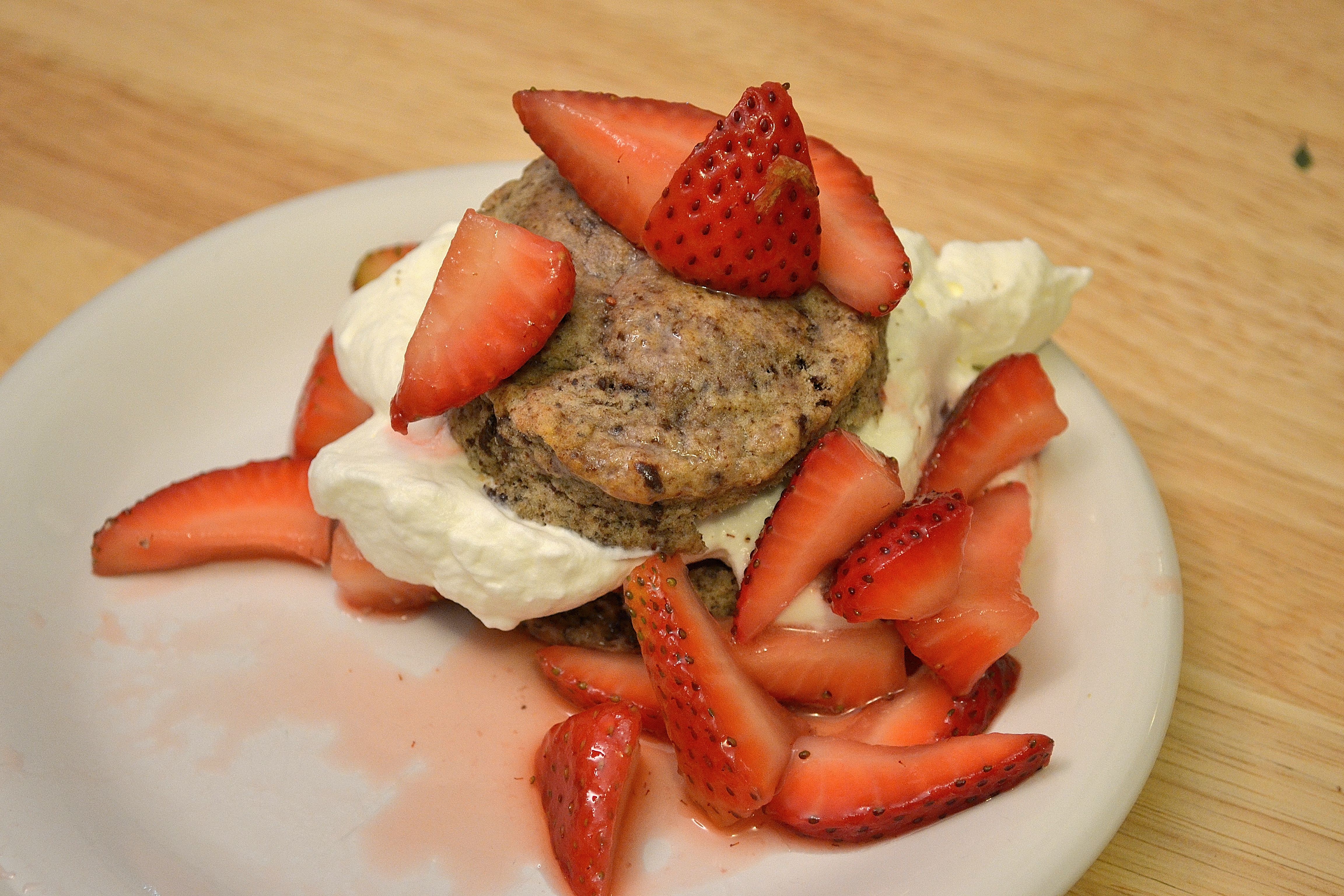 As my previous post implied, this hasn’t been the easiest month for me – that being said, I’ve been dying to start blogging again. Considering I’m still on “the mend,” I haven’t been quite as active a culinarian…for those of you who know me, you can see why I had to do something during this “hurry up and wait” period. So I thought I could share a few recipes from my archives – aka photos of dishes that I never had the chance to post. So what better way to make a comeback than with Strawberry Chocolate Shortcakes with Whipped Cream?!
 So why are we so addicted to shortcakes? Whether it be the crumbly, buttery biscuits or the bright, juicy berries, they have become one of the idyllic desserts in our culture. I used an interested method with these biscuits – rather than cubing cold butter and using a pastry cutter, I shredded the frozen butter with a cheese grater. The end result was a light, flaky biscuit. As you noticed, these are a little different than your “classic” shortcakes – they have finely chopped chocolate bits – this is an optional add-in, but I loved the visual aesthetic. Click HERE to learn how to make these beautiful treats.
 I’m blogging about these shortcakes on a Saturday, and quite frankly (since I’m relegated to limited activity) I’ve come to enjoy the refuge of these lazy days. Whether curling up on the sofa with a good book or enjoying one of the several TV shows on my queue (TNG and Justified are the current frontrunners), the weekends have proven ideal for summer rest. Though I don’t often listen to the works of Edvard Grieg, I felt that the Sarabande from his Holberg Suite, Op. 40 was the ideal pairing for such peaceful refuge. The suite is neoclassical (drawing from the Baroque style), though Grieg’s signature can be discerned throughout. This quality helped draw my connection to the idea that these shortcakes are also a thing “from the past.” Though the Sarabande is beautiful, the piece is relatively short – if you have the time, I recommend listening to all 5 movements. Enjoy!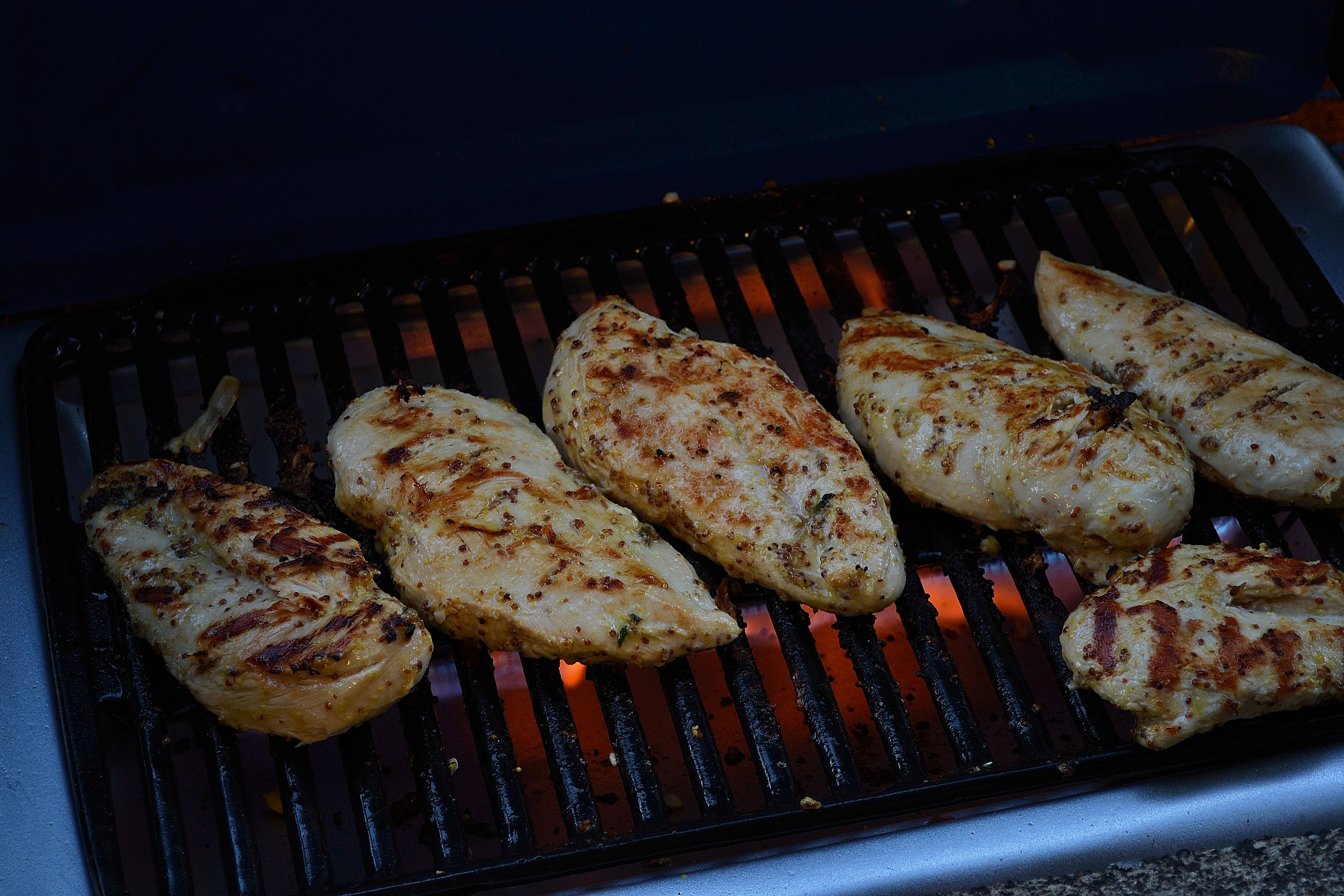







 THE CLASSICAL KITCHEN