
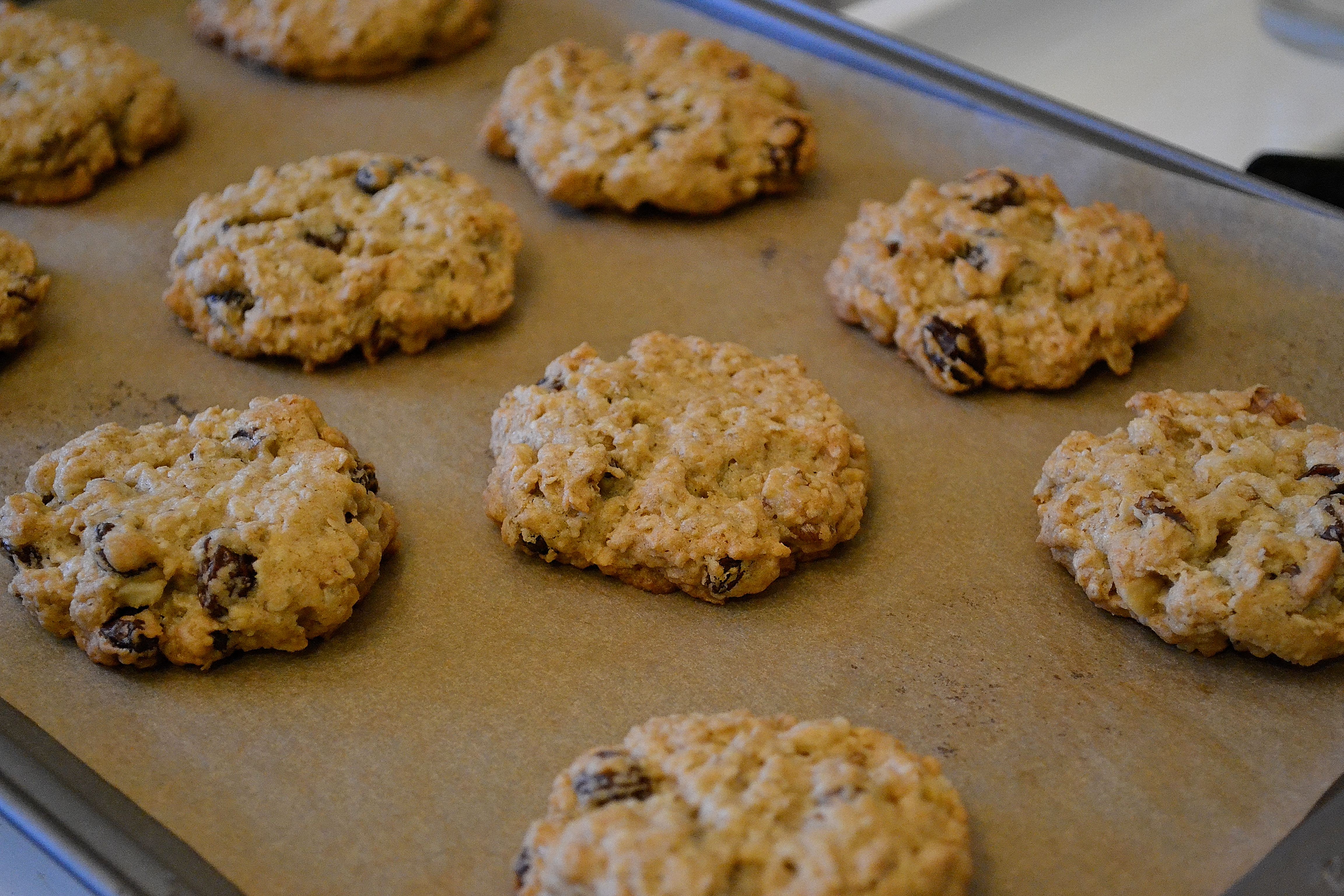
 Cookies, regardless of flavor or shape, are always reminiscent of simpler days; days when you would wait by the kitchen, counting down the seconds until a tray of golden baked treats would be taken out of the oven. While this memory has numerous variations, no one can deny the nostalgic tug we get from cookies. A baker’s best friend, cookies are fairly simple to make: the majority are one-bowl recipes needing little more than flour, butter, sugar, and eggs. They are quick to assemble, and will bake in less than 15 minutes. Once cooled, cookies can easily be stacked in tupperware and, at 24 a batch, a number of these bite-sized treats can be made in less than an hour! In fact, the convenience of cookies came to my rescue this past weekend – I needed something to bring to my dear friend Brian McCarthy’s piano recital (which, as a side note, was fantastic!!!). With the little time but plenty of flour, I knew cookies had to be it, and so I chose the following: Oatmeal Cinnamon-Raisin Cookies and Dark & Fudgy White Chocolate Chip Cookies.
 There are two viable conclusions for the above ingredients – some would say “breakfast,” while Cookie Monster would yell “Cookies!!!” Talk about a trip down memory lane. Yet while many consider these an American classic, they can actually be traced back several centuries to British Isles. Oats, as a prominent grain of the region, were often formed into oatcakes: a pancake-like dish that is today still considered to be a specialty in Scotland. European Explorers brought the cereal grain and their recipes to Colonial America by in the 17th century. Rolled oats as we know them today were introduced towards the end of the 19th century with the establishment of the much-beloved Quaker Oats Company.*
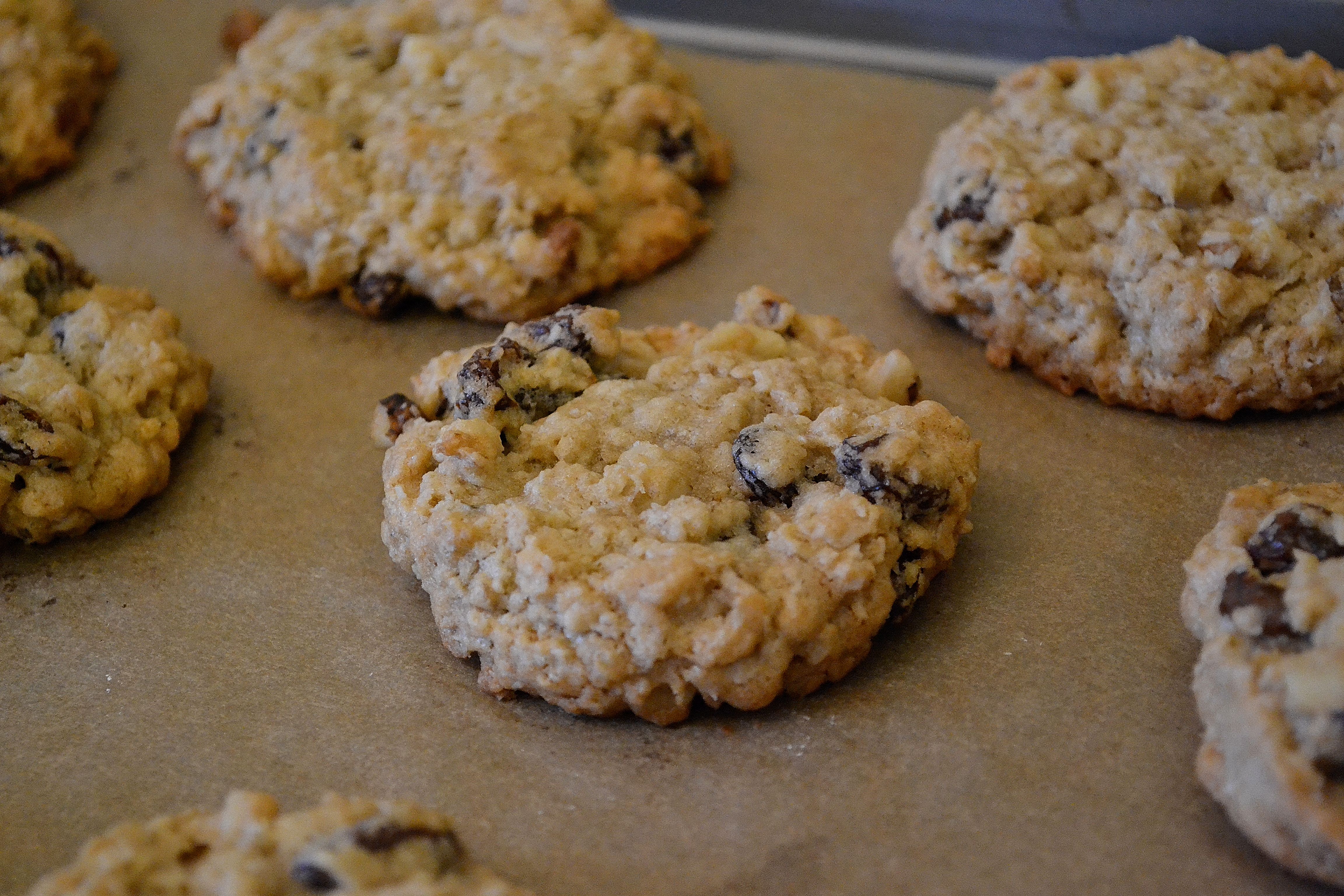 This particular recipe is from a cookbook gifted to me by my sister’s boyfriend, Grant. Here’s why I approve of this guy: he bought me this book as a Christmas gift before he knew that I had a cooking blog! Major brownie points there (no pun intended). The book is Cookies! Good Housekeeping Favorite Recipes, and has all the classics, from chocolate chip to gingerbread men. I added walnuts and a little cinnamon to the mix, but those were the only changes. Click HERE to view this classic recipe.
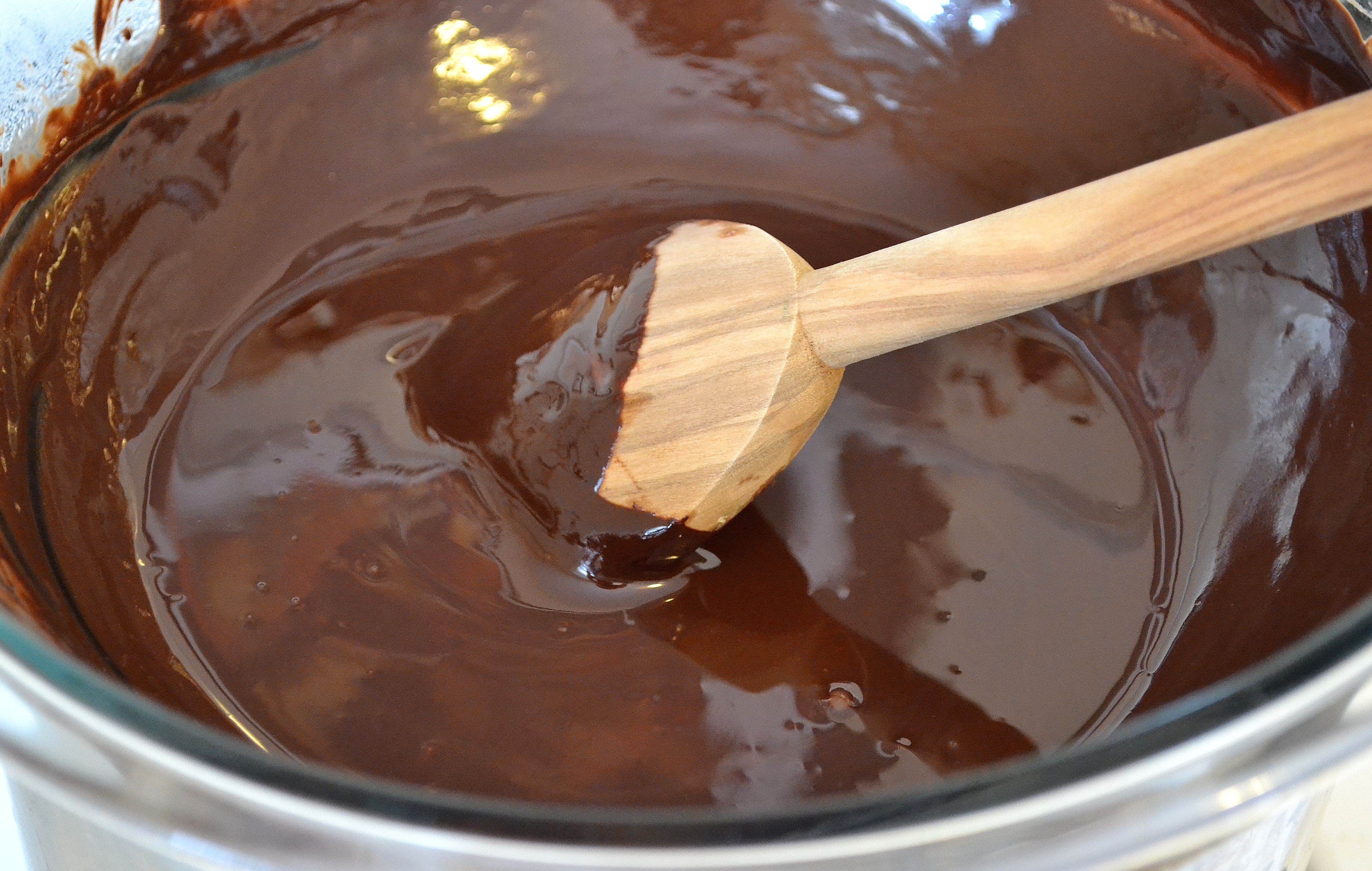
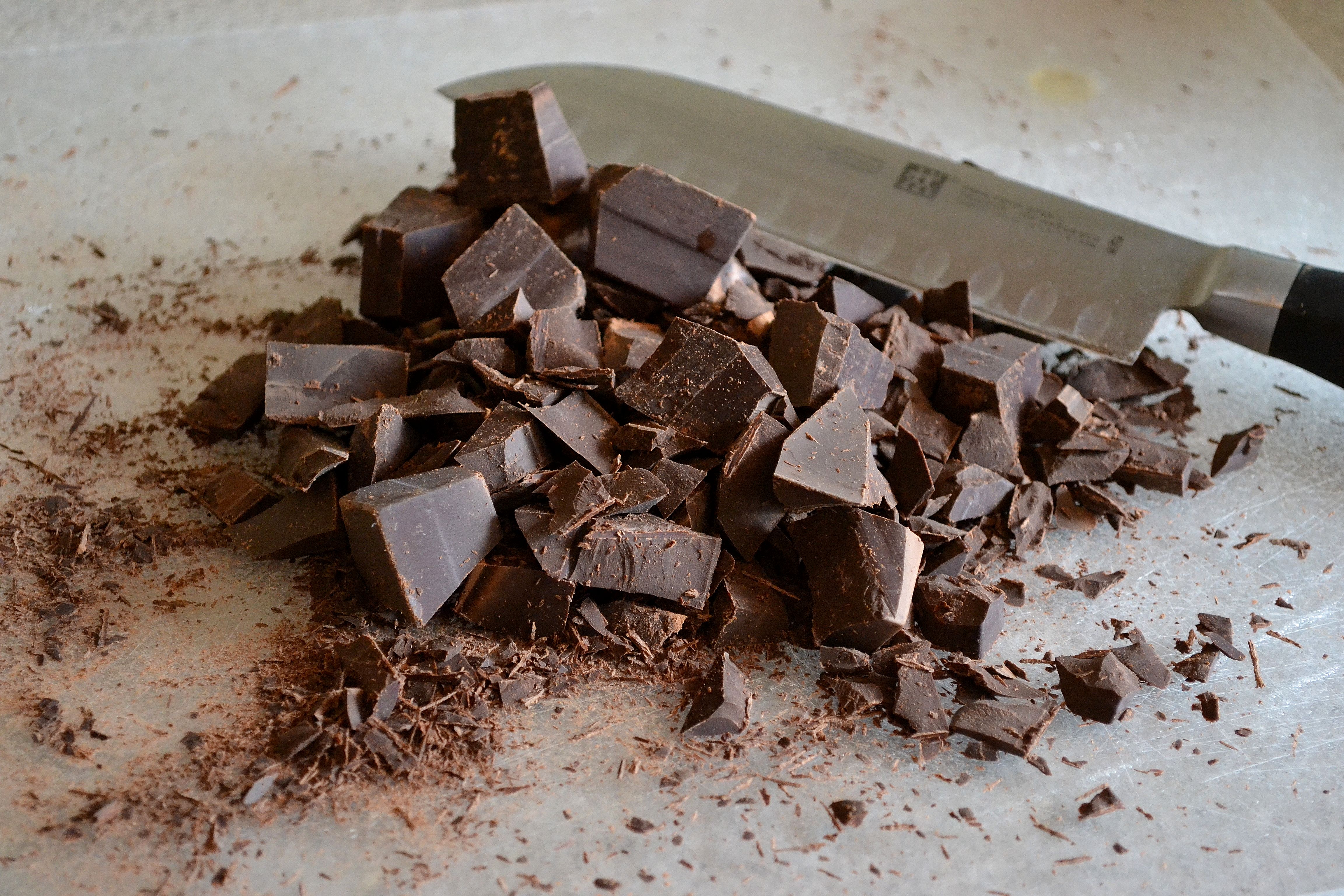 These next cookies are deceptive in appearance. To the common observer, they appear to be dark chocolate cookies with white chocolate chips; an “inside out” chocolate chip cookie, if you will. But a bite of the rich treats will reveal their true identity: brownies!
 For the purists who believe a bar-shaped brownie is the only acceptable way to enjoy this classic, I dare you to try these – they are fantastic! The white chocolate chips are optional, and can be replaced by any other add-in: pecans, M&Ms, etc. I found these on one of my favorite step-by-step food blogs: The Hungry Mouse (fabulous photos!) I made no changes, and they turn out perfect every time (melted chocolate + cookie batter rarely fails to please). You can find this mouthwatering recipe HERE.
 Sticking to the theme of nostalgia, I wanted to choose a piece that had been near and dear to my own childhood. Knowing that very few kids are exposed to the piece I’m dying to showcase on this blog (Stravinsky’s Rite of Spring – coming soon!), I had to be realistic and reflect on my own musical memories. As always, Disney came to my rescue – their 1946 production of Peter and the Wolf was undoubtedly a classical moment inherent to my childhood. The orchestral music is originally by Sergei Prokofiev: “one of those pure-hearted artists who…had a vivid, uncanny remembrance of childhood.”** Optimism and integrity are prominent qualities in Prokofiev’s writing (and yes flutists – the Prokofiev Sonata in D Major will be showcased here eventually). In the meantime, I’ve included two YouTube links. The first, in my opinion, is the better recording of the two: it’s a more theatrical production performed by the Chamber Orchestra of Europe and Claudio Abbado (amazing combination), with none other than Sting as the narrator (though the Patrick Stewart rendition is priceless: trekkie-in-training with TNG). The second video I had to include: it’s the original 1946 Disney production with the amazing Sterling Holloway as narrator (voice of Winnie the Pooh). Enjoy!
1) http://www.youtube.com/watch?v=jzjIlni8_qg
2) http://www.youtube.com/watch?v=ILI3s7Wonvg&feature=related
Sources Cited:
* Olver, Lynne. “Cookies, Crackers, & Biscuits.” TheFoodTimeline.com
**Nestyev, Israel V. Prokofiev. Stanford University Press, 1961.








 THE CLASSICAL KITCHEN