Summer Lovin’

Whether it be a picnic or a movie night, no summertime hang is complete without chips and dips. I’m not talking about those prepackaged salsas you can buy year round at the local corner store – I’m talking about dips that feature the fresh, colorful harvest of this season. Though the former is more convenient, the flavor and depth o the latter is far more enjoyable. I had a group of friends over the other day to watch one of my favorite Pixar films, Toy Story 3, and I decided to make two seasonal favorite of mine: Guacamole Auténtico and Mango Salsa.
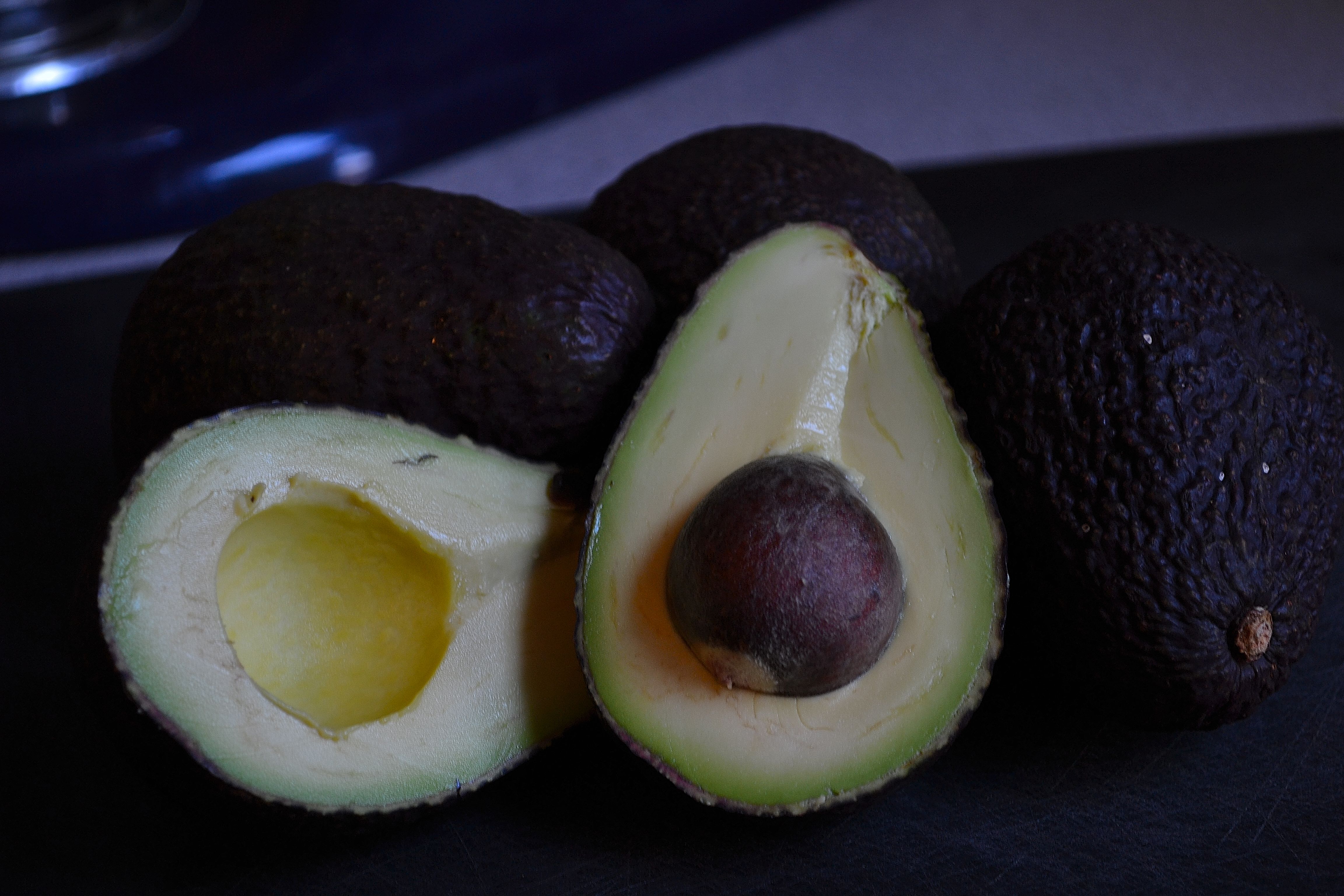
The taste, health benefits, and overall aesthetic of the vibrant avocado has made it one of summer’s most beloved fruits. The word avocado comes from the Spanish term aguacate, which had been a simplification by Spanish explorers of the original Aztec name “ahuacatl.” Ancient cultures believed the fruit to be a symbol of fertility and passion (given its suggestive shape). Today, it is still seen as a natural aphrodisiac due to its nutritional benefits and rich taste. Though there are signs of cultivation dating back to 500 B.C., the avocado wasn’t introduced to the states until 1871 in Santa Barbara. California still stands as the number one producer of the nation’s avocados, accounting for 90% of the total crop. Fun Fact: an avocado tree in California can produce as many 500 fruits per year – that’s 200 pounds of avocado!*
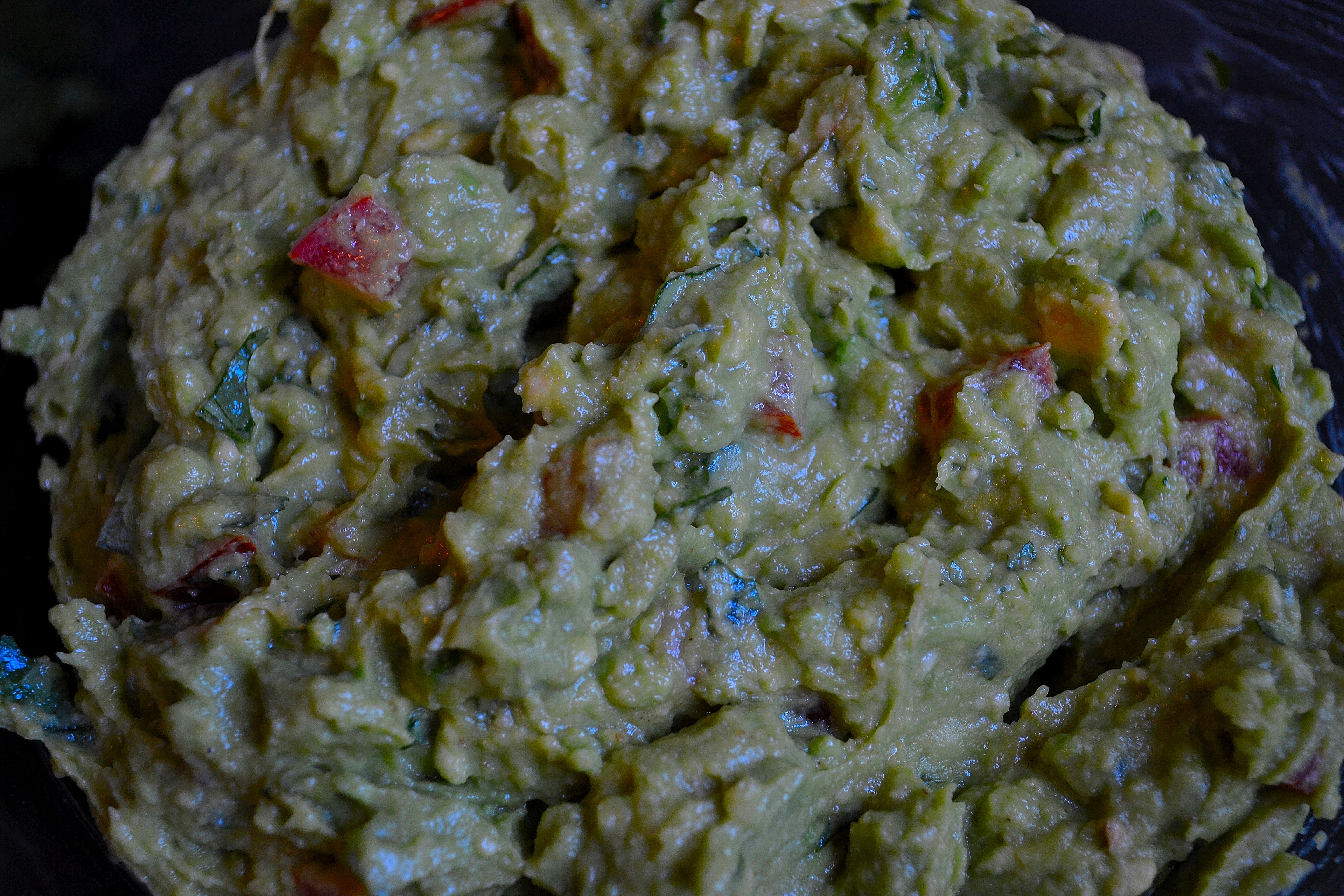
This guacamole is a knockout, and I recommend using only the freshest of ingredients for it. The only thing I omit is the hot sauce given that it feels like a slightly less “authentic” ingredient. I also use jalapenos in place of the serranos to tone down the heat for those less predilection towards spicy fare. Although many purists would be furious at the inclusion of cumin, the slightly earthy flavor it provides with a touch of spice is a perfect complement to the avocado (as an added bonus, many Arabic cultures see cumin as a symbol of love**). This is a delicious guacamole, and comes together in no time – click HERE to learn how to make this summer standard.
When most hear the term salsa, they think tomatoes – I imagine very few picture mangoes as part of the equation. The mango, like the avocado, is another pitted fruit. Originating in Southeast Asia, mango comes from the Tamil term “mangkay.” The mango is featured prominently in this region, serving as the national fruit of India, Pakistan and the Philippines. The mango, like the avocado is seen as a symbol of love and fertility.* Hindu culture uses mango leaves as decorations in doorways for weddings and religious ceremonies.^ This salsa is almost a simplified version of another variety I’ve featured on this blog. Like guacamole, the mango is the main ingredient, with a few other flavors and textures to provide body. This was surprisingly addictive, and not terribly spicy due to the mango’s sweetness. Click HERE to learn how to make this twist on salsa!
Given that these are both fruits symbolic of love, I thought it would be appropriate to choose a musical selection to match. I decided to go literal with this one, and chose Franz Liszt’s Liebesträume, or “Dreams of Love.” These three solo piano works are based on love poems Ludwig Uhland and Ferdinand Freiligrath: “Hohe Liebe“, “Gestorben war ich,” and “O Lieb, so lang du lieben kannst.”Liszt simultaneously composed song equivalents for these three poems, though these (unlike the piano solos) are rarely performed.^ Each piece represents a different type of love: exalted love, erotic love, and unconditional love. The most famous is No.3, which many simply refer to as “Liebesträum” (despite it being the title for the entire set). I have included a recording of this work, performed by Evgeny Kissin. Enjoy!


Sources Cited:
* “California Avocado History” Avocado.org http://www.avocado.org/california-avocado-history/
**”Cumin Seeds.” The World’s Healthiest Foods http://www.whfoods.com/genpage.php?tname=foodspice&dbid=91
^http://www.allaboutmangoes.com/about_mangoes/about_mangoes.html
^^http://en.wikipedia.org/wiki/Liebesträume

A Match Made in Heaven

Peanut Butter…Chocolate…has their ever been a more perfect pair? The brilliance of combining the two borders on genius, and has captivated dessert lovers for generations. I’ve made these particular cookies several times, and they are always foolproof (and disappear in a matter of minutes). I can’t say enough about these mouthwatering cookies, and can guarantee that almost everyone will love these Peanut Butter Cookie Cups.
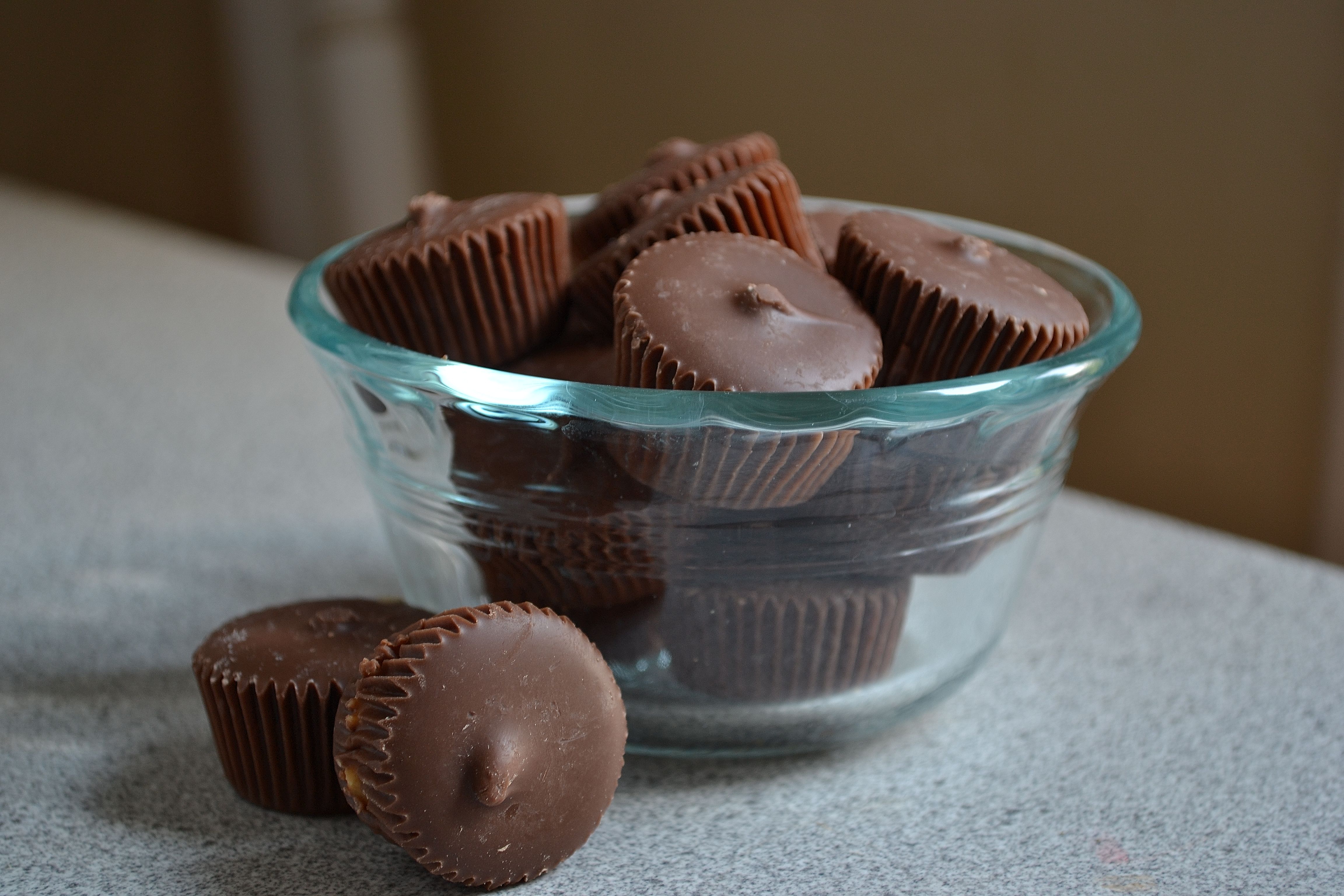
It’s thanks to Harry Burnett Reese for making “two great tastes that taste great together” a reality. Reese, a dairyman and shipping foreman for Milton S. Hershey (yup, this guy) invented the Reese’s® Peanut Butter Cup in 1928. He went on to create his own company as the addicting candy became more and more successful; Hershey®’s purchased rights to the brand years later.* Fun Fact: For those of you who can’t get enough of this perfect pairing, Reese’s® apparently creates enough peanut butter cups to provide every person living in the United States, Japan, Europe, Australia, China, Africa, and India with one cup per year!**  It should be noted that while Reese’s Peanut Butter Cups are ideal, other brands can be used (I, for one, used the Trader Joe’s brand – shown in the photo above).
These cookies are fairly simple to make, though timing is everything – it’s absolutely crucial to have the candies unwrapped and chilled in the freezer for at least 30 minutes prior to baking the cookies. Otherwise you will have nothing more than a melted mess of Reese’s (despite how delicious melted Reese’s may seem, you don’t want to be cleaning that off your kitchen counters – this is from experience). Though you will hate the wait, allowing the cookies to cool for the appropriate amount of time is very important as well. So stop debating about whether or not to bake these – click HERE to get started on these awesome cookies!
The idea that peanut butter and chocolate are a “match made in heaven” evoked, for me, the romance of Robert and Clara Schumann. Schumann was a 19th century German composer, best known for his piano works and lieder, or songs for voice and piano. Clara inspired much of Robert’s writing, who said the following on his inspirations: “You write to become immortal, or because the piano happens to be open, or you’ve looked into a pair of beautiful eyes.”^ Robert fell in love with the piano virtuoso when she was only 15, and they were married 6 years later. Their love still stands as one of the greats in classical music history. For this pairing (thanks to Tim Wilfong!), I chose the song Widmung from Myrthen – a collection of songs dedicated to Clara. This recording is by coloratura soprano Diana Damrau, and is a beautiful interpretation – enjoy!
http://www.youtube.com/watch?v=3QpChVbsPm8&NR=1

Sources Cited:
* “Reese’s Peanut Butter Cups” Wikipedia.com 
** Reese’s Website 
^ “Robert Schumann: A Romantic Hero.” NPR.org 
# “Robert Schumann” Wikipedia.com 

Redefining the Limits of Brilliance

This dish was my first time cooking with flank steak – given it is a much leaner steak than your standard T-bone, I was extremely nervous about how to make the most out of this cut. I had two options – simply cooked then covered it with a sauce, or a marinade. I went with the latter, and thank God I did! If you remember from my previous post, I’m not a big meat eater, but this steak was amazing! Not only that, it fit beautifully into my “get-rid-of-all-that-leftover-OJ” efforts (like this orange cake had from a previous post). If you like steak, but don’t want to shell out big bucks for it, I highly recommend giving this Broiled Flank Steak with Citrus-Honey Mustard Marinade a shot!
Flank steak comes from the abdominal section of a cow, making it much leaner and tougher than your more expensive cuts (i.e short loin, chuck, etc). For quite some time, it was seen as a “cheap, unreliable cut.” Yet that opinion has drastically changed given flank steak is easy too cook, arguably healthier than your fattier cuts, and extremely versatile in cooking method and flavor options. Cutting the steak across the grain is key to help break down the fibrous muscle of the meat, giving you the most tender result. Marinades really bring out the potential of this cut, and the longer it sits the greater the taste. I learned the above method of placing a ziploc bag in a bowl from SimplyRecipes – it ensures even coating with little to no mess.
This marinade…wow was it good! It was on a complete whim, actually – I was cleaning out some old magazines and saw a SouthernLiving grilling edition. There were two pages devoted to marinades, and seeing as how I have so much OJ to spare this one was perfect! The coarse-grained mustard is essential – you can use Dijon, but it won’t have the same intensity. This marinade would probably be great with chicken or fish as well (something I am definitely planning on trying); I didn’t change a thing with the recipe.
Given the lack of grill, the broiler was the way to go (as you can remember from my previous post). If you don’t have a broiler pan, I wouldn’t recommend using your cookie sheets; they will warp/darken considerably. A broiler pan ss a worthwhile investment if you like grilled food and have apartment limitations. Cast iron works great too, of course 🙂 The key to serving flank steak is cutting it into thin slices – it capitalizes on the meats tenderness, and makes for a beautiful presentation. This has definitely become my new go-to cut of steak for a large crowd – it’s fast, tastes great, and has less than 10 ingredients! We had pasta and steamed vegetables as sides for the steak. Click HERE to learn how to make this dish a staple in your own cooking repertoire.
In keeping with my OJ theme, I also made a Orange & Fennel Salad with Citrus-Shallot Vinaigrette. The reduced orange juice gives the vinaigrette a potent richness, needing only a touch of honey to even out the taste. It’s such a simple recipe, yet makes a fantastic salad – click HERE to find out how to make it.
For the pairing of this dish, I wanted to piece that would complement the depth of flavor these two dishes possess: colorful, yet potent. It drew my to Strauss’s renowned tone poem Don Juan, Op. 20. The work launched a 25-year-old Strauss to international success. Regarded as Strauss’s “coming-of-age” masterpiece, Don Juan displays an orchestral valor that far transcends the conservative writing of his youth. This shift of style was a direct result of Strauss’s aquaintance with fellow composer Alexander von Ritter.* Ritter’s influence led to Strauss’s pursuit of the “tone poem,” or an orchestral work that evokes a story, landscape, or other non-musical art form, and is one continuous movement.** For a work that is not even 20 minutes in length, this tone poem is replete with emotional depth and poetic grandeur, thus my pairing. I’ve included here a recording with Bernard Haitink and the Royal Concertgebouw Orchestra – it is in two parts, and I strongly recommend listening to the entire thing. Enjoy!

Sources Cited:
* Rodda, Dr. Richard E. “Don Juan,” The Kennedy Center website 
** “Tone Poem,” Wikipedia.com 

Some Like it Hot

If there is one truth about the food I love, it is spicy – crushed red peppers and/or tabasco are two items that are always available in my apartment. I don’t always cook elegant fare for myself, but a dash of heat can bring almost any dish to life; there are exceptions, of course (like breakfast cereal – NEVER try this). I was cooking a meal for two of my girlfriends and wanted to put a little extra kick in the meal. It was then I remembered my upstairs neighbor Tim Wilfong had given me a bag full of Thai chilies – perfect. After endless internet queries and comparisons, I decided to make the following dishes: Asian Chicken Lettuce Wraps with a side of Spicy Asian Roasted Broccoli & Green Beans
Let’s talk about chili peppers briefly – they are classified as fruit, though are obviously not utilized for their sweetness (the bell pepper is the one exception, and certain spicier cultivars do have a tangible sweetness). That spicy kick we get from peppers comes from the compound Capsaicin – when ingested, capsaicin will cling to our oral pain receptors, thus increasing our heartrate and causing perspiration. The amount of caspaicin present in a pepper is measured in Scoville heat units, or SHU. To give you some context: a bell pepper has 0 SHU, the jalapeño has 2,500 – 5,000 SHU, and the habanero has 300,000 SHU. The Thai chili peppers I used stand at 50,00-100,000 SHU – while it’s no habanero, it still packs some serious heat.*
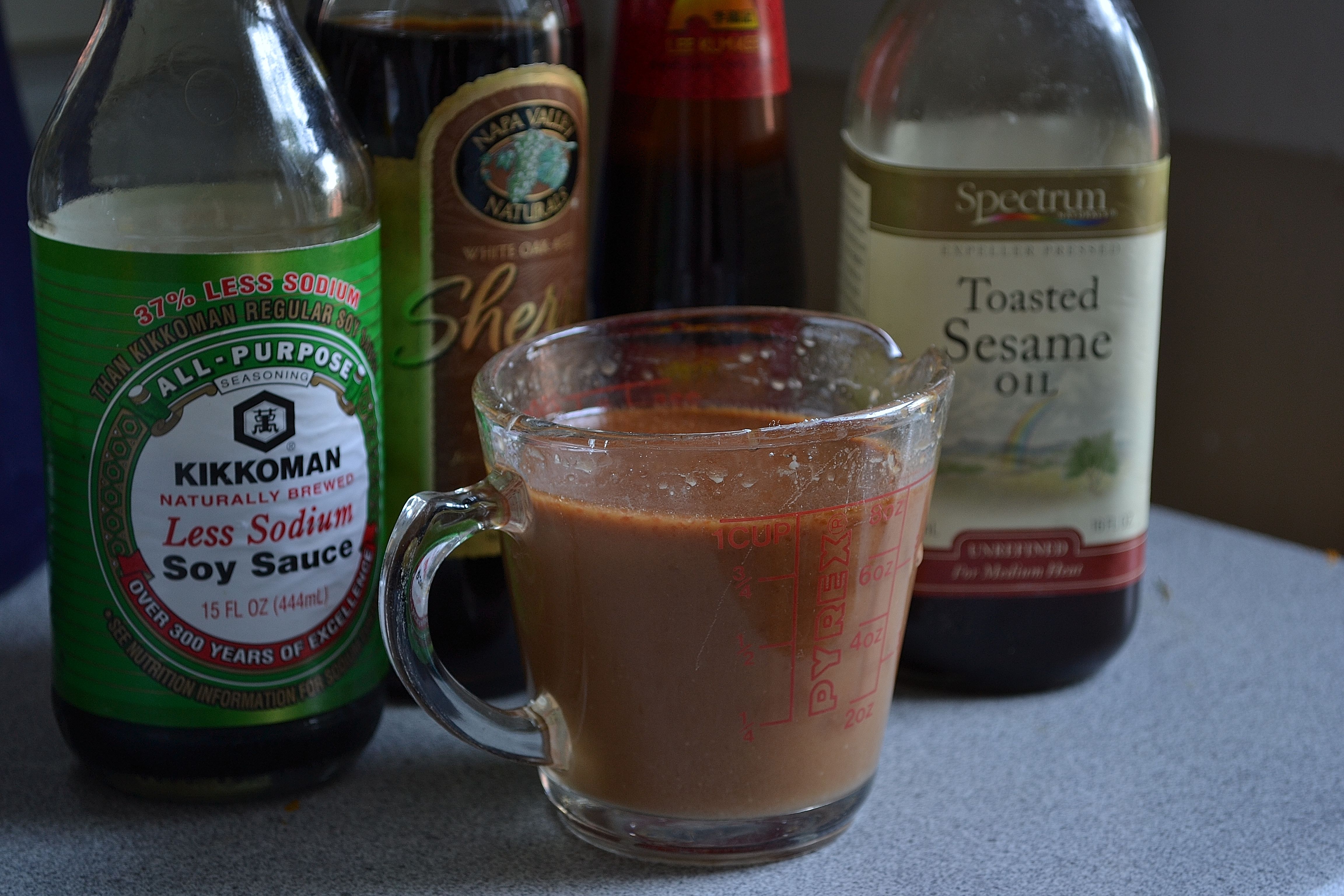
These lettuce wraps were inspired from the P.F. Chang’s classic – though I adore the original, I wanted something a little less “heavy.” I found FoodNetwork’s “Almost Famous” edition of the wraps, and made a few adjustments to create a slightly healthier version. Of course, I swapped the jalapeño called for with a Thai chili. The stir-fry sauce is simple, yet gives this dish its “authentic” taste. It originally called for a tablespoon of hoisin, but I swapped that with ketchup (not the same I know, but it was the next best thing to get the sweet, tangy factor I wanted); I also used dry sherry in place of the rice wine.
These wraps are quite messy, but I can guarantee you’ll be dredging up every last ounce of it(even if you’re stuck using tiny pieces of lettuce to do so!) I omitted the shiitake mushrooms given their exorbitant cost, and even though I love mushrooms, they were not missed. The water chestnuts, though, are crucial – they are the “texture factor” of this dish. The recipe says it serves four to six, but I’d safely say no more than four given that three small women practically killed the entire thing ourselves. To see how to make these addiciting wraps, click HERE.
This dish…oh my GOD was it good! I mean, these vegetables would have any stickler coming back for seconds. I wouldn’t omit a thing from the recipe (maybe the cilantro, but still). I was caught by surprise on the day of with the miso paste. My initial reaction was to forget it, but I just so happened to have a packet for miso soup mix in my pantry. Granted, that’s miso powder and also has pieces of dried seaweed and scallions; but I figured that a simple sift and addition of water would be a great substitute for the paste; it worked almost perfectly. The Thai chilies are a must, but if you choose to leave them in for color (which I did), then DON’T let your guests eat them…unless they’ve eaten a habanero by itself before, but then I’d question your friend’s sanity. Click HERE to see how to make this showstopping side.   
In considering the Thai pepper, I began to think about pieces that could create the similar affect of increased heartrate and adrenaline. That brought me to the composer who can send any performer’s heartrate soaring: J.S. Bach. Though many consider Baroque to be “old-fashioned”, Bach’s music is in fact some of the most challenging of the classical repertoire. His works require a thorough understanding of the complex harmonies, innate phrasing, and technical demands. Whenever I stood on a stage to perform Bach, you could guarantee my heart was pounding – thus I chose a piece from my own repertoire: the Corrente from Partita in A minor for Flute Solo, BWV 1013. I chose this movement (second of four total) given its adrenaline-like pace; the title literally means “running.” The performer here is Emmanuel Pahud (man of my dreams), and as always it is a stunning performance. Enjoy!

Sources Cited:
*http://en.wikipedia.org/wiki/Chili_pepper

A Delicious Departure from Tradition

There is a common belief that egg dishes are meant for breakfast only – this couldn’t be farther from the truth. They are an excellent source of protein, cook in a matter of minutes, and pair beautifully with any possibly meal you can imagine. Perfect example: the ever-versatile frittata. Essentially a giant omelet, the add-in opportunities for this dish can be endless: vegetables, meats, cheeses, herbs, etc. I wanted a dish full of color, so I decided to make a Spinach and Bell Pepper Frittata.
Frittata is derived from the Italian term “fritto,” which means anything that is fried. Originally used to describe any type of egg dish that is cooked in a skillet (like omelettes), the term frittata has evolved over the past five decades to represent the dish we are familiar with today.* Unlike an omelette, it is served in individual pieces or slices, and is “open-faced” rather than folded over. Fun fact: there is a very similar dish to the frittata in Persian cuisine called the Kookoo (which is a cool name, so I had to share it).
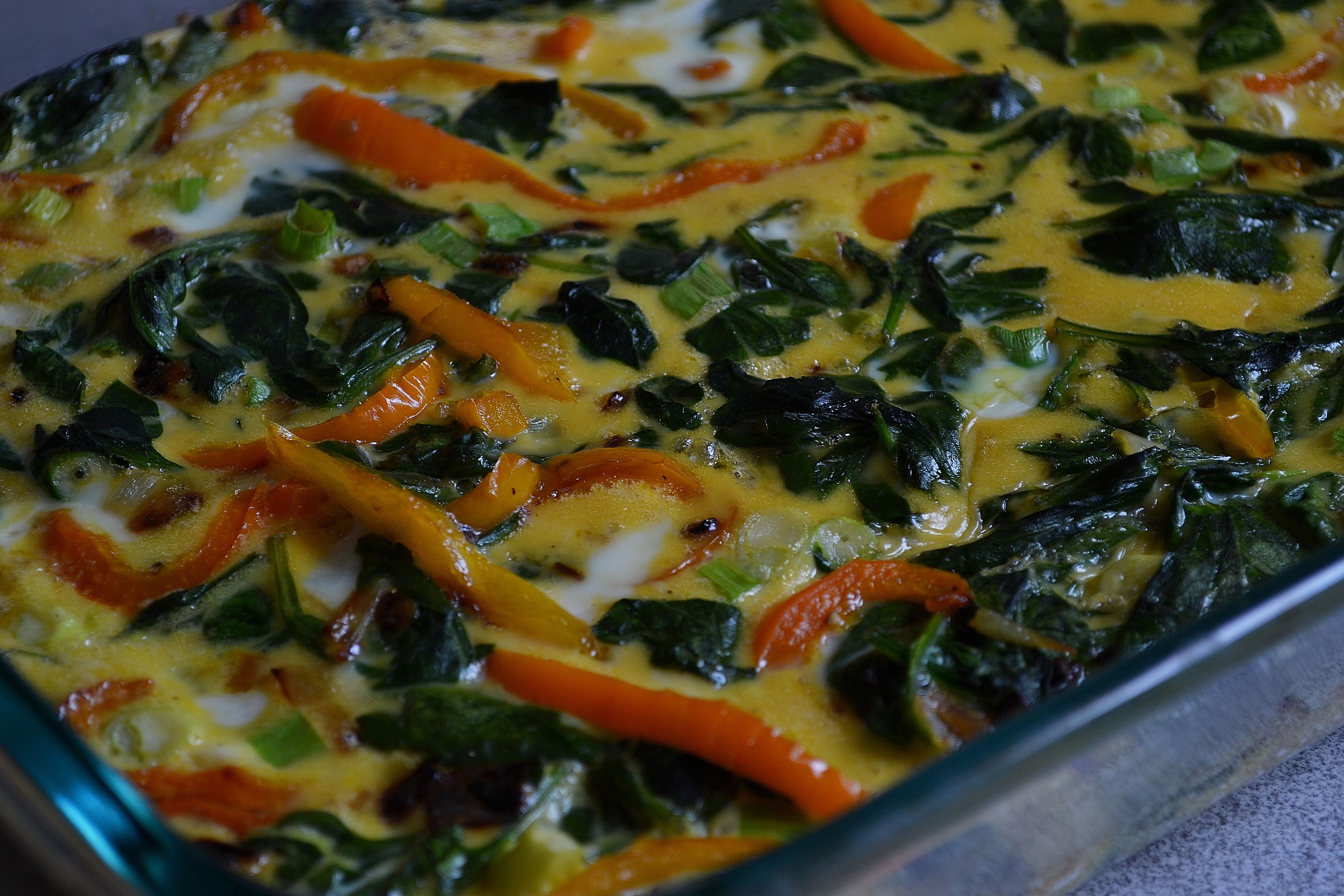
So frittatas are meant to be fried in a skillet…you can clearly tell from the photo that I didn’t fry this, much less even use a skillet (except for sautéing the vegetables). The “traditional” way is to cook the eggs in a large skillet, then invert the frittata onto a plate and slide it back into the pan to cook on the other side (or flipped entirely, if it isn’t too large). I DO own a cast iron skillet, so this could’ve been an option. A simpler but still somewhat traditional way is to put the eggs in the oven for the last 3 to 4 minutes of cooking underneath the broiler. My scenario: I was going to a cookout, and didn’t want to worry about slicing and storing and carrying this dish all the way across town. The solution was to bake the entire custard in a Pyrex 9×11 baking dish. I imagine the Italian recipe gods deplore this, but blame my need for an easy, last-minute dish that still could pack a TON of flavor. Regardless of method, this is an awesome dish and super easy to prepare – I modified it from a Gourmet recipe I found a while black. Click HERE to see my detour from the traditional frittata.  
Since I took a culinary detour, why not a musical one? That thought led me instantly to my piece of choice: Julie-O, by Mark Summer. I was introduced to it this past April at a school event, and it’s a cool little piece! Julie-O has become quite popular amongst cellists, and is ideal as an encore or within educational contexts. The work incorporates “non-traditional” techniques, like slapping the string board and left hand pizzicatos, to give it that “jazzy” feel. It also is quite short (under 3 minutes) yet still extremely colorful – “a lot of flavor in a short amount of time.” I’ve included a recording by the composer himself from the Perth international Arts Festival (sorry for the image quality, but such is my beef with YouTube). Though the original version is great, I had to include this second recording to push the “traditional” envelope one step further – this is by Kevin Olusola, who incorporates beatboxing into the piece (and just also happens to be a FANTASTIC cellist).

Summer: http://www.youtube.com/watch?v=DObjvcWvfwk&feature=related
Olusola: http://www.youtube.com/watch?v=T36A-H8dPhI

Sources Cited:
“Frittata,” Wikipedia.com.

Seeking Serenity through Tzatziki

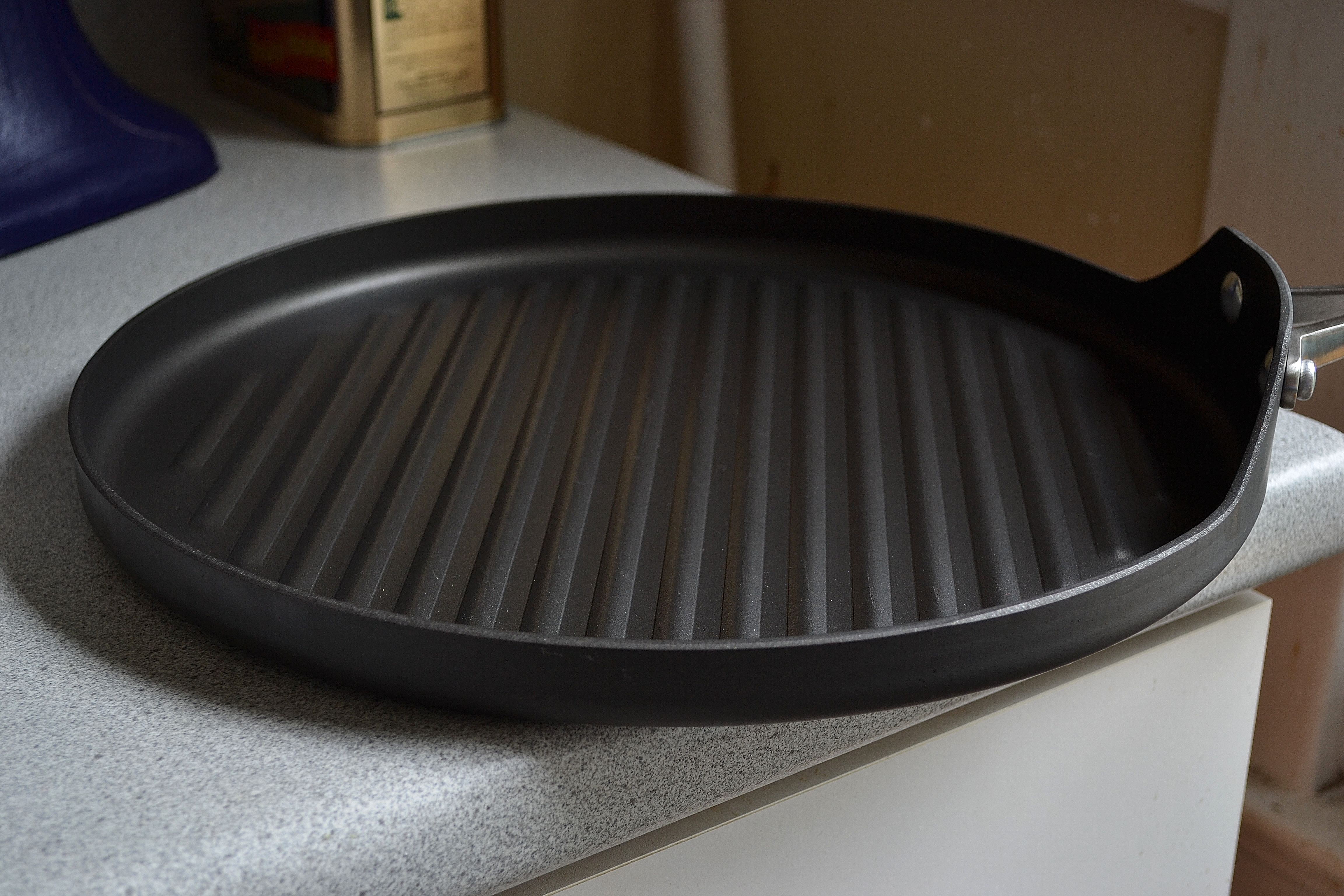
Had you told me 10 years ago that I would love the city life, complete with renting an apartment and relying on public transportation, I would have laughed. Yet here I am: living in Boston proper with a 2-bedroom apartment, and commuting daily to work on the subway, and loving every bit of it. That being said, it does have some restrictions – most notably, lack of a grill. So there’s George Foreman, or I could get a small charcoal and drag it out to the parking lot every time I want a steak; but neither really suits my own culinary finesse. Enter the solution: a grill pan. Now obviously the smoky taste of a true grill won’t be achieved, but it’s the next best thing. I just bought a 13-inch Calphalon nonstick grill pan (see below) and wanted to take it for a test ride. For its debut, I decided to make Pan-Grilled Salmon with Tzatziki.
While I am an avid user of cast-iron for meats, fish works quite well in the nonstick setting. Salmon is an oily, or fatty, fish – it thus takes slightly longer to cook. To create the perfectly cooked fillet, salmon is often removed from the heat just before it is fully cooked. This prevents the fish from drying out, giving it a beautiful texture. The result will be flesh that is slightly translucent in the center, and completely opaque around the edges. Like Tuna, salmon is a safe fish to eat undercooked, or even raw (NOTE: this only applies to fresh fish – read all labels and safety instructions beforehand).* Leaving the skin on the fillets prevents the fish from drying out; it can easily be removed with a long knife or spatula once the fish is done cooking.
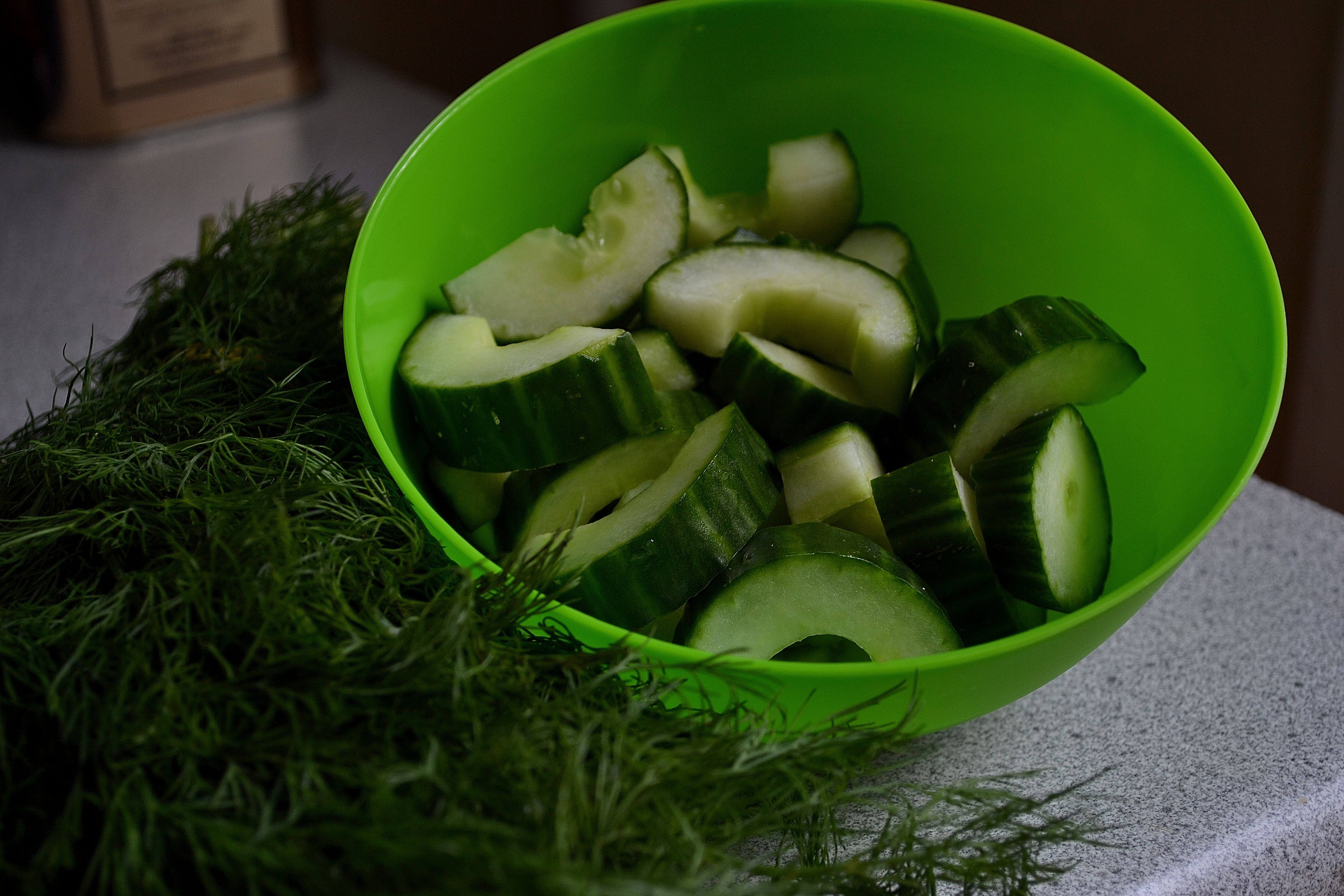
For this salmon, I chose to make Tzatziki: a Greek dish that consists of strained yogurt, cucumber, garlic, dill, and lemon; mint and parsley are optional add-ins (which I did not use). It is used in a number of contexts in Greek cuisine, from being served as a meze (appetizer) with dippers to serving as a sauce for gyros. Tzatziki pairs beautifully with salmon – the dill and lemon highlight the fish’s natural flavor, while the yogurt and cucumber provide an almost “spa-like” freshness. Greek yogurt is a must for achieving the right consistency of this sauce – I like Trader Joe’s brand, but Fage is another excellent variety. If you prefer to use regular yogurt, be sure to strain it for at least 2 hours (in the refrigerator) by placing the yogurt in a coffee filter over a large bowl. To learn how to make this lovely summer dish, click HERE.
The “soothing” flavors of the Tzatziki received my attention for this musical pairing, and Debussy’s Reflets dans l’eau was the perfect match. This work opens the series Images pour piano, though the three parts are often performed as individual works. This series was written just after the completion of La Mer (which was just featured on this blog). It evince many of the same harmonic qualities found in the orchestra piece, yet finds a more delicate ambience through poetic expression. Reflets dans l’eau translates to “Reflection in the Water,” and is meant to evoke a rippling effect.^ I’ve included here a recording by Jean-Yves Thibaudet (a French pianist for a French piece!) His interpretation is precisely the ambiance I hoped to capture with this dish. Enjoy!

Sources Cited:
*”Cooking Fish Fundamentals.” Rouxbe Cooking School http://rouxbe.com
**”Tzatziki.” Wikipedia.com http://en.wikipedia.org/wiki/Tzatziki
^”Claude Debussy.” Wikipedia.com http://en.wikipedia.org/wiki/Claude_Debussy

A Classic Dessert with a Twist

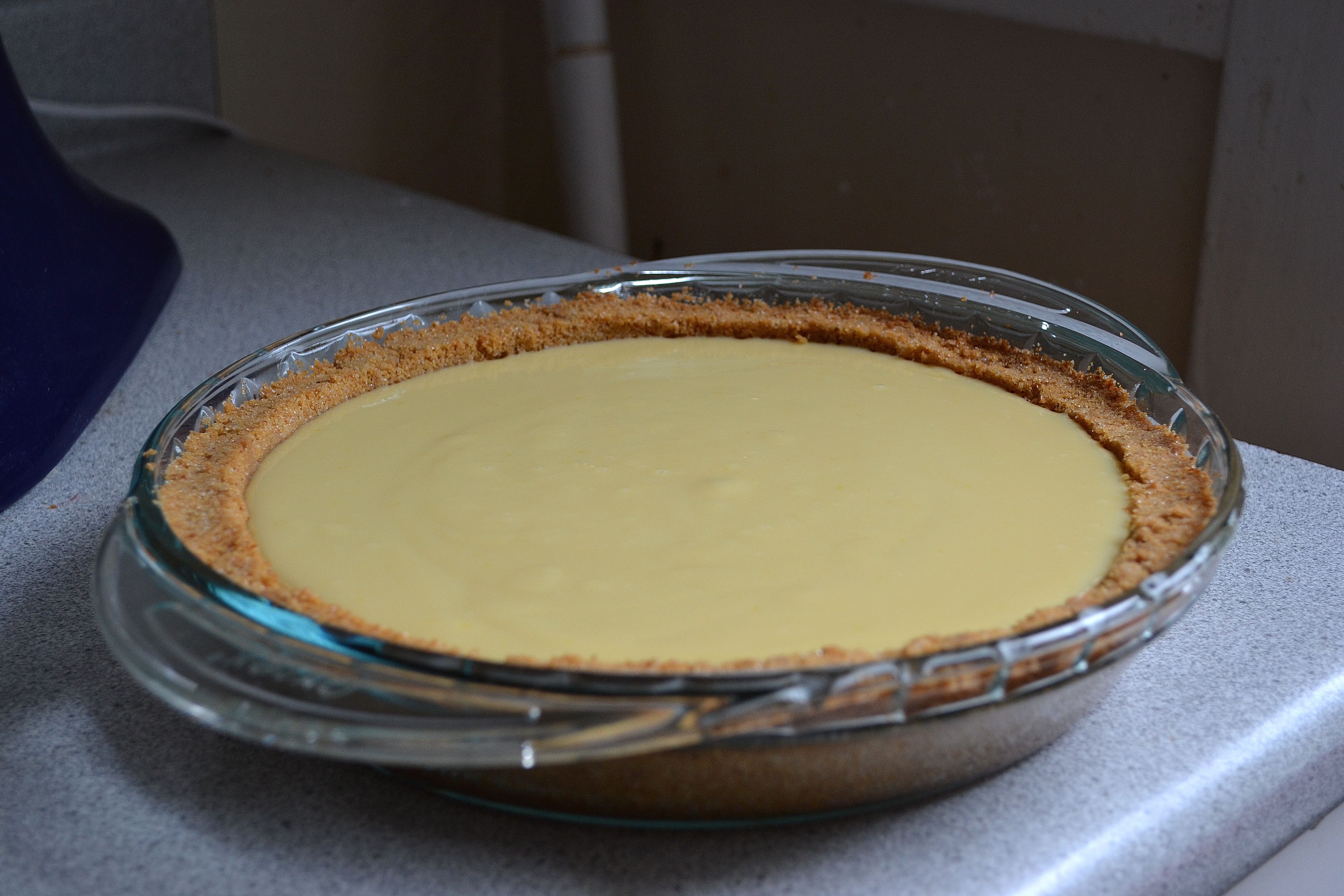
In case you didn’t notice, summer in Boston is one of my favorite times of year. The weather is almost always perfect (knock on wood), and the notorious audacity of Boston’s residents is temporarily replaced with a warm conviviality. Fall is lovely, of course, and the fist snow of winter can be breathtaking; but I can’t get enough of this beautiful season. My relish for hosting parties is tenfold, and friends/coworkers who are around for the summer become the guinea pigs of my culinary adventures. I hosted one party this past weekend that was your all-American standard: burgers, beer, chips & salsa, etc. The dessert was a classic that allowed my southern heritage to really shine: Key Lime Pie.
Key Lime Pie is named for the use of the Floridian Key Lime…okay I confess, I didn’t use actual Key Limes to make this pie. I used an organic brand of regular lime juice that I had on hand. The primary difference between these citrus cousins is color and flavor. Unlike conventional limes, Key Limes are noted for their bitter, tart taste and for having a yellow to light green skin. Native to Southeast Asia, the Key Lime was introduced brought by Spanish explorers to the West Indies. The Florida Keys became a prominent location of harvest for the fruit, with the term “Key” being added to differentiate them from the traditional Persian cultivar.* I decided to split the difference by omitting a tablespoon or two of sugar to achieve a more tart filling. Check out how to make this fabulous recipe by clicking HERE.
In pairing this dish, I chose to acknowledge Spain and its role in introducing Key Limes to North America. Spain is a nation rich with culture and history, and its composers bring that wealth of culture to their music. One example is the music of Isaac Albéniz – a Catalan composer, pianist, and conductor whose efforts were instrumental in promoting Spanish music abroad. He is most well-known for his piano works, many of which were later transcribed for the guitar.** such is the case with the selection I chose: Asturias, from Suite española, Op. 47. This suite consists of eight movements, each representing a different region in Spain. Several of these movements are performed on guitar more often than piano, including Asturias.^ This “reinterpretation” of the original composition further compelled me to pair this work with my own “reinterpretation” of the original recipe. The recording I have included is by John Williams: not “Star Wars” John Williams, but perhaps the guitar soloist of his generation. Enjoy!

http://www.youtube.com/watch?v=oEfFbuT3I6A

Sources Cited:
*”Key Lime.” Wikipedia.com
**”Isaac Albéniz,” Wikipedia.com
^”Suite española,” Wikipedia.com

Summer’s Finest: a Rich Delicacy

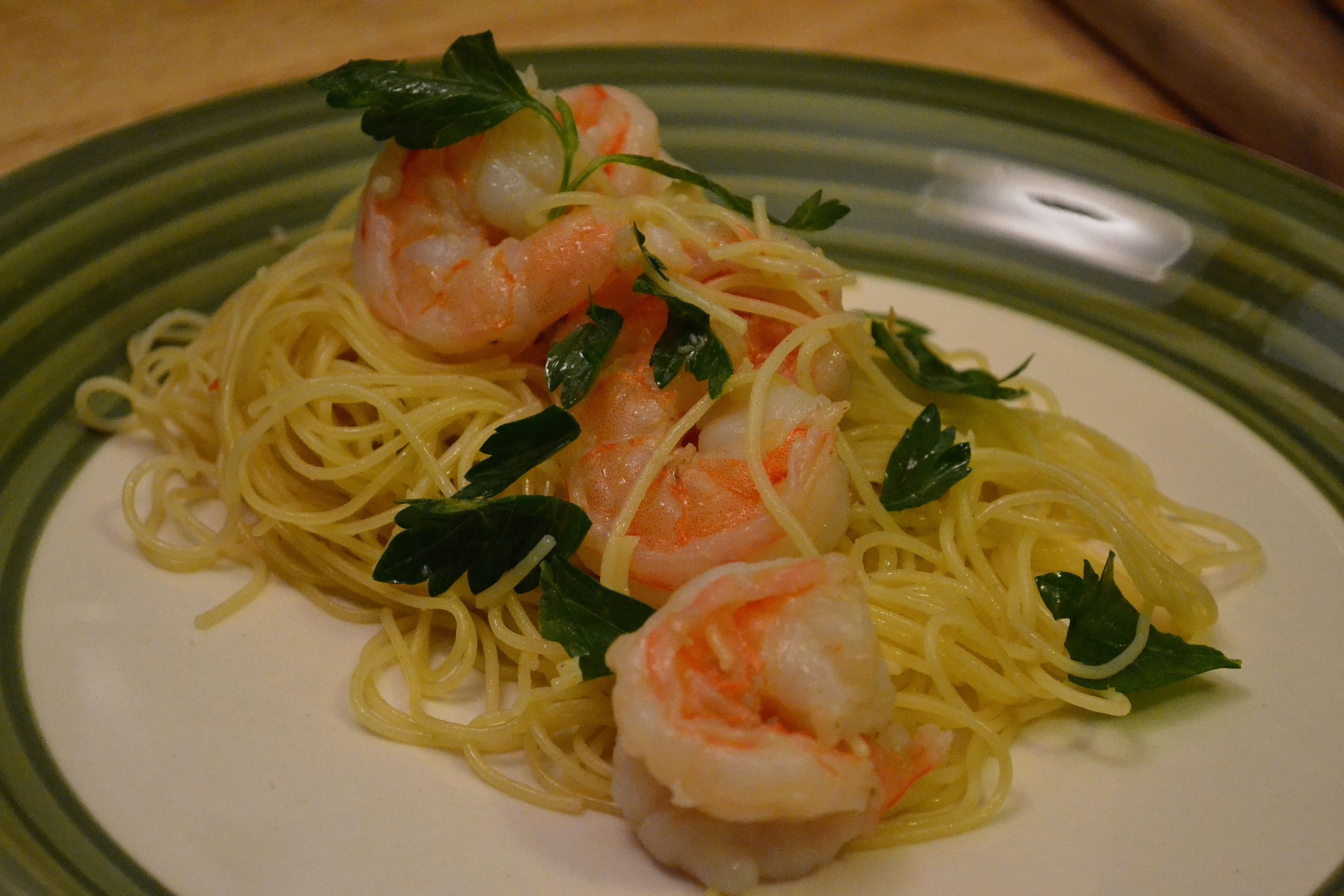
Summer: a season filled with the joys of nature and a fresh alacrity. Heavy coats and snow boots are replaced with classy shades and breezy shirts. Summer also sees rise to some of the year’s freshest, most lively tastes. The culinary possibilities are endless, though beating the heat can make them limited – dishes that take hours to cook (such as stews and braises) are the last thing anyone wants in 100-degree weather. This is especially true when hosting for a number of people. Such was the case a week ago while I was throwing a dinner party for a group of guys. I needed a dish that could be both light and filling. Such a anomaly led me to the ever-reliable classic, Shrimp Scampi.
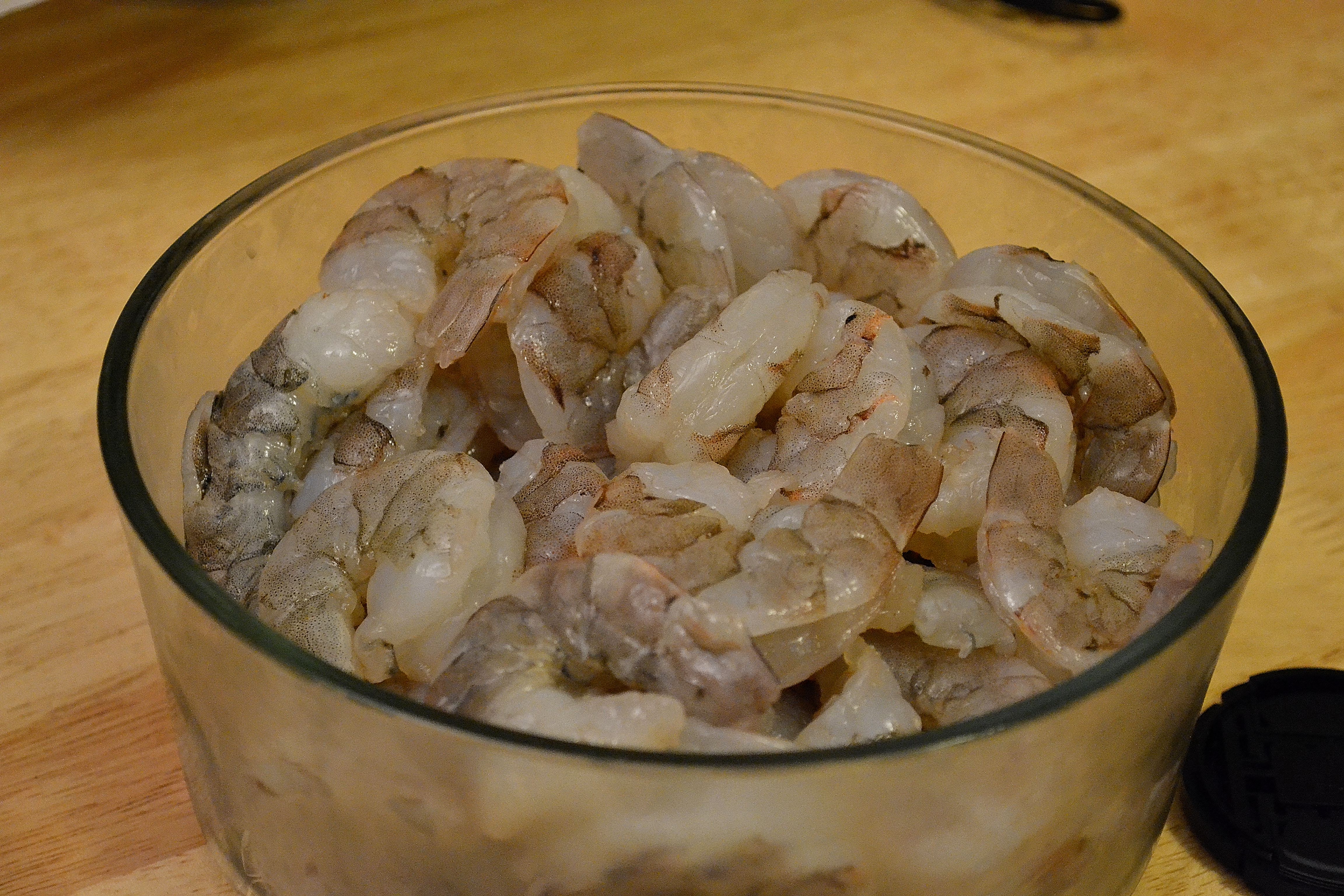
Shrimp and summer are as compatible as Fred and Ginger. The lightness of shrimp pairs beautifully with the seasonal timbre, and scampi is one of the simplest ways to fulfill this potential. The flavors are simple: garlic, parsley, lemon, and wine. This dish takes a matter of minutes to make, yet packs a LOT of taste! It is a complexity that is difficult to describe, as this dish achieves both a richness and subtlety of taste. The recipe I used for this had no pasta, just shrimp. This meal had to feed a group of guys, so I needed substance, and pasta can always take a meal that extra mile. In order to make enough sauce, I quadrupled the sauce with amazing results! I also added a pinch of red pepper flakes to give this dish an extra kick. Check out how to make this perfect summer entree by clicking HERE
For the musical pairing, I wanted to feature this dish’s seasonal charm, but also acknowledge its greater depth in flavor. The unusual blend of ethereality and substance fits beautifully within the style of Claude Debussy. The music of Debussy is characterized by harmonic freedom and tonal ambiguity, a “vagueness” that has often aligned his musical style with that of the Impressionists (though Debussy himself detested this term). One of his most renowned works is perhaps La Mer: “Three Symphonic Sketches for Orchestra,” composed in 1905. This work explores the lush, powerful nature of the sea, yet also captures its more delicate qualities. I have included a video recording of the first movement: “De l’aube à midi sur la mer” (From dawn to noon on the sea”).* The performance is by the Chicago Symphony, with Daniel Barenboim conducting (ps. 0ne of my favorite moments takes place at 5:15) – enjoy!

Sources Cited:
* http://en.wikipedia.org/wiki/La_mer_(Debussy)

The Compelling Lightness of Tuscany

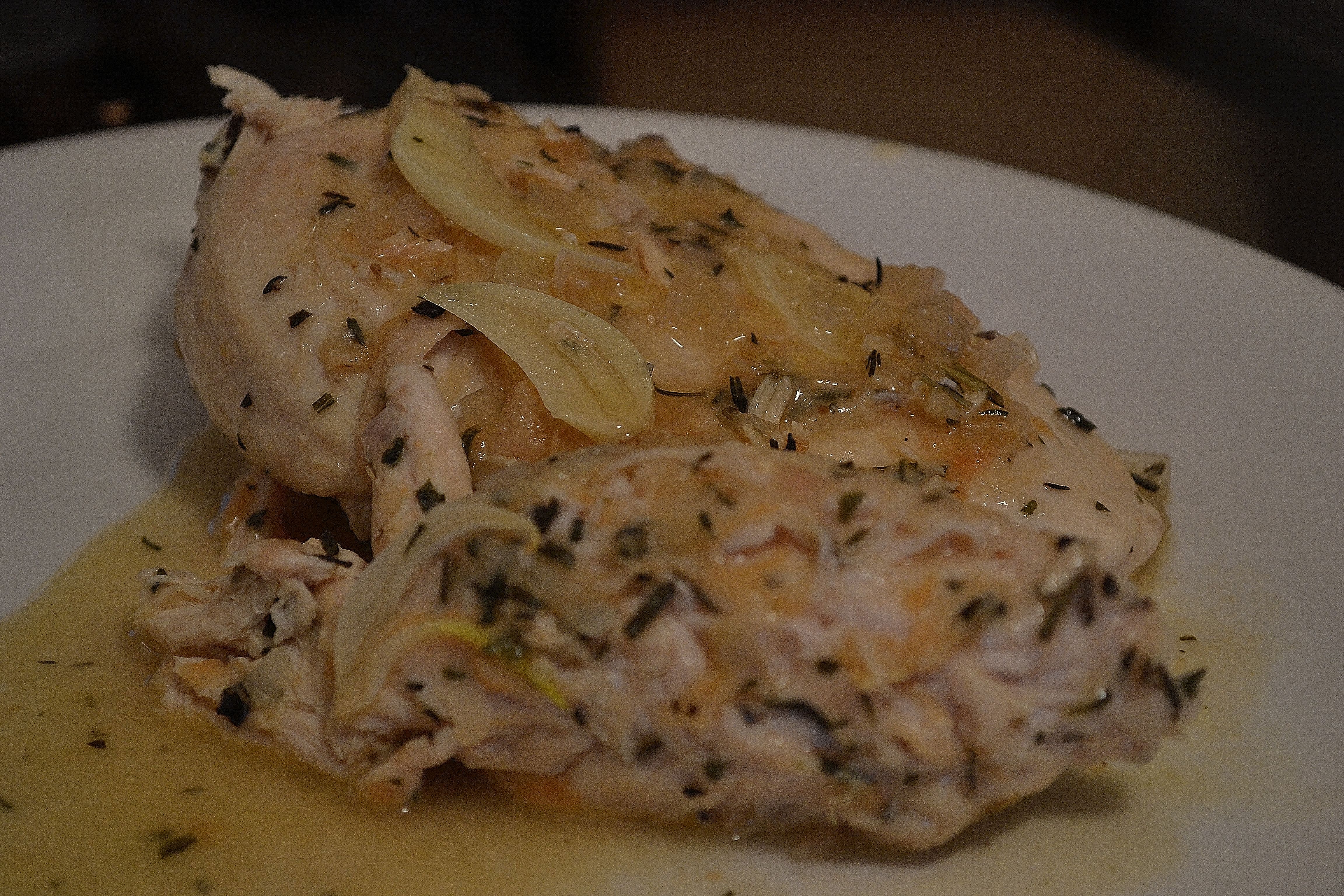
When one hears the term Monte Cristo, they think of either the classic tale by Alexandre Dumas or of the devilishly attractive James Caviezel (who starred in the 2002 rendition of the novel…I admittedly think of the latter) When placed in a culinary context, it is often in reference to a ham (or other variety of meat) and cheese sandwich that is then dipped in an egg batter and fried (a variation on the classic French sandwich Croque Monsieur). So when I found a chicken breast recipe titled “Monte Cristo Chicken,” you can imagine my surprise that it has no relation to either one of these precedents. As it turns out, this is one of my favorite chicken dishes to date, and just so happens to be extremely simple to make! Though there is no attractive count involved (unfortunately) and no deep-frying (thankfully), this Monte Cristo Chicken recipe has certainly lived up to its name.
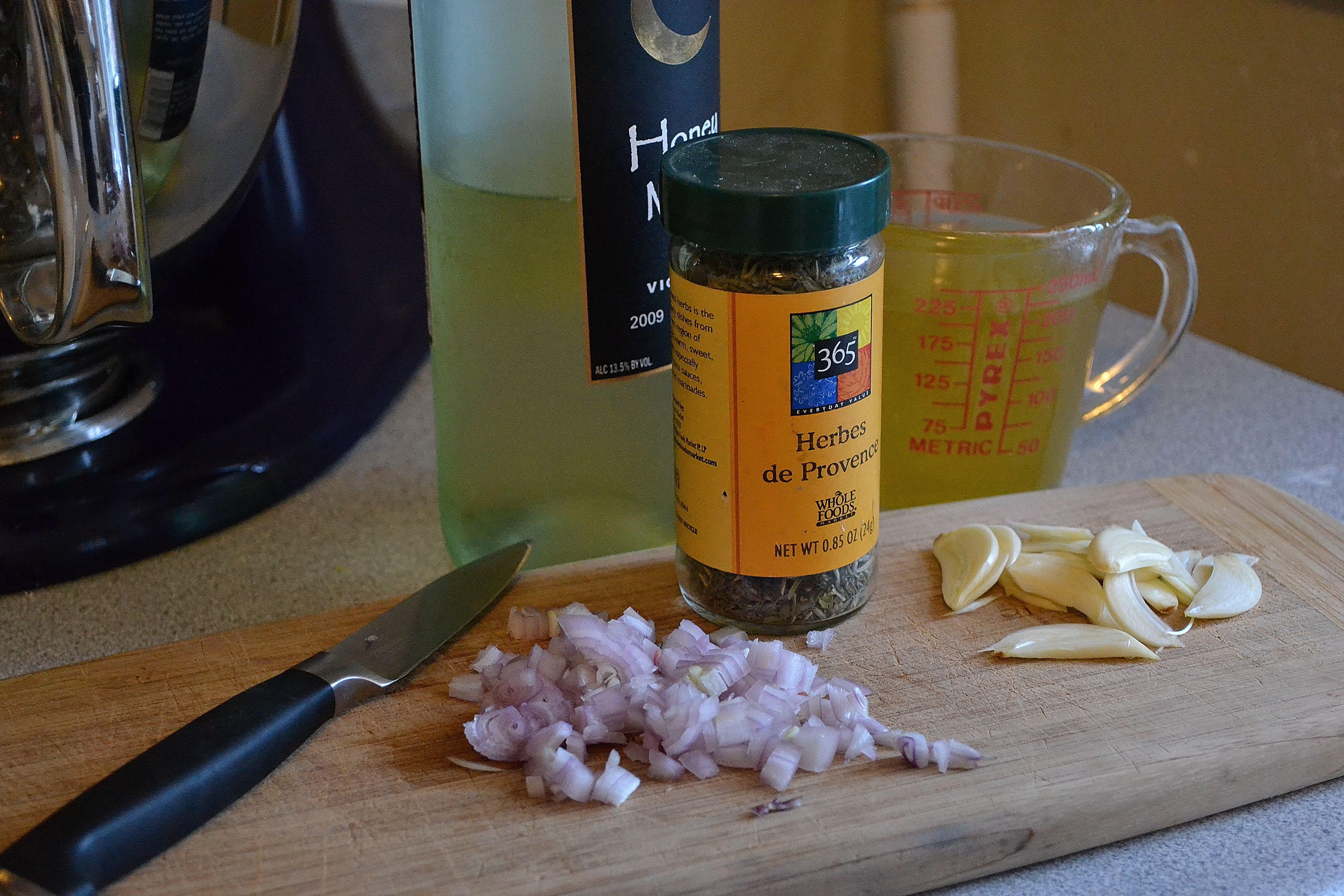
The actual “Montecristo” is a very small island off the coast of Italy, it’s literal translation being “Mountain of Christ.”* In trying to determing the connection to this dish, my best bet is its allusion to the flavors of Tuscany: Montecristo is within the Tuscan Archipelago*, and the majority of Tuscan food (I’ve experienced) has been notable for its simplicity. This dish most certainly is: lemon, wine, Herbes de Provence, shallot, garlic, and chicken stock are the flavors involved. The result is some of the most tender, flavorful chicken breasts I’ve ever tried. Herbes de Provence is a dried mixture of French herbs, including thyme, rosemary, savory, basil. etc. This is what truly puts this dish over the top. I imagine you can use any number of fresh or dried herbs its place, but it won’t have nearly the same effect.
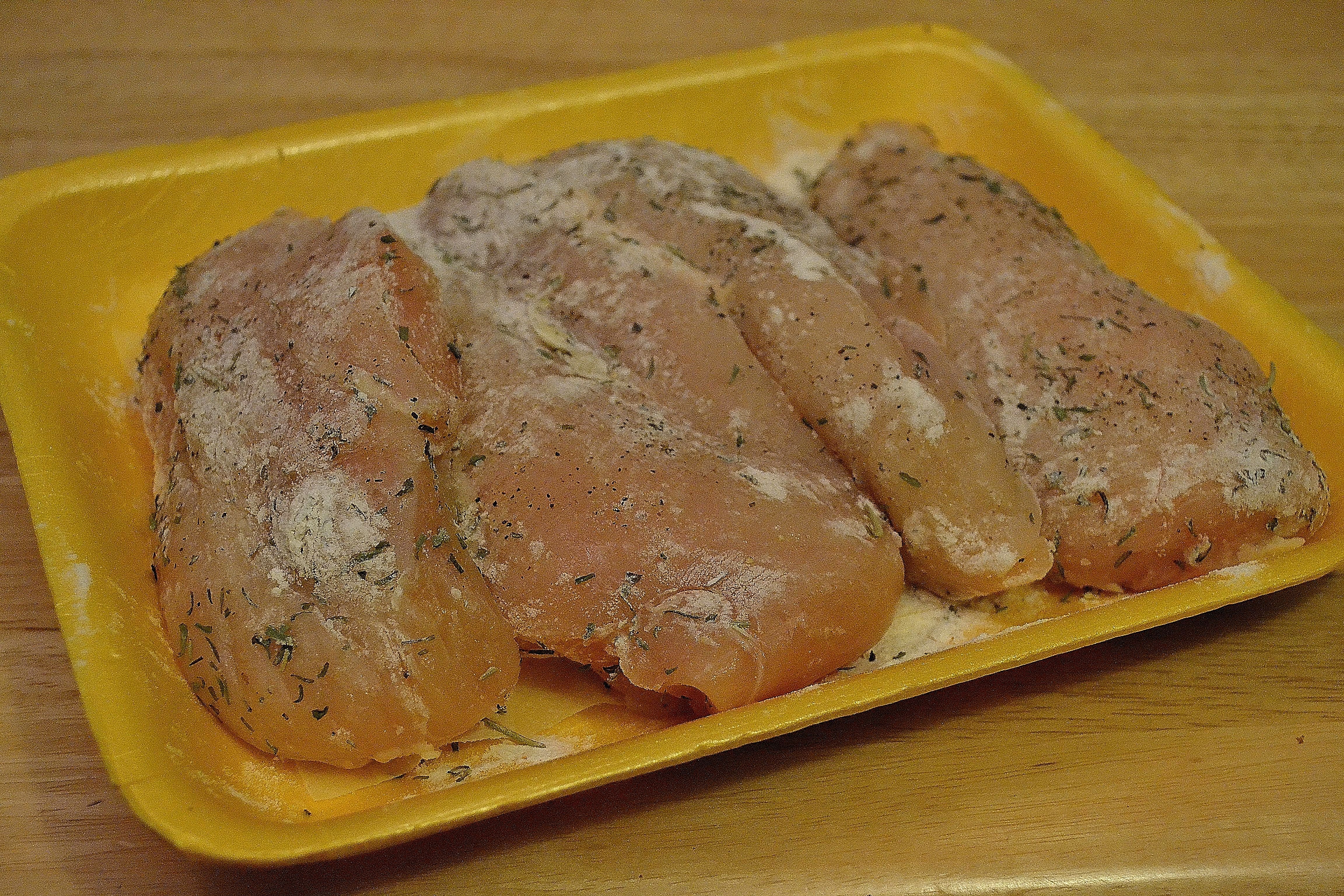
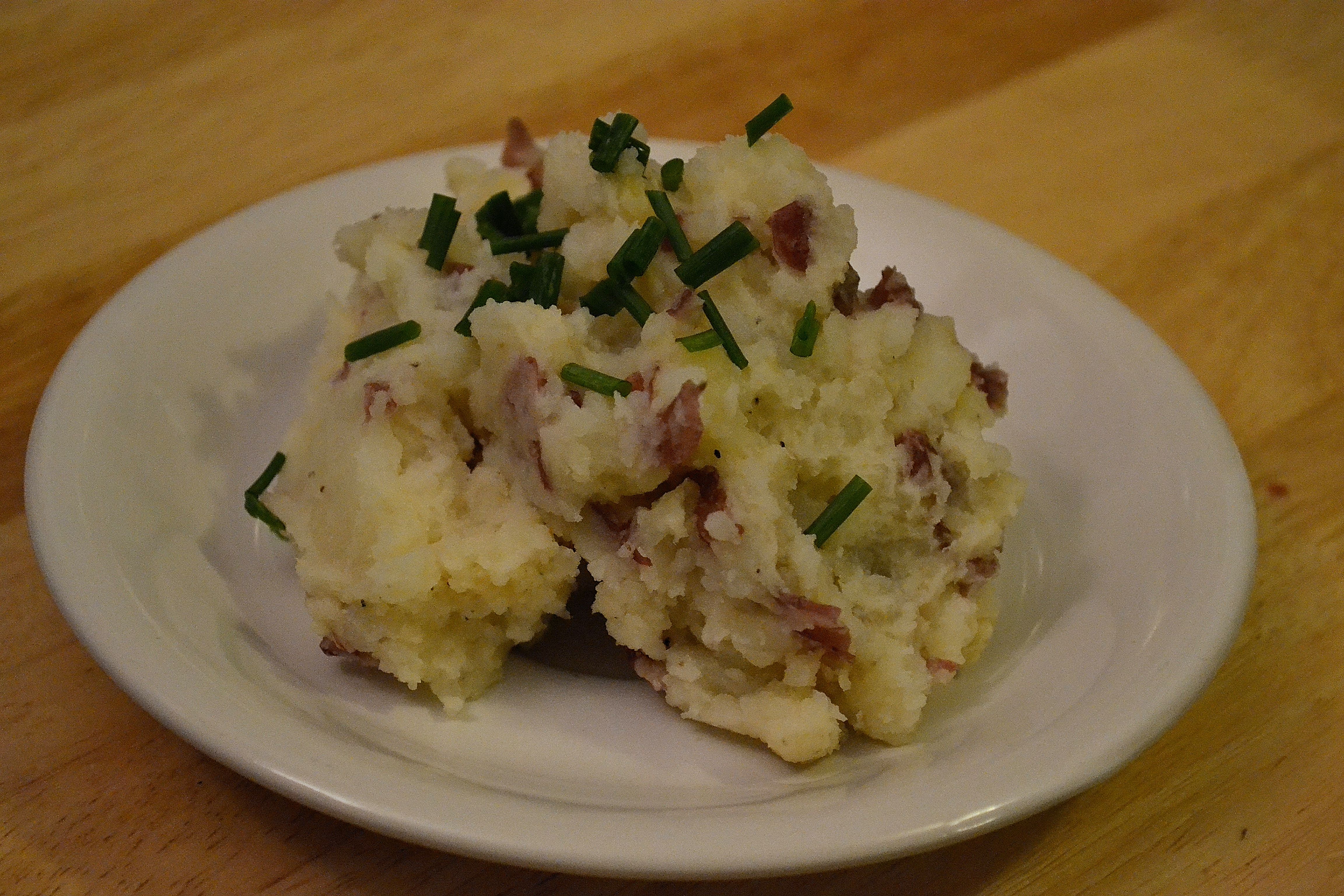
In terms of preparation, I make much more of the sauce than what the recipe creates – it’s an amazing sauce! I nearly quadruple the original recipe. Rather than sprinkling the flour and herbs, I mixed them all together on a small dish and coated the chicken accordingly. I omit the lemon zest, but it would make a pretty presentation no doubt. Click HERE to see my rendition of this delicious recipe. In addition to spinach, I also made a very simple yet delicious side of Roasted Garlic Mashed Potatoes. Click HERE to check out this recipe. 
Given the Tuscan heritage of this dish, I decided to focus on one of Tuscany’s most celebrated composers: Giacomo Puccini. His operas have become standards of performance repertoire, with classics such as La bohème, Tosca, and Turandot. While these works are true masterpieces, their breadth of emotional intensity is too overwhelming for this dish. A meal that takes under 20 minutes and has only 10 ingredients won’t do justice to a work that can bring even the strongest of men to tears. That was when I remembered another gem of Puccini’s that would be perfect: the one-act opera Gianni Schicchi. This work, based on the Dante’s Divine Comedy, is much lighter in character and shorter in length. It is the third and final installment of the series “Il Trittico.” Gianni Schicchi is the most famous of the three, and has one of the most famous soprano arias: “O mio babbino caro.” The aria is sung by Lauretta (daughter of Gianni Schicchi) imploring her father to approve of the man she loves.* Here is a great recording of the aria, with soprano Montserrat Caballé (thanks Tim Wilfong!) Enjoy!

http://www.youtube.com/watch?v=dI17VdRfCek

Sources Cited:
* “Montecristo.” Wikipeda.com 
** “Gianni Schicchi.” Wikipedia.com