Crooning for Christmas Cookies

I should start this post by saying Merry Christmas!!! There really is no such thing as too many cookies, especially during the holiday season. Everyone from children to Santa Claus relish these seasonal treats, and Christmas morning just wouldn’t be the same without the smell of freshly baked goods lingering in the air. As you can glean from my previous posts, my baking skills have been amped to the max for the past several weeks. While cutouts are a staple of the season, Thus, the cookie chronicles continue with a pair of recipes that are out-of-this-world amazing – boozy Rum Balls and irresistible Peanut Butter Balls (or Buckeyes).
Considering these are no-bake cookies, many assume that rum balls will knock you off your feet after just a few bites. Though it’s true that the rum isn’t “baked out”, it’s highly unlikely that you will feel the effects of the alcohol. That being said, I do add a “touch” more to mine (including a splash of Kahlua for added depth). The two must-have ingredients for rum balls are chocolate and rum (naturally), while the remaining add-ins can vary. Most recipes call for crushed biscuits, ground nuts, and a binding ingredient of some kind (jam, corn syrup, etc). Though many imagine these cookies as an American tradition, they are enjoyed across the globe: from Australia to Canada to Denmark! I can guarantee that you’ll love these boozy treats – click HERE to make these treats a holiday tradition in your home!
The combination of peanut butter and chocolate will rarely disappoint – you will be disappointed, though, to discover that these will be the first cookies to disappear from your holiday spread. These mouthwateringly delicious treats are, according to my coworker David, practically gourmet versions of Reese’s Peanut Butter Cups. They are SO easy to make, yet the chilling time does require a labored patience while waiting to eat one. The state of Ohio calls these “Buckeyes,” leaving the tops without chocolate to resemble the nut of the Buckeye tree (Ohio’s state tree). They have naturally become a football tradition for the Ohio State Buckeyes. If you love Reese’s, then I promise these are for you – click HERE to discover the easiest, most delicious holiday cookie you’ll ever find!
As you have read, both of these recipes create cookies that are irresistibly delicious – despite their bite-sized form, they are both rich, decadent cookies. Last night I attended a Christmas Eve service and discovered the perfect pairing – Poulenc’s O Magnum Mysterium (O Great Mystery), from his Quatre Motets pour le Temps de Noël. The text is a responsorial chant from the nocturnal Matins of Christmas – the prayer service that is celebrated at midnight on Christmas Eve. The work is sung a cappella, yet is filled with rich, touching harmonies that reach right into your soul. I’ve included a recording of the Robert Shaw Festival Singers – I hope you enjoy it, and Happy Holidays everyone!!!

 http://www.youtube.com/watch?v=VShyqHcWjPY

Sources Cited:
“Rum Ball,” Wikipedia.com
“Peanut Butter Balls,” Joy of Baking

Tis the Season to be Baking!

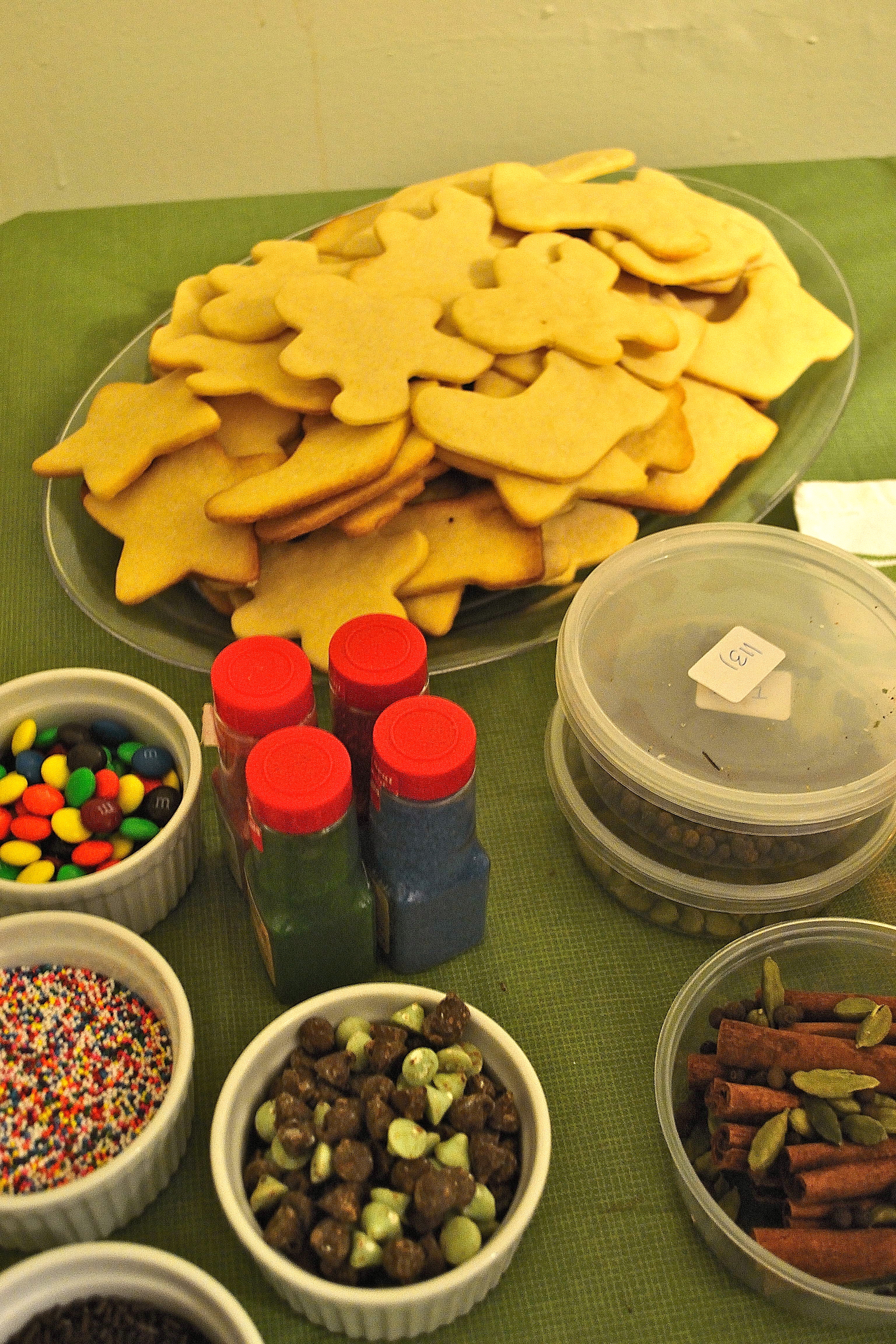
For a baker, the Holidays mean stocking your pantry with more flour and sugar than you could ever know what to do with,  just to be prepared. I often bake a variety around this time, from your standard cut-out cookies to decadent truffle-like treats. I hosted a holiday party this past weekend – the company was cheerful, the setting was festive, and the spread was epic. Perhaps the most noteworthy installment was the cookie-decorating station: rich cream cheese frosting with a myriad selection of sprinkles and candies were set out as toppings for adorable Gingerbread Men and Cut-Out Sugar Cookies.
Cutout cookies are a Christmas classic, giving bakers everywhere an edible palette for colorful icings and candies. The traditions dates back to 13th-century Germany with Lebkuchen. This style of cookie (very similar to gingerbread) is a refined delicacy in German culture, boasting intricate shapes and designs. Gingerbread itself can be traced back even further, appearing in Europe in the year 992! Though both cookies are spiced, Lebkuchen is made with honey while gingerbread relies on treacle (or molasses). The first recorded instance of gingerbread being shaped as “men” appears with Queen Elizabeth I, who would present distinguished guests with gingerbread likeness of themselves.
These gingerbread men were absolutely perfect! The recipe recommends making the dough ahead of time to allow both the flavor and texture to develop, which I strongly second. I used blackstrap molasses, When rolling out these cookies, be sure to have a bowl of flour on hand (I just had an entire bag) to prevent the dough from sticking to the rolling pin or the surface. As I mentioned before, I paired these with cream cheese frosting, though feel free to use whatever style you prefer (royal icing is a favorite) – click HERE to see how to make these traditional treats!
I’ve made a number of sugar cookies in the past, but these were by far THE best I’ve ever made! There are several ingredients that help set these cookies above the rest. The first is the addition of cream cheese as a binding agent – the result is a sturdier dough that is SO much easier to work with than an all-butter dough. The second factor is the medley of flavorings – while vanilla extract is standard, these cookies achieve an almost-fruity contrast with the additions of almond extract and lemon zest. Best part of all, the dough can be frozen for up to 3 months if needed! I rolled out the dough a week before the party, stored it between sheets of parchment paper and froze it. I highly recommend these, and can guarantee they will become a new tradition in your household as well – click HERE to see how to make these stunning cut-out classics!
You can already guess that a pairing for traditional Christmas cookies deserves a traditional Christmas tune – so naturally I went with a piece that plays in every pops concert, Macy’s, and in every holiday broadcast: Sleigh Ride, by Leroy Anderson. In fact, the American Society of Composers, Authors and Publishers [ASCAP] claims the light orchestral work has routinely been within the top 10 songs performed (worldwide) during the holiday season. Steve Metcalf, author of Lero’s biography, states that “‘Sleigh Ride’ … has been performed and recorded by a wider array of musical artists than any other piece in the history of Western music.” The piece was first recorded by the Boston Pops, which is why I thought it appropriate to include a recording with that orchestra – enjoy!

http://www.youtube.com/watch?v=OATi34PKNPw

Sources Cited:
“Christmas Foods,” FoodTimeline.org
“Sleigh Ride,” Wikipedia.com

A New Take on Holiday Traditions

For my family, the menu for Christmas dinner practically mirrors the cover of a “Good Housekeeping” holiday issue: creamy mashed potatoes, garlicky spinach, a juicy beef tenderloin, freshly baked cookies – the works. So when my roommate Jenn Berg offered to cook a meal with her take on tradition, you can imagine my surprise when she brought home a giant stack of tortillas and several pounds of ground beef. My Texan roomie was making her famous enchiladas, and I quickly understood why this could become a beloved tradition. She asked me to cover the desserts, and I made two that would make any Texan proud: Mexican Wedding Cakes and Sopapilla Cheesecake.
What’s interesting about Mexican Wedding Cakes is while the recipe is old, the name is fairly new. They are closely related to jumbles, a recipe dating back to the Middle Ages. They appeared in Russian culture around the 18th century as sweet confection in tea-sharing ceremonies. This tradition gave them the name Russian Tea Cakes – the shift to its current name has no evident impetus (though rumor has it the Cold War may have played a key role in the change).
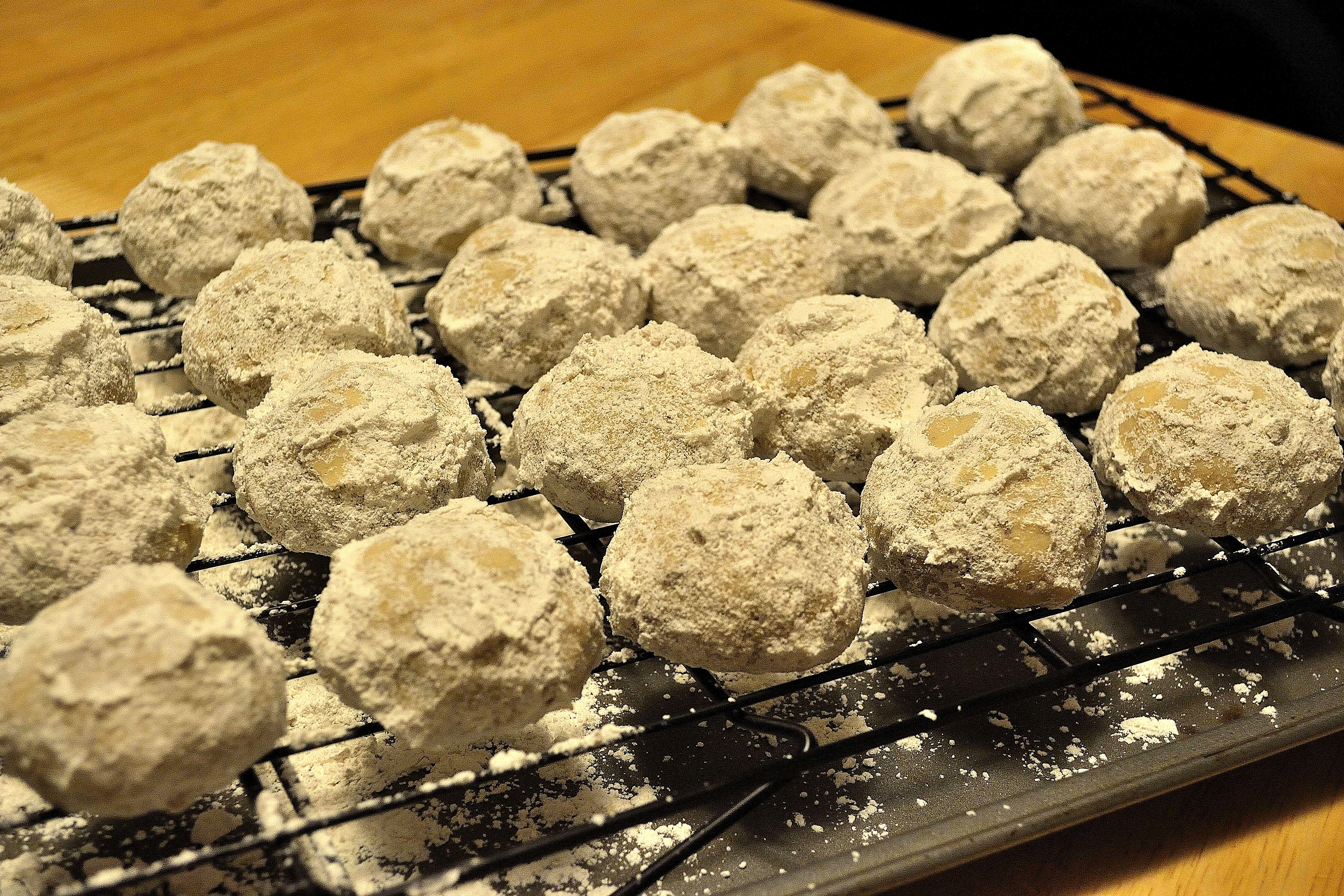
These are easily my favorite cookie – they are basically bite-sized pillows of nutty, sugary goodness that are all-too-easy to make. Their lightness comes from using confectioners’ sugar in lieu of regular, and the addition of ground nuts give them a contrasting texture that is irresistibly perfect. While still warm, they are then tossed in confectioners’ sugar – genius! I can guarantee you will make these a Christmas tradition for it will be love at first bite – click HERE to see the recipe for these addictive cookies.
Sopapillas are another Berg Family tradition. They are essentially fried pastry squares that are served warm with honey and/or confectioners’ sugar. I wasn’t fully certain I’d be able concentrate on deep frying after a long day’s work, so I sought an alternative; that’s when I happened upon this recipe. Cheesecake is a Christmas tradition for my family, so this twist felt all too appropriate. I’ll admit, I was initially apprehensive about this recipe: crescent dough, cream cheese and melted butter? Sounds like a gooey mess out of context. The verdict: this cake is ridiculous. I guess you can credit the butter, but the dough does achieve a flaky texture emulating its sopapilla intention. It’s extremely easy to make, and yet still can bring anyone to their knees with its cinnamon-sugary goodness – click HERE to see how to make this unique twist on cheesecake.
I wanted a pairing the embraced the fun, unique take on tradition, so I chose Danzón No. 2, by Arturo Márquez. A celebrated Mexican composer, his works draw significant inspiration from the traditional styles and rhythms of his culture. In terms of Mexican contemporary music, this piece is one of the more venerated among orchestral repertoire (much like these two desserts will be in your baking repertoire!). I’ve included one of the more famous recordings  of this work – Gustavo Dudamel and the Simon Bolivar Orchestra. Enjoy!

http://www.youtube.com/watch?v=3vwZAkfLKK8

Sources Cited:
“Russian Tea Cake,” Wikipedia.com
“Food Timeline: Cookies, Crackers, & Biscuits,” FoodTimeline.org

A Smile for the Day

There is something perfectly adorable about cookies. Fresh out of the oven and paired with a glass of milk, they can be the perfect way to relax at the end of a tough day at work. They are also an ideal dessert for large gatherings (cakes tend to be too complicated, trust me on that one). A group of friends gathered for an evening of music and food the other night, and I thought cookies would be the perfect complement. I wanted cookies that were both fun yet simple, so decided to bake Chocolate Snickerdoodles and Chewy Peanut Butter Cookies.
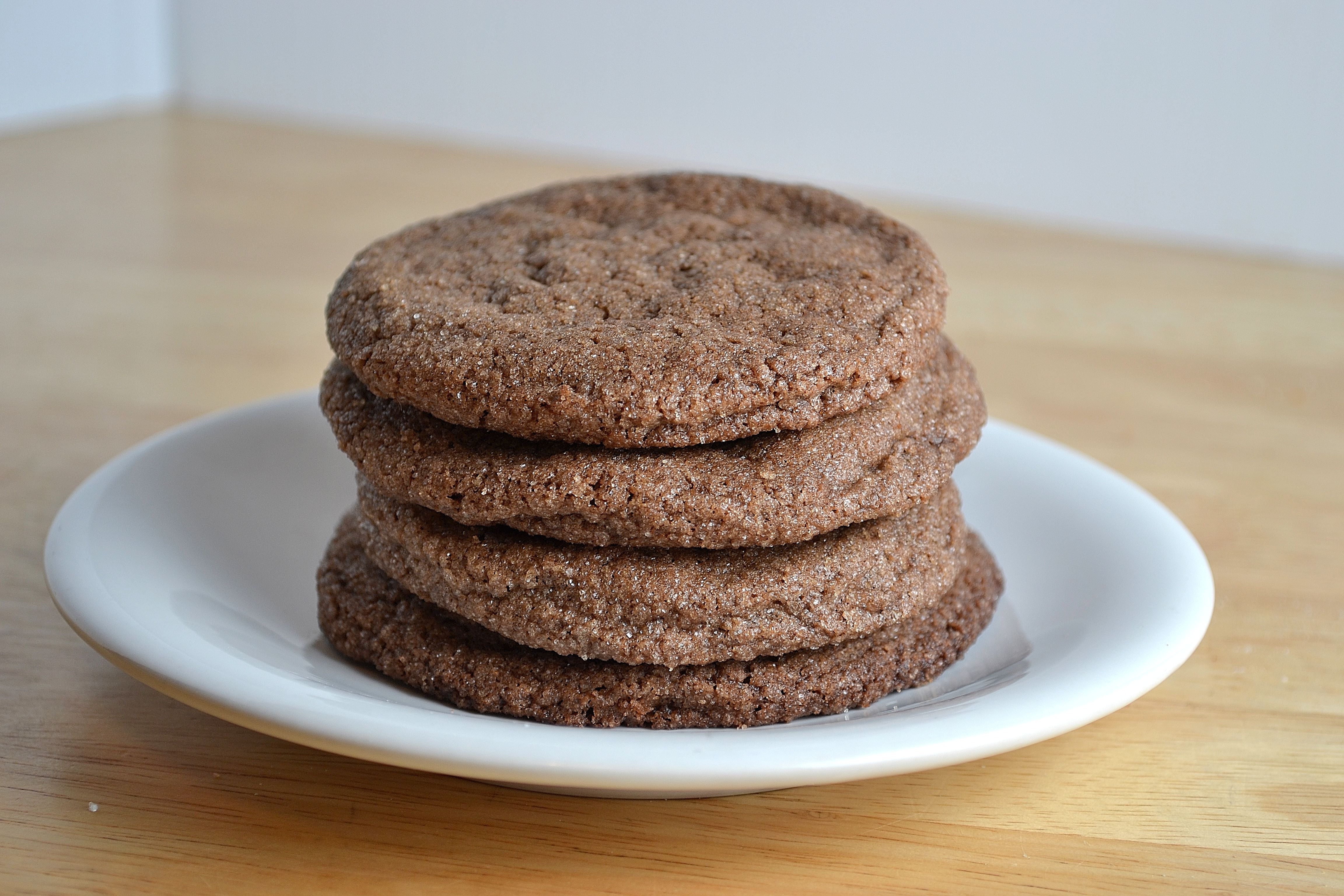
I have to be honest: the main reason I baked these is because I love saying “snickerdoodle.” It’s one of those words that you can’t help but smile after saying it. Allegedly the name is of German origin, as a corruption of the word Schneckennudeln (which means “snail noodles”…still smiling after this). The original version of this recipe is a basic sugar cookie rolled in cinnamon sugar. I saw this chocolate version in an issue of Food & Wine I picked up at the airport, and knew I had to give them a shot – click HERE to see the recipe for these chocolatey treats.
Peanut butter cookies are a classic, and rarely fail to please. Basically a sugar cookie enriched with peanut butter, they are extremely simple to make. The practice of “cross-hatching” these with the tines of a fork dates back to 1933, with the edition of Pillsbury’s Balanced Recipes. The result gives the cookies a more aesthetic appearance – upping their “cute appeal,” if you will. I’ve tried peanut butter cookies with a number of add-ins, but the simple classic can never be topped – click HERE to see the recipe for this all-time favorite.
Cookies are always a fun project – not only do they make your house smell amazing, but they can be made with a few ingredients and minimal effort. That led me to a piece I found by chance: Three Preludes, by George Gershwin.  These are your typical Gerswhin, filled with jazzy appeal and spirit. Originally for piano (and premiered by the composer himself), they have since been transcribed for a number of solo instruments. The way I came across this set was by doing a YouTube search on the virtuoso Jascha Heifetz. I found the works so charming that I knew I had to pair them on this blog. I hope these will also bring a smile to your day – enjoy!

http://www.youtube.com/watch?v=NjMJRINJNTo

Sources Cited:
– “Snickerdoodle,” Wikipedia.com
– “History of Cookies,” WhatsCookingAmerica.net
– “Three Preludes (Gershwin),” Wikipedia.com

Do You Believe in Magic?

Baking elaborate cakes can be an exciting challenge, but sometimes it’s the simple things that really shine. I had invited a small group over to hang out, and it just so happened to be my friend Kyle’s birthday as well! I wanted to make something quick and easy, knowing that a cake would be too much for a small crowd. With only seven ingredients, this dessert was shockingly good! It’s no wonder they are called Seven Layer Magic Bars.
The “magic” in these bars comes from the sweetened condensed milk. Granted, chocolate and butterscotch combined with walnuts and coconut is pretty fantastic on its own. But these all come together thanks to this decadent ingredient. Condensed milk is basically milk from which water has been extracted and sugar added to. Once canned, it can have a shelf life that lasts for several years. Condensed milk can be found in recipes around the world, from the Brazilian Brigadeiro to the English Banoffee Pie.
First appearing in cookbooks in the 1960s, these cookies quickly became and still are Eagle Brand’s most popular recipe. These cookies don’t require any eggs, making them a quick fix for any busy weekday. That being said, they are insanely delicious and definitely worthy of a special occasion. My friends certainly agreed – click HERE to the secret to these wonderful bars!
I thought that for a recipe with seven ingredients, a septet would be a great pairing. That led me to the beautiful Introduction and Allegro for Harp, Flute, Clarinet and String Quartet by Maurice Ravel. Ravel wrote the work on a 1905 commission by the Érard company to celebrate its creation of a double-action pedal harp. The work is well-known amongst harpists, resembling more of a miniature “concerto” than a chamber work for the instrument. It demonstrates the agility and expressive range of the harp, with the quartet and winds providing colorful context. I performed this work several years ago with my beloved friend, harpist Lucia Stavros (she did a fabulous job, as always!) I hope you enjoy this piece as much as I do!

http://www.youtube.com/watch?v=5s6suaIQVzI

Sources Cited:
“Condensed Milk,” Wikipedia.com
“Introduction and Allegro (Ravel),” Wikipedia.com

Effortless Perfection

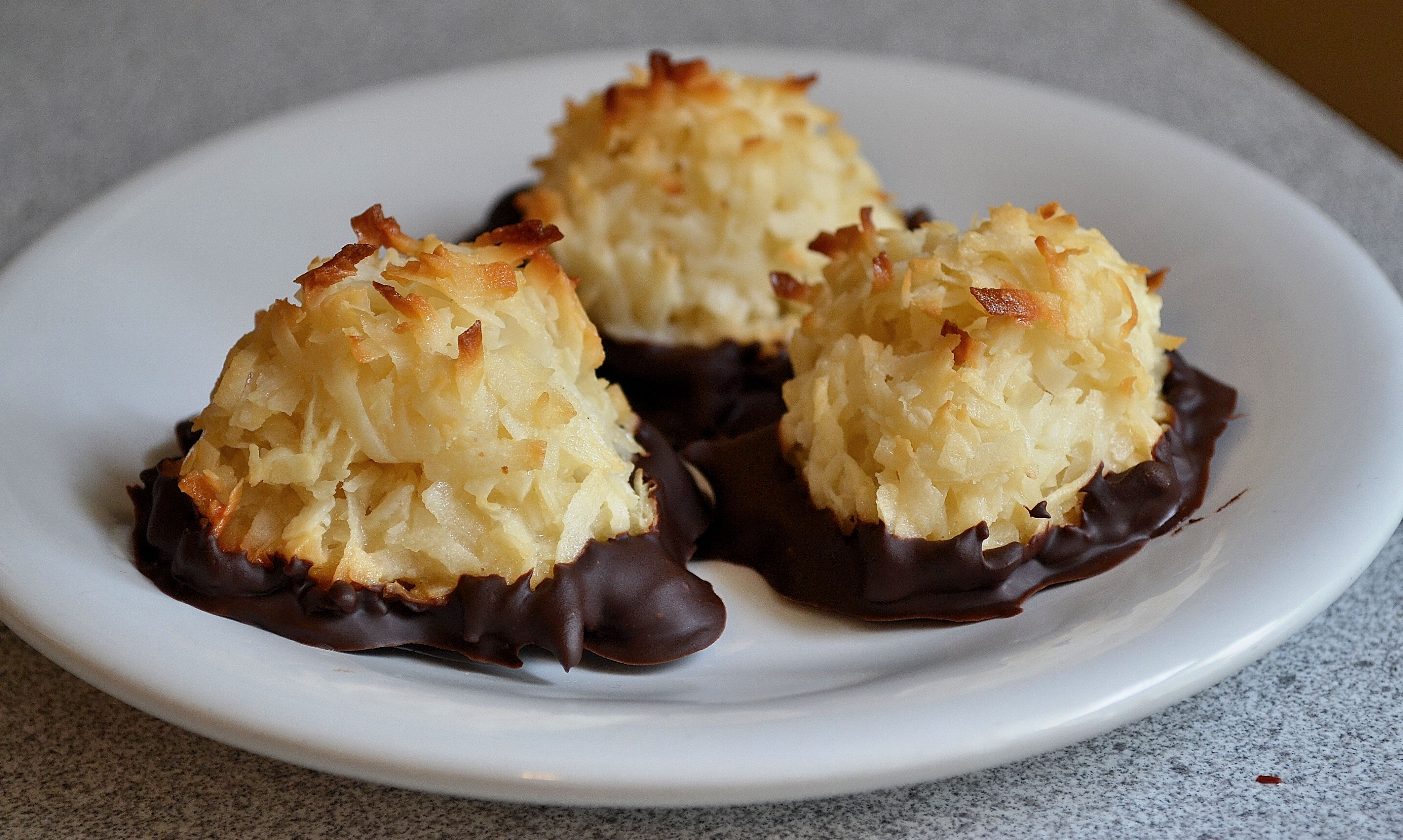
“These are the best macaroons I’ve ever had, and trust me – I know my macaroons!” I’m not usually one to brag, but this compliment (from my coworker Dianne who loves coconut) only confirmed how simply amazing these cookies are! I originally made these for a friend to congratulate his big win with the Spokane Symphony (congratulations Ross!) Wanting to create something both quick and easy, I came up with these Chocolate-Dipped Coconut Macaroons. I brought the remaining cookies to my office the next day – they disappeared almost instantly.
Though most Americans associate these as being macaroons, the “authentic” macaroon has no coconut whatsoever! It is instead a meringue-like cookie, made from almond paste and egg whites, that is believed to have originated within an Italian monastery several centuries ago. The term macaroon is derived from the Italian term maccarone, meaning “paste.” While the coconut variety is extremely popular in the US and the UK, its delicate, almond cousin takes the lead elsewhere.* That being said, if you like coconut and/or chocolate, you won’t think twice about these cookies’ departure from the norm – click HERE to bake a batch of these today!
And now for the musical pairing – I have to admit, cookies are always an interesting case for me. They can generally be assembled and baked in under 30 minutes. While these cookies were really easy to make, they had a surprising depth of flavor. This led me to choose a composer who is often seen as being simple, yet is far more complex when experienced: Bach. I chose his Fugue in B minor on a theme by Tomaso Albinoni. While there are only two voices in the work, it is beautifully intricate and surprisingly profound. The recording is by Glenn Gould, whose playing of this difficult fugue seems so entirely effortless – enjoy!   

http://www.youtube.com/watch?v=aQjF0TNsDCk

Sources Cited:
*”History of Macaroons.” The Nibble

A Sweet Reflection on Simpler Days

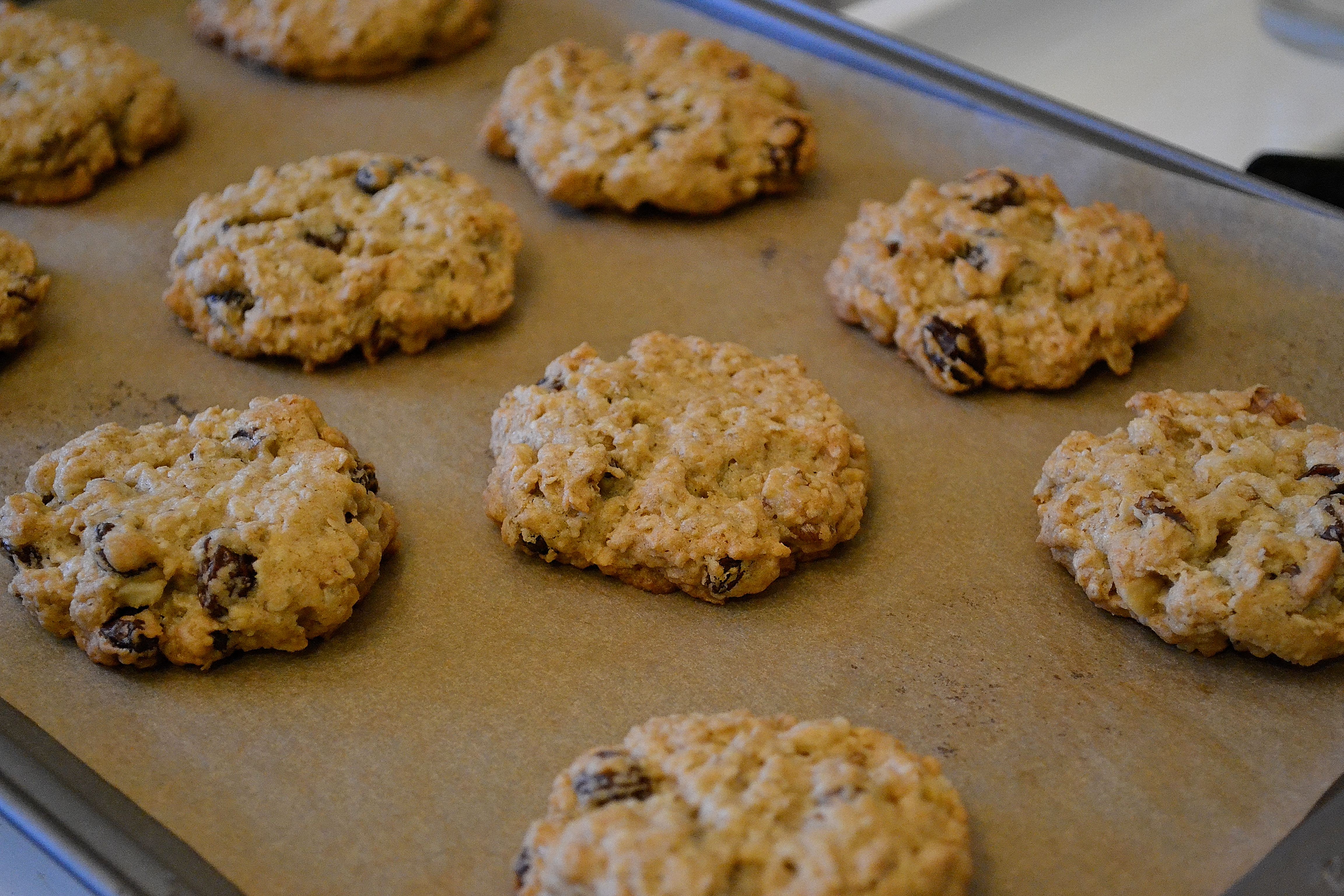
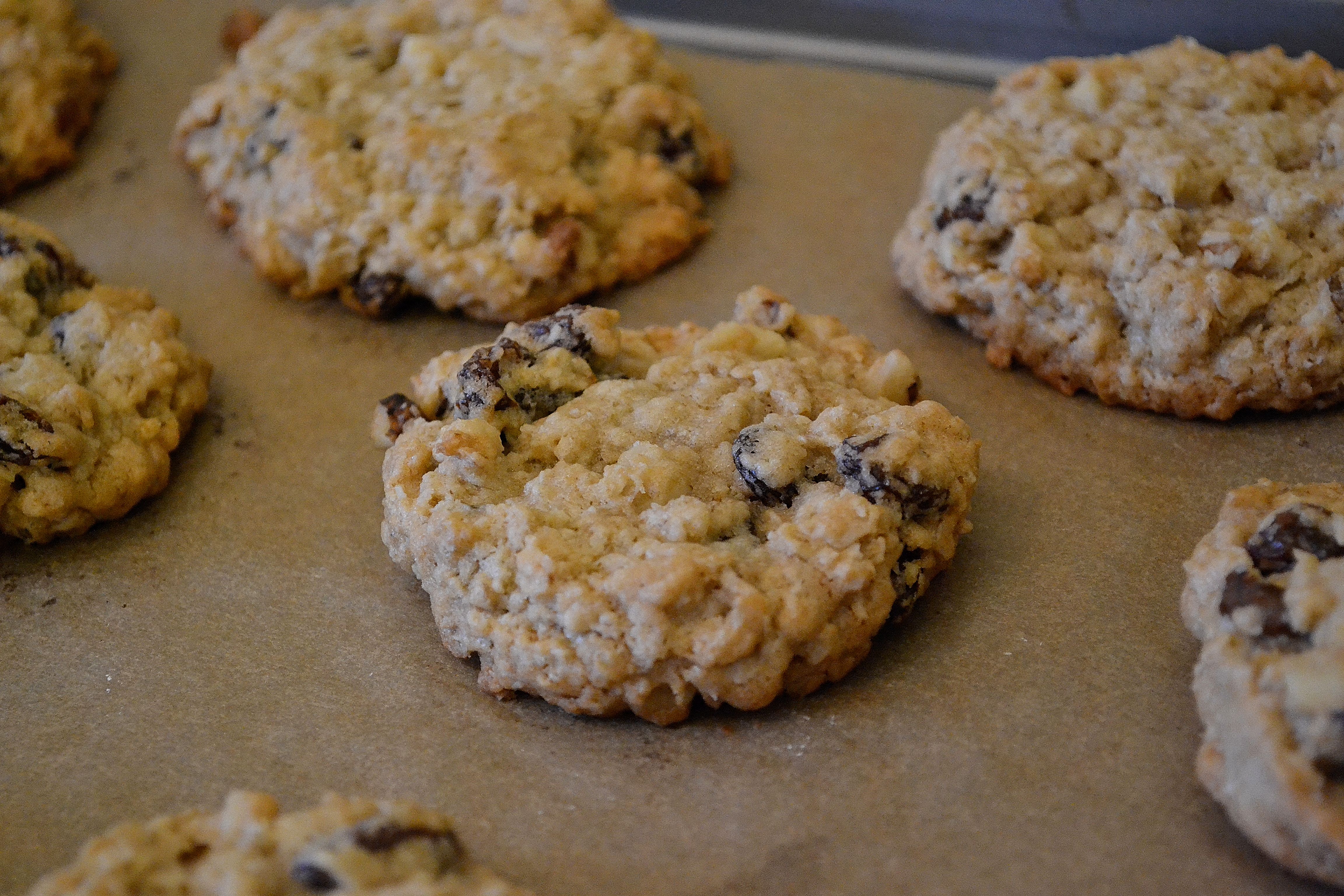
Cookies, regardless of flavor or shape, are always reminiscent of simpler days; days when you would wait by the kitchen, counting down the seconds until a tray of golden baked treats would be taken out of the oven. While this memory has numerous variations, no one can deny the nostalgic tug we get from cookies. A baker’s best friend, cookies are fairly simple to make: the majority are one-bowl recipes needing little more than flour, butter, sugar, and eggs. They are quick to assemble, and will bake in less than 15 minutes. Once cooled, cookies can easily be stacked in tupperware and, at 24 a batch, a number of these bite-sized treats can be made in less than an hour! In fact, the convenience of cookies came to my rescue this past weekend – I needed something to bring to my dear friend Brian McCarthy’s piano recital (which, as a side note, was fantastic!!!). With the little time but plenty of flour, I knew cookies had to be it, and so I chose the following: Oatmeal Cinnamon-Raisin Cookies and Dark & Fudgy White Chocolate Chip Cookies.
There are two viable conclusions for the above ingredients – some would say “breakfast,” while Cookie Monster would yell “Cookies!!!” Talk about a trip down memory lane. Yet while many consider these an American classic, they can actually be traced back several centuries to British Isles. Oats, as a prominent grain of the region, were often formed into oatcakes: a pancake-like dish that is today still considered to be a specialty in Scotland. European Explorers brought the cereal grain and their recipes to Colonial America by in the 17th century. Rolled oats as we know them today were introduced towards the end of the 19th century with the establishment of the much-beloved Quaker Oats Company.* 
This particular recipe is from a cookbook gifted to me by my sister’s boyfriend, Grant. Here’s why I approve of this guy: he bought me this book as a Christmas gift before he knew that I had a cooking blog! Major brownie points there (no pun intended).  The book is Cookies! Good Housekeeping Favorite Recipes, and has all the classics, from chocolate chip to gingerbread men. I added walnuts and a little cinnamon to the mix, but those were the only changes. Click HERE to view this classic recipe.
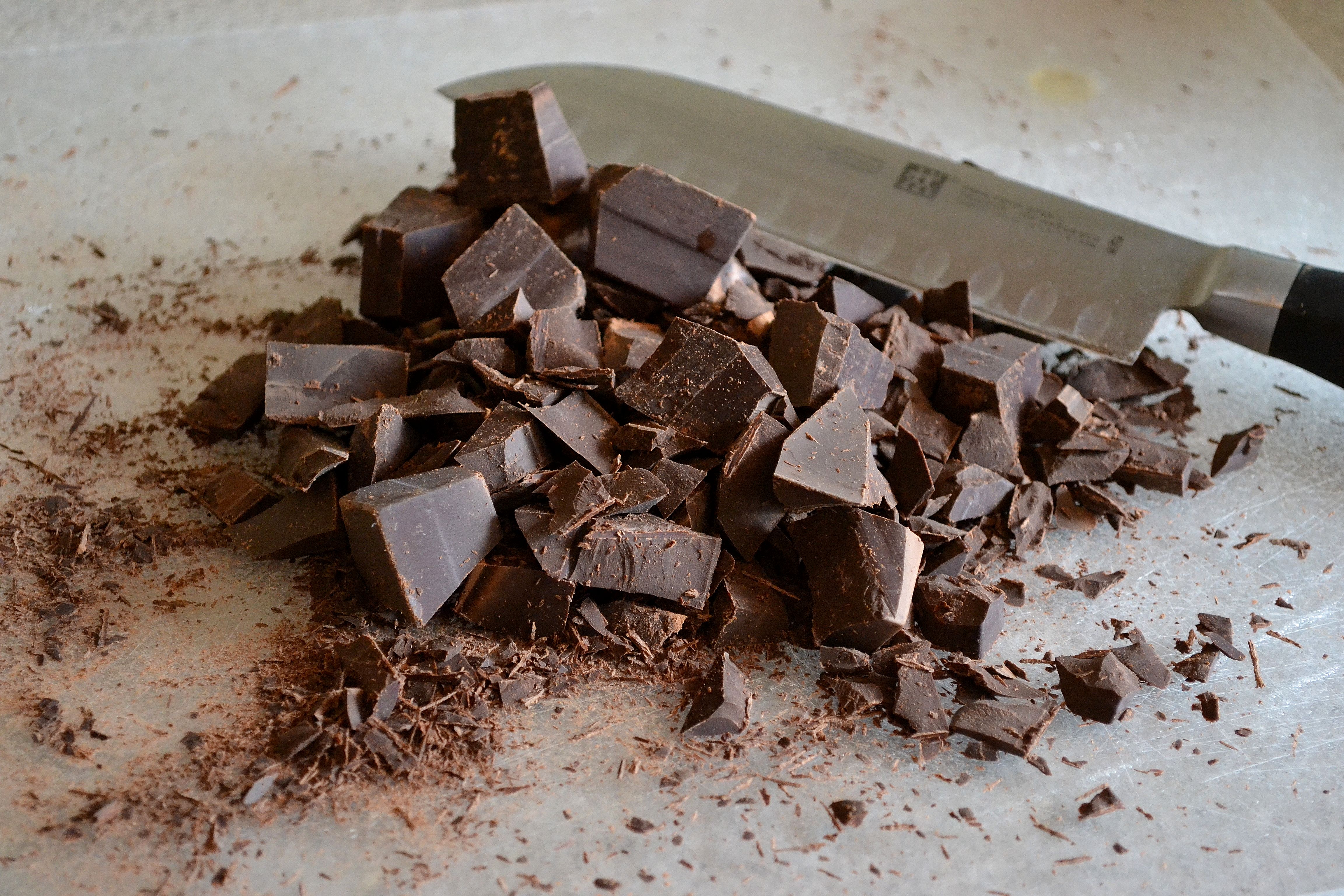
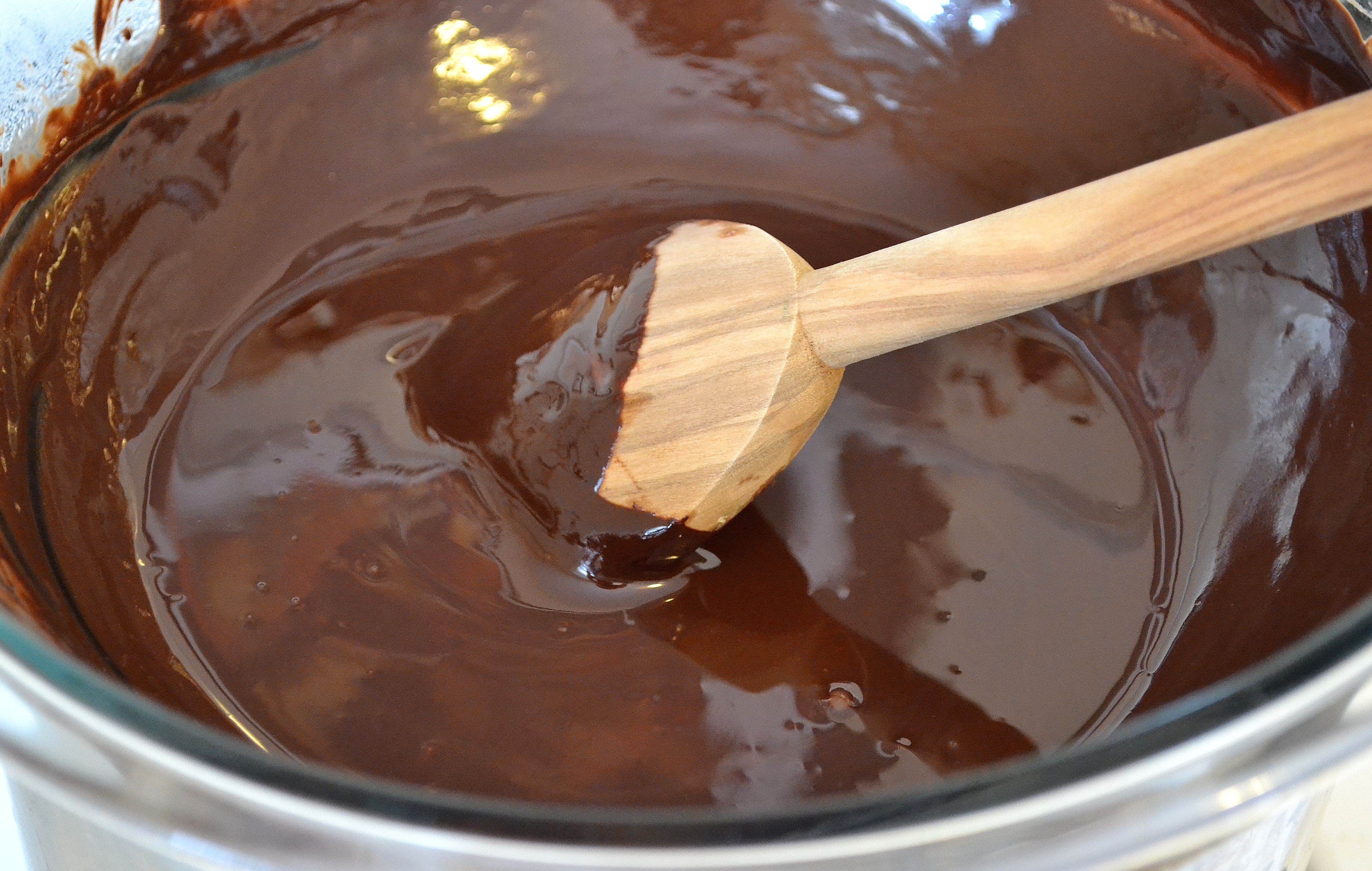
These next cookies are deceptive in appearance. To the common observer, they appear to be dark chocolate cookies with white chocolate chips; an “inside out” chocolate chip cookie, if you will.  But a bite of the rich treats will reveal their true identity: brownies!
For the purists who believe a bar-shaped brownie is the only acceptable way to enjoy this classic, I dare you to try these – they are fantastic! The white chocolate chips are optional, and can be replaced by any other add-in: pecans, M&Ms, etc. I found these on one of my favorite step-by-step food blogs: The Hungry Mouse (fabulous photos!) I made no changes, and they turn out perfect every time (melted chocolate + cookie batter rarely fails to please). You can find this mouthwatering recipe HERE.
Sticking to the theme of nostalgia, I wanted to choose a piece that had been near and dear to my own childhood. Knowing that very few kids are exposed to the piece I’m dying to showcase on this blog (Stravinsky’s Rite of Spring – coming soon!), I had to be realistic and reflect on my own musical memories. As always, Disney came to my rescue – their 1946 production of Peter and the Wolf was undoubtedly a classical moment inherent to my childhood. The orchestral music is originally by Sergei Prokofiev: “one of those pure-hearted artists who…had a vivid, uncanny remembrance of childhood.”** Optimism and integrity are prominent qualities in Prokofiev’s writing (and yes flutists – the Prokofiev Sonata in D Major will be showcased here eventually). In the meantime, I’ve included two YouTube links. The first, in my opinion, is the better recording of the two: it’s a more theatrical production performed by the Chamber Orchestra of Europe and Claudio Abbado (amazing combination), with none other than Sting as the narrator (though the Patrick Stewart rendition is priceless: trekkie-in-training with TNG). The second video I had to include: it’s the original 1946 Disney production with the amazing Sterling Holloway as narrator (voice of Winnie the Pooh). Enjoy!

1) http://www.youtube.com/watch?v=jzjIlni8_qg
2) http://www.youtube.com/watch?v=ILI3s7Wonvg&feature=related

Sources Cited:
* Olver, Lynne. “Cookies, Crackers, & Biscuits.” TheFoodTimeline.com
**Nestyev, Israel V. Prokofiev. Stanford University Press, 1961.