Oranges Take the Cake!

I am not an orange juice drinker – I love oranges, and love cooking with them, but the straight-up juice isn’t my specialty. So the question of how to make use of a TON of orange juice leftover from a hang at my place became priority number one. I poured through cookbooks, running off ingredients and trying to see what pantry staples I could rely on. My Bon Appetit Desserts cookbook (an awesome gift from my friend Maya) provided the perfect solution (which I modified slightly): Orange-Scented Loaf Cakes with Glaze.
Oranges are the world’s most commonly grown tree fruit, with over 65 million tons produced annually around the world*. As any baker knows, fresh is best…but as you already know, I used juice from a carton. Here’s my defense: it was Tropicana, which according to the box (see above) is NEVER made from concentrate – there is nothing other than 100% pure orange juice. Though it’s not straight from the fruit, it’s pretty darn close. Since this cake was my way of using up leftover juice, I used vanilla extract rather than vanilla bean (for the sake of convenience). What makes this cake is the glaze – pouring the glaze on while the cake is hot is a MUST (both the texture and flavor depend on it). The original recipe makes a bundt, but I vied for two loaves (for serving purposes): click HERE to see my version of these flavorful cakes!
When considering what piece to pair with this recipe, it almost automatically began playing in my head – the Preludio from Bach’s Partita No. 3 in E major for solo violin. I hadn’t really developed a solid reason on why, but it just felt perfect. It’s a nice way to introduce the “father of music” to my blog (still trying to fathom what possible recipe can justify his legendary Chaconne). Perhaps one of the most recognized names in classical music, the works of J.S. Bach have influenced generation upon generation of performers and listeners alike. His music is defined by its beauty and creative depth, while it also places a substantail amount of technical and artistic demands on those who perform it – such is certainly the case with the Preludio. In retrospect, I wanted a “bright” work to pair with cake, and the Partita’s setting of E Major provides the ideal character – bright, lively, and filled with “flavor.” The recording I’ve included here is by violinst Nathan Milstein, whose interpretations of Bach’s music helped define his soloing career. Enjoy!

http://www.youtube.com/watch?v=aIemzStWOog

Sources Cited:
*”Orange,” Wikipedia.com
Summer’s Finest: a Rich Delicacy

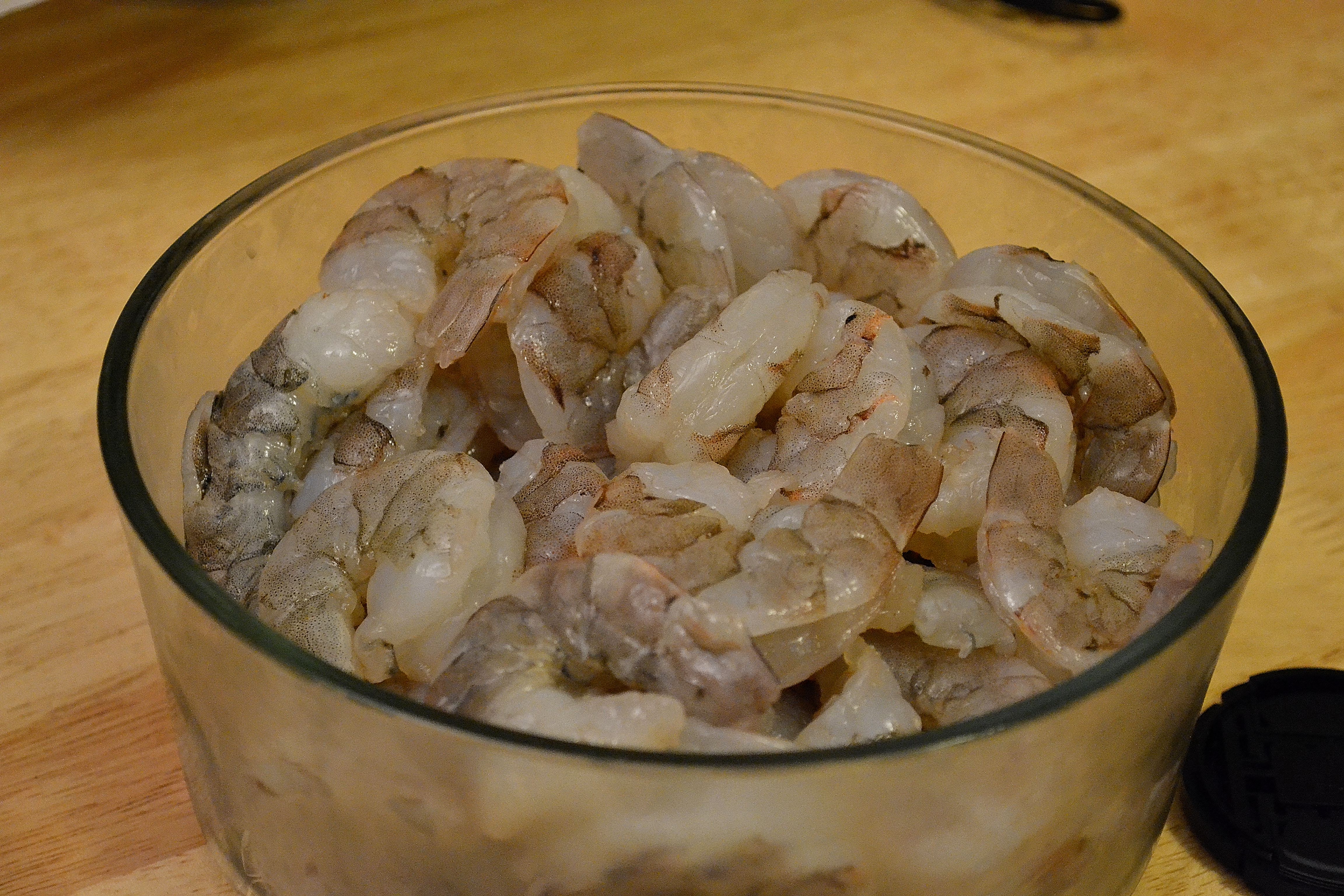
Summer: a season filled with the joys of nature and a fresh alacrity. Heavy coats and snow boots are replaced with classy shades and breezy shirts. Summer also sees rise to some of the year’s freshest, most lively tastes. The culinary possibilities are endless, though beating the heat can make them limited – dishes that take hours to cook (such as stews and braises) are the last thing anyone wants in 100-degree weather. This is especially true when hosting for a number of people. Such was the case a week ago while I was throwing a dinner party for a group of guys. I needed a dish that could be both light and filling. Such a anomaly led me to the ever-reliable classic, Shrimp Scampi.
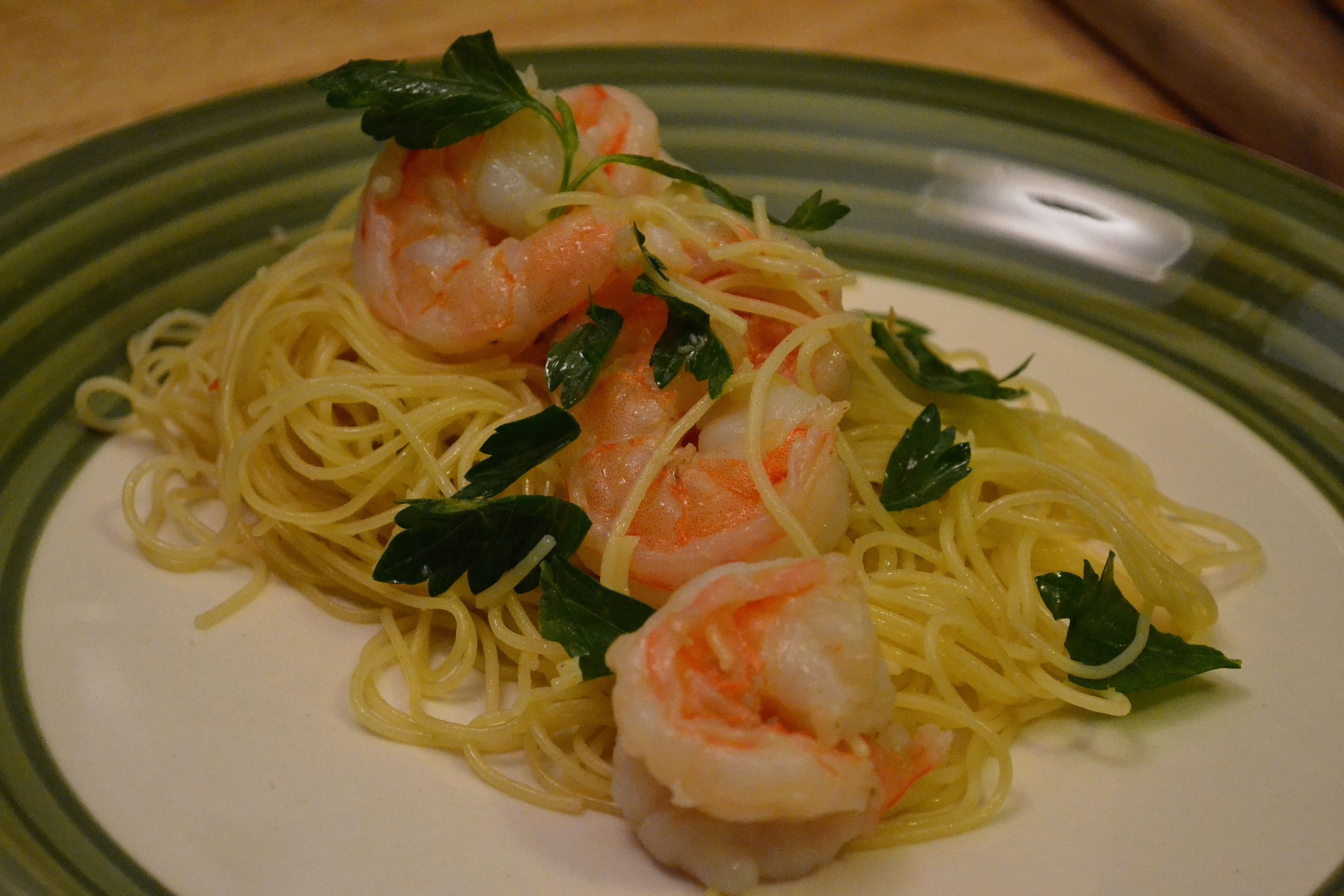
Shrimp and summer are as compatible as Fred and Ginger. The lightness of shrimp pairs beautifully with the seasonal timbre, and scampi is one of the simplest ways to fulfill this potential. The flavors are simple: garlic, parsley, lemon, and wine. This dish takes a matter of minutes to make, yet packs a LOT of taste! It is a complexity that is difficult to describe, as this dish achieves both a richness and subtlety of taste. The recipe I used for this had no pasta, just shrimp. This meal had to feed a group of guys, so I needed substance, and pasta can always take a meal that extra mile. In order to make enough sauce, I quadrupled the sauce with amazing results! I also added a pinch of red pepper flakes to give this dish an extra kick. Check out how to make this perfect summer entree by clicking HERE
For the musical pairing, I wanted to feature this dish’s seasonal charm, but also acknowledge its greater depth in flavor. The unusual blend of ethereality and substance fits beautifully within the style of Claude Debussy. The music of Debussy is characterized by harmonic freedom and tonal ambiguity, a “vagueness” that has often aligned his musical style with that of the Impressionists (though Debussy himself detested this term). One of his most renowned works is perhaps La Mer: “Three Symphonic Sketches for Orchestra,” composed in 1905. This work explores the lush, powerful nature of the sea, yet also captures its more delicate qualities. I have included a video recording of the first movement: “De l’aube à midi sur la mer” (From dawn to noon on the sea”).* The performance is by the Chicago Symphony, with Daniel Barenboim conducting (ps. 0ne of my favorite moments takes place at 5:15) – enjoy!

Sources Cited:
* http://en.wikipedia.org/wiki/La_mer_(Debussy)

The Compelling Lightness of Tuscany

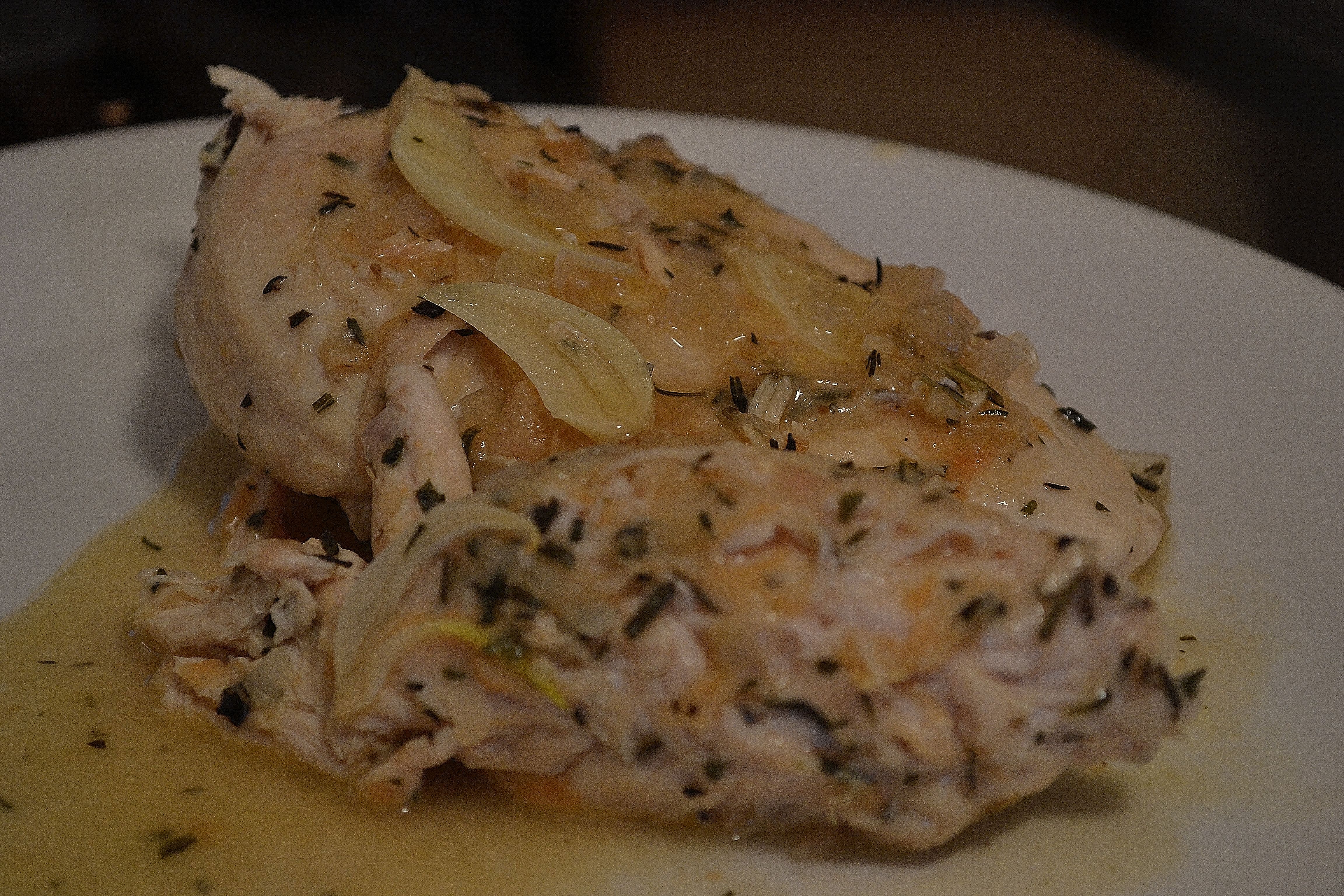
When one hears the term Monte Cristo, they think of either the classic tale by Alexandre Dumas or of the devilishly attractive James Caviezel (who starred in the 2002 rendition of the novel…I admittedly think of the latter) When placed in a culinary context, it is often in reference to a ham (or other variety of meat) and cheese sandwich that is then dipped in an egg batter and fried (a variation on the classic French sandwich Croque Monsieur). So when I found a chicken breast recipe titled “Monte Cristo Chicken,” you can imagine my surprise that it has no relation to either one of these precedents. As it turns out, this is one of my favorite chicken dishes to date, and just so happens to be extremely simple to make! Though there is no attractive count involved (unfortunately) and no deep-frying (thankfully), this Monte Cristo Chicken recipe has certainly lived up to its name.
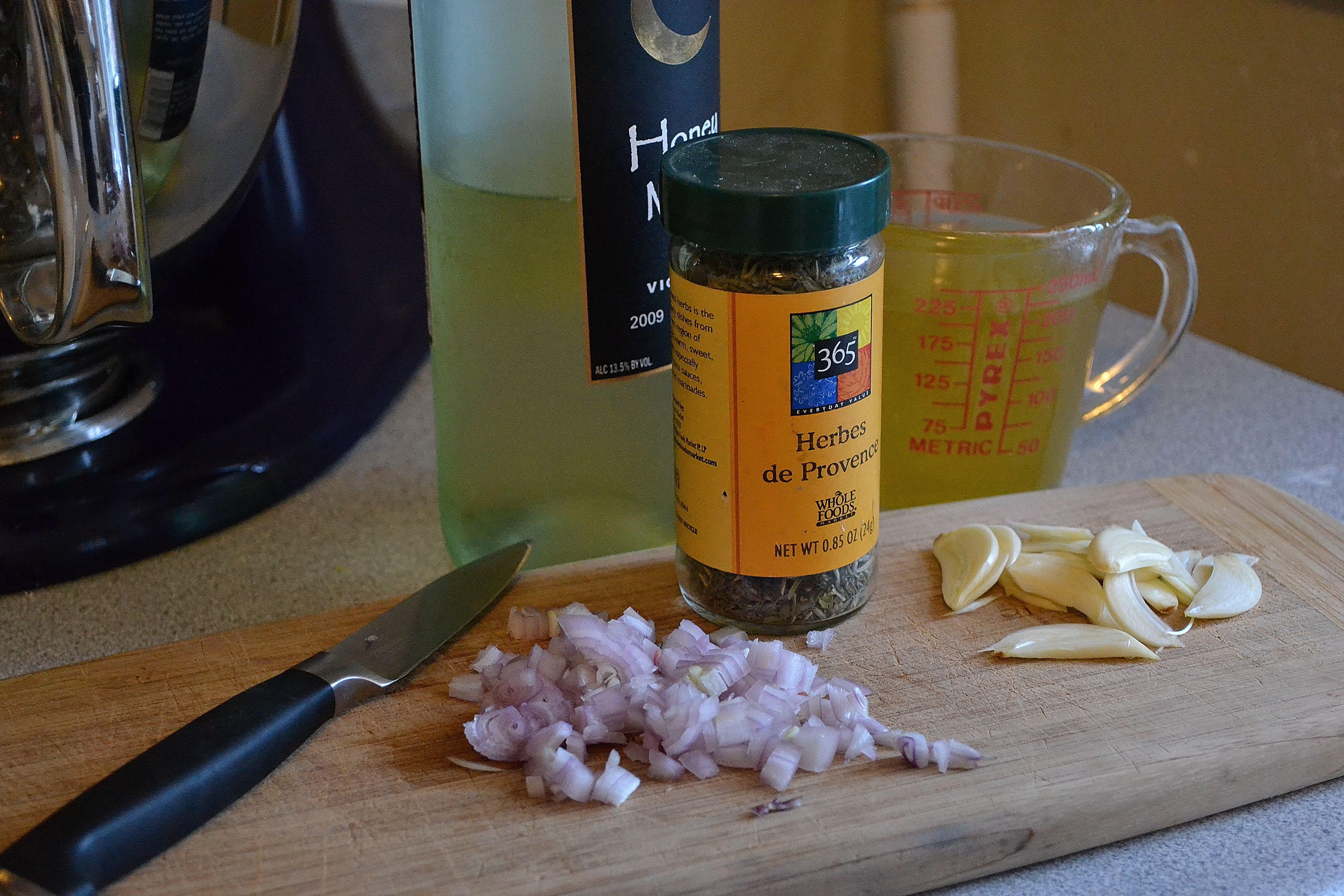
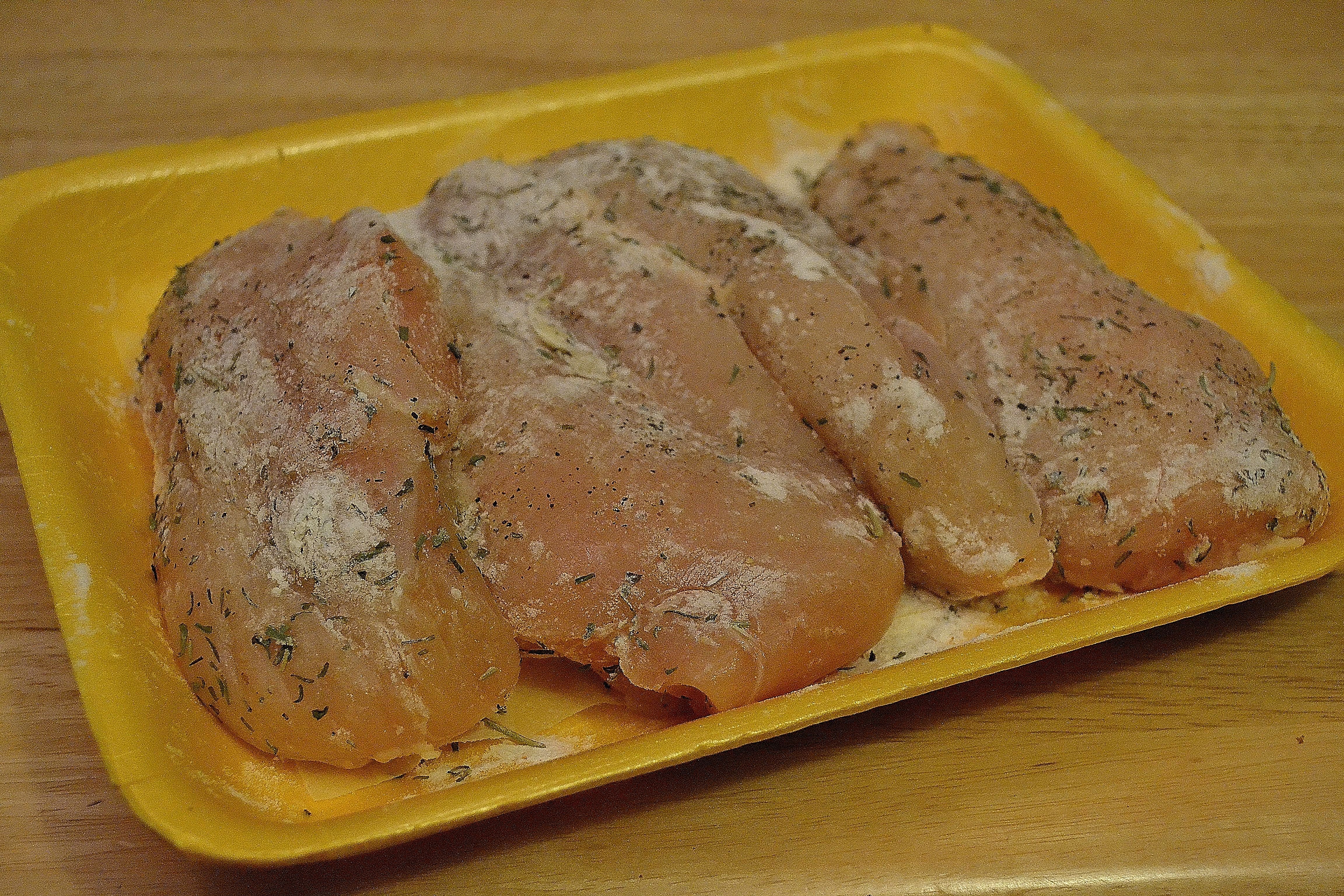
The actual “Montecristo” is a very small island off the coast of Italy, it’s literal translation being “Mountain of Christ.”* In trying to determing the connection to this dish, my best bet is its allusion to the flavors of Tuscany: Montecristo is within the Tuscan Archipelago*, and the majority of Tuscan food (I’ve experienced) has been notable for its simplicity. This dish most certainly is: lemon, wine, Herbes de Provence, shallot, garlic, and chicken stock are the flavors involved. The result is some of the most tender, flavorful chicken breasts I’ve ever tried. Herbes de Provence is a dried mixture of French herbs, including thyme, rosemary, savory, basil. etc. This is what truly puts this dish over the top. I imagine you can use any number of fresh or dried herbs its place, but it won’t have nearly the same effect.
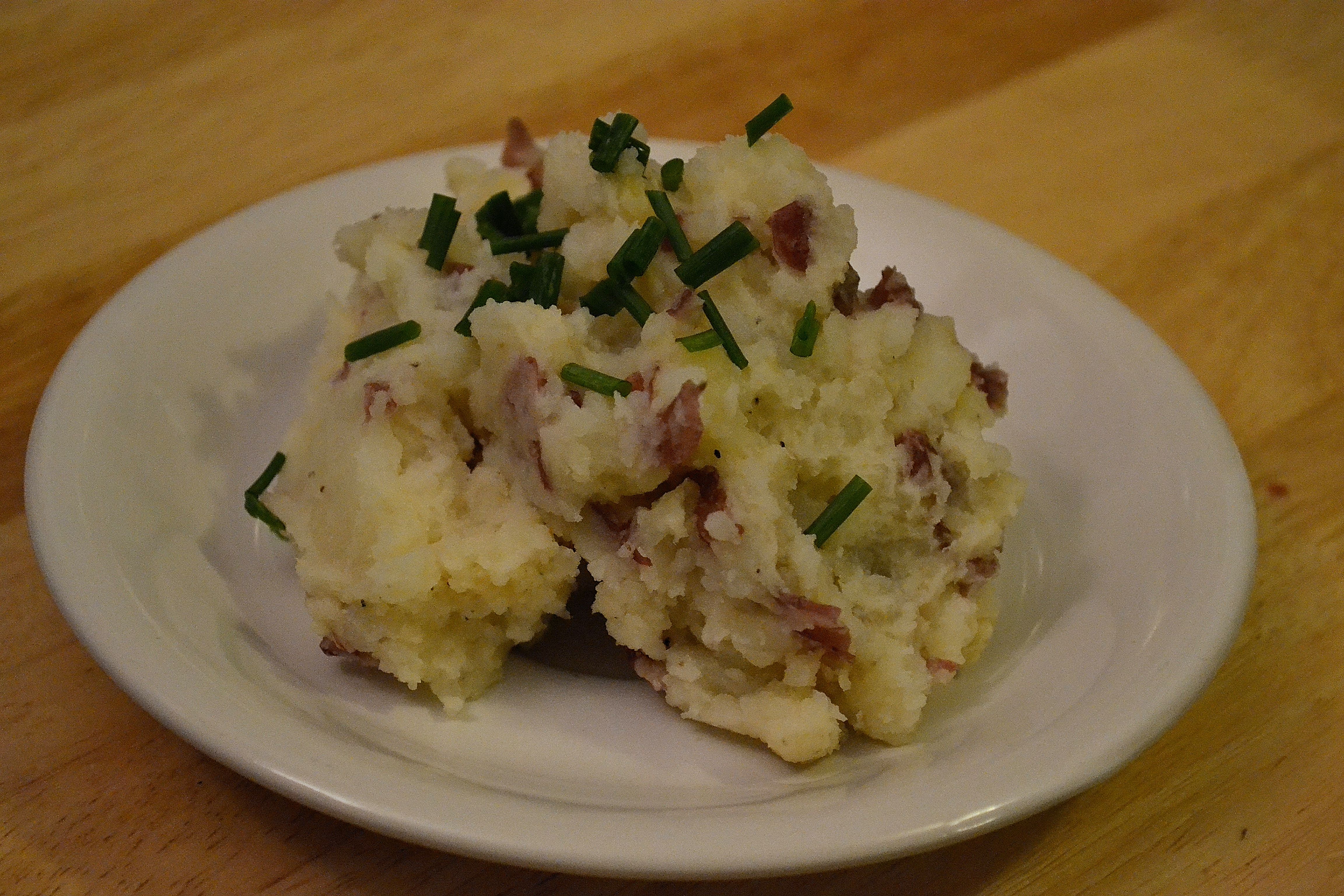
In terms of preparation, I make much more of the sauce than what the recipe creates – it’s an amazing sauce! I nearly quadruple the original recipe. Rather than sprinkling the flour and herbs, I mixed them all together on a small dish and coated the chicken accordingly. I omit the lemon zest, but it would make a pretty presentation no doubt. Click HERE to see my rendition of this delicious recipe. In addition to spinach, I also made a very simple yet delicious side of Roasted Garlic Mashed Potatoes. Click HERE to check out this recipe. 
Given the Tuscan heritage of this dish, I decided to focus on one of Tuscany’s most celebrated composers: Giacomo Puccini. His operas have become standards of performance repertoire, with classics such as La bohème, Tosca, and Turandot. While these works are true masterpieces, their breadth of emotional intensity is too overwhelming for this dish. A meal that takes under 20 minutes and has only 10 ingredients won’t do justice to a work that can bring even the strongest of men to tears. That was when I remembered another gem of Puccini’s that would be perfect: the one-act opera Gianni Schicchi. This work, based on the Dante’s Divine Comedy, is much lighter in character and shorter in length. It is the third and final installment of the series “Il Trittico.” Gianni Schicchi is the most famous of the three, and has one of the most famous soprano arias: “O mio babbino caro.” The aria is sung by Lauretta (daughter of Gianni Schicchi) imploring her father to approve of the man she loves.* Here is a great recording of the aria, with soprano Montserrat Caballé (thanks Tim Wilfong!) Enjoy!

http://www.youtube.com/watch?v=dI17VdRfCek

Sources Cited:
* “Montecristo.” Wikipeda.com 
** “Gianni Schicchi.” Wikipedia.com

Harnessing a Taste for Derby

Derby Day Celebrations are perhaps some of most ironic of all sporting affairs. In Kentucky there is a two-week long festival celebrating the race, which is all of 90 seconds. That’s right – the Kentucky Derby lasts no more than 2 minutes, yet is the state’s most prominent annual event. Nonetheless, one can’t help but be enchanted with Derby enthusiasm and its beloved traditions: mint juleps, ridiculous attire (especially hats), endless parades, garlands of roses, and every pie imaginable.* My friend Beth McDonald (having completed her Bachelor’s at the University of Kentucky) is a genuine Derby enthusiast. She hosted her second annual Derby Day Party this past weekend, and enlisted my pie expertise. So I arrived at the party donning an enormous hat with the following two pies: Kentucky Bourbon-Walnut Pie with Chocolate Ganache and Peanut Butter Silk Pie with Pretzel Crust.
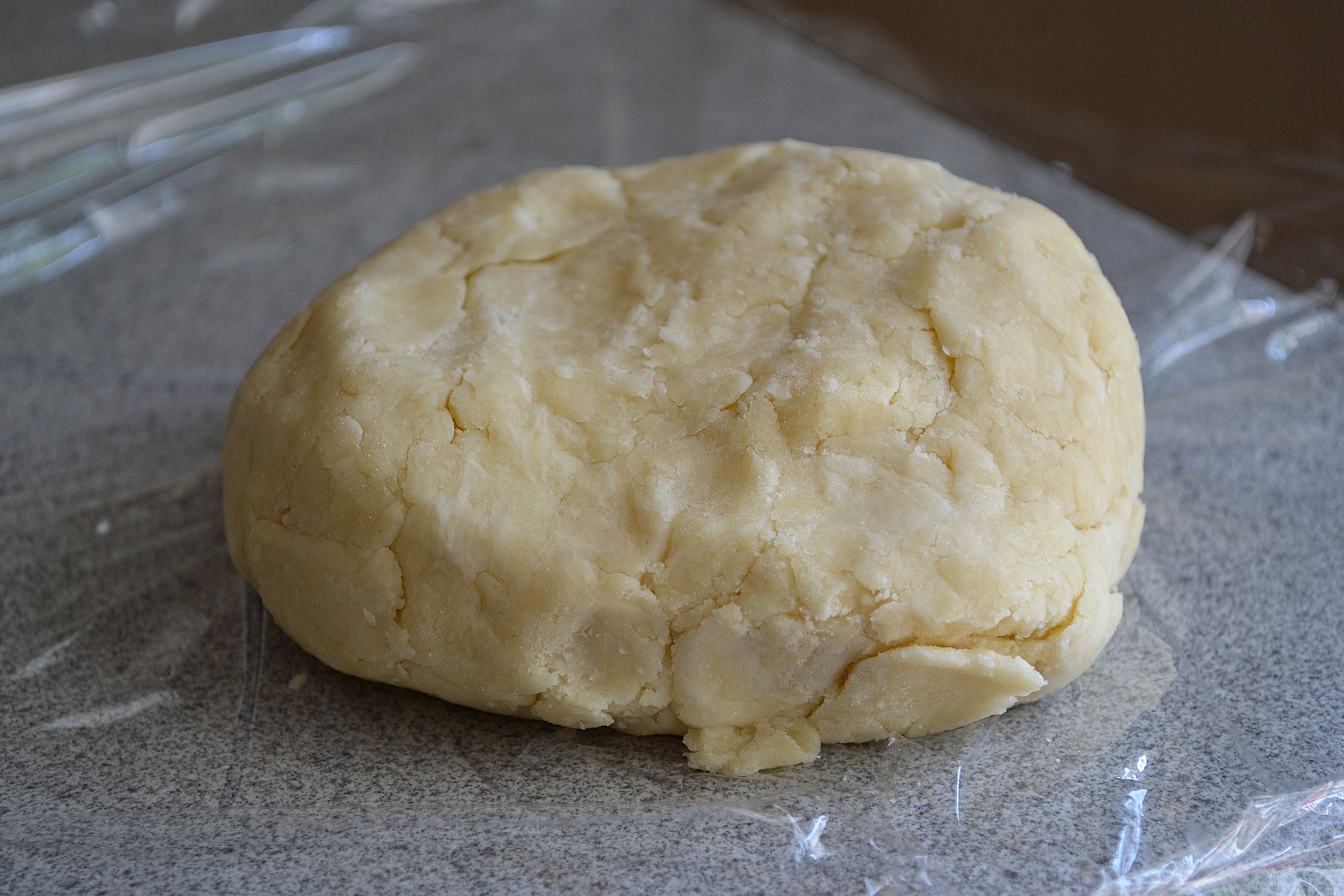
I have never been, and never intend to be, one who relies on a box – “from scratch” shall forever be my baking mantra. Pillsbury frozen pie crusts make it seem so simple to, when, in fact, pie crusts are an inherent art form to a number of culinary traditions. The creation of the perfect pie crust takes place over the course of two to three days, ideally. This includes chilling, resting, and baking. I always cube my butter and freeze it the night before I make pie dough (tip from SimplyRecipes). I then wake up early enough the next day to make the dough, and allow it to rest in the refrigerator for at least 6 hours. Patience is what makes the perfect pie crust – so if you are craving a pie last-minute, then and only then is Pillsbury your best friend.
No Derby is complete without a “Derby Pie”. A Kentucky tradition dating back to 1950, the original Derby Pie was a chocolate-walnut tart created by Walter and Leaudra Kern, owners of the Melrose Inn. A popular addition to this pie is a quarter cup of Kentucky Bourbon, as well as substituting pecans for the walnuts. I opted for the traditional walnuts, but added some of Kentucky’s finest: Woodford Reserve. The title “Derby Pie” is  a trademark strongly defended by the Kerns’ Kitchen, so any publication of the recipe, from this blog to the Bon Appétit cooking magazine, must use an alternate title.** For some reason the top of my pie was less seemly than normal (half the walnuts migrated over to one side of the pie, and the chocolate was more prominent on the other), so I covered mine in a silky layer of ganache. And besides, who doesn’t love melted chocolate? Check out my version of this classic by clicking HERE
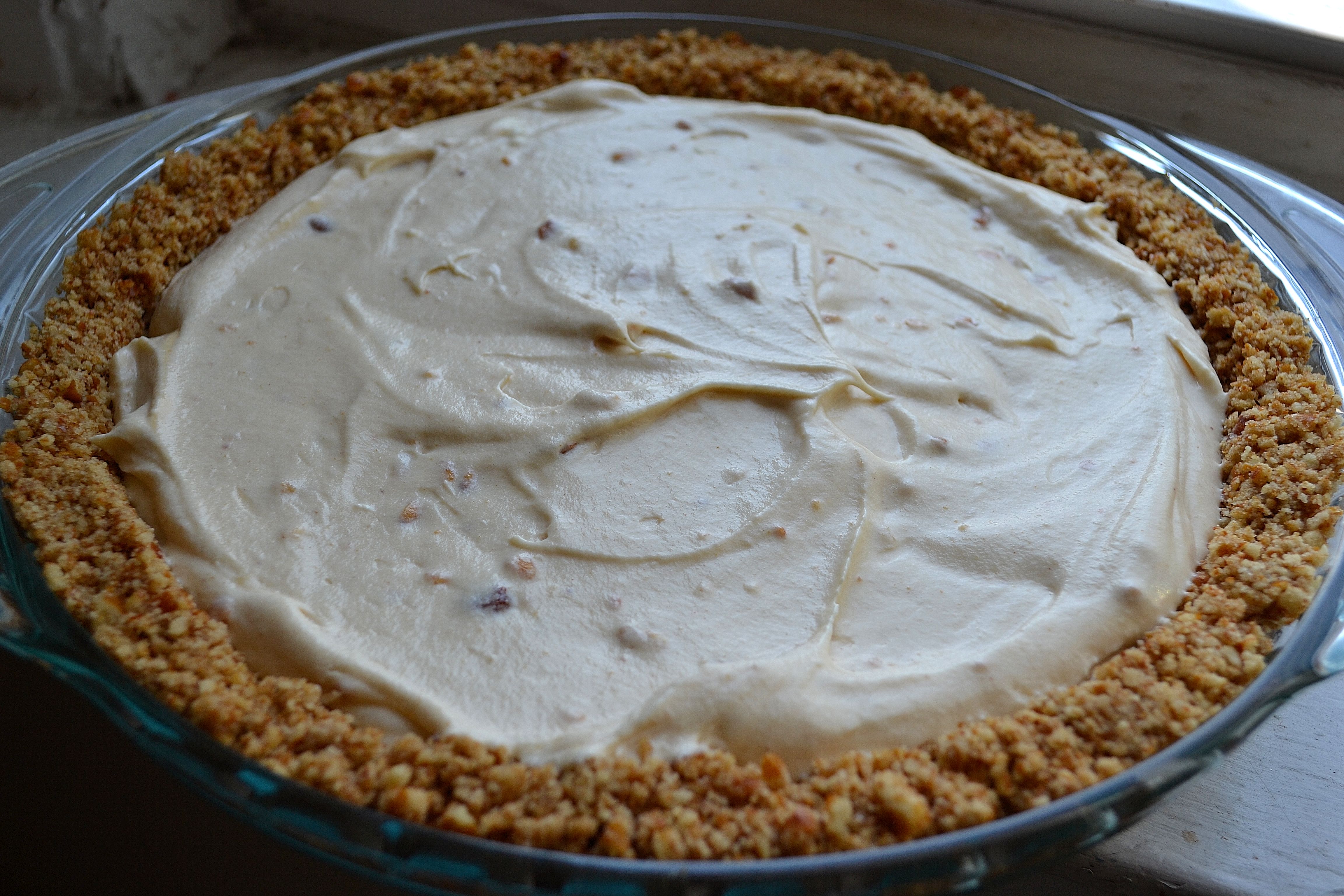
If there is such a thing as a pretzel addiction, then I am guilty as charged. I LOVE pretzels (as all my friends know). The duplicity of this pie is what makes it truly remarkable: sweet and salty, silky and crunchy, peanut and pretzel. This pretzel addict was sold.
This recipe was a combination of two recipes. It makes a very soft pie (fair warning) but with a fantastic flavor! That being said, keep this pie chilled until ready to serve.  Both the filling and crust are fairly simple (compared to the previous pie in this post), and can be made either the day of or the night before. For the sake of convenience, I almost always try to make things the day before, if possible. I made this pie with crunch peanut butter, to add some more texture to the filling. Click HERE to learn how to make this sweet and salty delight.
The musical pairing for these pies was a no-brainer: William Tell Overture. For those of you who are unfamiliar with this, think of every TV Show/cartoon with racing horses…remember that theme? Yes, this is a cliché choice for Derby Day pies, but the selection is far too fitting to ignore. This overture is (in actuality) the opening to Gioachino Rossini’s Guillame Tell – an opera that tells the story of the Swiss legend and hero William Tell. Yet the popular radio/television series The Lone Rangerhas forever displaced the context of this overture for millions of Americans. The overture is divided into four continuous sections. The known and loved excerpt comes from the Finale – the “cavalry charge” (contextually part of the battle scene in Guillame Tell) that served as the opening sequence for the classic television series.*** The video I have included here include the final two sections: the Ranz des Vaches, or “Call to the Cows”, and the Finale. The Ranz des Vaches has a pastorale quality, and features the English Horn; this section is yet another highly recognized theme. The recording features conductor Herbert von Karajan and the Berlin Philharmonic – I highly recommend taking the time to listen to the video “Part 1” as well to get a sense for the whole piece. Enjoy!

Sources cited:
* “Kentucky Derby.” Wikipedia.com
** “Derby pie.” Wikipedia.com
*** “William Tell Overture.” Wikipedia.com