A New Take on Holiday Traditions

For my family, the menu for Christmas dinner practically mirrors the cover of a “Good Housekeeping” holiday issue: creamy mashed potatoes, garlicky spinach, a juicy beef tenderloin, freshly baked cookies – the works. So when my roommate Jenn Berg offered to cook a meal with her take on tradition, you can imagine my surprise when she brought home a giant stack of tortillas and several pounds of ground beef. My Texan roomie was making her famous enchiladas, and I quickly understood why this could become a beloved tradition. She asked me to cover the desserts, and I made two that would make any Texan proud: Mexican Wedding Cakes and Sopapilla Cheesecake.
What’s interesting about Mexican Wedding Cakes is while the recipe is old, the name is fairly new. They are closely related to jumbles, a recipe dating back to the Middle Ages. They appeared in Russian culture around the 18th century as sweet confection in tea-sharing ceremonies. This tradition gave them the name Russian Tea Cakes – the shift to its current name has no evident impetus (though rumor has it the Cold War may have played a key role in the change).
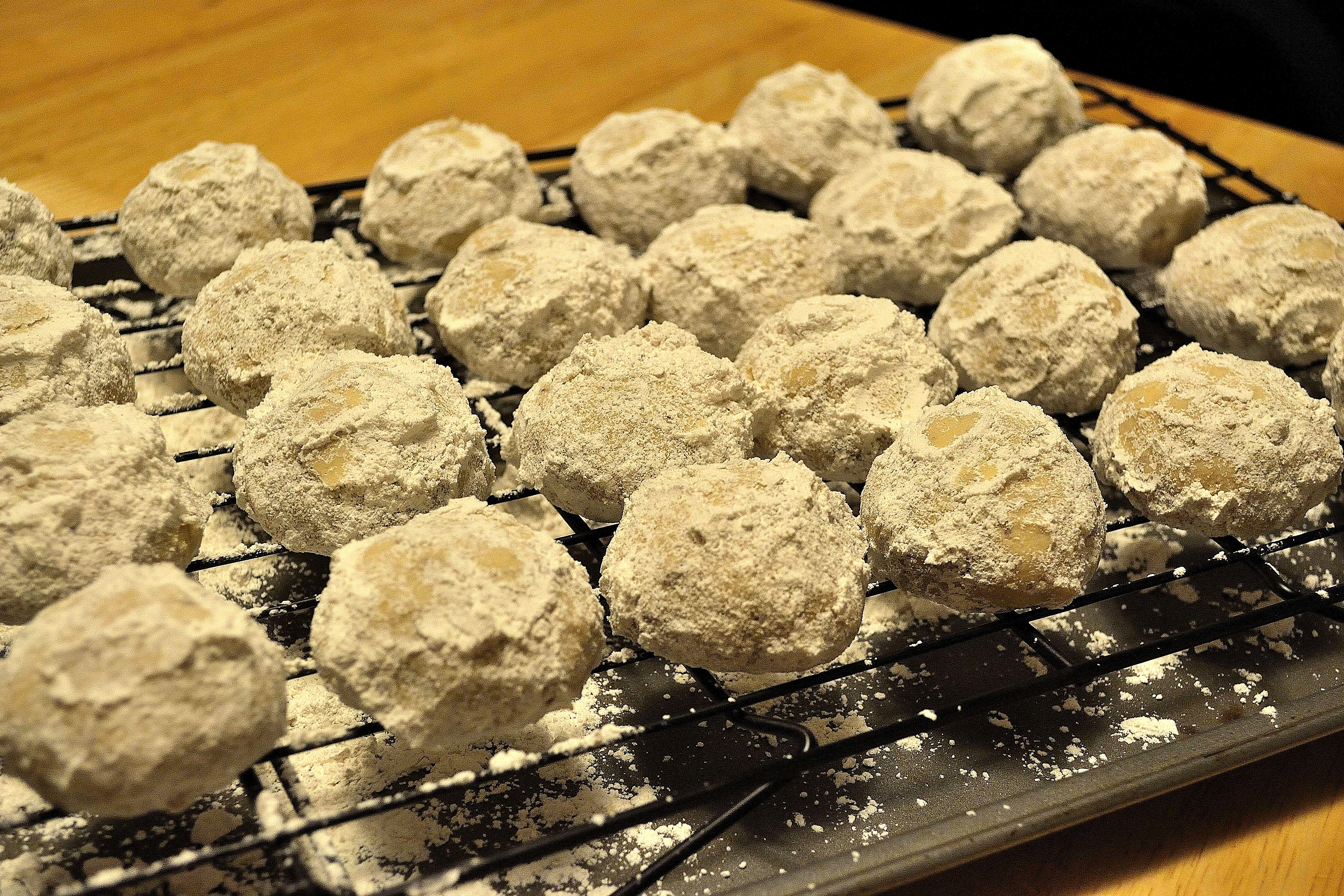
These are easily my favorite cookie – they are basically bite-sized pillows of nutty, sugary goodness that are all-too-easy to make. Their lightness comes from using confectioners’ sugar in lieu of regular, and the addition of ground nuts give them a contrasting texture that is irresistibly perfect. While still warm, they are then tossed in confectioners’ sugar – genius! I can guarantee you will make these a Christmas tradition for it will be love at first bite – click HERE to see the recipe for these addictive cookies.
Sopapillas are another Berg Family tradition. They are essentially fried pastry squares that are served warm with honey and/or confectioners’ sugar. I wasn’t fully certain I’d be able concentrate on deep frying after a long day’s work, so I sought an alternative; that’s when I happened upon this recipe. Cheesecake is a Christmas tradition for my family, so this twist felt all too appropriate. I’ll admit, I was initially apprehensive about this recipe: crescent dough, cream cheese and melted butter? Sounds like a gooey mess out of context. The verdict: this cake is ridiculous. I guess you can credit the butter, but the dough does achieve a flaky texture emulating its sopapilla intention. It’s extremely easy to make, and yet still can bring anyone to their knees with its cinnamon-sugary goodness – click HERE to see how to make this unique twist on cheesecake.
I wanted a pairing the embraced the fun, unique take on tradition, so I chose Danzón No. 2, by Arturo Márquez. A celebrated Mexican composer, his works draw significant inspiration from the traditional styles and rhythms of his culture. In terms of Mexican contemporary music, this piece is one of the more venerated among orchestral repertoire (much like these two desserts will be in your baking repertoire!). I’ve included one of the more famous recordings  of this work – Gustavo Dudamel and the Simon Bolivar Orchestra. Enjoy!

http://www.youtube.com/watch?v=3vwZAkfLKK8

Sources Cited:
“Russian Tea Cake,” Wikipedia.com
“Food Timeline: Cookies, Crackers, & Biscuits,” FoodTimeline.org

A Refreshing Trip

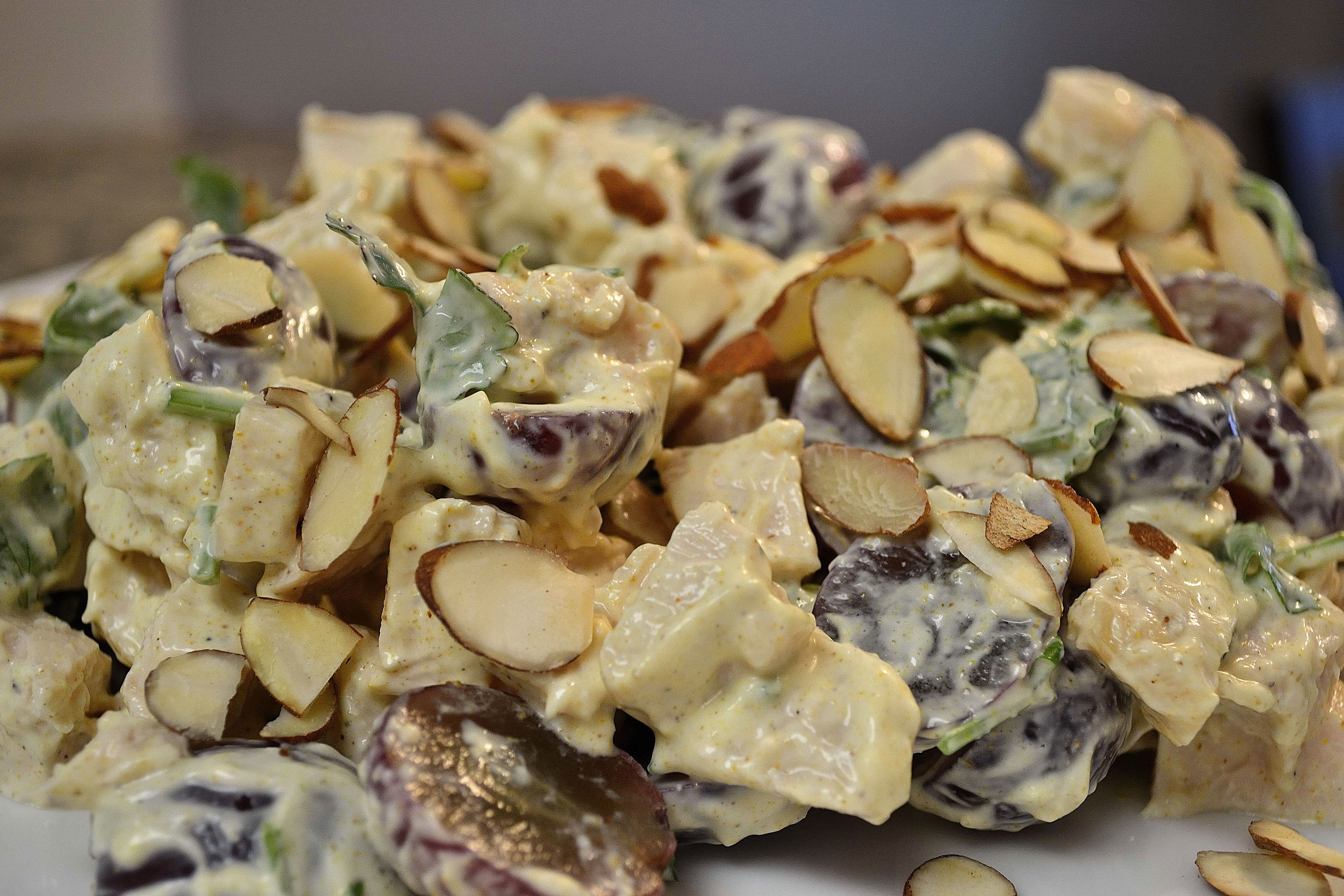
I spent this past weekend visiting with my mom in Philadelphia – she just moved there from Atlanta, and is still getting acclimated to a whole new city. We did all of the tourist-y things, from Reading Terminal Market (a foodie’s paradise) to Independence Hall. Having never spent much time in Philadelphia, I can officially say I’m enamored with that city – it’s similar to Boston (both epicenters of American history/tons of cultural opportunities), and has a great energy. Before leaving for the airport, we had a quick, healthy lunch of Curried Chicken Salad.
Rather than being the bland, mayonnaise-laden salad that you encountered at every family picnic, this salad has way more to offer with half the guilt. The recipe is courtesy of Food Network’s health guru, Ellie Krieger. With degrees in nutrition and public health, she creates dishes that are both flavorful and wholesome. For this salad, she replaces  mayonnaise with Greek yogurt.
She adds grapes for a touch of sweetness and color, cilantro to liven it up, and almonds for the added texture. That’s it! After one bite, my mom was hooked. It can be served atop a bed of greens, in a sandwich, or on crackers. So if you’ve got a rough week ahead, whip up a batch of this to give you a boost – click HERE to see how.
For the musical pairing, I wanted to choose a composer my mother truly adores – Mozart. His style beautifully complements the lightness of this dish. As there were only four major components in this salad (aside from the dressing), I thought a quartet would be suitable for this. So I chose his String Quartet No.4 in C major KV 157. This was one of the six quartets Mozart composed while in Milan (called the Milanese Quartets) – he was only sixteen at the time. The recording I’ve included is by the Jerusalem String Quartet. Thanks for a wonderful weekend in Philly, Mom – enjoy!

http://www.youtube.com/watch?v=FKzc4LMe8oU&feature=related

Sources Cited:
“Milanese Quartets (Mozart),” Wikipedia.com

Just Can’t Get Enough

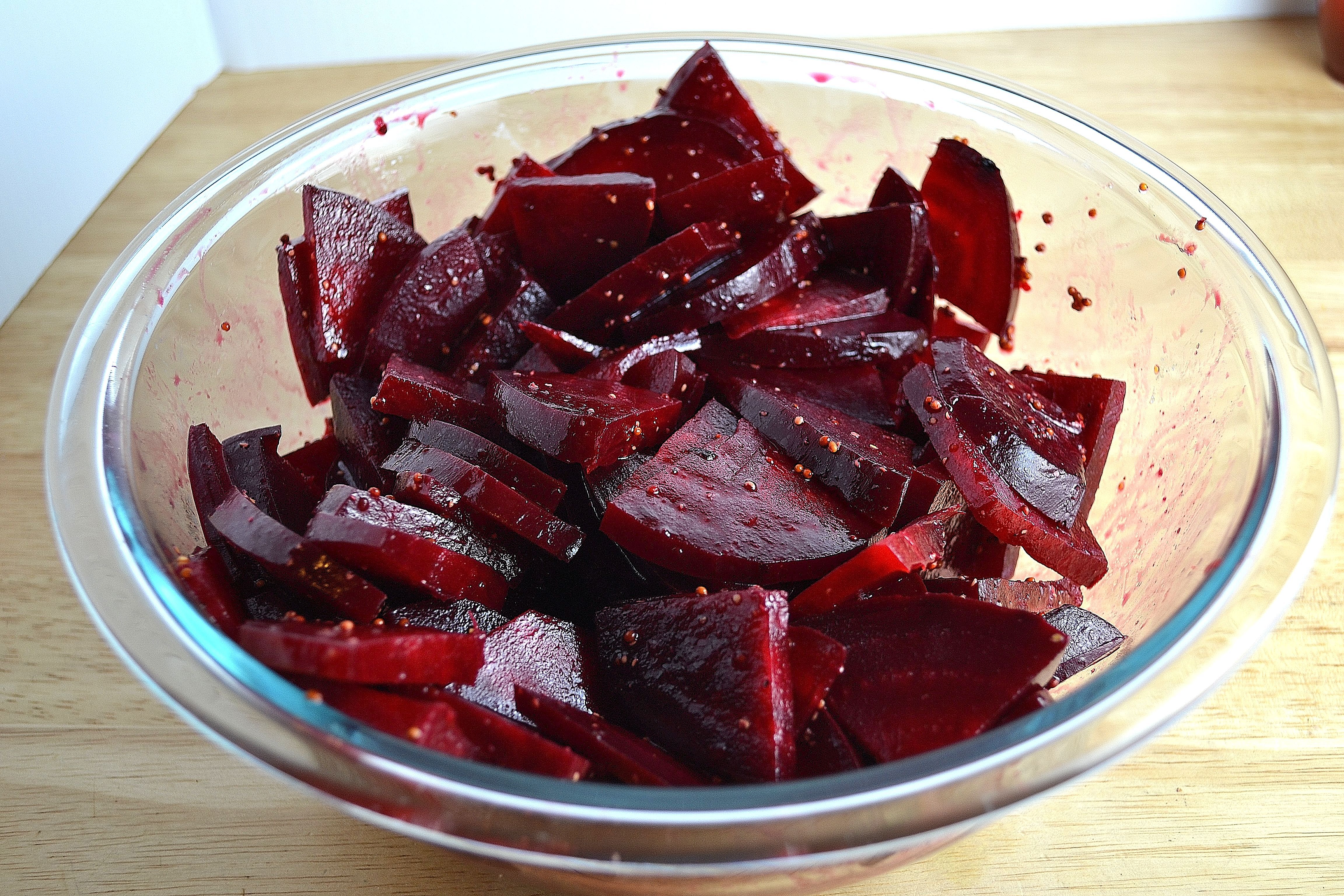
Beets – a true “gem” of a vegetable. As beautiful as they are nutritious, these ruby-red root vegetables have made a comeback in the culinary world. From impressive garnishes to hearty soups, beets have the ability to liven up any dish. There are a number of ways to enjoy them, from boiled to raw. When trying to find a recipe for a dinner with my close friend Maya Jacobs, I chose to make a Roasted Beet Salad.
Those who have cooked beets are all too familiar of their notorious staining quality. Beets get their color from betalain pigments, producing hues that range from sunny golds to dark crimsons. The cells containing these pigments are very unstable, causing their color to bleed when handled (cut, scrubbed, basically anything). They leave a nasty stain, so I recommend NOT wearing your favorite white shirt while preparing them.
These beets are cooked skins-on, which allows them to retain the majority of their juices during the cooking process. Be sure to allow them to cool to a reasonable temperature before removing the skins – trying to handle scalding beets will inevitably leave you covered in beet juice. While this is a very simple salad, it is packed with flavor – the vinaigrette helps balance the sweetness of the beets, with the whole-grain mustard providing a nice visual contrast. This is superb recipe, and remarkably easy to make – click HERE to see how to make this colorful dish!
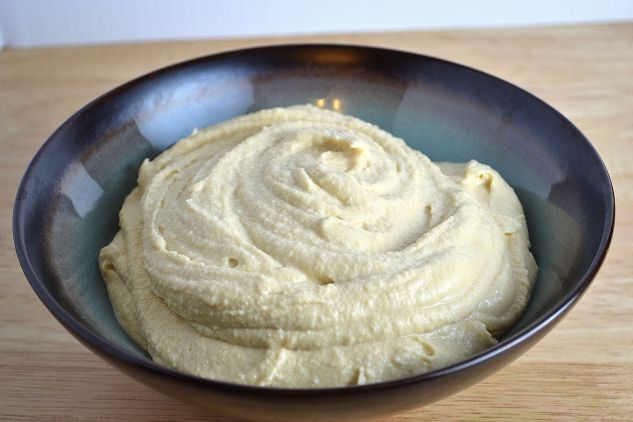
I mentioned this was a dinner with my friend Maya…and I am FINALLY getting to blog about her famous hummus! The trick here is really basing things on sight and taste, rather than precise measurements – Maya knows what makes a solid hummus, so it definitely takes practice. The ingredients are simple, and I encourage all my readers to give this a shot – click HERE to see Maya’s acclaimed recipe!
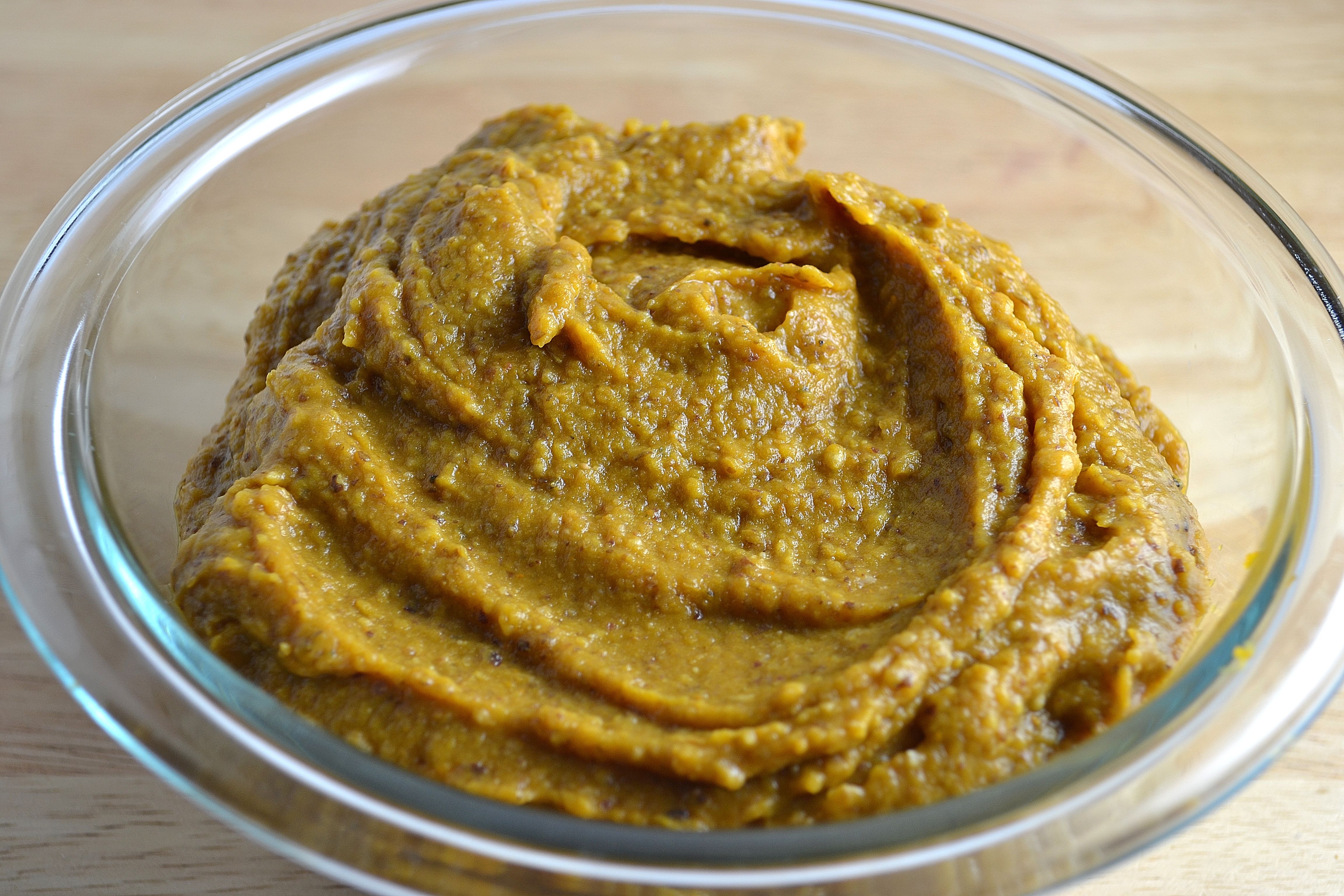
Both hummus and beets have a rich history in Middle Eastern cultures, which led me to the arabesque – an Islamic art form known for its vegetal, flowing design. The term found its way into Western classical music as a way for composers to evoke an Arabic ambiance. One of the more famous examples is Claude Debussy’s Deux Arabesques. One of Debussy’s earlier works, this work (for solo piano) was composed when he was still in his 20’s. Both movements are filled with embellishments, the first more serene and the second more lively. I hope you enjoy!

http://www.youtube.com/watch?v=28Qi4jLtigc

Sources Cited:
“Arabesques (Debussy),” Wikipedia.com

Going Beyond Potential

After a long day at work, going to the grocery store to try and brainstorm recipe ideas is the last thing I want to do. It’s moments like these where I rely wholly on what’s currently stocked in my pantry, hoping there will be just the right mixture of fresh and canned to create somethin. Such was the case when I decided to whip up a few snacks to take over to a friend’s the other night. I wanted dishes that would be quick to prepare (since it would be after said long day at work) and easy to transport. After surveying what I had on hand, I chose to make a Pumpkin Bean Dip as well as a batch of Parmesan & Thyme Crackers.
The thing I love most about dips is their simplicity, where dumping the ingredients into a food processor is often the only step required. This extremely simple appetizer is a different spin on your average bean dip, and perfect for the fall! The pumpkin adds a creamy finish that pairs beautifully with the earthiness of the beans. I doubled the recipe, a decision justified once everyone was reaching for seconds after the first bite – click HERE to make this beautifully simple appetizer!
I’ve spoken about my love for Ina Garten before – this woman is fabulous! She lives in the Hamptons in a gorgeous home, with (of course) a HUGE kitchen that has everything you would ever need/want. She basically spends the majority of her time cooking and socializing – a dream life. Her approach to cooking is relaxed and down-to-earth, creating recipes that are both simple and elegant. These savory crackers were addicting, yet required minimal effort – another Ina success!
For the “pantry” part of this recipe, I just happened to have a very good Romano cheese in my refrigerator. While the recipe calls for Parmesan, the Romano was a beautiful substitute. There are only 6 ingredients total, making these a perfect last-minute snack for gatherings. The thyme adds an earthy tone that really brings these up a notch. Constructing the dough into a log was the only tricky part of this, but the result was certainly worth the effort. These crackers, though seemingly basic, achieve far more than what might be expected – click HERE to see how to make these savory treats!
I’ve always been a sucker for Chopin, and it just so happens that the friend I made these lovely appetizers for was Brian McCarthy – a pianist who plays Chopin beautifully! Knowing that the piece I chose should also reflect the timeliness of these recipes, I chose a work that was short yet filled with color: Chopin’s Étude Op.10 No.1 in C Major. Much the way these dishes reinvented the potential of everyday pantry staples, Chopin took the étude form and created it into something far greater. His etudes exhibit an eloquence and emotional depth that place them on par with performance repertoire. This specific work captures the best of Chopin’s style with the genre. The recording below is with Valentina Lisitsa – enjoy!

http://www.youtube.com/watch?v=ROVy9PC8_8A

Sources Cited:
“Frédéric Chopin,” Wikipedia.com

A Smile for the Day

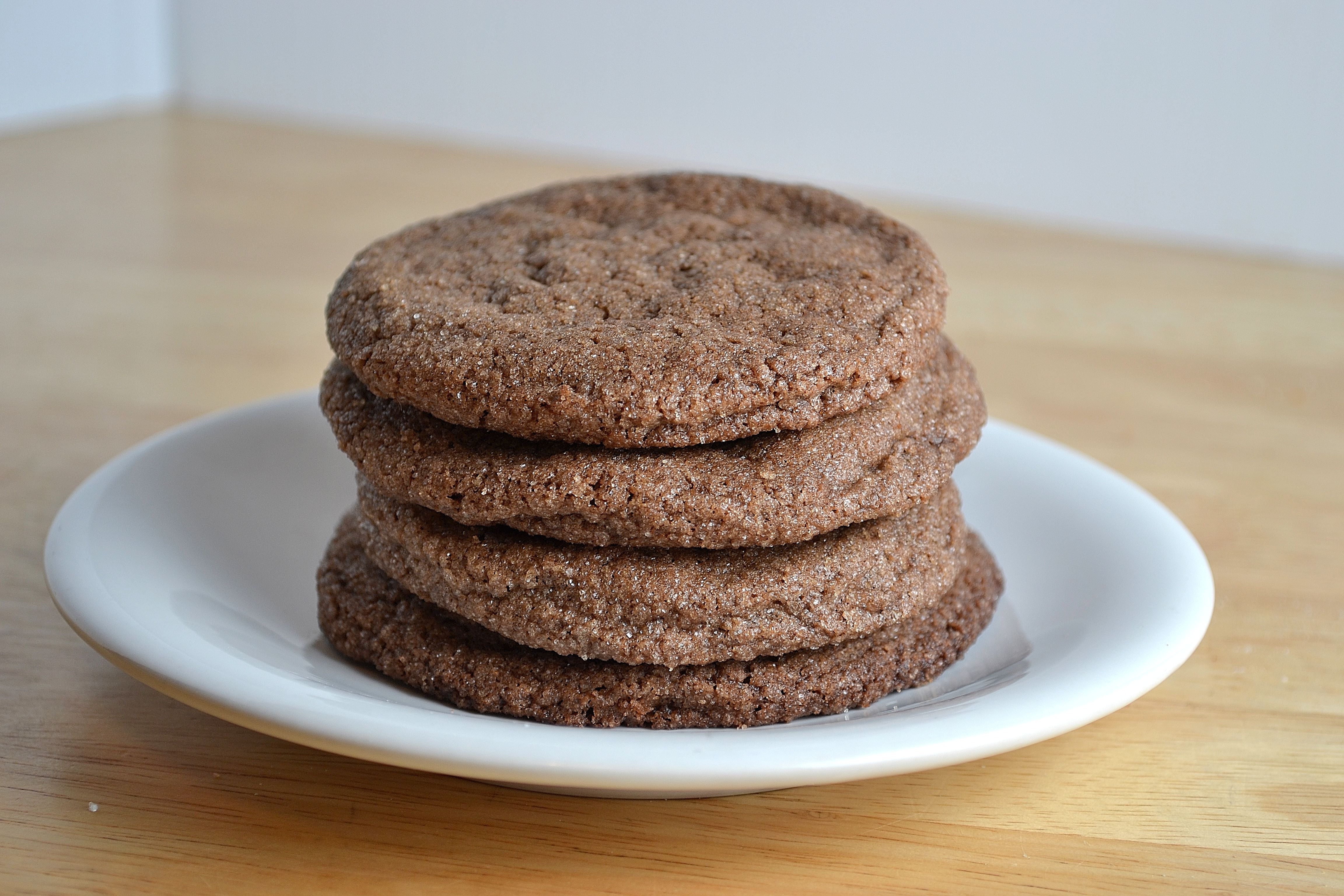
There is something perfectly adorable about cookies. Fresh out of the oven and paired with a glass of milk, they can be the perfect way to relax at the end of a tough day at work. They are also an ideal dessert for large gatherings (cakes tend to be too complicated, trust me on that one). A group of friends gathered for an evening of music and food the other night, and I thought cookies would be the perfect complement. I wanted cookies that were both fun yet simple, so decided to bake Chocolate Snickerdoodles and Chewy Peanut Butter Cookies.
I have to be honest: the main reason I baked these is because I love saying “snickerdoodle.” It’s one of those words that you can’t help but smile after saying it. Allegedly the name is of German origin, as a corruption of the word Schneckennudeln (which means “snail noodles”…still smiling after this). The original version of this recipe is a basic sugar cookie rolled in cinnamon sugar. I saw this chocolate version in an issue of Food & Wine I picked up at the airport, and knew I had to give them a shot – click HERE to see the recipe for these chocolatey treats.
Peanut butter cookies are a classic, and rarely fail to please. Basically a sugar cookie enriched with peanut butter, they are extremely simple to make. The practice of “cross-hatching” these with the tines of a fork dates back to 1933, with the edition of Pillsbury’s Balanced Recipes. The result gives the cookies a more aesthetic appearance – upping their “cute appeal,” if you will. I’ve tried peanut butter cookies with a number of add-ins, but the simple classic can never be topped – click HERE to see the recipe for this all-time favorite.
Cookies are always a fun project – not only do they make your house smell amazing, but they can be made with a few ingredients and minimal effort. That led me to a piece I found by chance: Three Preludes, by George Gershwin.  These are your typical Gerswhin, filled with jazzy appeal and spirit. Originally for piano (and premiered by the composer himself), they have since been transcribed for a number of solo instruments. The way I came across this set was by doing a YouTube search on the virtuoso Jascha Heifetz. I found the works so charming that I knew I had to pair them on this blog. I hope these will also bring a smile to your day – enjoy!

http://www.youtube.com/watch?v=NjMJRINJNTo

Sources Cited:
– “Snickerdoodle,” Wikipedia.com
– “History of Cookies,” WhatsCookingAmerica.net
– “Three Preludes (Gershwin),” Wikipedia.com

Do You Believe in Magic?

Baking elaborate cakes can be an exciting challenge, but sometimes it’s the simple things that really shine. I had invited a small group over to hang out, and it just so happened to be my friend Kyle’s birthday as well! I wanted to make something quick and easy, knowing that a cake would be too much for a small crowd. With only seven ingredients, this dessert was shockingly good! It’s no wonder they are called Seven Layer Magic Bars.
The “magic” in these bars comes from the sweetened condensed milk. Granted, chocolate and butterscotch combined with walnuts and coconut is pretty fantastic on its own. But these all come together thanks to this decadent ingredient. Condensed milk is basically milk from which water has been extracted and sugar added to. Once canned, it can have a shelf life that lasts for several years. Condensed milk can be found in recipes around the world, from the Brazilian Brigadeiro to the English Banoffee Pie.
First appearing in cookbooks in the 1960s, these cookies quickly became and still are Eagle Brand’s most popular recipe. These cookies don’t require any eggs, making them a quick fix for any busy weekday. That being said, they are insanely delicious and definitely worthy of a special occasion. My friends certainly agreed – click HERE to the secret to these wonderful bars!
I thought that for a recipe with seven ingredients, a septet would be a great pairing. That led me to the beautiful Introduction and Allegro for Harp, Flute, Clarinet and String Quartet by Maurice Ravel. Ravel wrote the work on a 1905 commission by the Érard company to celebrate its creation of a double-action pedal harp. The work is well-known amongst harpists, resembling more of a miniature “concerto” than a chamber work for the instrument. It demonstrates the agility and expressive range of the harp, with the quartet and winds providing colorful context. I performed this work several years ago with my beloved friend, harpist Lucia Stavros (she did a fabulous job, as always!) I hope you enjoy this piece as much as I do!

http://www.youtube.com/watch?v=5s6suaIQVzI

Sources Cited:
“Condensed Milk,” Wikipedia.com
“Introduction and Allegro (Ravel),” Wikipedia.com

Food for the “Starving Artist”

Perhaps I’m old-fashioned, but I prefer to be surrounded by lots of people when serving good food. What’s the point of creating a masterpiece if it can’t be enjoyed by others? This need for expression is a quality I can blame on my musical training 🙂 Yet sometimes a group can become much bigger than anticipated, and what was supposed to be 5 people suddenly turns into 10. It’s times like this when I seek recipes that give the most bang for the buck, and the May 2011 issue of Cooking Light had just the answer: Maple-Mustard Chicken Thighs.
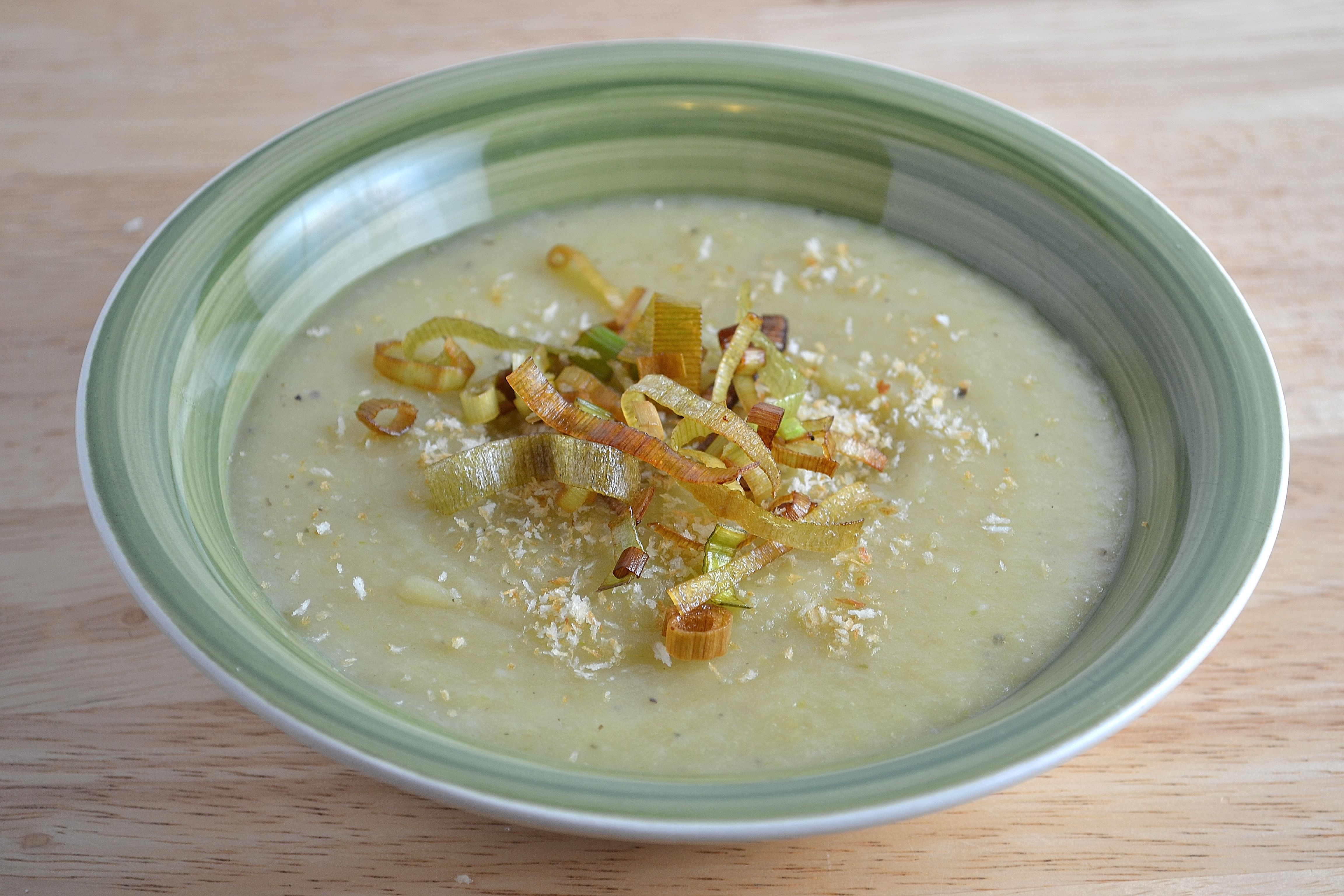
I can almost guarantee that 90% of the ingredients for this marinade are currently sitting in your pantry (I’m not counting those who only eat microwaveable meals, naturally). This is a fantastic sauce, with the perfect balance of sweet and spicy. I’m also a firm believer in chicken thighs as they are less costly and more tender than chicken breasts, so this meal was bound to please – click HERE to learn more about this budget-friendly and amazingly delicious dish! I served these with a side of Leek and Potato Soup that was quite flavorful (and vegan!) – click HERE to see the recipe for this dish. 
I couldn’t help but pair this meal with (for the second time in a row) a piece by Mozart. The concept of the “starving artist” is famously affiliated with Mozart, and his works are arguably staples of the classical repertoire (much like the ingredients of this dish are “pantry” staples themselves). When discussing Mozart’s hardships, his Requiem is more often than not central to the conversation. This meal was very good, but far too modest to pair with such an exalted work. That led me to the gorgeous motet Ave verum corpus in D major, K. 618 (which many believe to be a precursor to the Requiem). Under 50 measures in length, it is orchestrated for choir, string orchestra and organ. The beauty of this piece is how it attains depth through tranquility, and can reach right into the soul. I’ve included a recording featuring the choir and orchestra of Bayerischer Rundfunk(Bavarian Broadcasting) with Leonard Bernstein conducting – enjoy!

http://www.youtube.com/watch?v=6KUDs8KJc_c

Sources Cited:
“Ave verum corpus (Mozart),” Wikipedia.com

The Irresistibility of Cheese

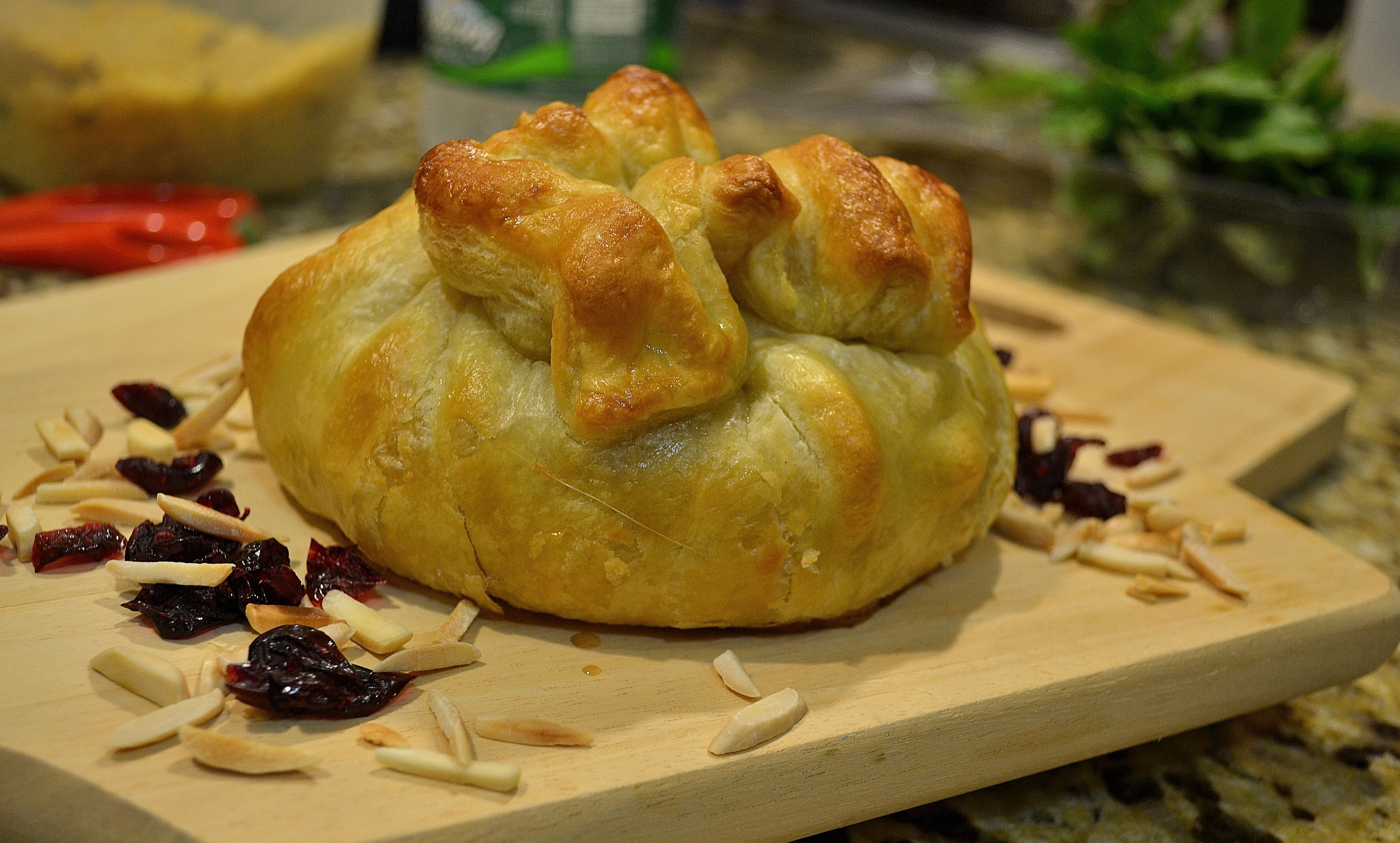
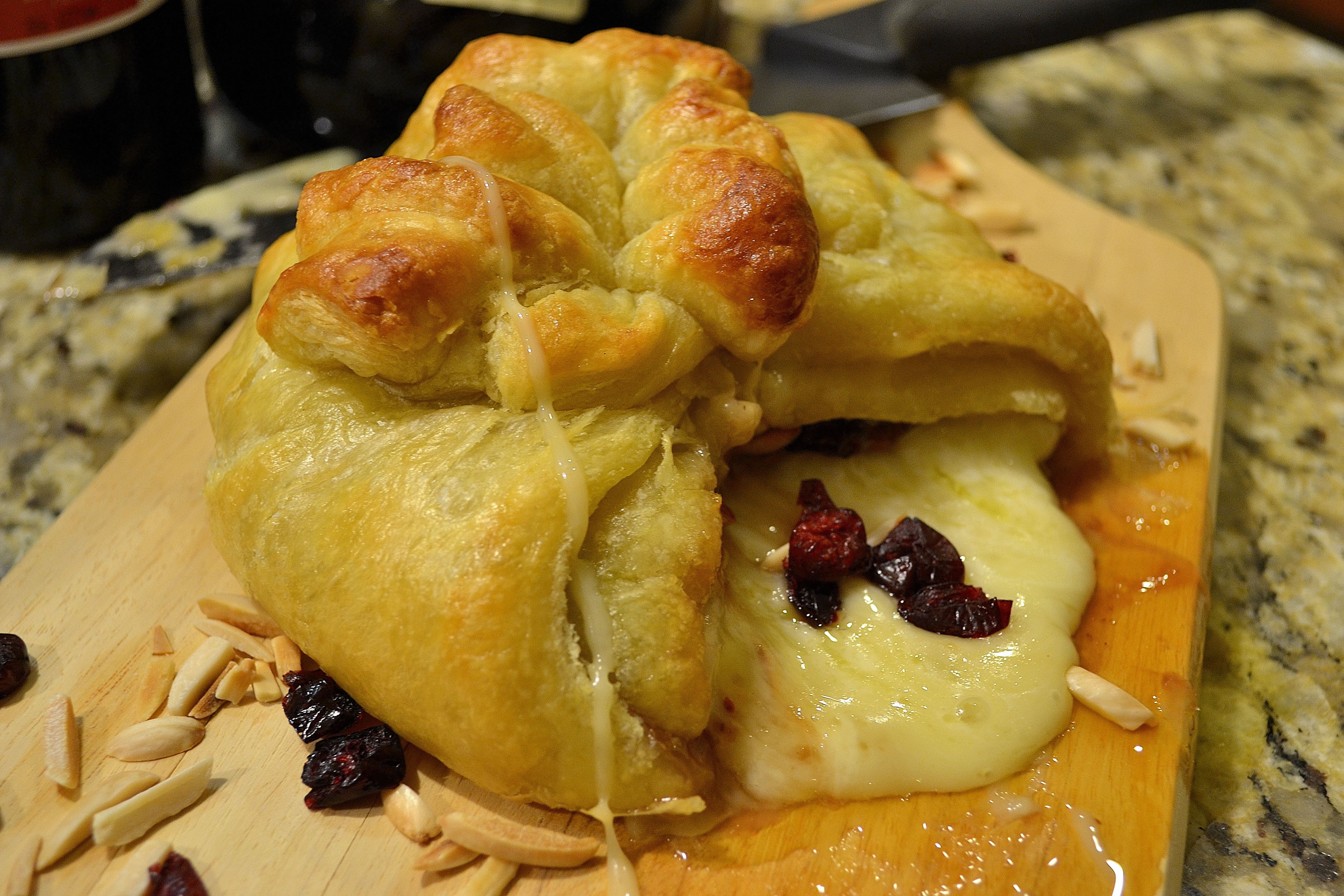
While I’m not the biggest fan of a “European” dinner (basically eating later than 8 or 9pm), I find they are becoming more common in my social circles. As a hostess, you can guarantee that at least half of your guests will be craving some type of comestible before then, especially if you are serving wine or beer ahead of time. Enter the saving grace of the hors d’oeuvre: a time-honored tradition that has relieved many a host from rushing to finish a meal. I attended a dinner this weekend and offered to provide the appetizer course. Knowing that there are few who can resist a good cheese dish, I made adorable Caprese Salad Skewers with Saba Dressing and a creamy Brie en Croute.
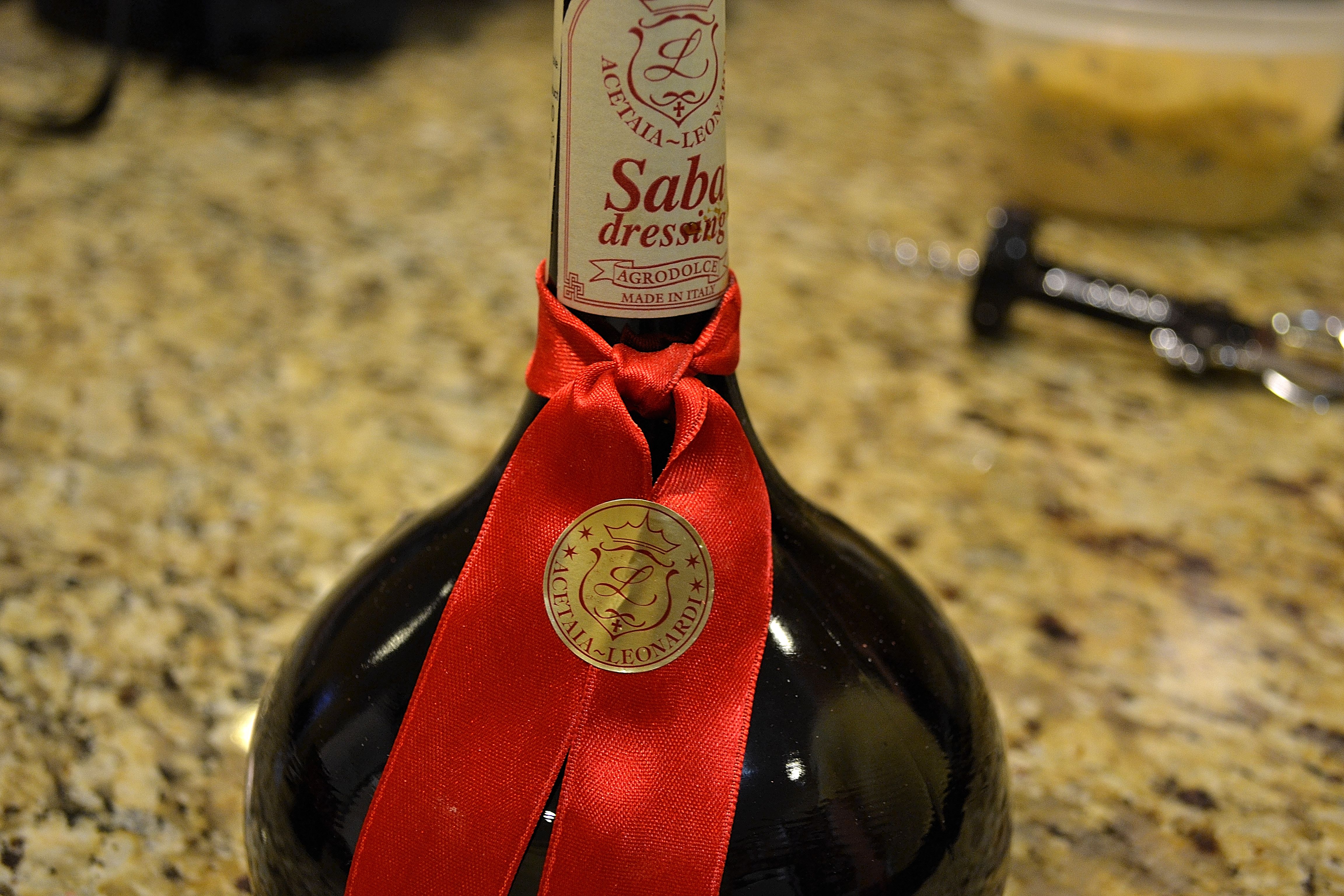
Let’s start with the skewers (the more innocent of two): caprese salad is a wonderful dish on its own, but what really made this shine was the Saba dressing. My initial intention had been to make a reduced balsamic, yet our host introduced to this gourmet item. Made from the same grape (Must) as balsamic vinegar, Saba is reduced over an open flame in copper kettles to a thick, sweet syrup and is then aged for FOUR years! Reduced balsamic vinegar can easily be substituted, but this stuff is UH-mazing!
These skewers are SO simple, and pack a lot of flavor in one bite! You can get creative with this combination and add other flavors, such as olives for a Mediterranean flair or cheese tortellini for a more filling dish. The dressing can also be modified, from a more subtle red wine vinaigrette to a spicier  lime-pepper glaze. Assemble them as close to serving as possible so the ingredients maintain a fresh, colorful look – click HERE to see how I made these bite-sized delicacies!
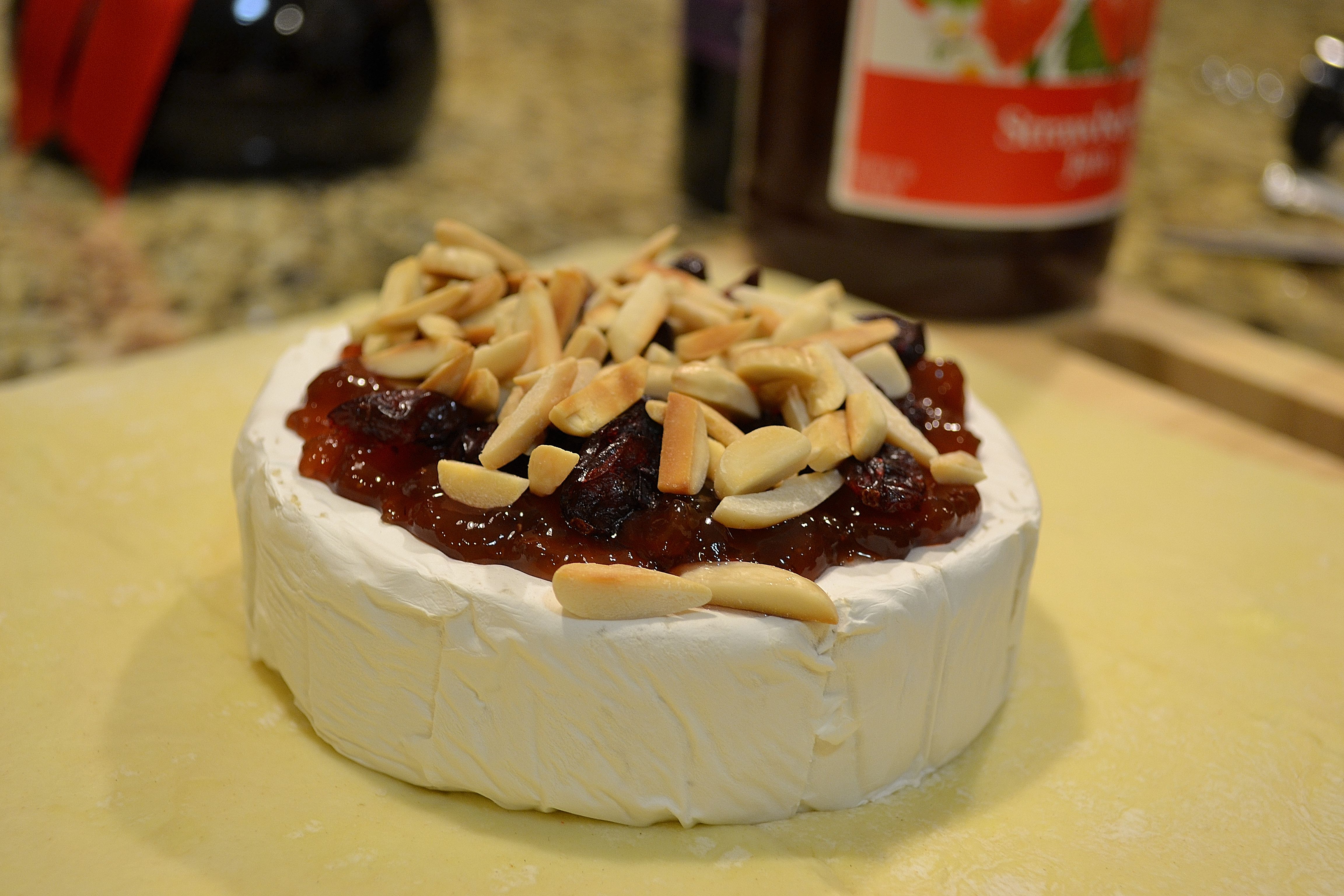
Baked brie is undeniably a seductive dish, and I use that word very rarely when it comes to food. The jeweled fillings of jams and dried fruits, combined with a toasted crunch from the almonds, make for a beautiful aesthetic. But it’s when you take that first slice after removing the oven that your guests will “melt” at the sight of the creamy, rich brie. This is also a very easy dish to make, and the flavors (once again) can be changed to your liking (sweet or savory!) – click HERE to learn how to make this irresistible appetizer.
Both of these appetizers are classics, and I wanted to pair them with a classic piece: Mozart’s Clarinet concerto in A major, K. 622. Written in 1791, this work is renowned for showcasing the delicate yet lively character of the clarinet. The interplay between the clarinetist and the orchestra is quite remarkable, acting as more of a conversation rather than just a soloist with accompaniment. This reciprocity beautifully mirrors the above dishes, where every element and part counts in the ultimate taste. The recording I’ve included below is with clarinetist Martin Fröst, and essentially cuts the opening orchestral tutti (which is nearly 60 measures long) to just before the soloist’s entrance – this is personally one of my favorite Mozart concertos, and I hope you enjoy it just as much!

http://www.youtube.com/watch?v=DVXFONkLPok&feature=related

Sources Cited:
“Clarinet Concerto (Mozart),” Wikipedia.com

A Global Delicacy

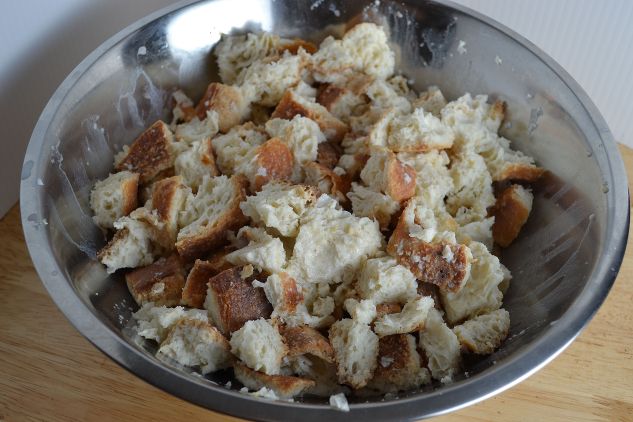
When you host social gatherings as often as I do, you are left with a bunch of odds and ends in your kitchen: half-eaten bags of chips, nearly depleted salsas, cheeses of every variety, etc. These leftovers often find their way into my culinary creations. More recently, I found myself with a collection of untouched baguettes that were too stale to enjoy, yet too young to toss. My upstairs neighbors also had an untouched leftover: dark rum. The solution was just too easy: Rum Raisin Bread Pudding.Like many food histories, that of bread pudding isn’t necessarily traceable to a specific region. This simple way to use up stale bread finds footing in a number of cuisines, such as European stuffings, Indian Shahi Tukra, and the Spanish Capirotada. With liquid and sweeteners as a starting point, it’s no wonder that this dessert is such an international delight. With such a simple base, the add-in options are endless: sliced fruits, chocolates, dried fruits, nuts, syrups, the list goes on!
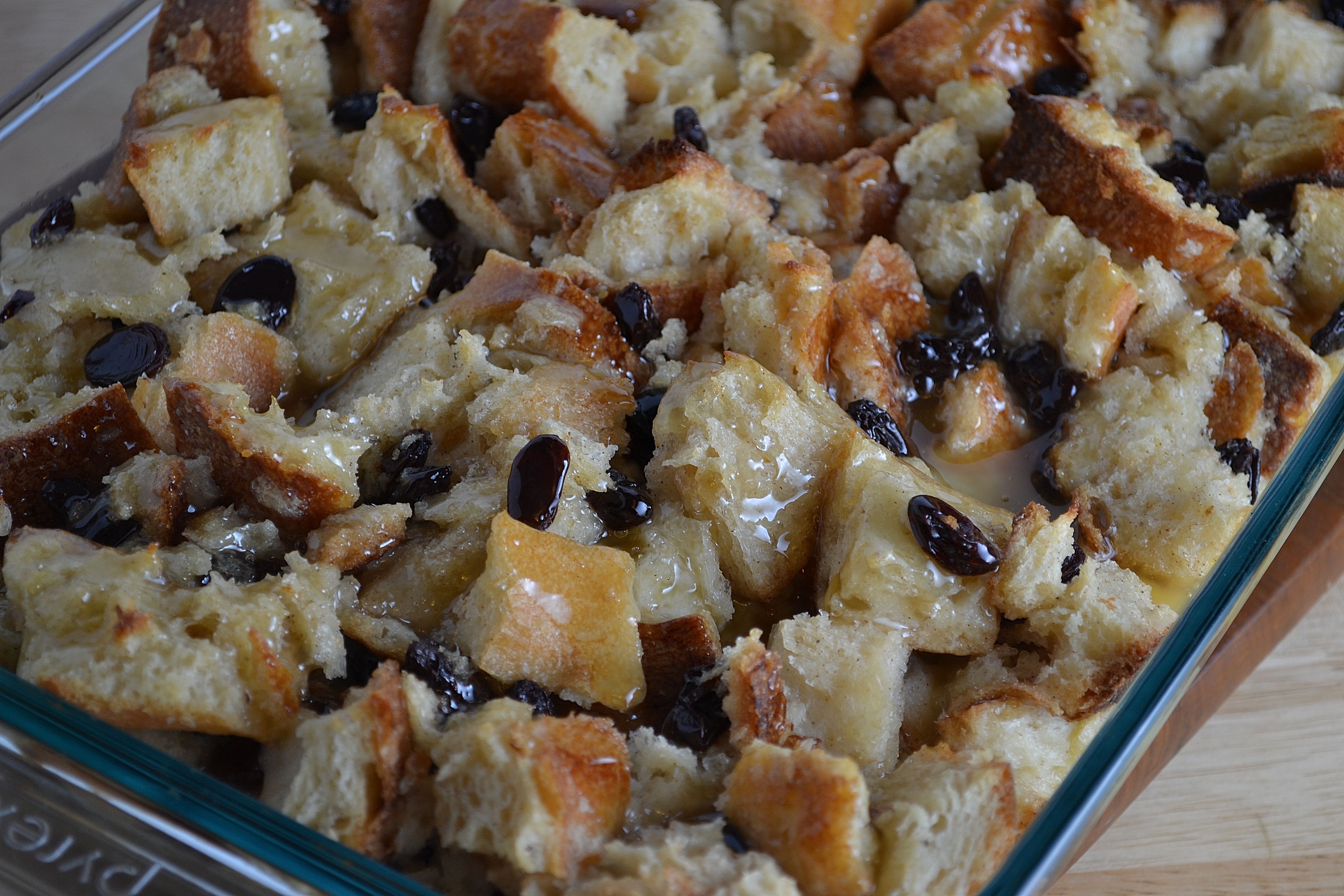
I’ve personally always felt that dried fruits work wonders in bread pudding, and the thought of rum raisins was a hard one to shake. I can’t tell you how easy this is for being SOOO good! My only confession on this dish: the sauce was a near-disaster (rum bubbling over saucepan = unexpected flambé!). PLEASE remove the pan from the heat before adding the rum. That being said, the sauce made this pudding Oh.So.Good – Click HERE to make this simple, delectable treat today!
Though he’s been paired several times on this blog already, Debussy is yet again a composer whose music most suitably fits this dish. Though rather than the qualities of his style, my pairing refers more to his actual influences. As this dish is arguably “a worldly staple,” I wanted a composer who drew from international influences. Debussy is a wonderful example, with a wide range of cultural inspirations: Russian music by prominent composers of his time, the works of English painter Joseph Turner and Japanese artist Hokusai, gamelan music of Java (which he experienced at Paris’s Exposition Universelle in 1889), the German composer Richard Wagner, an extensive selection of literature, etc. The work I chose exhibits a number of “exotic” influences: Estampes. This work, for solo piano, consists of three movements that reflect a variety of cultures. The first movement (which I’ve included here) is structured on pentatonic scales and hints at melodies redolent of East Asia. The second draws inspiration from Spanish styles, while the third reflects on his native France – enjoy!

http://www.youtube.com/watch?v=VbXZPGm2YIs

Sources Cited:
– “Puddings, custards, & creams,” FoodTimeline.org
– “Capirotada,” Wikipedia.com
– “Claude Debussy,” Wikipedia.com