
 If there is one true weakness of mine, it is hosting: dinner events, cocktail parties, game nights, the list goes on. There is something inherently gratifying in welcoming others to your place with delicious food and good drink. While these may sound like the musings of a 1930’s housewife, I can guarantee that my hosting addiction has both economic and personal benefits. For those familiar with Boston’s social scene, it is well known that affordable options tend to be an anomaly. Why spend $10 for one hamburger when I could spend that same amount to buy the ground beef it takes to make 6 or 7?? As for the personal benefits, just think of how much more you can hear, see, and experience your friends when you are NOT having to deal with extraneous ambiance (loud music, weak lighting, unruly children, etc). Top that with the hassles of splitting a three-digit bill seven ways, and your night of fun has turned into a night of panic. This isn’t to suggest that I never leave my apartment – Boston certainly has its pick of choice restaurants and bars. Yet for the aspiring cook, at-home functions are the most valuable resource. This past weekend, I had several friends over for a night of Apples to Apples (a game that never gets old). I prepared several of my “famous” hors’doevres for the occasion, with a few new experiments as well. I’ve only included two in this post, but given my weakness I expect hors’doevres to be a recurrent theme – Lemon Chicken Skewers with Satay Dip and Creamy Sage Dip with Crudités.
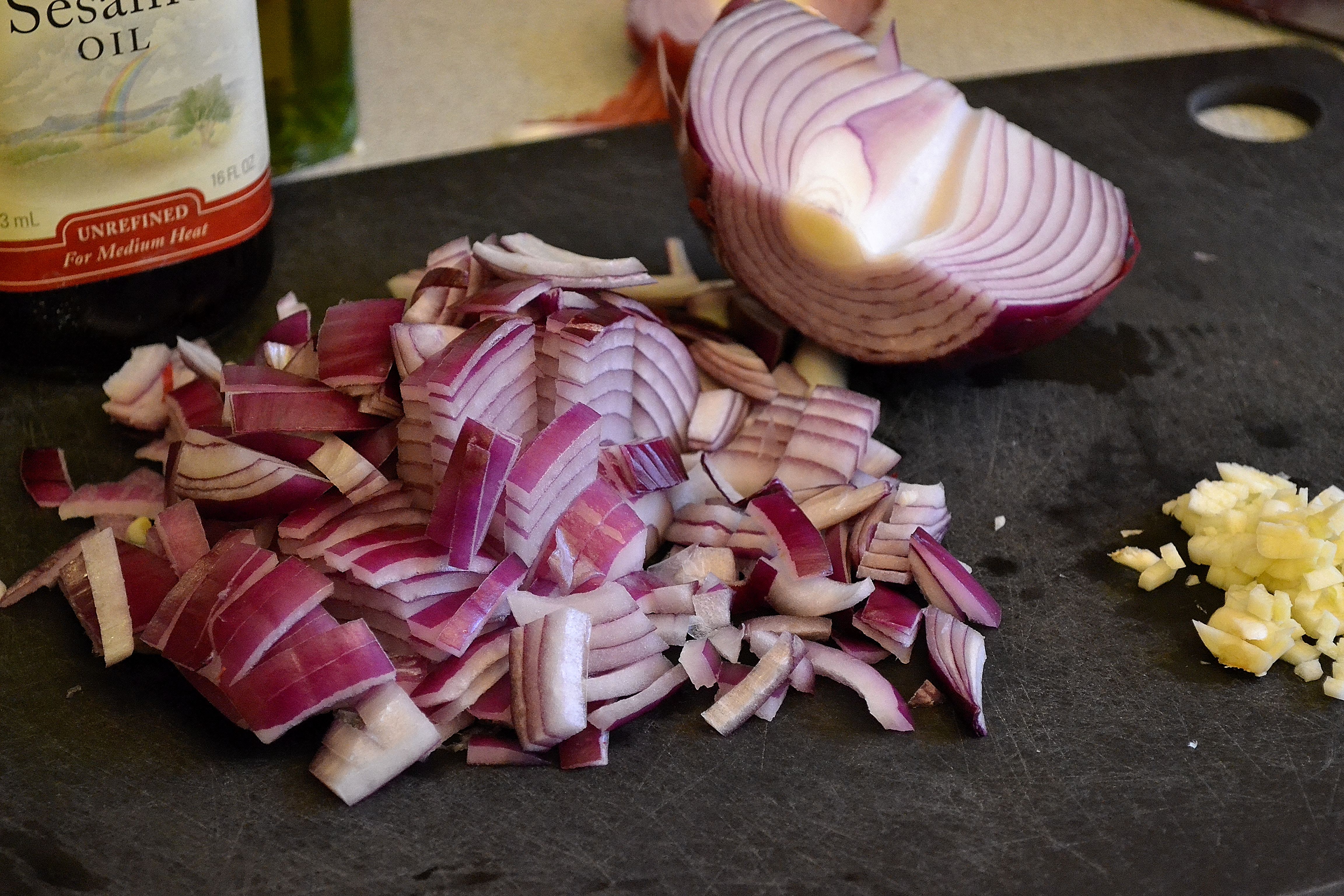 As aforementioned, the Barefoot Contessa is a huge inspiration to me, with practically all of her recipes producing flawless results. I had made this recipe of hers several times before, and it is always the first dish to go. The original recipe calls for grilling the chicken, but as is the case with city apartments, I am limited to the conventions of indoor cooking. Broiling is an effective substitute – just be sure to soak the wooden skewers for at least 30 minutes (unless you have metal) and to have a window cracked to let out the smoke that will (most likely) result from the broiling. Don’t be afraid about the whole “lemon juice cooks chicken” myth – according to the USDA*, chicken can safely be marinated for up to two days in the refrigerator. The lemon’s acidity breaks up the poultry tissue, creating a more tender meat – but too much time can create a tougher meat. So, I wouldn’t suggest marinating this chicken for more than 4 hours.
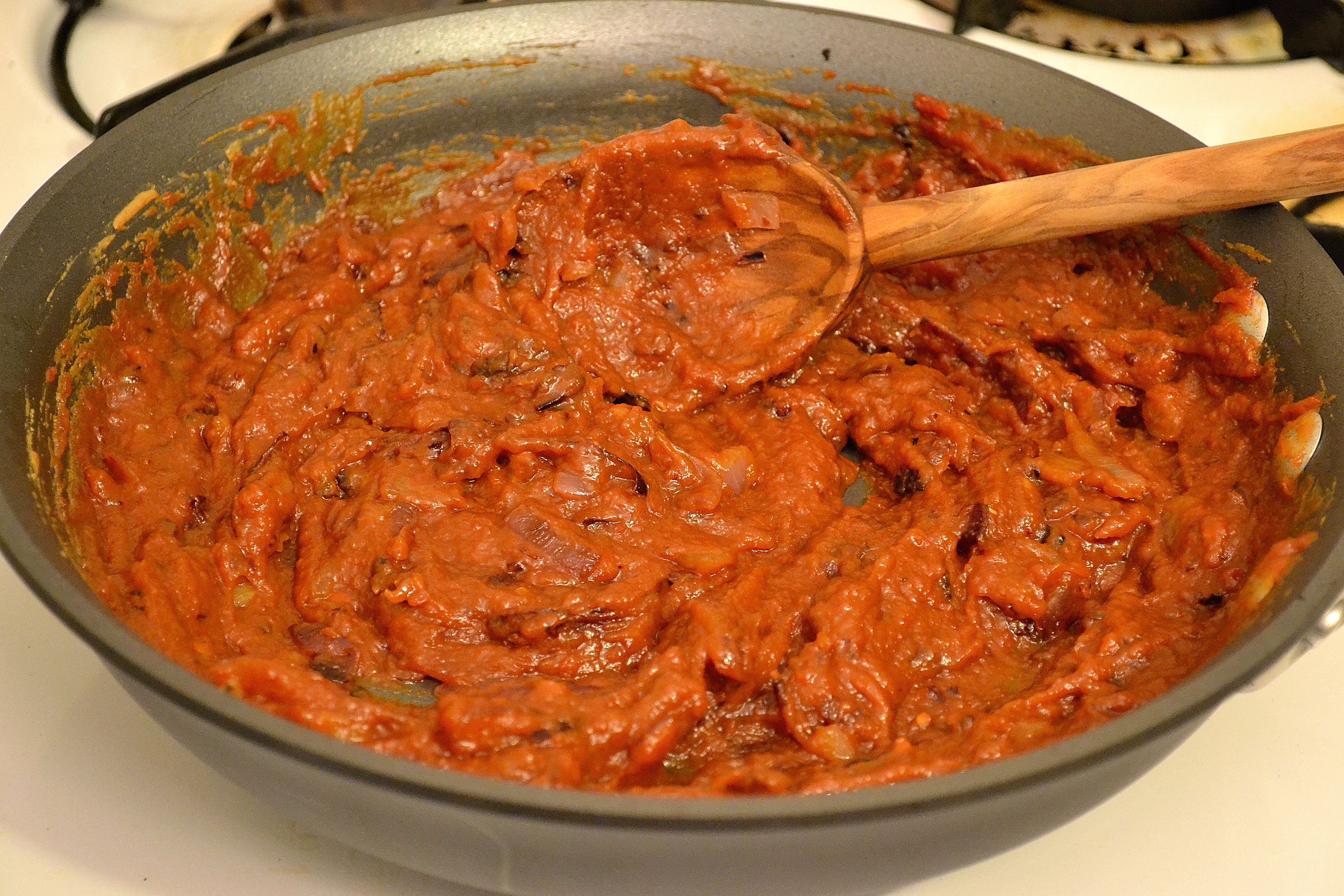 The dip, though, is what makes this dish – while its texture may not be as smooth as your standard satays, its flavor is fantastic! I still have the dark sesame oil in my pantry from when I first made this recipe (clearly not a staple in my cooking repertoire). I often omit the sherry from this recipe and substitute more liquid either through water or part oil/part lime juice; so far as I can tell, it’s never been missed. I also use an immersion blender to get a smoother consistency – this is a personal preference of mine. You can find this recipe HERE.
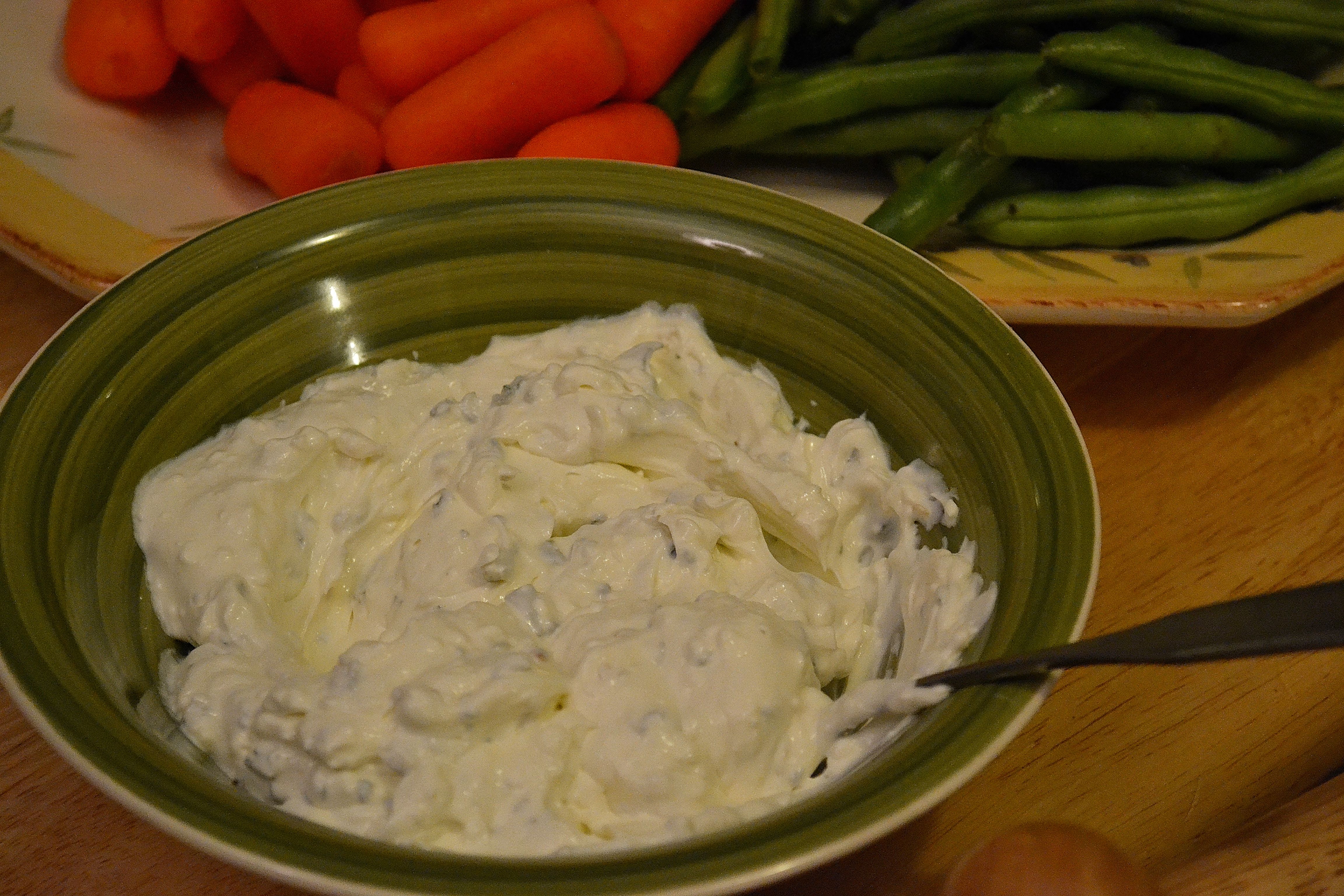
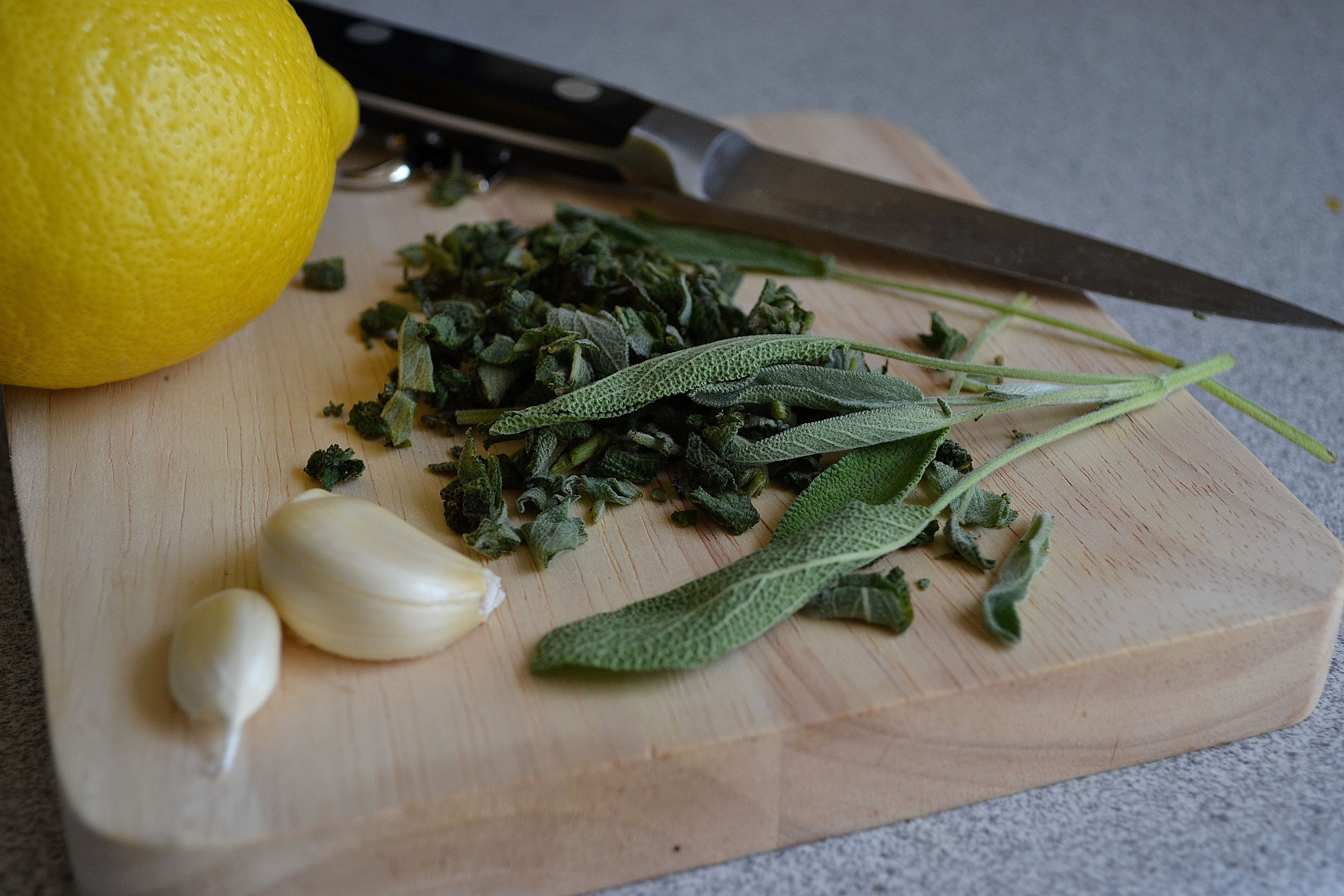 This second recipe was one of those “what’s in the fridge?” creations. I had just baked a chocolate cake (coming soon!) that used 1 cup of sour cream, and I wanted to find a dip that could use the rest of the 16 oz. container I was forced to buy. I also still had some fresh sage leaves leftover from the Pan-Roasted Chicken with Olives and Lemon dish that I didn’t want to see go to waste. These ingredients led me to a recipe by Rachel Ray who, even though I can’t stand watching her show on Food Network, manages to provide creative ways for using leftovers. I wasn’t floored by her recipe, but it was definitely a good starting point. I also had 4 ounces of cream cheese left over from the gorgeous cream cheese icing that I paired with that chocolate cake (okay, now I’m just being cruel). All in all, I had the makings for a dip with a twist. While I wouldn’t say this was one of my all-time favorites, this dip provided a subtle, fresh flavor that paired beautifully with the crudités. Daily dose of trivia: crudité is a French term derived from the Latin crudus, meaning “raw.”** You can choose any number of crudités to pair with this dip; I highly suggest green beans, but bell peppers, broccoli florets, or even asparagus spears would be perfect. Check out this leftover creation of mine by clicking HERE.
  Many affiliate classical music with respectable concert venues, such as Boston’s Symphony Hall or Vienna’s Musikverein. Yet 19th century Europe saw the rise of a far more exclusive setting for classical performance – the “salon.” While these were by no means a “new” setting, the 19th century saw an increase in households that were capable of supporting such affairs. These salons were gatherings hosted at private residencies for friends and family, and artists were invited as a way to infuse an air of prominence*** (the artists in my “salons” just so happen to be close friends, a fact with which I am blessed). Many prominent composers found support through these musical soirees, including the brilliant Johannes Brahms. A leading composer of the Romantic genre, the music of Brahms is expansive in both technique and spirit. I’ve always been a sucker for minor works, so I have included his Rhapsody in B minor Op.79 No.1 with none other than the illustrious Glenn Gould performing. The passion and precision of this performance is impeccable, a noteworthy pairing for one who loves the intimacy of small gatherings. Enjoy!
*”Chicken from Farm to Table” USDA.gov.
**”Crudités.” Wikipedia.com
***Funk, John. “Early Romantics and the Salons of 19th Century Europe.” Academy of Music Sciences International





 THE CLASSICAL KITCHEN