Rise and Shine: Part II

Huevos Rancheros 1A tradition that has become a recent obsession of mine is Sunday brunch – I am a fairly routine person in most cases, but sleeping in and indulging in a hearty “late breakfast” is about the best thing you can ask for at the end of a long week. Going out for brunch is a great, but cooking your own is even better. There is no need to wait for seating or to flag down the waiter every time you want coffee (which is every 8-10 minutes with me), and you can take as much time as your little heart desires. Tom took the reigns with a recent brunch, and made these heavenly Huevos Rancheros.
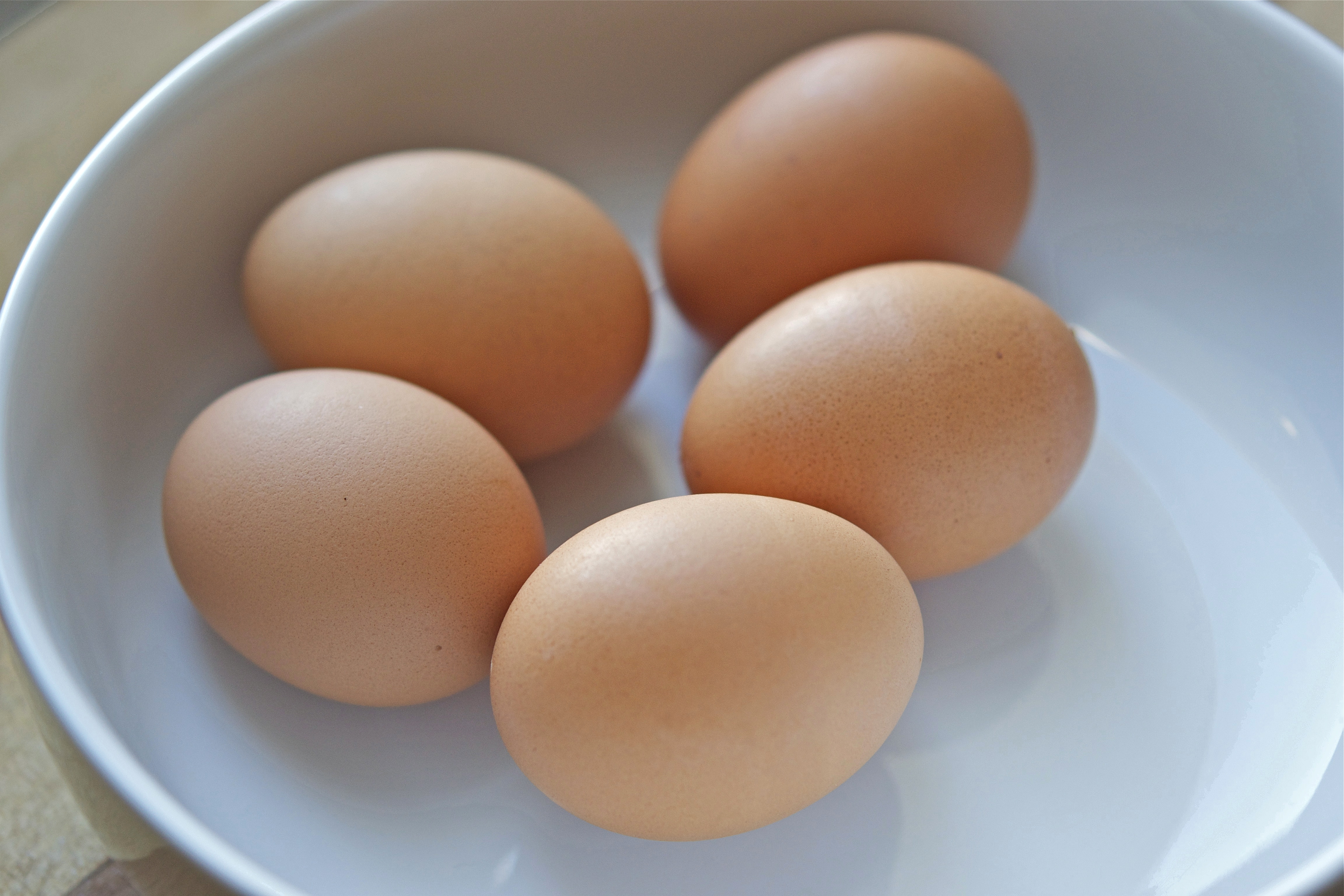
Huevos Rancheros 4This dish started out as basic late-morning fare for farmhands and staff (hence “rancheros”) – because it’s seriously delicious, the dish grew in popularity and quickly became a national (and eventually international) favorite. Eggs (“huevos”) play a central role to the dish. Tom and I are pretty picky when it comes to buying eggs, and always opt for the “free-range” or “organic” varieties. Regardless of your preference, I’d recommend getting high-quality eggs for this. The other key elements are the toppings: you’ve got salsa, tomatoes, beans, jalapenos – tasty goodness that results in every mouthful bursting with flavor. Tom loves that it’s high on protein, and I love pretty much anything smothered in salsa and avocado (except for cookies…that might be strange).
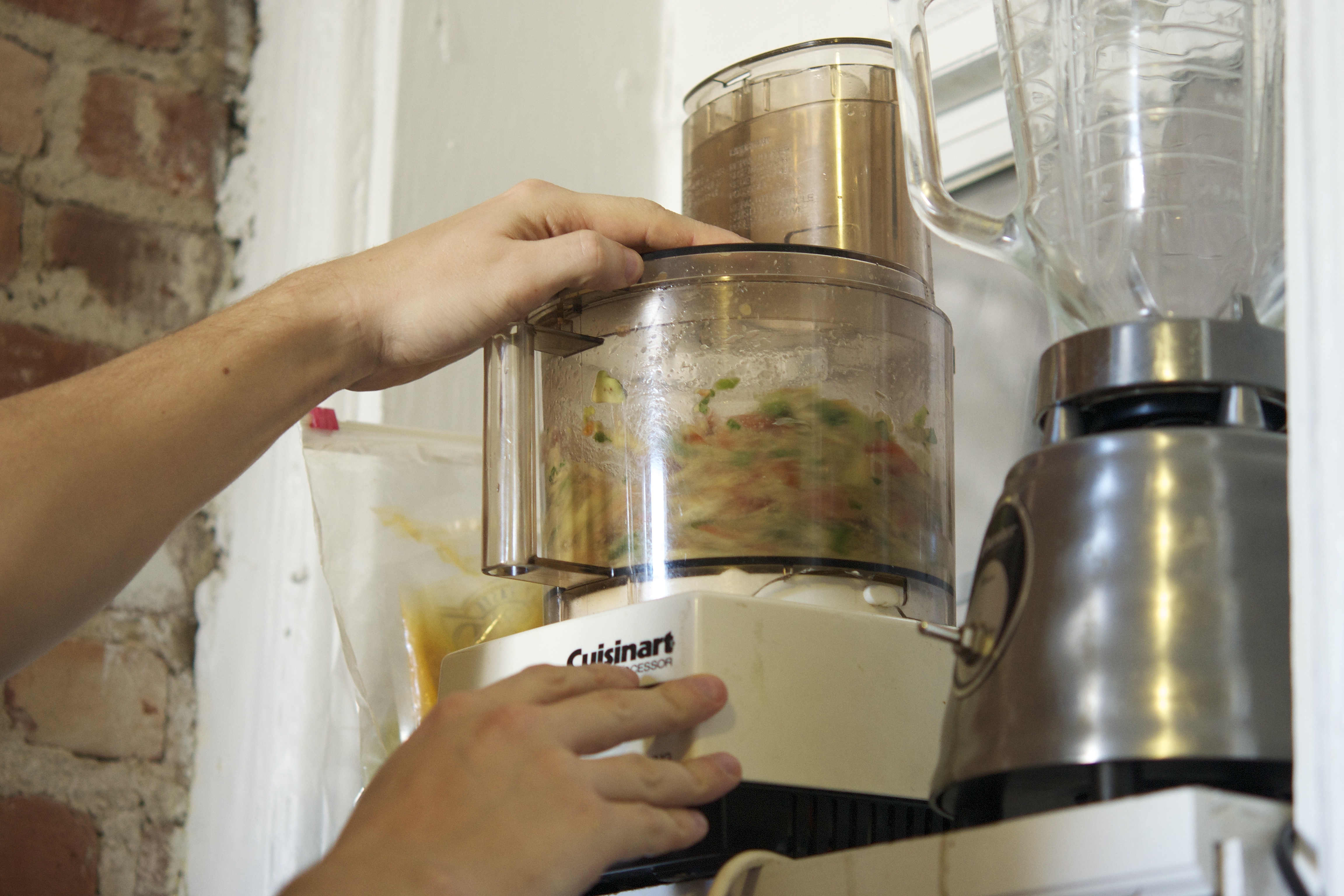
Huevos Rancheros 5The process for making huevos rancheros is quite simple. You basically pan fry a variety of ingredients and make a quick avocado salsa…and voila! Breakfast crack – you can top it with cheese, cilantro, hot sauce, or even more cheese. Paired with a large mug of stovetop espresso and an episode Breaking Bad, this dish is the making of a beautiful brunch. If you’re a fan of Mexican food and not typically a morning person, consider this your new alarm clock: it is absolutely a reason to get out of bed, even on the coldest of days. Click HERE to see the recipe!
Huevos Rancheros 2Brunch is intended to be a deliberate indulgence (or marginally tipsy one if you go for the Bloody Mary/Mimosas). It’s the most casual meal you can have, and is often shared with someone you truly appreciate. Weekdays are made for being productive, active, and engaged – your weekend serves as a temporal “end” to the week’s craziness (unless you have to work on weekends…which is actually more common than you’d think in the non-profit realm). Regardless, brunch is your time to relax. When I was a little kid, my dad would always be playing recordings of classical or Spanish guitarists – music that’s often both beautiful and relaxing. Though this dish hails from Mexico, I was drawn to Spanish composer Joaquín Rodrigo for this post’s musical pairing. Perhaps his most famous work is Concierto de Aranjuez for classical guitar and orchestra.
AranjuezINT03Written in three movements, the music takes inspiration from the gardens at Palacio Real de Aranjuez. Rodrigo himself said that every movement captures “the fragrance of magnolias, the singing of birds, and the gushing of fountains” of Aranjuez. The orchestra assumes a more temperate strength and gentle air in appreciating the guitar’s elegant voice. The second movement is perhaps the most well-known of the three, and speaks to the works more subtle beauty – jazz legend Miles Davis said about the Adagio: “That melody is so strong that the softer you play it, the stronger it gets, and the stronger you play it, the weaker it gets.” Other famous admirers of the piece include Led Zeppelin’s John Paul Jones, clarinetist Jean-Christian Michel, jazz pianist Chick Corea, American figure skater Michelle Kwan, jazz bassist Buster Williams (to name a few). The below recording features guitarist John Williams (NOT the film guy, but I’m sure he gets that a lot) at the BBC Proms – enjoy!

Sources Cited:
“Huevos Rancheros,” Wikipedia.com
“Concierto de Aranjuez”, Wikipedia.com
Finding a Silver Lining

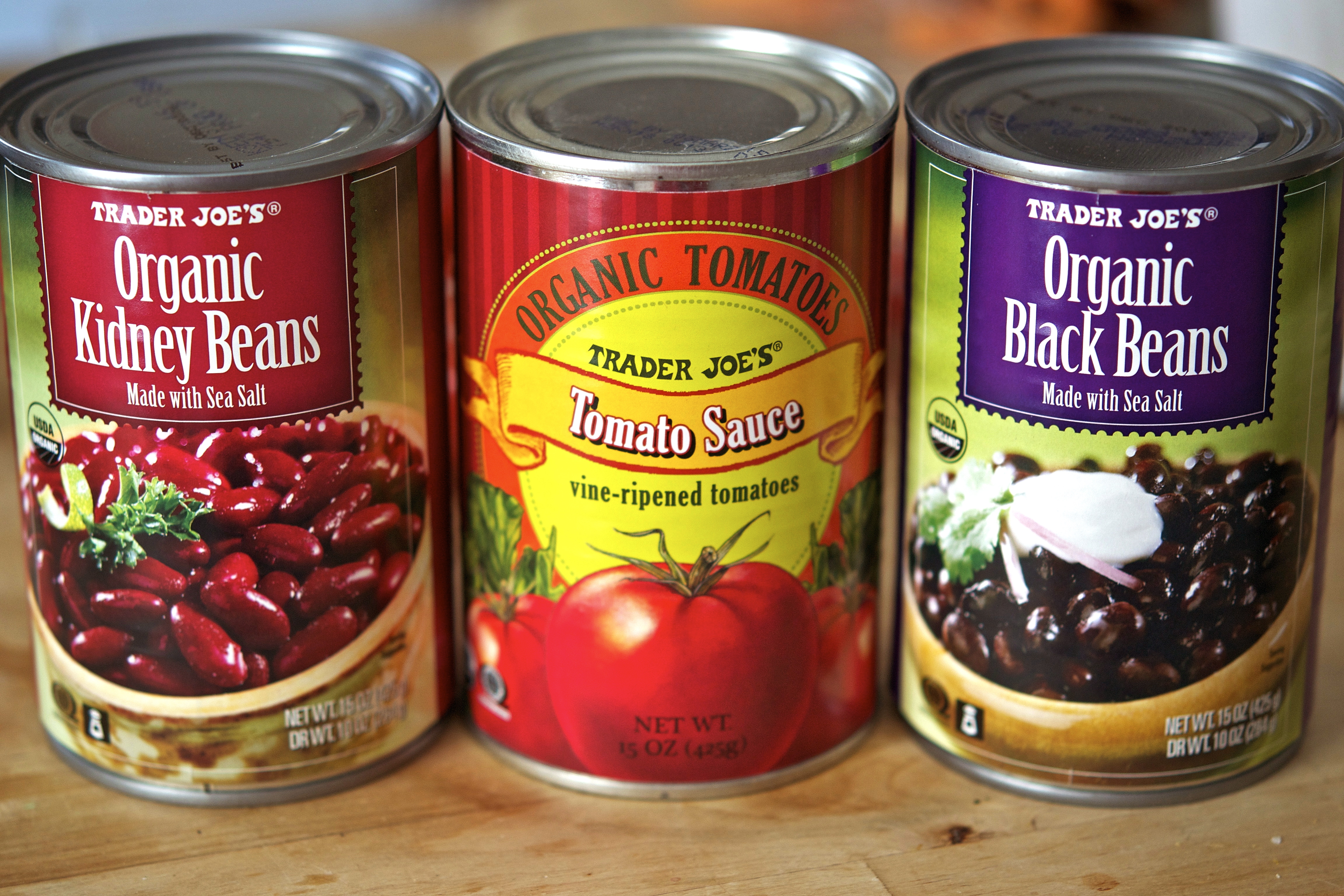
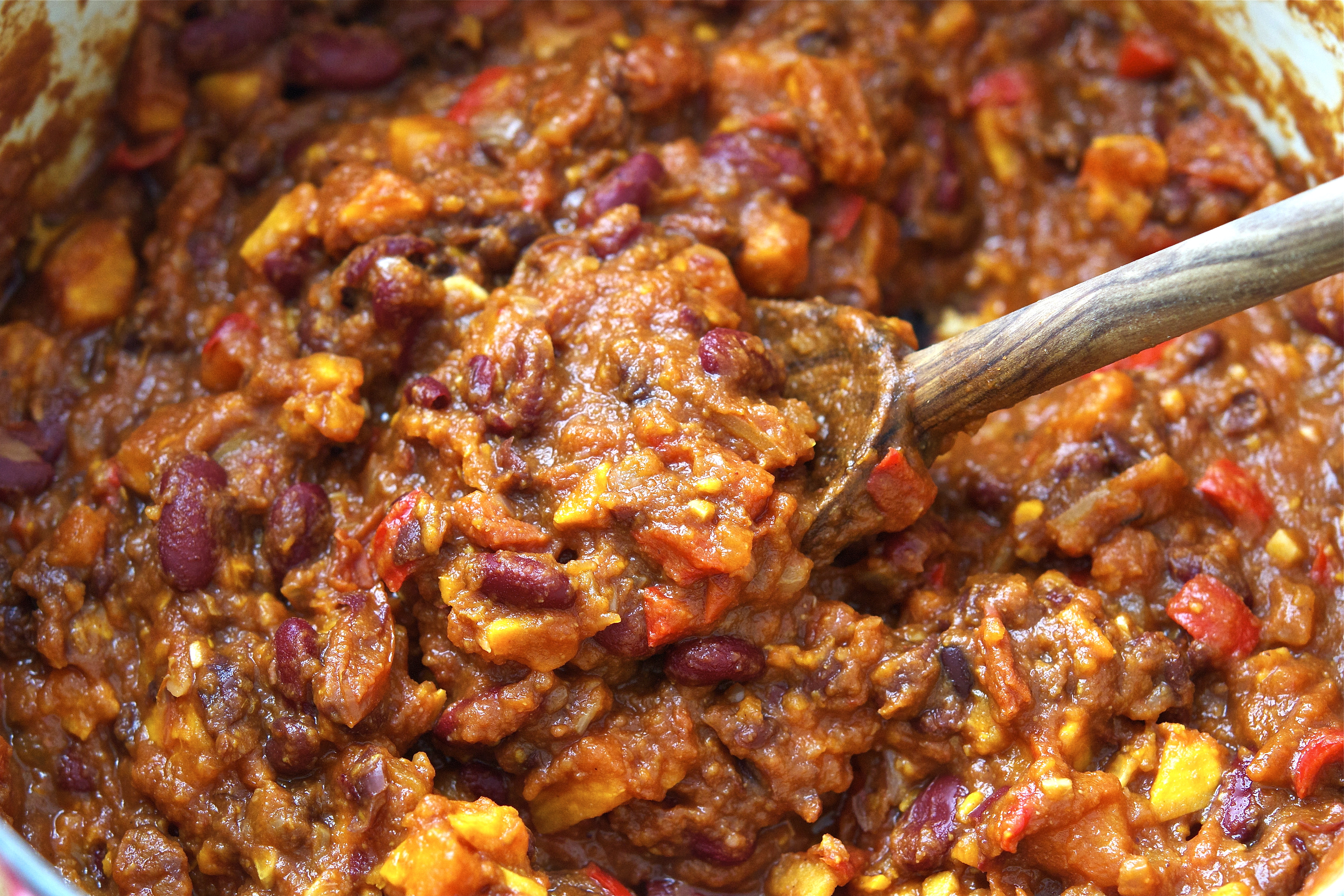
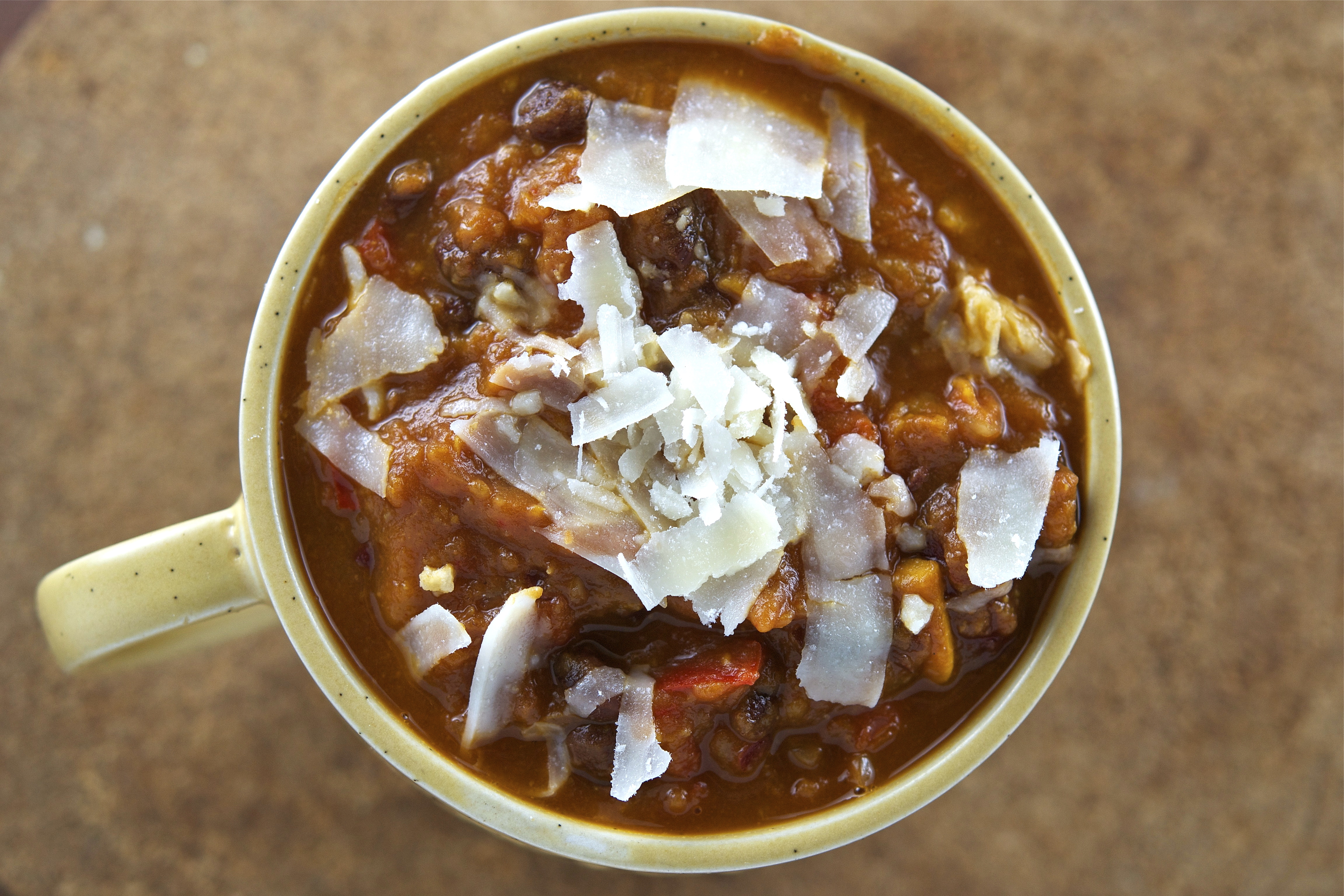
Vegan Chili 1Temperatures are slowly rising, the days are becoming longer, and the welcome comforts of spring are nearer with every passing day. And yet…we’re still steeped in what has proven to be one of the more brutal winters of recent experience. Ever the optimist, I look at winter with the lens of a “silver lining” perspective. It has a number of perks: an excuse to bundle up with a great movie, a reminder for our constantly changing world, and (most importantly) an excellent reason for cooking up a hearty meal. My dearest friend (and former roommate!) Jennifer Berg is visiting Boston right now. She currently lives in good ol’ Texas, playing English horn with the San Antonio Symphony. Since Boston and Texas are total opposites weather-wise, I wanted to give her a “warm” welcome back with a filling meal. My pantry just happened to have all of the essentials for making this delicious Vegetarian Sweet Potato ChiliVegan Chili 3There are multiple “camps” when it comes to making chili – some swear by the use of tomatoes, other claim that authentic chilis should be nothing more than meat and beans. Jenn is a die-hard Texan when it comes to chili, and lovingly called this gem “Northeastern chili”. I used two different types of beans – black beans and kidney beans – and a whole mess of veggies (see below). I’m an avid reader of ingredient labels, and always opt for canned items with as few added ingredients as possible. This often leads me to the “organic” options. Even though it’s a little pricier, I’d rather avoid the cheaper varieties with added “calcium chloride” and/or “maltodextrin”.
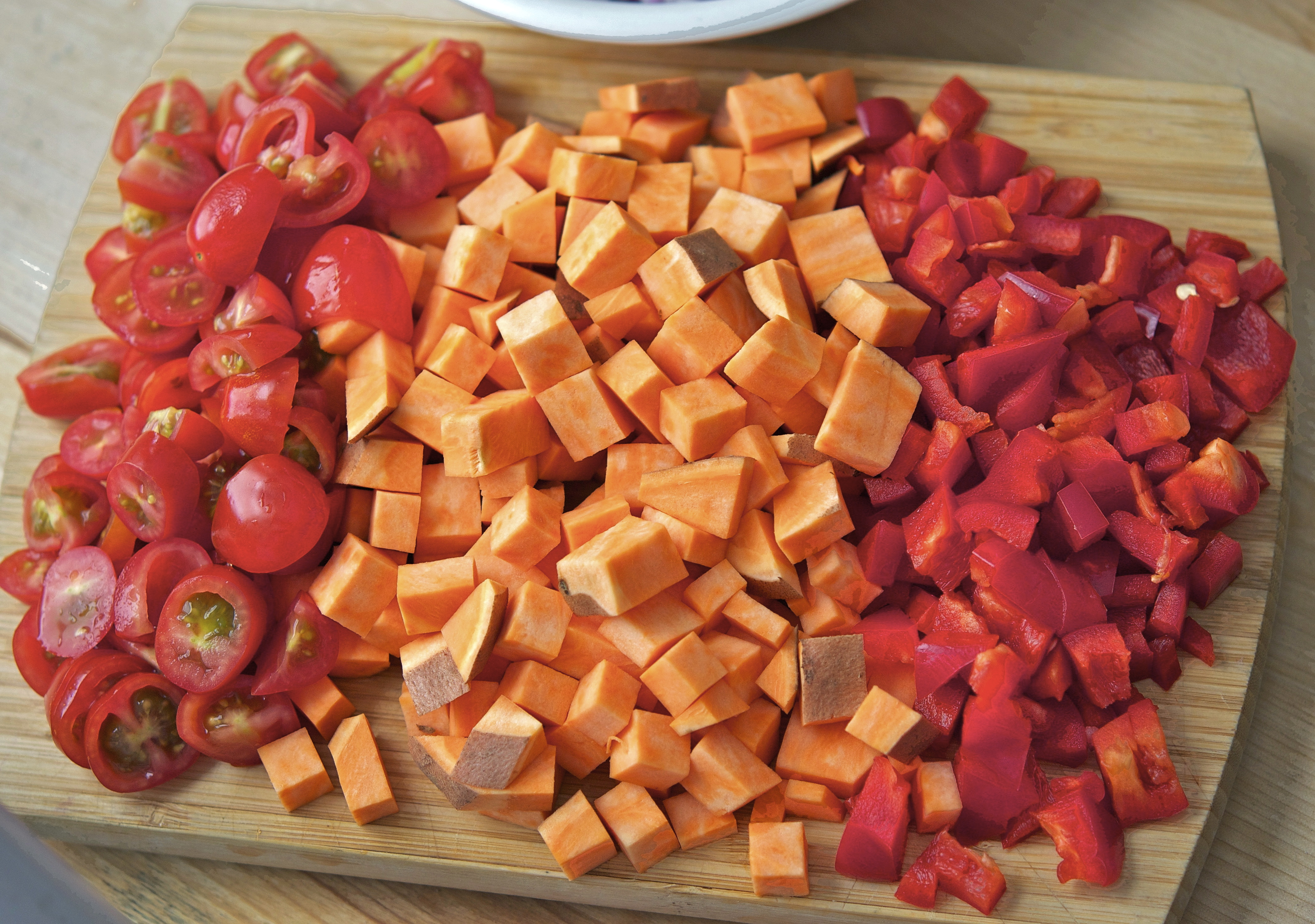
Vegan Chili 4What I love most about this chili is that it’s chock-full of vegetables. You could throw in some kale to up the nutritional scale, but these add-ins were perfect for our needs. The original recipe called for canned tomatoes…but seeing as how I only had canned tomato sauce, I had to improvise. I’d just purchased some fresh cherry tomatoes, which ended up working much better than I’d imagined. The key to this chili is allowing ample time to simmer and settle (basically refrigerating the chili for a night or two). This allows the flavors to develop, lending a savory depth to this chili that is simply to die for – meat lovers won’t miss the beef for a second. Click HERE to see the recipe for this hearty dish!
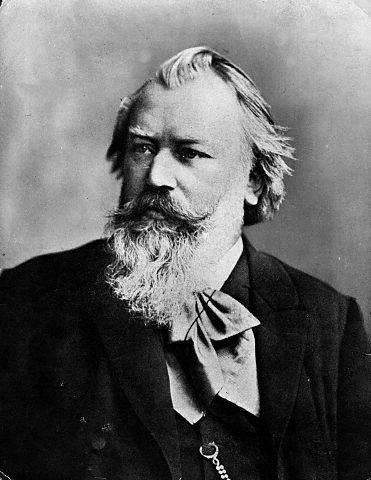
Vegan Chili 2 This winter has been a great example of why it’s not always easy to find the “silver lining” in situations – our clothing and shoes have been defeated by salted walkways and knee-deep slush, and our sleeping rituals disturbed by the creeping chill that’s impossible to ignore. But then something occurs to remind us that spring is SO CLOSE, and soon we’ll be rid of all this silly winter gear. Music can have a similar effect – one moment you feel anxious or weary, and the next you feel refreshed and inspired. What better way to seek a JohannesBrahms“silver lining” in a less-than-admirable context than through music? This inspired my musical pairing for this post: Johannes Brahms’ Violin Concerto in D Major, Op. 77. Brahms wrote piece in 1878 for his dear friend, violinist Joseph Joachim. The piece itself can be viewed as a journey, with a protagonist (the violinist) and a setting (orchestra). The Allegro non troppo opens with a fervent exposition, and the violin introduces itself with a fearless resolve. From there, the soloist takes an extemporary lead – the orchestra willingly follows, alternating between the opening’s intensity and ethereal reveries. It finally ends on a literal “happy note” following an ardent cadenza. The piece then transitions into an Adagio that is both passionate and gentle in character. (Since this dinner was cooked for my former roomie oboist, Jennifer Berg, it’s worth acknowledging the beautiful oboe solo that starts the movement). The Allegro giocoso, ma non troppo vivace is a celebration, as the “silver lining” is finally realized. When spring arrives, I’ll probably listen to this finale over and over again. The below recording (of the first movement) is with my favorite “protagonist,” Itzhak Perlman – enjoy!

)

Sources Cited:
“Violin Concerto (Brahms),” Wikipedia.com
“Johannes Brahms – photo”, Wikipedia.com

Rise and Shine: Part I

French Toast 5The majority of the recipes on this blog have a dinner and/or dessert connotation – sadly, there is little to no representation of my favorite meal: breakfast. It is the only time of day that encourages both creative ingredients and caloric liberties. Breakfast can make or break your day, depending on how “scrambled” you feel once you walk out the door. As such, I’ve decided to introduce a new series on this blog called “Rise and Shine” – these posts will showcase morning favorites, and natural light is the BEST lighting for foodie photos…so this series is a total win-win. Last weekend I was in NYC for Valentine’s Day, and rather than risk the crowds/drama at local restaurants, Tom and I spent the weekend cooking at home. We ended up making some great meals, including this Whole Wheat French Toast with Bananas Foster.
French Toast 4French Toast is a breakfast icon, and thankfully it’s a cinch to make. The history of this dish is somewhat nebulous, though it finds an affinity with recipes dating all the way back to the 4th century (only the most delicious recipes stand the test of time). It was and still is a great solution for using up stale bread. You basically soak individual slices of day-old bread in an egg & cream mixture, then frying the bread until browned and cooked through. It creates the perfect canvas for any number of toppings, from maple syrup to fresh fruit. We sadly had grabbed a bad batch of raspberries (hate when that happens!) and had to ditch almost the entire crate. The weather outside was discouraging, but we needed a new plan…
French Toast 3Tom decided to brave the wintery slush to grab a few bananas from the corner store. He had some rum in the apartment, which led to my suggesting bananas foster…and Jamaican coffees, which were stellar. Bananas foster is fairly simple, and though I personally believe that the flambé makes all the difference it is optional: you can safely add the rum and allow it to cook down for a few minutes with a simmer alone (and avoid the concern of setting fire to your kitchen). Right towards the end, Tom suggested adding the few raspberries we had salvaged, and it gave the dish a nice Valentine’s Day touch 🙂 I drizzled some clover honey over the plated slices of toast and foster, and the result was…well, I’ll let the photos do the talking. Click HERE for a sweet recipe to start your day!
French Toast 1Have you ever eaten a meal with others in total silence? Granted…there are times when this implies an extremely tense situation (as I imagine celebrity family dinners in the wake of a PR scandal must be), but silence is more often than not an indication of a delicious meal. Once we started eating the French toast, very few words were exchanged. The ability to appreciate without disruption – whether it be food or music – allows you to more fully experience that which you are enjoying. There honestly should be no need for words. This led to my choosing Felix Mendelssohn’s Songs Without Words (Lieder ohne Worte): a collection of short solo piano pieces, written between 1829 and 1845. Much the way that the foodie photos above speak for themselves, Mendelssohn was adamant that these works needed no written clarification – he felt the musical messages were far clearer than any program notes could express. The following statement captures his thoughts exactly:

People often complain that music is too ambiguous, that what they should think when they hear it is so unclear, whereas everyone understands words. With me, it is exactly the opposite, and not only with regard to an entire speech but also with individual words. These, too, seem to me so ambiguous, so vague, so easily misunderstood in comparison to genuine music, which fills the soul with a thousand things better than words. The thoughts which are expressed to me by music that I love are not too indefinite to be put into words, but on the contrary, too definite.

While some might believe this is a matter-of-course statement for classical composers, his music fully supports the sentiment. The pieces in this collection aren’t overly complicated – in fact, many find them lacking in technical dexterity and difficult to interpret as a consequence. Their subtle melodies come across as spoken dialogue, with gentle harmonies that neither overpower the music nor overwhelm the listener. The music’s message is clear and quite literally needs no words. The below recording is the full collection with pianist Daniel Barenboim (this recording is over 2 hours in length…so feel free to listen in shifts). Enjoy!

Sources Cited: 
“French toast,” Wikipedia.com
“Songs without Words”, Wikipedia.com
Happiness through Small Indulgences

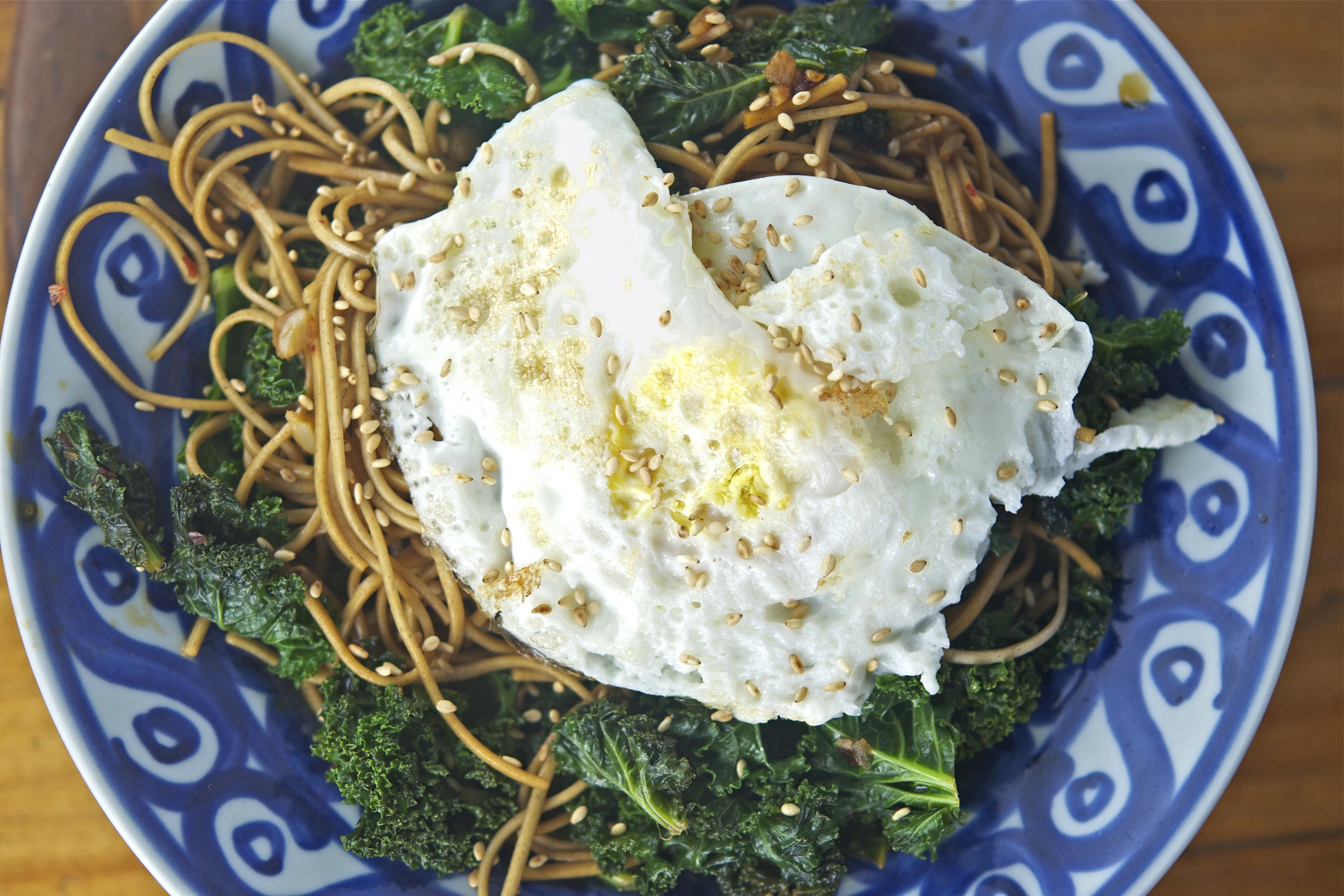
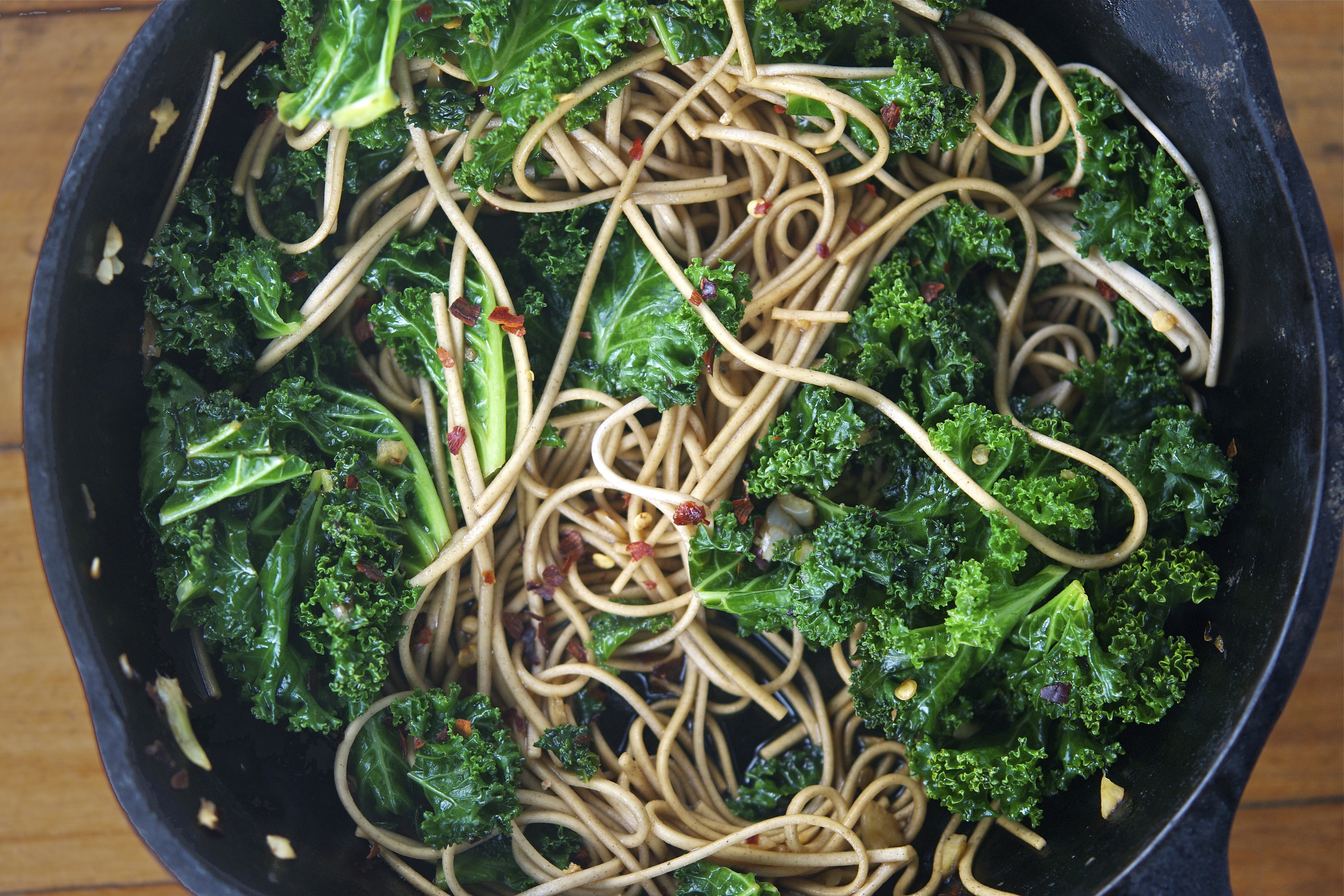
Sesame Soba 2There are days when I have the time and energy to make a meal that’s so gosh darn pretty it could be a model for Bon Appetìt. Last week was an especially long one, so I was pining for an extra-special treat (translation: “gourmet meal”) to take off the edge. Yet it was also a very cold week, so the prospect of venturing beyond the confines of my warm apartment was out of the question. Looking through my fridge, I saw a crate of organic eggs and a bunch of curly kale. Pinterest was once again there to save the day, as it led me straight to a recipe for Sesame Soba Noodles with Fried Egg & Kale.
Sesame Soba 5Sesame is one of those ingredients that’s consistently awesome. While many associate it as being an oil, sesame comes in a variety of contexts: whole seeds, sesame paste (better known as Tahini), sesame flours, etc. The seeds come from a flowering plant that thrives in tropical climates across the globe. It’s been a cultivated food source for over 3,000 years, and for good reason: its oil is loaded with antioxidants, Omega 6 fatty acids, and protein. It’s a staple in Asian and Middle Eastern cuisines. This recipe uses the oil AND seeds, so it a packs an extra-healthy punch. Sesame Soba 4Soba is the other quintessential ingredient in this dish – a thin noodle made from buckwheat, it’s is a staple of Japanese cooking. The noodles are traditionally served cold with sides and toppings, or hot in a noodle soup with some variety of protein. It’s quite hearty, and can be prepared a day or two in advance (to save on cooking time). This particular recipe is an atypical setting for soba – its closest affiliation is perhaps to the dish Tsukimi soba (“moon-viewing soba”): a noodle soup topped with a raw egg, which cooks in broth upon serving.
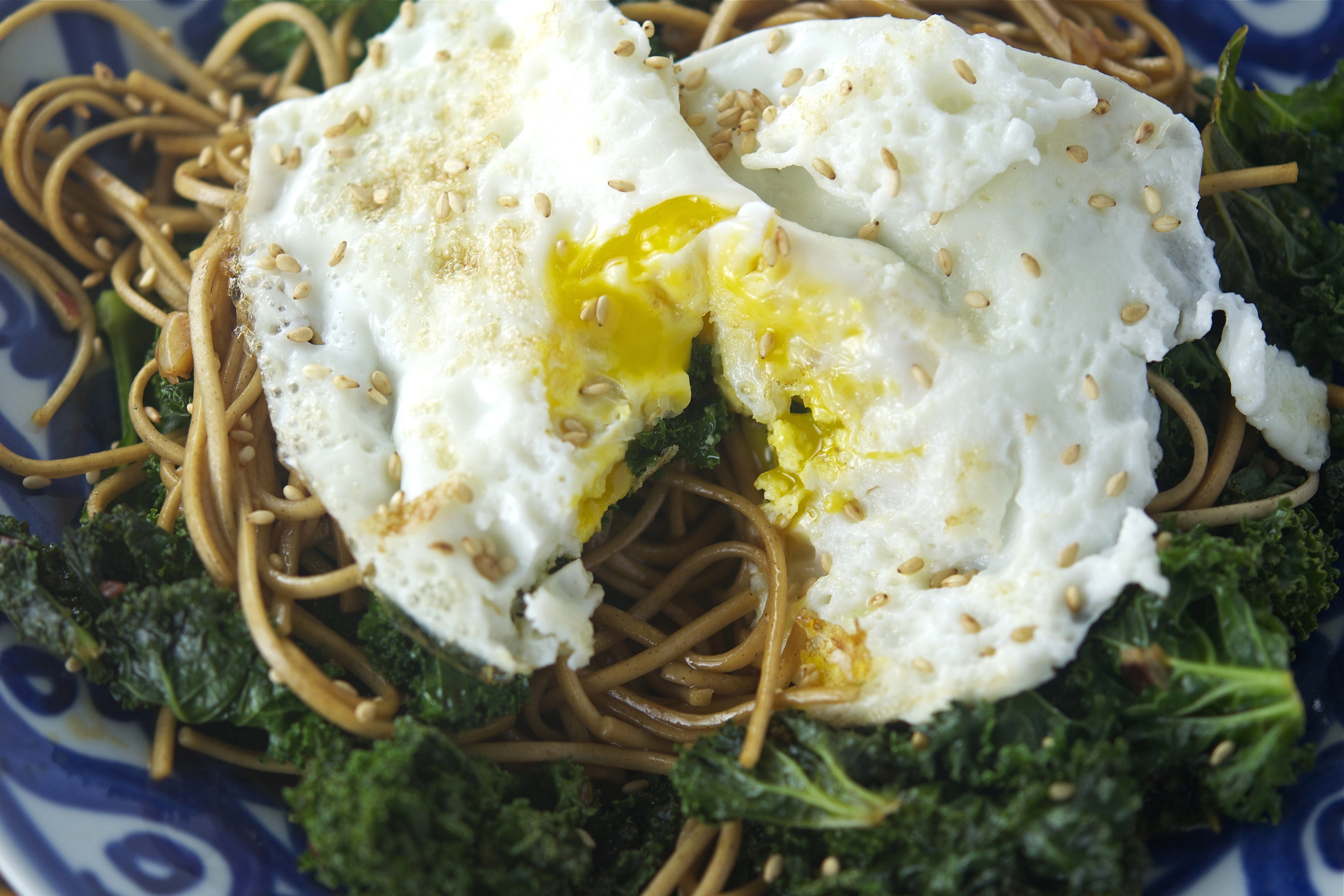
Sesame Soba 1The variety of textures give this dish remarkable character: hearty soba noodles, crunchy sesame seeds, curly kale leaves, all topped with a creamy yolk. You can double or triple this recipe if you’re hosting for friends, but it’s a perfect meal for two (or even one). I made this meal two nights in a row. It’s perfect for a winter night with a glass of chardonnay. For those of you who are anxious about runny yolks, feel free to cook the egg all the way through – the dish will still be great. Click HERE to see the recipe for this quick weeknight meal!
Sesame Soba 3For those of us with busy lifestyles, every moment counts – so there is a lot to be said for the small indulgences we take. While I’d love to see myself in Ina Garten’s shoes (the woman’s kitchen is so big that it has its own house), my practical side understands the limits imposed by my current lifestyle. This recipe was perfect, as it allowed me to prep a killer meal in under 30 minutes! It is the simple pleasures that fuel happiness, from cultural previews to culinary tastes. Listening to a piece of music can set the mood for your entire day, and a piece that has been consistently rewarding for me is Leonard Bernstein’s Candide Overture. Written in 1956, the work is part of the operetta Candide. While the operetta had a modest run (closing after only 73 performances), the overture itself was an instant success. The 5-minute opening is filled with an excitement and passion that can bring any audience to its feet in applause. Typical of Bernstein’s music, the  orchestration is phenomenal and the the themes are unforgettable. Given it’s short duration, it’s one of those pieces you can listen to just about any time of day – in fact, I think I’ll hit repeat once I’m done typing this blog. The below recording is with Bernstein himself and the London Symphony Orchestra – enjoy!

Sources Cited:
“Sesame,” Wikipedia.com

“Soba”, Wikipedia.com
“Program Notes – Overture to Candide: Leonard Bernstein,” Baltimore Symphony

A Natural Charm

(I would like to dedicate this post to my friend, Sarah Knapp Kidd – Sarah passed away earlier today, having lost a hard-fought battle with cancer. She was loved by many, and will be truly missed. We will forever keep her joy and smile in our hearts.)
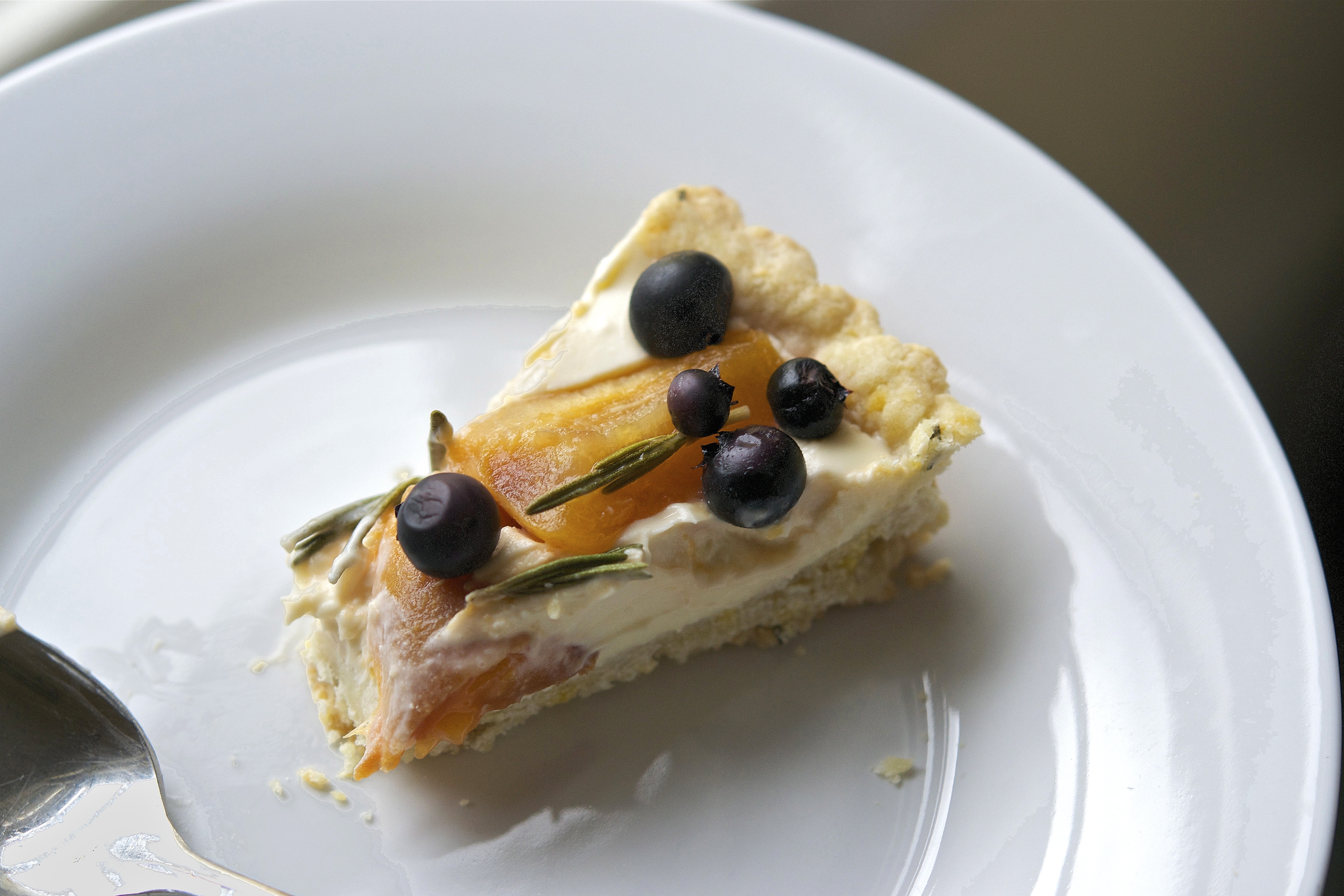
Rosemary Tart 1I’ve never had much of a sweet tooth, which is ironic given my love of baking! While many see desserts as a godsend, I am often more inclined to choose natural sweets: fresh fruits, floral honeys, maple syrup – all possess a great deal more character than Mary Poppins’ beloved “spoonful of sugar.” We often forget the simple beauty of organics ingredients, and opt for convenient and distilled substitutes. Though I’ve yet to forgo the joys of making cookies and cakes, I’ve been steadily moving more towards rustic alternatives…like this Almond & Mascarpone Tart with Honeyed Fruits.
Rosemary Tart 3This crust is by far one of the best I’ve had – the almond flour adds a crumbly lightness to the texture, while the rosemary lends a savory hint. The two pair quite beautifully with fruits, making it the ideal crust in this setting. This was the first time I had made an actual tart crust, and it was breeze! I just purchased this pan, to which I owe most of the credit – the crust came right out, and the ruffled edges were perfect.
Rosemary Tart 2This tart does little to hide its agrarian beginnings – fruit, rosemary, and honey are discernible in every bite. The beauty of this dessert comes in the preservation of these ingredients, which are easily interchangeable – figs in lieu of apricots, thyme instead of rosemary, maple syrup rather than honey (to name a few!) The trick here is to give yourself enough time since the fillings need to chill prior to serving. It’s even better the next day – in fact, I had a slice for breakfast the next morning (which is when I snapped the below photo). Click HERE to see the recipe for the beautiful tart!
Rosemary Tart 4Given the organic qualities of this dessert, I was compelled to consider a piece of music that had been inspired by nature. Of course…there are TONS of options in the classical repertoire – how can there not be? Music has an ideal voice for capturing nature’s most breathtaking elements. I wanted a piece with a pastoral character, and thus chose Ralph Vaughan Williams’ The Lark Ascending. Premiered in 1920, the music is highly evocative of an English countryside, with a violin solo portraying the flight of a lark. While Vaughn Williams certainly drew inspiration from his surroundings, English folk tunes and works by the English poet George Meredith played key roles. In fact, he included the following poem by Meredith in the final publication of the work:

He rises and begins to round,
He drops the silver chain of sound,
Of many links without a break,
In chirrup, whistle, slur and shake.

For singing till his heaven fills,
‘Tis love of earth that he instils,
And ever winging up and up,
Our valley is his golden cup
And he the wine which overflows
to lift us with him as he goes.

Till lost on his aerial rings
In light, and then the fancy sings.

Vaughn Williams never forces the orchestration, giving this poem an ideal musical setting – the strings and winds play beneath the aerial violin, which renders the image of a balletic lark soaring above the rolling hills and valleys of the countryside. It ends on serene note, where the orchestra is silent as the violin line drifts into the distance and becomes “lost on his aerial rings.” The following recording is with the London Philharmonic Orchestra and David Nolan on the violin – I hope you enjoy it!

Sources Cited:
Heninger, Barbara. “Ralph Vaughan Williams’ The Lark Ascending” http://www.barbwired.com

Introducing a Tasty Tradition

Chicken Parm 1I love hosting dinner parties – whether I’m cooking for a party of 2 or 20, I get such a thrill out of it. That being said, it’s waaay less stressful to cook for only a handful of people. Earlier this month, I was planning a dinner for my good friends Neal and Beth, and in hopes of catering the menu to their tastes I asked if they had any “requests”. Neal (naturally) took the opportunity to unload his bucket list of cravings: BBQ ribs, pulled pork sandwiches with mac & cheese, ice cream sandwiches, quesadillas…yet the one request I took seriously was Chicken Parmigianina: a classic that should be a staple for any American cook. That’s at least what I thought…before realizing I had never made the dish myself. That compelled me to give this recipe a try, for the sole merit of claiming I can cook this “made-famous-by-Maggiano’s” classic.
ParmesanParmigiana is a dish with a variety of renditions, but essentially consists of a filling that has been deep- or lightly-fried topped with tomato sauce and cheese (usually Parmesan…as you’d expect). It’s a fairly simple recipe that comes together quickly, making it perfect for a weeknight meal (and impressive enough for mid-week guests). The most well-known version is with eggplant, and is considered an authentic Italian creation. Chicken Parmigiana, on the other hand, is attributed to Italian Americans – regardless of its origin, the components are undeniably Italian.
Chicken Parm 2I used Pioneer Woman’s recipe for this, with a few tweaks (including a can of fire roasted tomatoes – a secret ingredient for any great sauce!) I also increased the wine in the recipe, for both the sauce and the chef, and used whole wheat spaghetti. The resulting dish was stunning, and the flavor was absolutely divine. It baffles me that it’s taken up to now to make such an amazing dish – and did I mention it’s budget-friendly as well?? This a winner, my friends. So to all college students, busy parents, and stressed-out professionals – click HERE to find your culinary therapy.
Chicken Parm 5It felt only appropriate that the musical pairing for this dish be Italian – the depth and variety of Parmigiana led me to Antonio Vivaldi: an Italian composer who is considered to be one of the most influential of the Baroque genre. His style is often typified as being “lively” and “bright”, as he sought to refashion the formal structures of rhythm and harmony. Vivaldi is seen as both an innovator and forebearer of Italy’s musical vivaldi-01legacy – even Bach found inspiration from his writings (which is saying a LOT, folks). Considering the “legacy” that Parmigiana holds in the culinary sense, I wanted the musical pairing to be a part of something greater – for Vivaldi, that is L’Estro armonico (“Harmonic Inspiration”). Comprising of twelve separate concerti, this collection aggrandized Vivaldi’s international renown. British musicologist Michael Talbot said the work is “perhaps the most influential collection of instrumental music to appear during the whole of the eighteenth century”. Of the twelve concerti, I settled on Concerto No. 8 in A minor for two violins and strings, RV 522 for this post’s actual pairing. The piece is both vibrant and poignant, and true to Vivaldi’s inventive style. The two soloists establish a dialogue that challenges in one phrase and supports in the next, and requires talented “conversationalists” in performance. There are number of musical elements that illustrate this piece as an antecedent to Vivaldi’s acclaimed Four Seasons (written 10 years after the fact); it holds an especially close affinity to “Winter,” given the minor setting. The  work is filled with “flavorful” colors,  making it an ideal pairing for this dish. (Fun fact: Vivaldi was a redhead, and called il Prete Rosso – or “The Red Priest”. I hazard a guess of the potential affection he held for a good marinara of deep “red”). The below recording is with The English Concert, directed by Trevor Pinnock. Enjoy!

Sources Cited:
“Parmigiana,” Wikipedia.com
“L’estro Armonico,” Wikipedia.com
“REBEL at the Library of Congress,” Ionarts (PHOTO)

South of the Orient: Part V

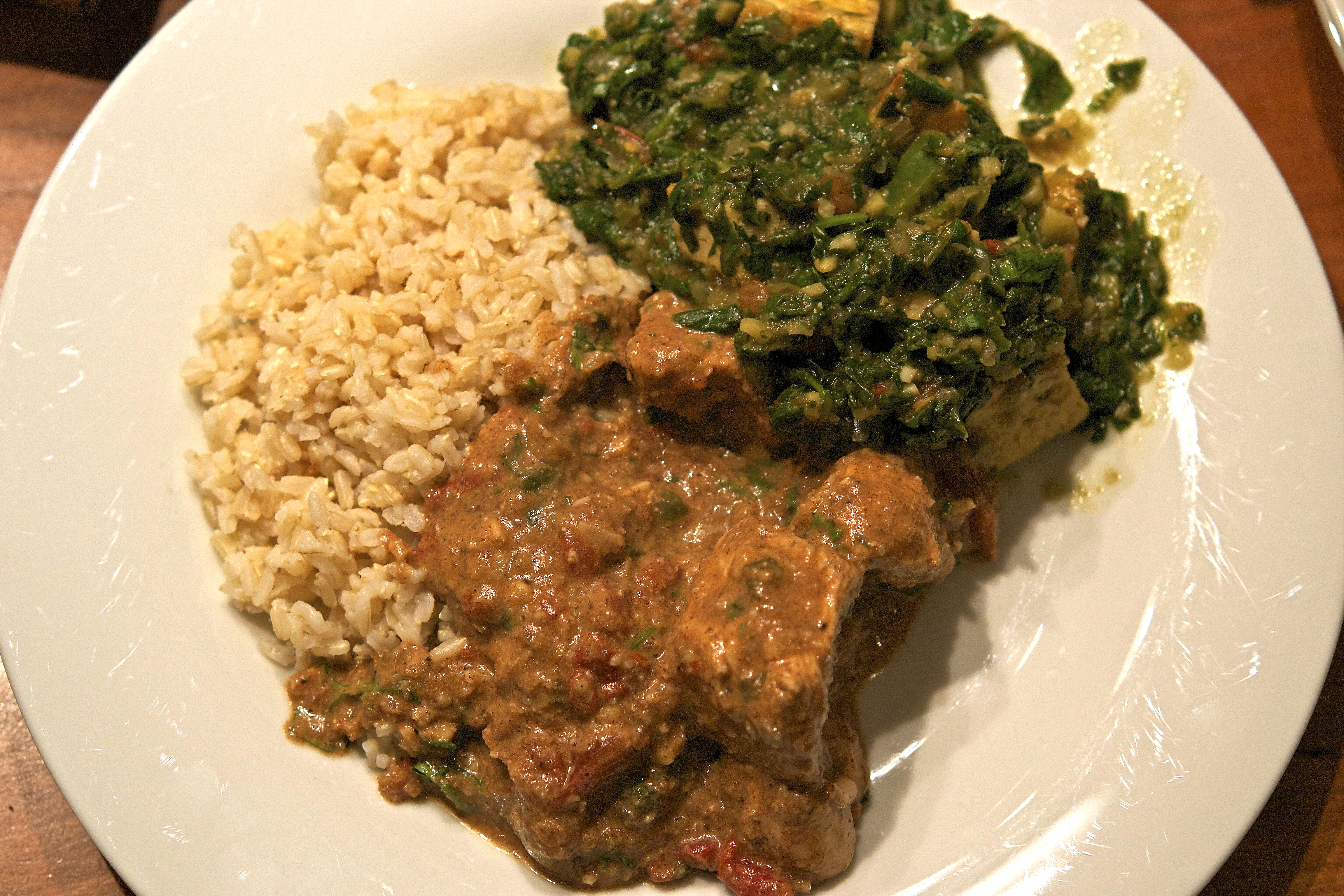
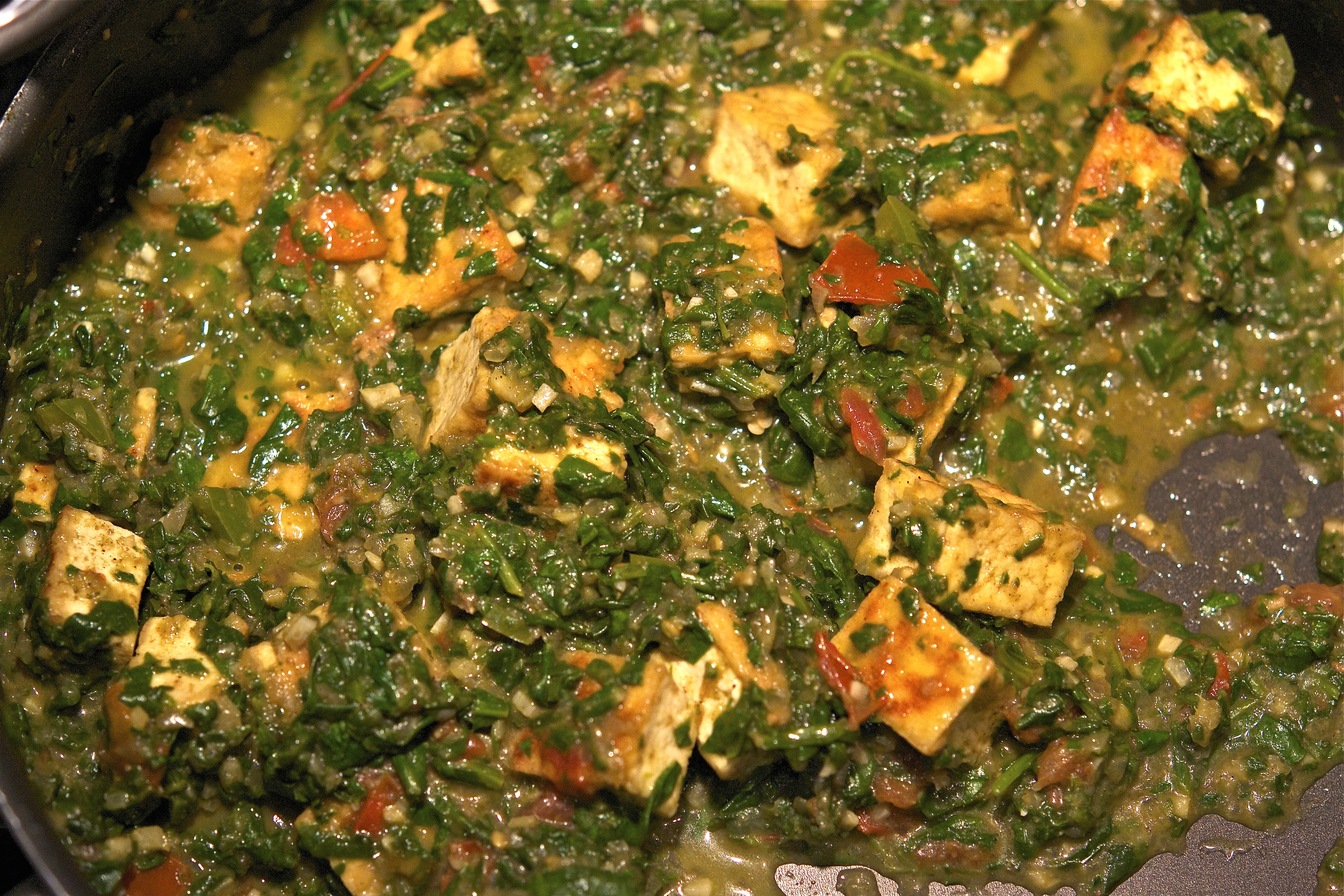
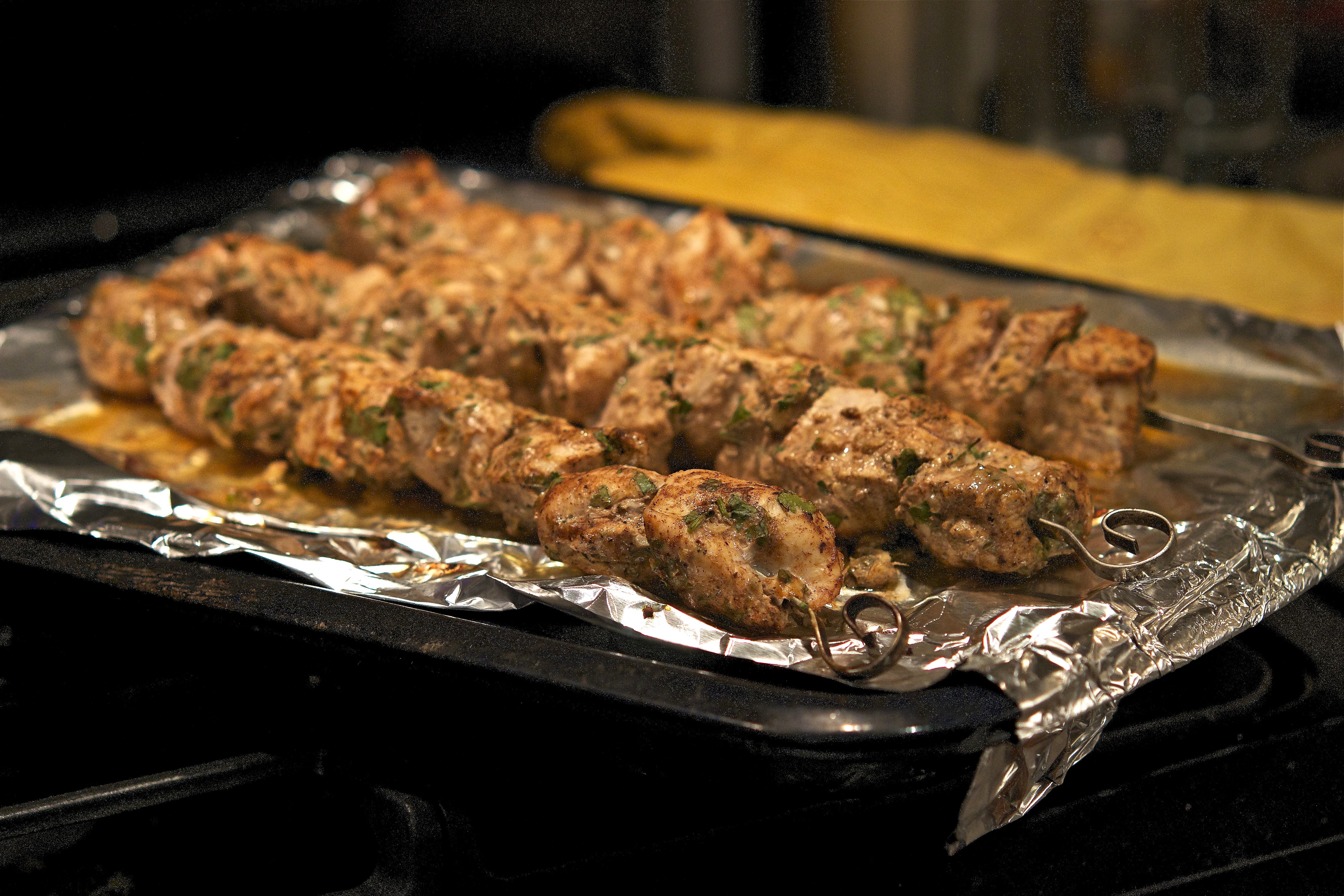
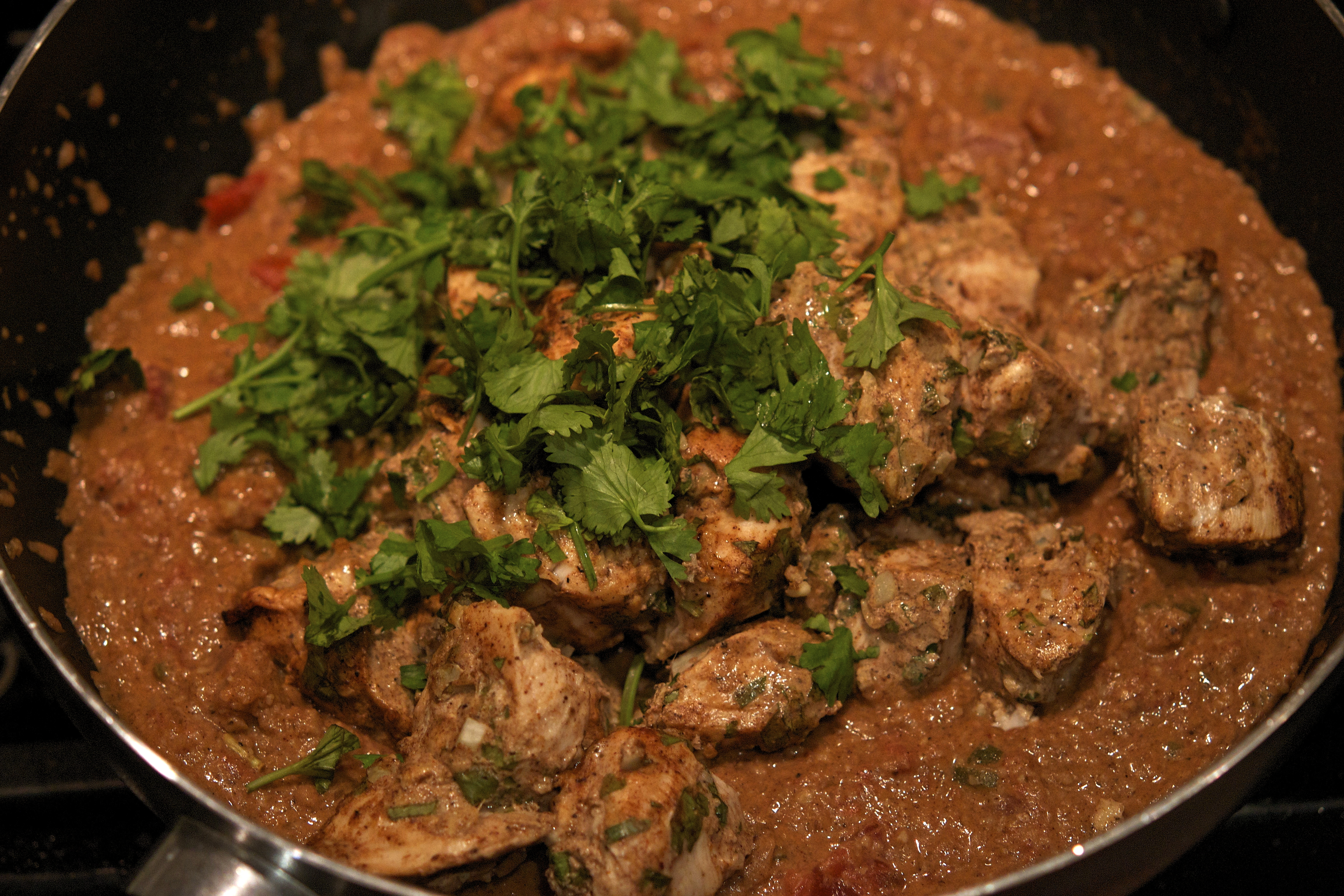
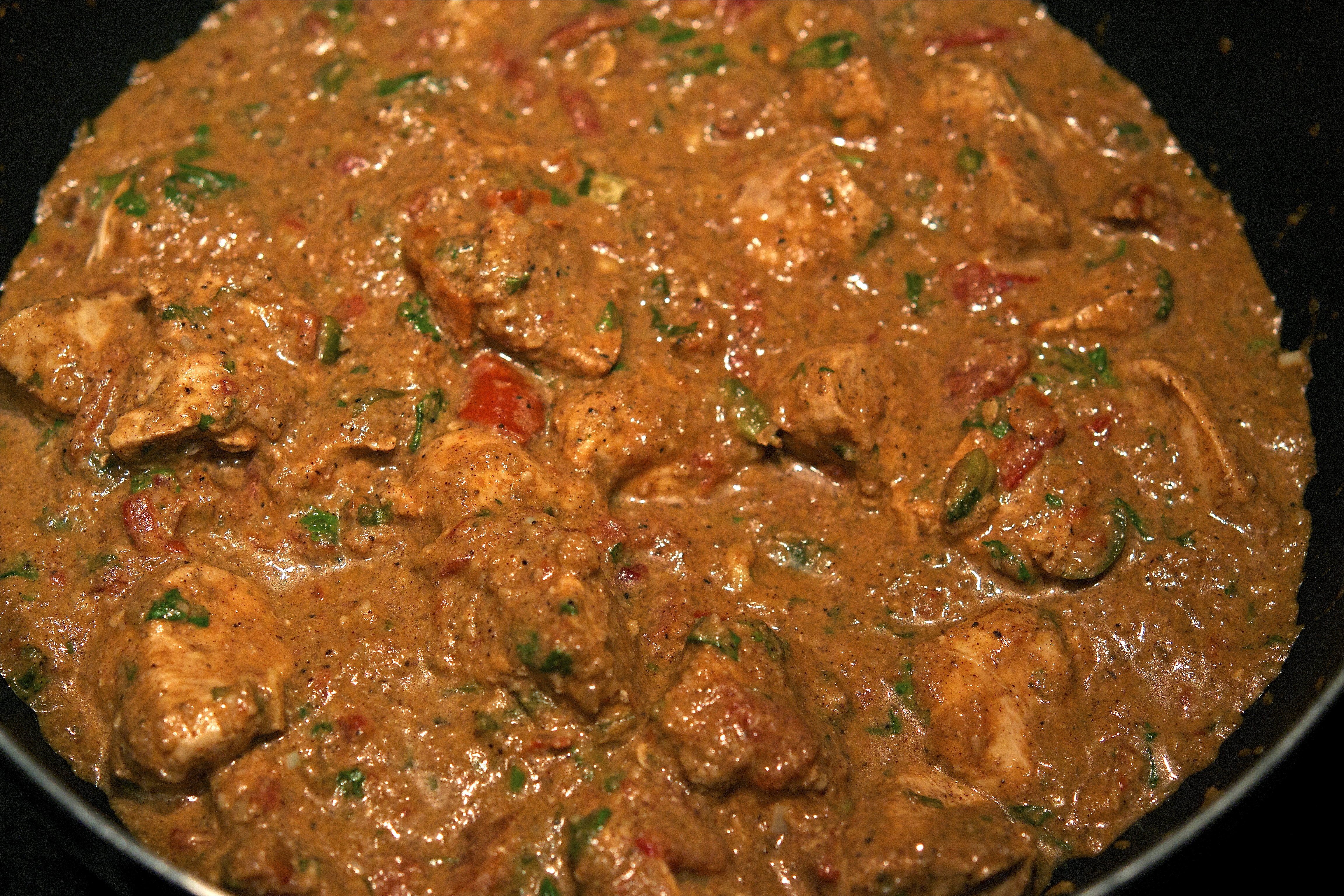
Tikka and SaagI have been enjoying a LOT of South Asian cuisine as of late. My boyfriend Tom has converted me into a curry-loving/spice-craving gal…granted, he’s got some great recipes up his sleeve (hence the series). In fact, it’s a cuisine that’s perfect for this time of year – winter is not my forte, and Wednesday’s temp was a balmy 7 degrees. The promise of a piping hot meal loaded with spices and protein has been a saving grace during the season. Piling on layers of clothing can do the trick, but this Saag Tofu and Chicken Tikka Masala works wonders on a chilly winter day.
183819_1811611419548_5295728_nBoth of these dishes are common to the Punjabi region, where Tom spent close to two months exploring (North India primarily) – the photo above was taken in a village called Auli. Located in northeast Uttarakhand, Auli is about 13,000 feet above sea level and lies deep within the majestic Himalayas. The Himalayas,  which is Sanskrit for “abode of the snow”, make this a perfect anecdote for winter:

“After a ten hour ride in a van hugging cliff sides all the way up into the mountains we arrived at Joshimath, before another hour straight up a mountain toward Auli. The driver could only make it so far and we had to hike the last couple of miles in deep snow to the village, which resides quietly in the shadow of Nanda Devi, India’s second highest peak at 26,000 feet, just a hair shy of Everest. From the plateau, a heady panorama of mountain peaks and micro-ranges in every direction laying strewn with Hindu icons. Auli is the embarkation point for some of the world’s most intense pilgrimages.”

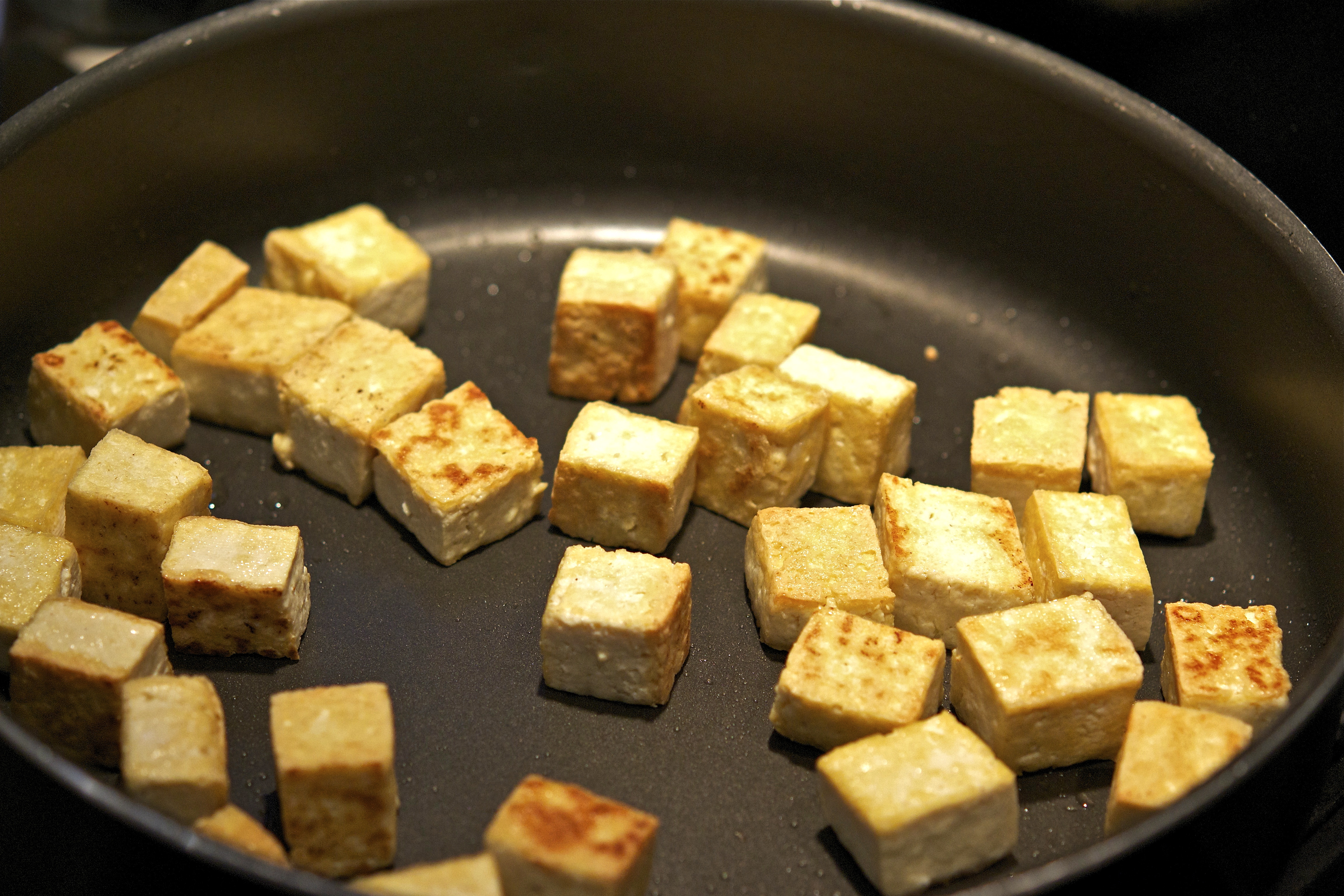
Saag Paneer 1Saag is prominent in Northern India, and is prepared in a variety of ways. The basic recipe is spinach leaves (or similar leafy greens, such as mustard and kale) are finely chopped, then sautéed with a variety of spices. The most well-known rendition calls for pan-seared paneer: a fresh cheese used in a variety of South Asian recipes. Tom opts for tofu, which is both healthier and easier to find in local grocery stores than paneer. The sautéing takes a bit, but that golden hue gives this dish a texture and taste that’s extraordinary!
Saag Paneer 2I have made Saag before, but this is by far my favorite recipe – the flavors are complex, and the textural aesthetic is stunning. Some varieties use cream, yet this recipe is vegan and chock-full of spices: cumin, coriander, fenugreek, and garam masala. The key (per usual with Tom’s recipes) is to dry-roast the spices one at a time, then grind them to a fine powder. It comes together in no time once all of the ingredients have been prepped. Don’t fret if you have leftovers, as it’s even better the next day. Click HERE to see the recipe for this flavorful side!
Chicken Tikka 2Tikka Masala is one of those dishes that nearly everyone loves – comprised of roasted chicken simmered in a creamy sauce, it is one of Tom’s signatures. Similar to Saag, cooking the protein separately aids with the texture and flavor of the final dish. The marinade yields a beautifully tender meat that is hard to beat – yogurt is the secret weapon here. Acidic marinades have been known to “denature” (or toughen) the meat, whereas milk-based marinades won’t. It is alleged that the calcium helps to activate certain enzymes that break down the proteins, creating a more tender and flavorful meat. South Asian and Middle Eastern cultures have been using dairy-based marinades for a looong time, for good reason!
Chicken TIkka 1The masala, unlike the marinade, is fairly complex – a medley of spices, healthy fats, and vegetables come together to create a creamy sauce that is both spicy and rich. The original calls for a lot of cream, but Tom lessens the cream needed by upping the almonds. The result gives the sauce more character without inhibiting the spices and aromatics. This dish is both filling and loaded with protein, making it a perfect meal for those colder days. Click HERE to see the recipe for this beloved classic!
Chicken Tikka 3Winter often gets a bad rap – slushy sidewalks, dry skin, chilly and biting winds – and it’s frozen beauty is often disregarded. Some of the most gorgeous landscapes I’ve witnessed were in the coldest climates (Tom would readily agree). Case in point – the below photo is from a hike we took together in MontanaIMG_1037 about a year ago. It is one of my favorite pictures to date, and yet I was freezing my tail off the entire time! Spring, summer and fall are often flooded with activity – it is winter that gives us a moment of stillness, in which we may breathe and experience our world. This led me to choose Tchaikovsky’s Symphony No. 1 in G minor, “Winter Dreams.” This symphony is arguably the cheeriest (and least tortured) of his six symphonies. It has a youthful air, which can be attributed to the fact that he was only 26 when he wrote it. In this symphony (just over 40-minutes in length), Tchaikovsky paints the isolated beauty of a Russian “winter journey” using rich orchestration balanced by gossamer melodies. The piece captures the dynamics of this posting’s two dishes, while also alluding to the tranquil enticements of winter. The below recording features Bernard Haitink and the Royal Concertgebouw Orchestra – enjoy!

Sources Cited:
“Himalayas,” Wikipedia.com
“Marinades Add Flavor but Don’t Always Tenderize,” FineCooking.com
“Symphony No. 1 (Tchaikovsky),” Wikipedia.com
A New Year of Cookies!

HAPPY NEW YEAR!!! At some point, remind me to share with all of you how crazy/wonderful/beautiful 2013 was – but for now, I’d like to kick off 2014 with something we all know and love: NUTELLA.
NutellaThe chocolatey hazelnut spread has become a worldwide phenomenon, and this is not an exaggeration. Every 2.5 seconds, a jar of Nutella is sold to a chocoholic in the world. To put this into context: the total number of jars sold in a single year can cover the Great Wall of China 8 times, and can be spread over more than 1,000 football fields! If that’s not enough to convince you, there is an annual World Nutella Day – on February 5th, fans across the globe post drool-worthy foodie pics and share what they love most about the sweet spread. Needless to say, Nutella is pretty amazing and (for some) worth more than its weight in gold. With that in mind, let me introduce you to these two “drool-worthy” cookie recipes: Vanilla Bean Macarons with Nutella Buttercream and Nutella-Stuffed Brown Butter Chocolate Chip Cookies. (Word of warning – these do NOT adhere to any New Year’s Resolution efforts).
Nutella Macarons 6French macarons are a project I’ve been meaning to try for quite some time – each cookie consists of two almond-meringue shells with a filling of choice (ex: buttercream, jam, ganache). It’s often confused with “macaroon” –  a similar cookie that lacks a filling and is popularly made with coconut (scroll to the end of this post!) The French macaron has a more distinct shape: its top is smooth and round, with a ruffled edge (called the pied) and a flat base. Flavors and colors are easy to customize, hence my choice of vanilla bean and nutella. Every baker has his or her own opinion about how to make the perfect macaron, but it really comes down to preference and experience – if the “macaron” shoe fits, stick with it.
Nutella Macarons 5While some people have the ability to pipe perfectly-sized macarons, I don’t trust my own skills just yet. To make a visual guide, I traced small circles on to a piece of parchment paper and then flipped the paper ink-side down. Aside from this, there are two other tricks for getting the right shape and look. The first is rapping the pan against the counter – not so hard that the cookies goes flying, but with enough force to loosen any air bubbles trapped inside. The second is to allow the batter to sit for 15 to 30 minutes: this creates a shell (the batter should not be “tacky” before going into the oven) and allows the coveted pied to form while baking.
DSC_0288The filling is perhaps the easiest part – you can go plain Jane by choosing your favorite jam, or you can whip up a flavored buttercream or chocolate ganache. As you already know, I made a Nutella buttercream for my macarons…which I proceeded to lick out of the bowl once the cookies were done (no shame). It took me a while to give macarons at try, but they are really quite simple once you get the feel for it – click HERE to see the recipe, which also includes some helpful tips.
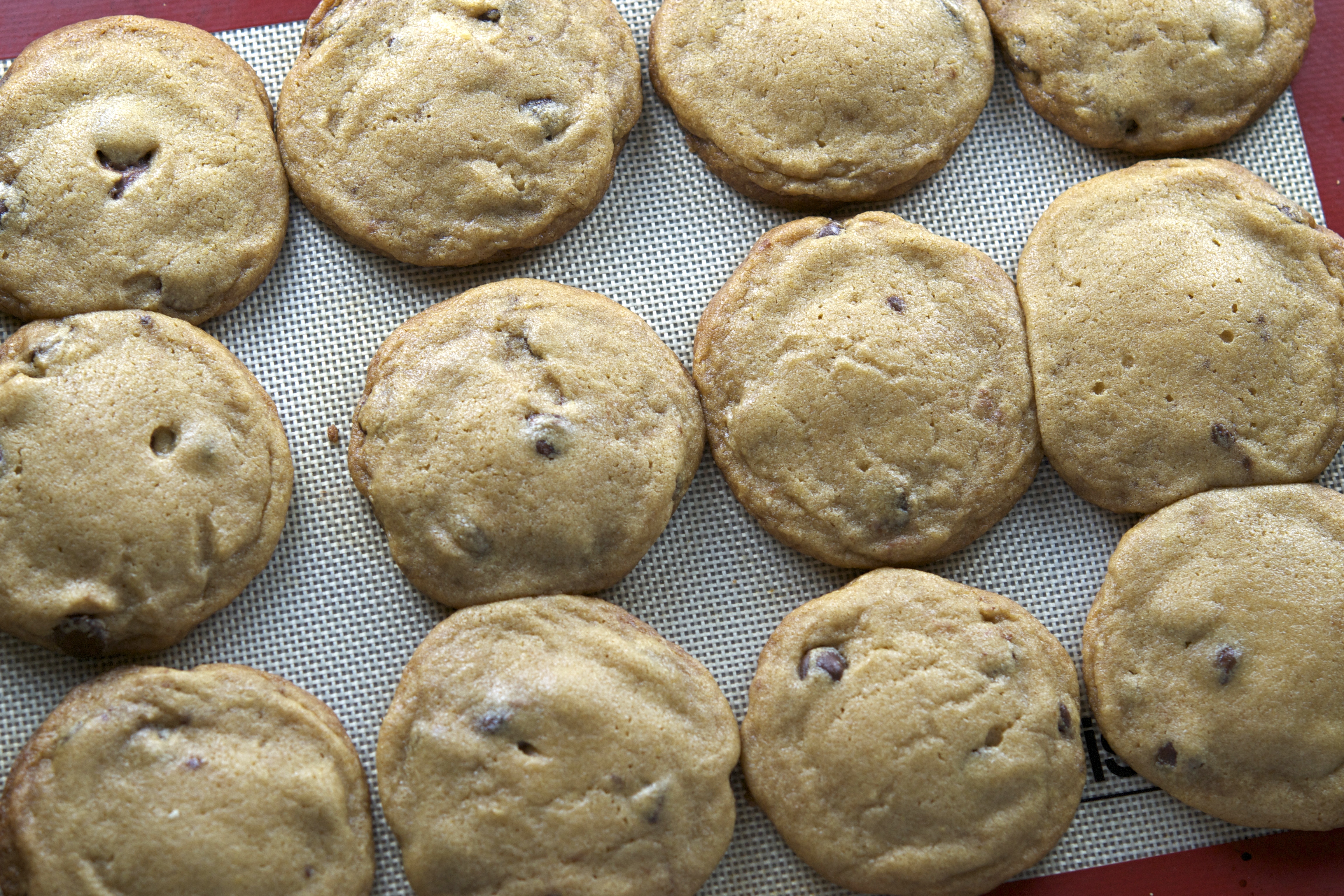
Nutella Chip Cookies 2These.Were.Ridiculous – browned butter, Nutella, chocolate chips, GAH! These cookies are so intense that the recipe takes two days – you will be chomping at the bit by the time they’re ready to eat, but the wait is worth it. Browned butter sets these apart from your typical chocolate chip cookies. It’s similar to creating a caramel or dry-toasting nuts and spices – you’re basically “toasting” the butter, which in turn gives the cookies a nutty, buttery finish. I plan to give this chocolate chip cookie recipe a try on its own, but the Nutella filling is what makes this an A+ cookie…
Browned ButterOne thing I absolutely recommend is freezing the Nutella, and then eating it directly out of the freezer. The original recipe calls for chilling the spread in your fridge, then using a teaspoon measure to scoop it out. Our building’s heat is kept at tropical highs during the winter (thanks to a disengaged management company) so I needed a better solution. I froze teaspoon-sized dollops of Nutella the night before baking, which resulted in a much friendlier process. The Nutella “coins” could easily be wrapped with the cookie dough, mess-free.
Nutella Chip Cookies 1These cookies with bursting with a nutty, chocolatey aroma when pulled out of the oven. Once cooled, I wrapped as many as possible into candy bags for gifting…because I would have eaten all of them, and needed to save myself from a “Garfield sees lasagna” moment. Carrying them into work was comical, considering people on the train were visibly intrigued by the smell of chocolatey goodness. This is not your average chocolate chip cookie, but it will quickly become one of your favorites – click HERE to learn how to make these devilish treats!
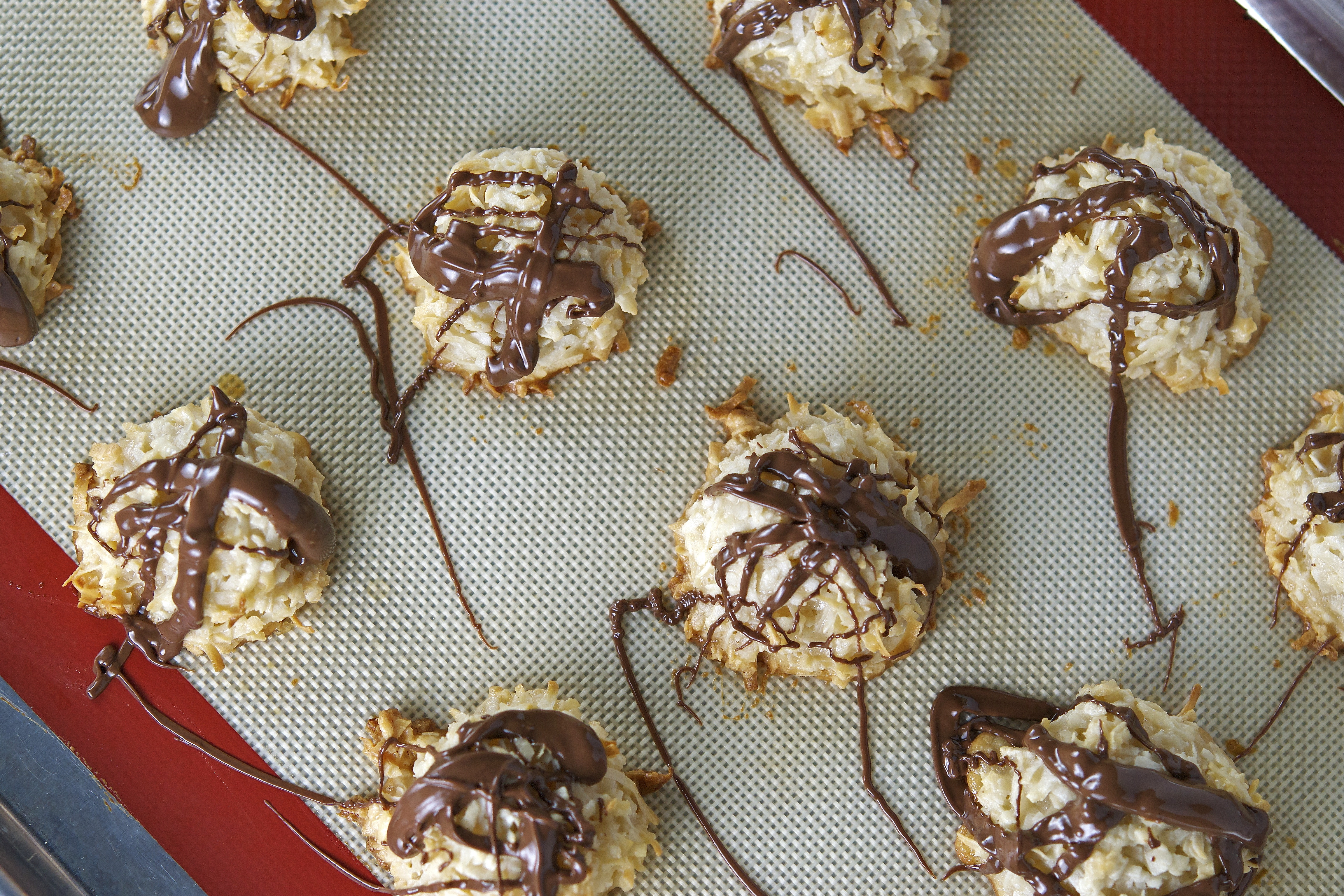
Coconut Macaroons 2New Year’s bonus cookie! I also made some Coconut Macaroons drizzled with Nutella.  I had several parties to attend on New Year’s Eve so…the more the merrier! This is one of my favorite cookie recipes – they are a cinch to make, with only 5 ingredients (minus the chocolate). What better way to treat your friends than with a platter of macarons AND macaroons?? Click HERE to see the recipe for these delightful cookies! 
Coconut Macaroons 1January 1st brings with it a fresh start – unknown adventures and new opportunities await. It is a cause for celebration that’s echoed across the globe. New Year’s Eve is filled with excited anticipation, and the day itself seems somewhat brighter and clearer (even if it’s painfully cold…like it is today in Boston). The festive ambiance is contagious, as cities and entire nations join together to welcome a new start. One neujahrskonzert_wien_new_years_concert_Vienna_wiener_philharmoniker_musikverein_golden_hallcelebration that’s worth noting is the New Year’s Concert with the Vienna Philharmonic – a tradition that dates all the way back to 1939. Today, the performance is broadcast to an audience of nearly 50 million people! On the morning of New Year’s day, the Vienna Phil gives a concert that showcases a number of classics by Austrian composers. Most of the program includes pieces by the Strauss family. In fact, the 1939 performance contained works by only Johann Strauss. This brings me to my musical pairing: Johann Strauss’ Overture to the operetta Die Fledermaus. This piece – which was on the original 1939 New Year’s program – is the perfect example of “light music.” It contains some wonderful gems, and gives you a taste what’s in store for the operetta itself. That being said, the technical aspects and musicality of the overture are quite demanding on the musicians – what better orchestra to meet the challenge than the Vienna Phil! The below recording is from the New Year’s Concert with the Vienna Philharmonic in 2010. Both exciting and cheerful, this overture is a lovely way to ring in the New Year!

Sources Cited:
“8 Things You May Not Know About Nutella,” MentalFloss.com
“Vienna New Year’s Concert,” Wikipedia
Photo courtesy of the Vienna Philharmonic

Three Winter Delights

Squash is such an underrated food – you can basically prepare it however you want, and know that the outcome will be (more or less) outrageously delicious. This is the time of year I eat winter squash with practically everything, and wanted to share three fun recipes I’ve enjoyed thus far: Quinoa Stuffed Acorn Squash, Spaghetti Squash with Kale-Pepita Pesto, and Butternut Squash & Apple Soup.
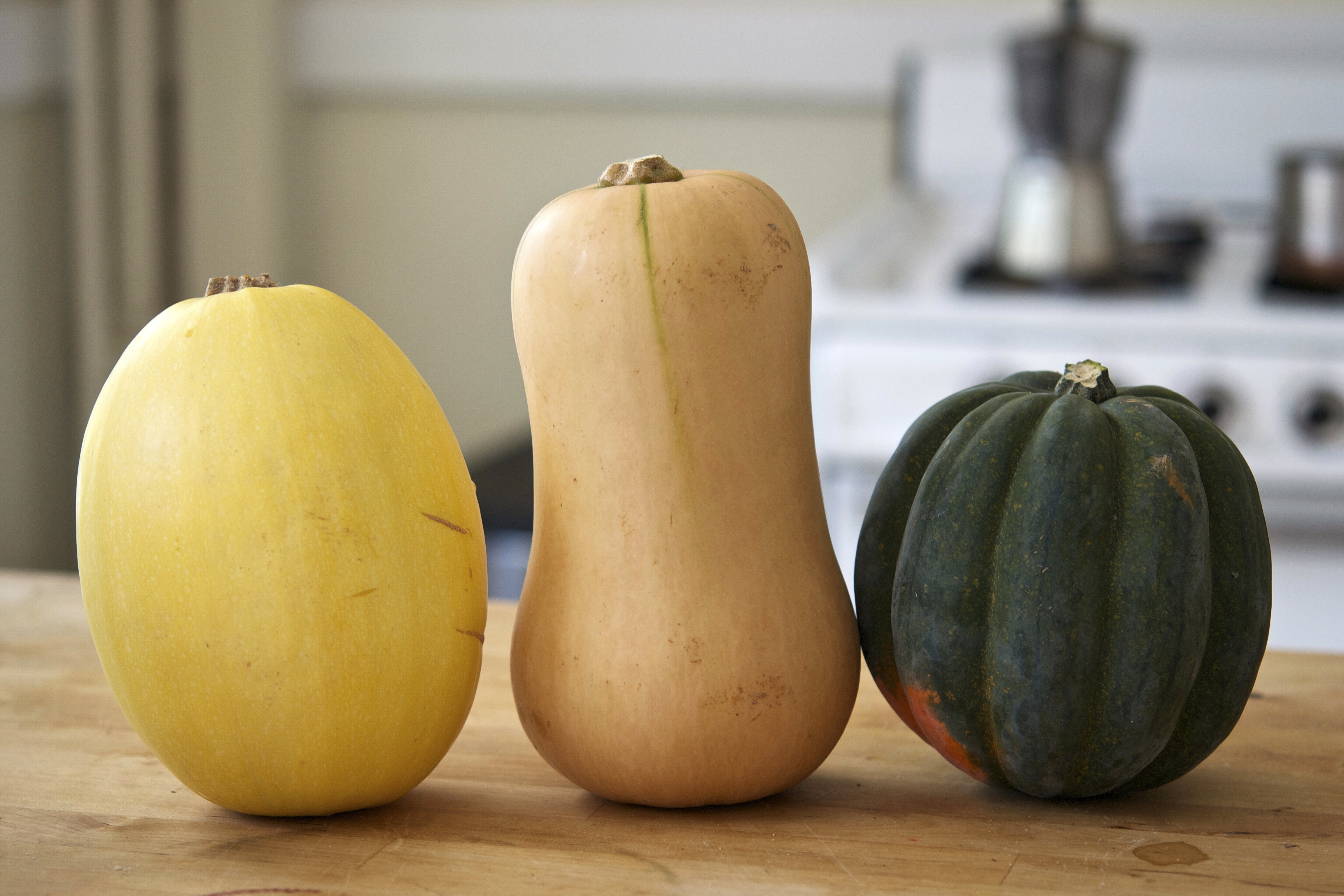
Winter SquashWinter squash is somewhat of an anomalous title – they are actually grown during the summer months, alongside the well-known “summer” squash varieties. The main difference is that winter squash is harvested only after it reaches full maturity, which traditionally falls in September or October (depending on the region). At this stage, the fruit has developed a tough, shell-like rind that ensures preservation into the winter months (hence the title!) The flesh and seeds are the edible components, making them a coveted source of food across the western hemisphere. Because I’m a total nerd: winter squash are of the genus Cucurbita, which was originally cultivated within the Andes and Mesoamerican regions. But enough with the “science”, let’s get to the good stuff 🙂
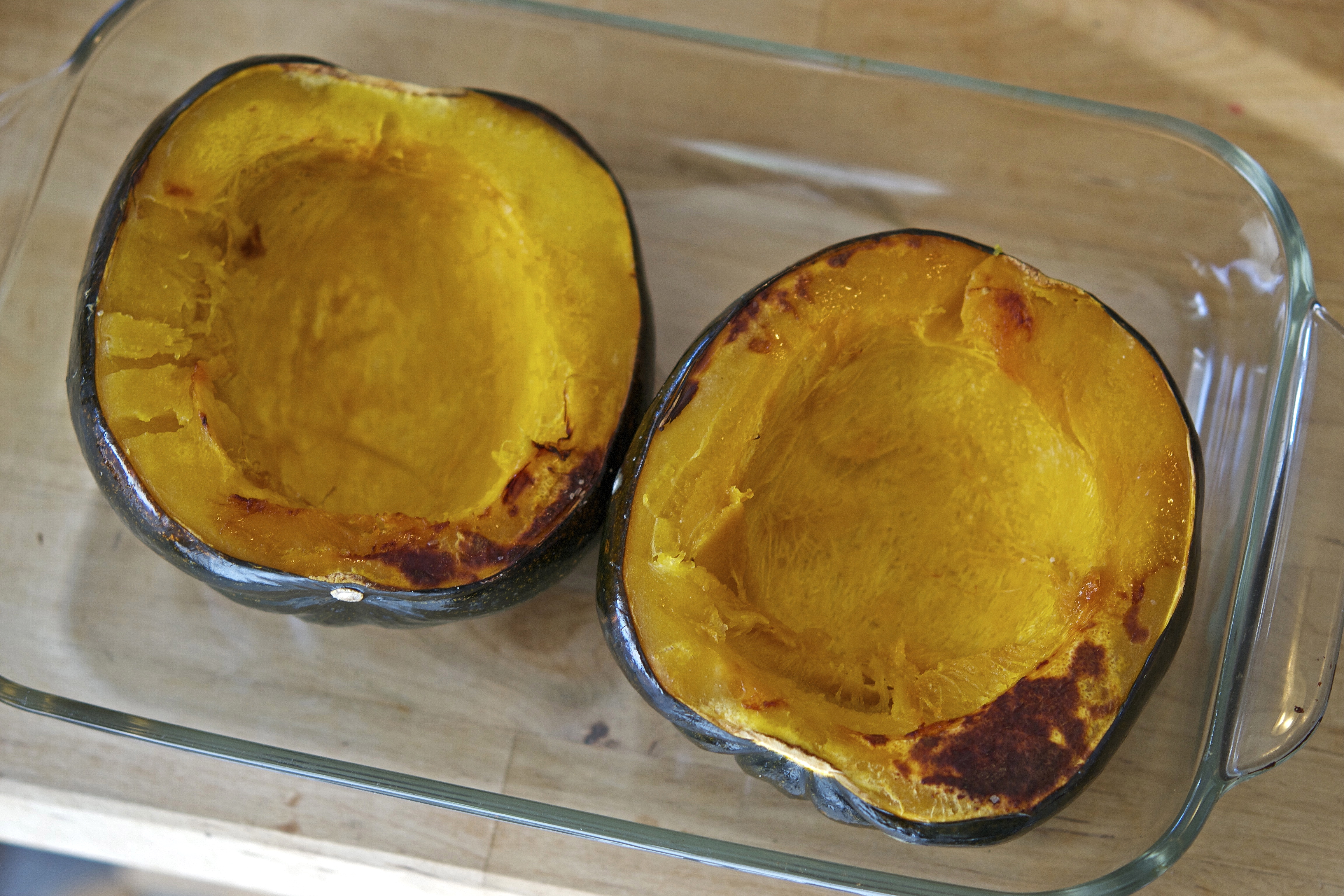
Acorn SquashWhen I was a kid, acorn squash was one of those “side dish staples” in my mother’s cooking repertoire. Her recipe was simple, but terribly addictive: a large pat of butter, a spoonful of brown sugar, and a dash of salt. 40 minutes later a candied bowl of goodness would be ready to eat. While my adult self would love to believe this is good enough for a meal, I knew that something heartier (and a little healthier) would be a safer path to follow. So with that in mind…
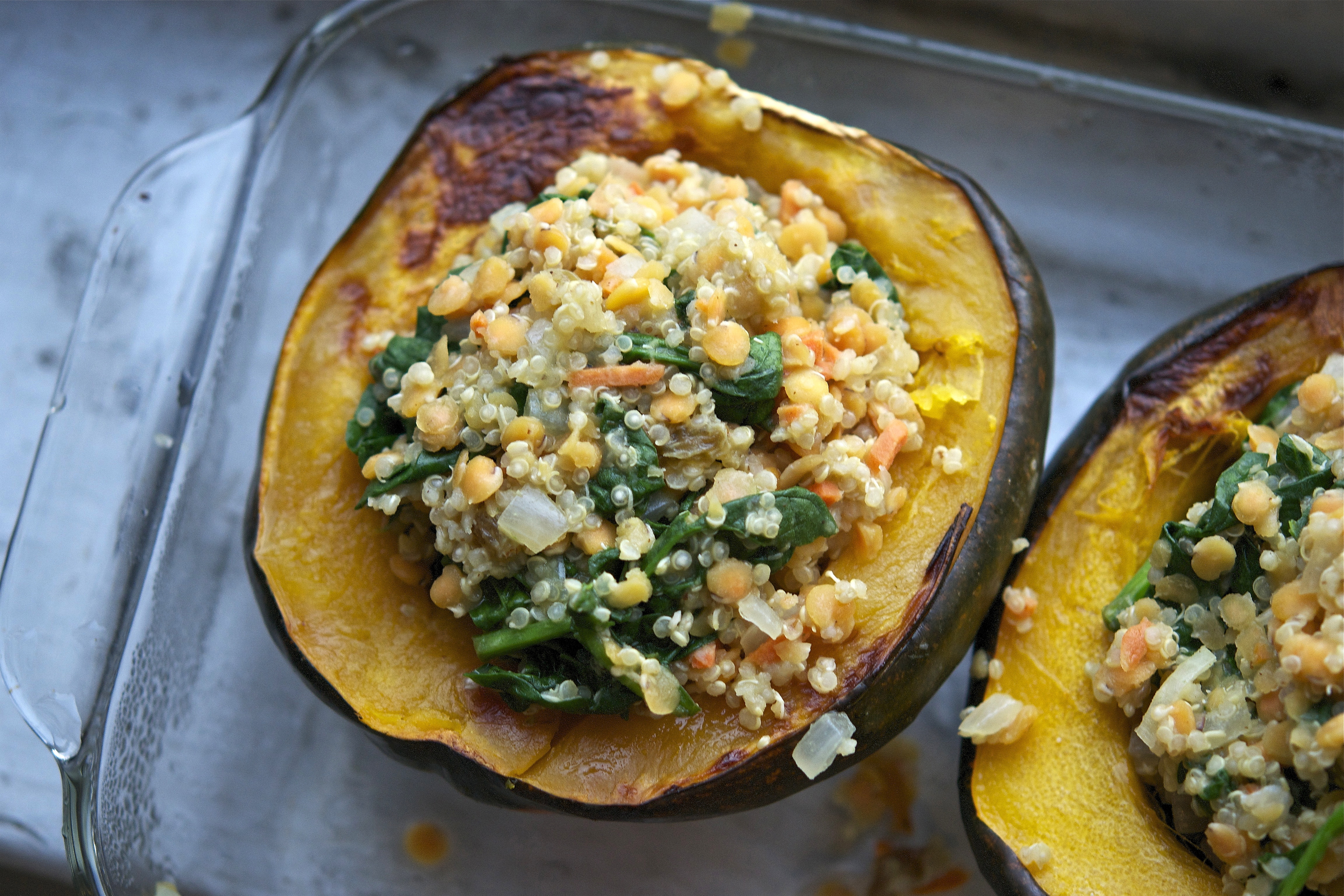
Stuffed Acorn Squash 1Voilà! Quinoa Stuffed Acorn SquashMy grown-up take on an acorn squash. Though they aren’t as tough/sturdy as “practical gourds” (inedible fruit whose rinds are used as food vessels, musical instruments, etc) the shape and size of acorn squash make them ideal serving “bowls”. Many a soup, risotto, and casserole has found its way into this charming cup, so basically anything that be used for stuffing. My recipe consisted of quinoa, red lentils, raisins, and spinach – the result was fantastic, and were even better the next day. Click HERE to see the recipe for this hearty and nutritious meal!
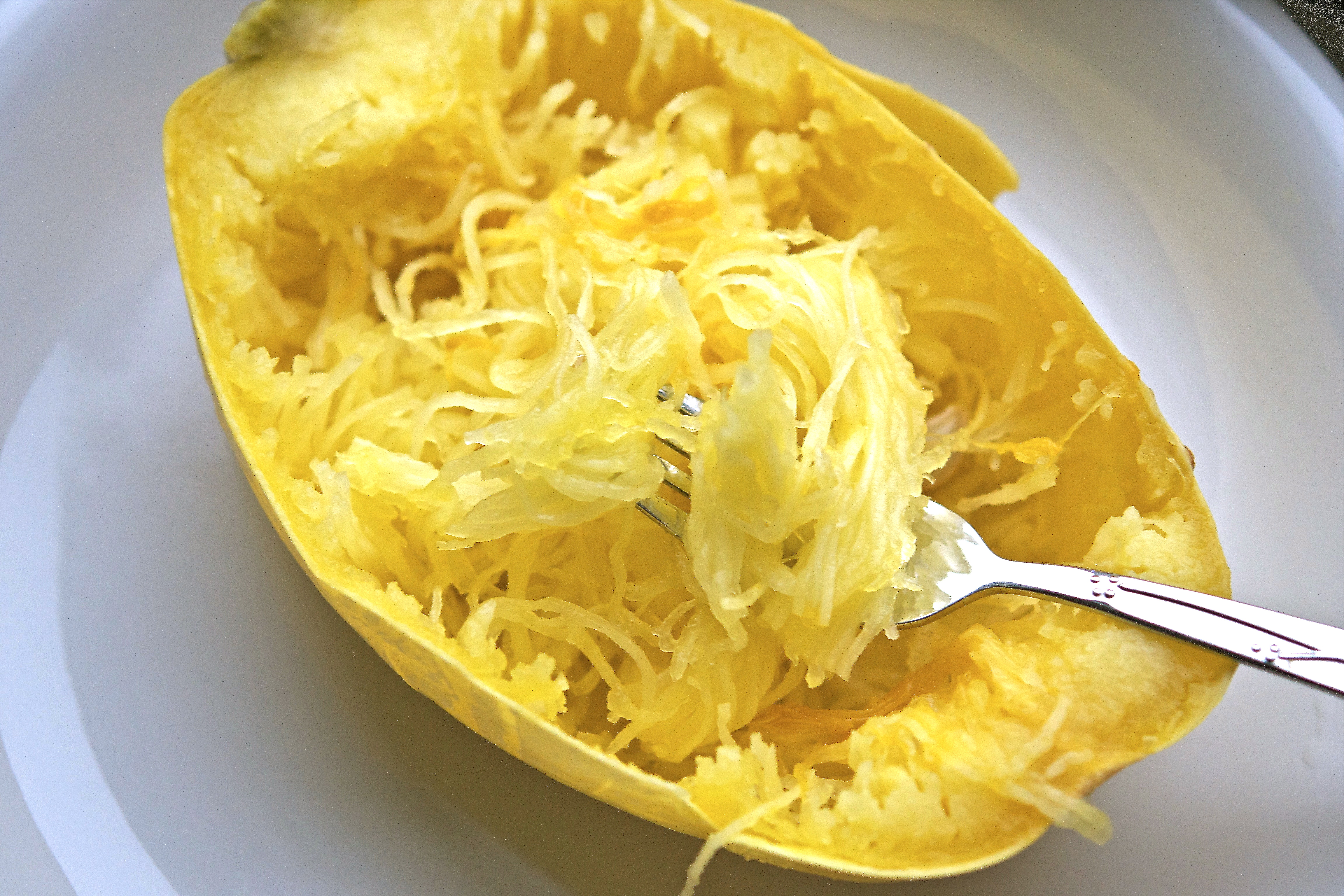
Spaghetti Squash 1Spaghetti squash – the “paleo pasta” that Pinterest can’t seem to get enough of. I’ve actually been curious to try this for quite some time, and was pleasantly surprised at how easy and delicious it turned out. You can cook it any number of ways: boil, roast, microwave (though the thought of exploding squash comes to mind on the latter…) Once done, you simply rake a fork through the strands to yield a fiber-packed “spaghetti” with half the carbs.
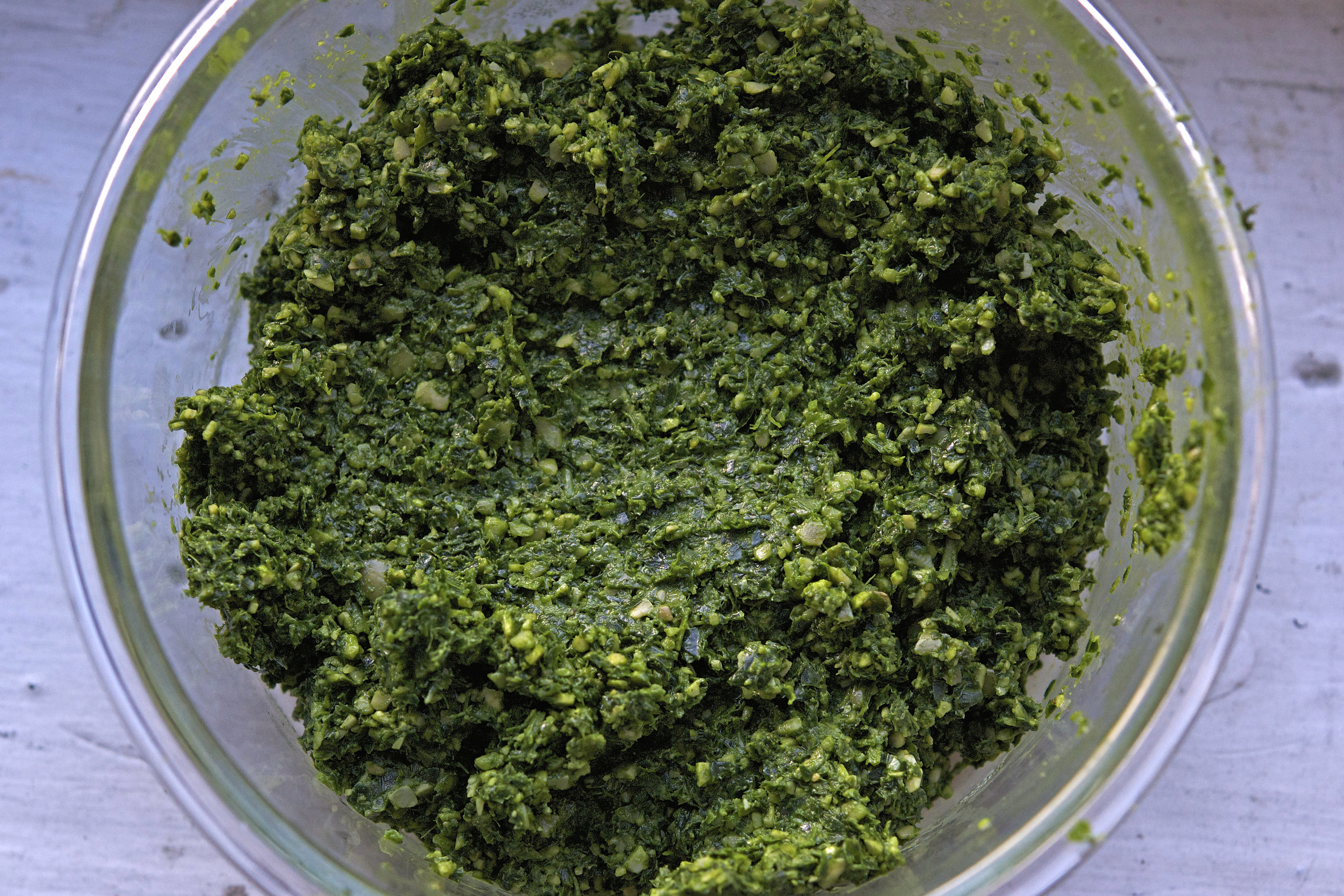
Kale PestoMy sister sent me an edible arrangement for my birthday, which was jam-packed with chocolate-covered everything. Surprisingly enough, the basket’s “filler” was a massive heap of curly kale! My initial excitement wore off once I discovered there were nearly 6 cups of the stuff hidden in the basket. I toyed around with a few ideas, recalling how I still have way too many pepitas in my house (but can you ever have too many pepitas? We’ll shelve this discussion for later). That’s when it dawned on me: Spaghetti Squash with Kale-Pepita Pesto!
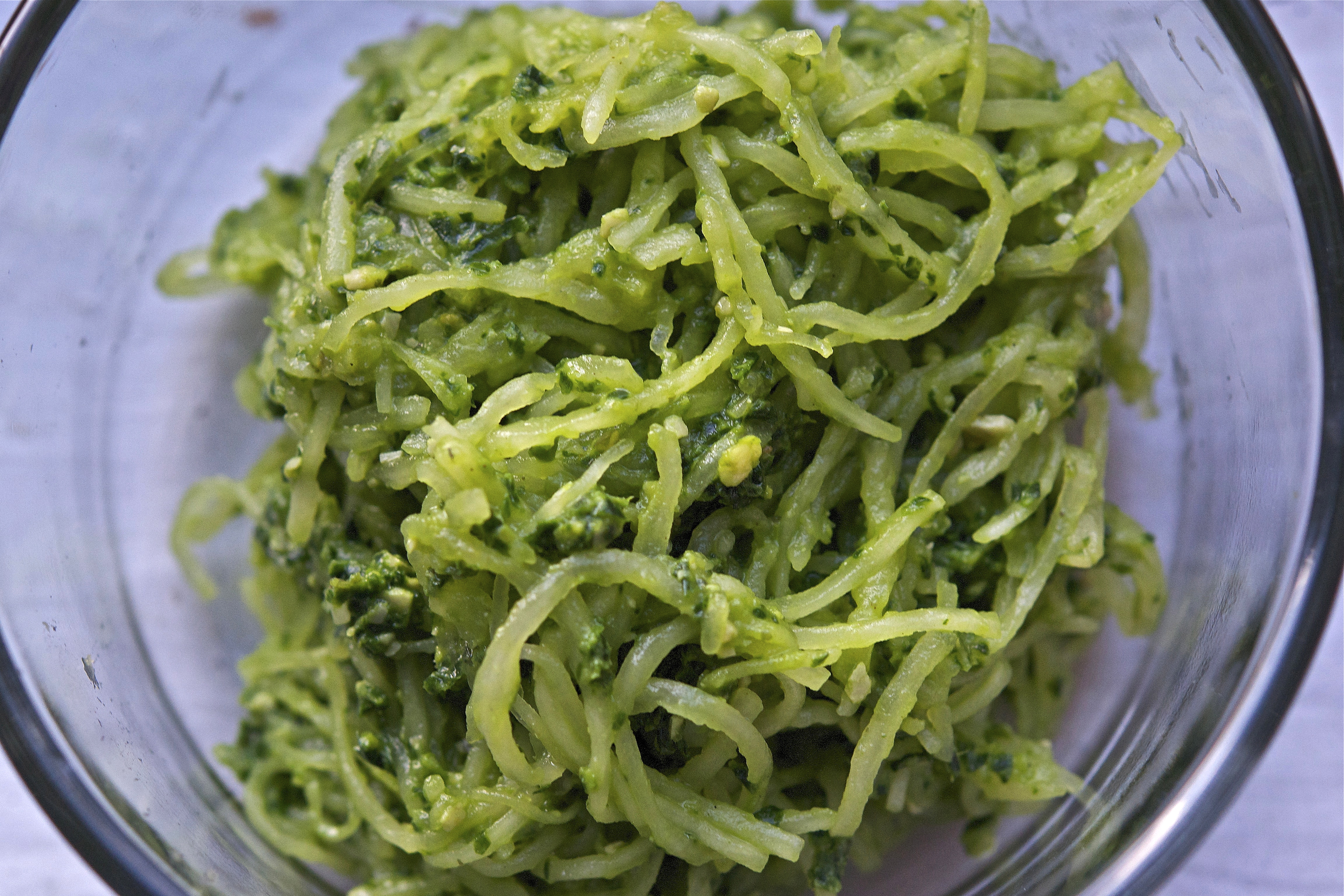
Spaghetti Squash 2It is definitely not your typical pesto, but my god was it good!  The kale creates an even deeper green than the traditional herb varieties, and the pepitas are a lovely alternative to the pine nut and walnut norms. A word of caution – I am known to enjoy atypical fare, and this certainly falls into that category. Sticking with a traditional pesto might be a safer bet for those who know their limits. While the resulting dish looked a little bit like something Nemo might eat, it was really delicious – click HERE to see the recipe!
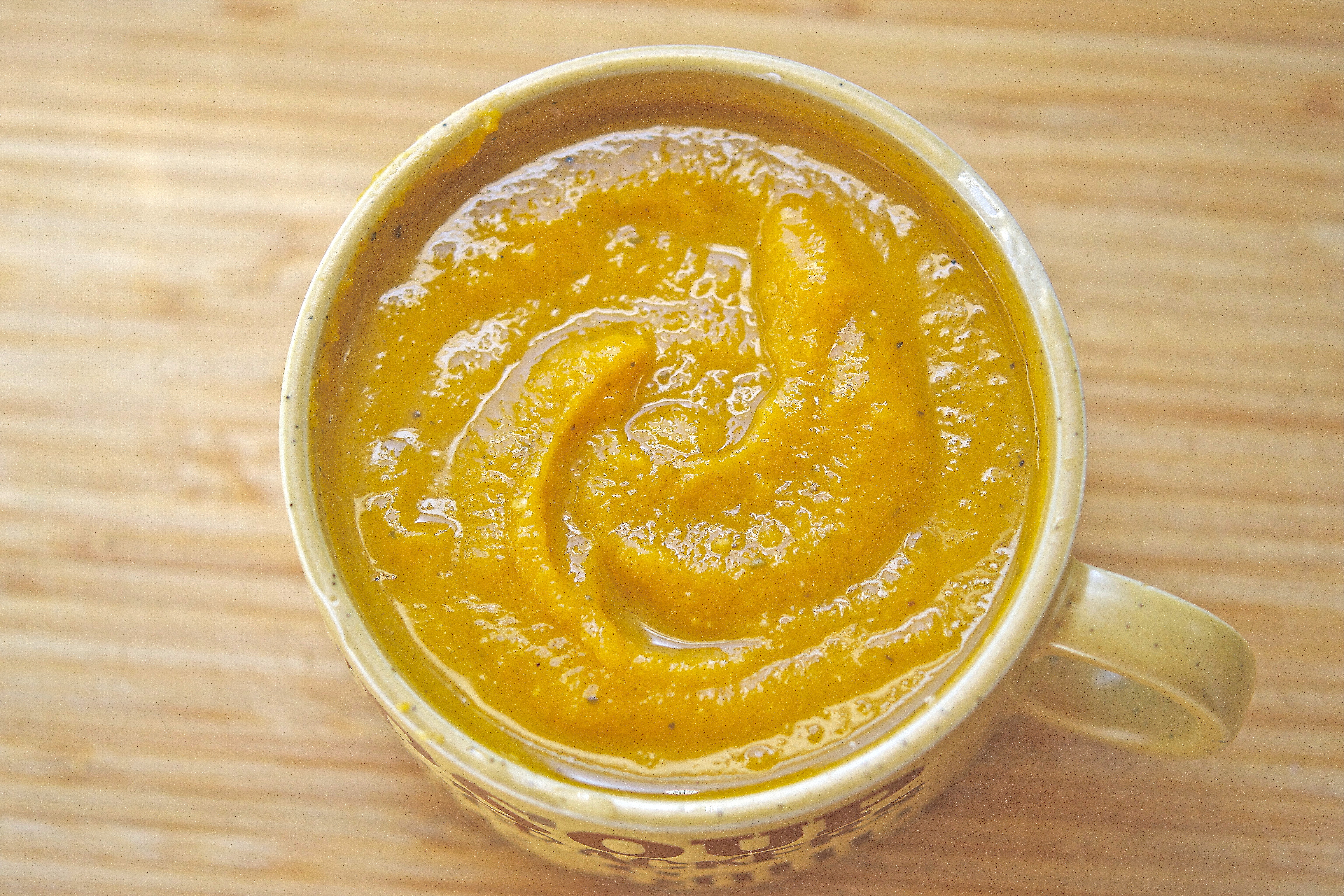
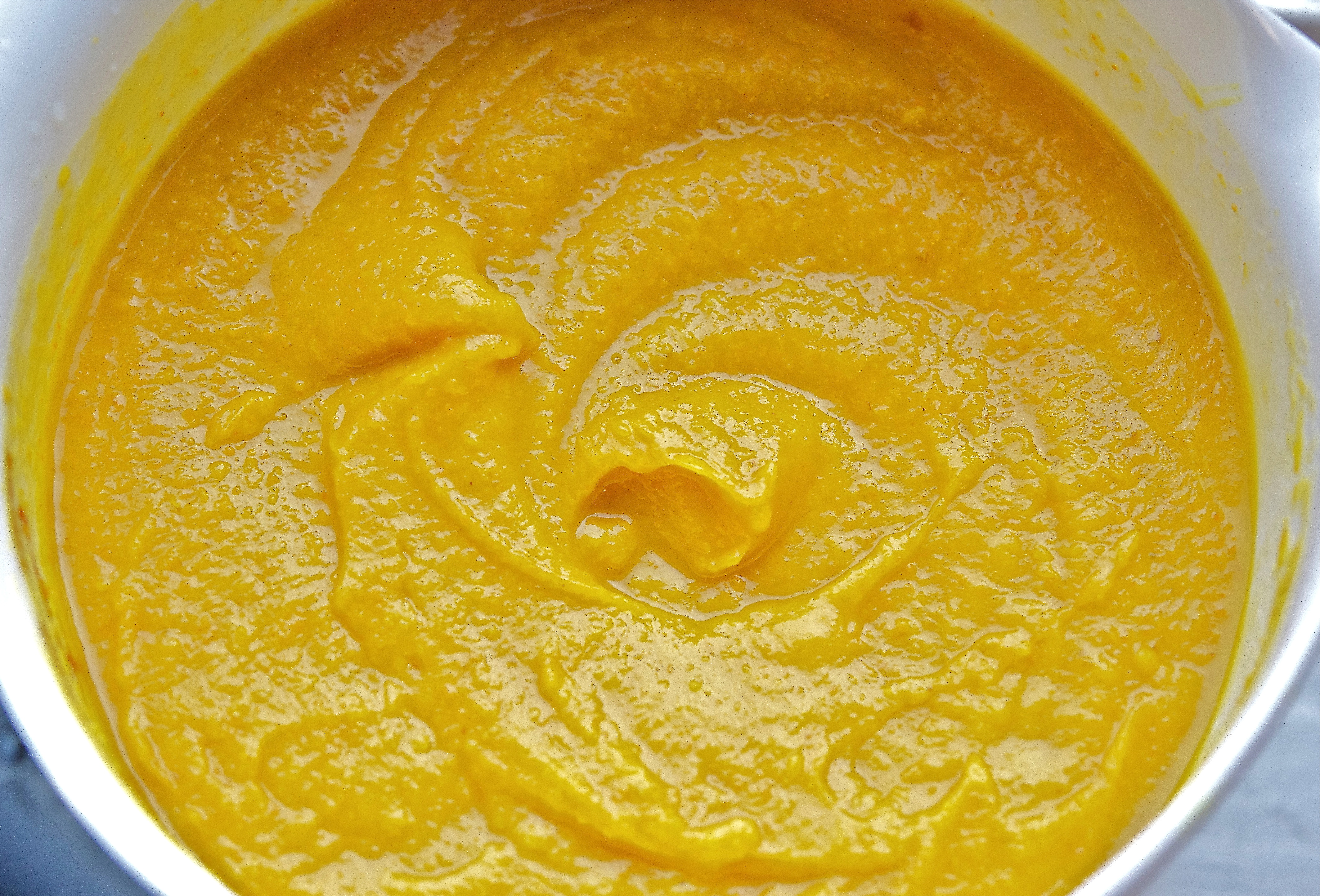
Butternut Squash Soup 2In considering the innumerable ways of preparing squash, hands-down my favorite preparation is a warm soup with fall spices.  There have been time I’ve sprinted to the subway post-work knowing that a warm bowl of pumpkin soup could be mine as soon as I got home. This thought alone has abated even though most oppressing winters in Boston. I may be unique in my obsession, but this Butternut Squash & Apple Soup has the potential to make anyone a believer. Butternut squash has a naturally sweet taste, but is more subtle than sweet potato or acorn squash. It pairs well with a number of spices, such as nutmeg, cinnamon, and ginger (to name a few!).
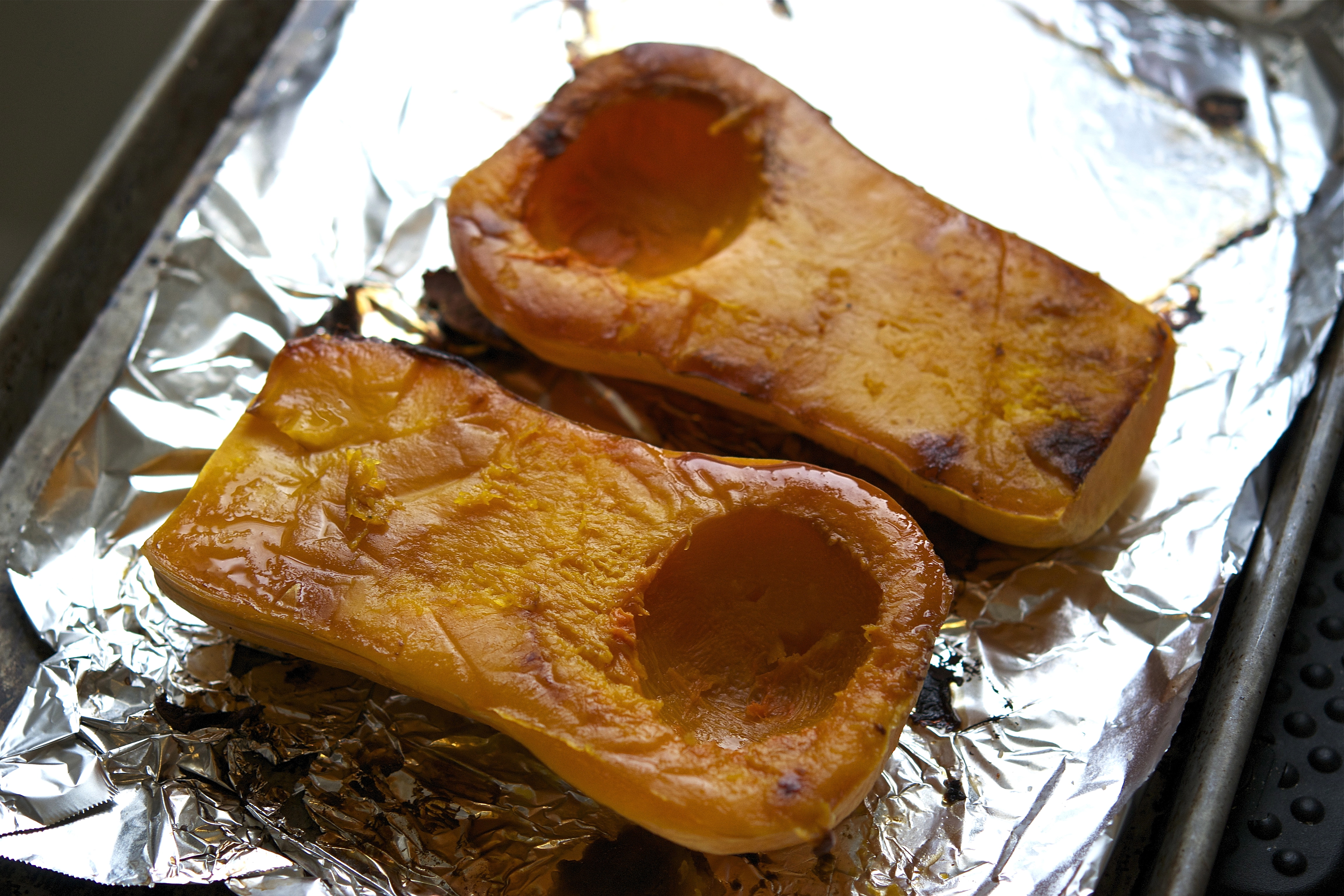
Butternut SquashThere is one thing worth mentioning about this fabulous food group…certain squash can be a real pain in the butt when it comes to prep work. Trying to halve one of these takes the skill of a samurai, and peeling the rind is something I try to avoid at all costs. Luckily, this butternut squash recipe is fairly straightforward and you can make it days in advance (but if you’re like me, it won’t last long). The result is a soup that can bring warmth to even the coldest of winter days – click HERE to see the recipe for this cozy dish!
Butternut Apple Soup 1The contextual possibilities of squash make it an eclectic food source – soups, pies, pastas, muffins, you name it! What’s remarkable about this fruit is the ease and suitability it lends to each of its applied settings: whether it is a savory casserole or a candied treat. An appropriate analogy for classical music can be applied to the many hats that composers are often encouraged to wear throughout their career. One unique example is Jacques Ibert: a French composer whose style (both musically and professionally speaking) never adhered to a specific theme. Musically, Ibert’s compositions never adhered to a single style – he claimed that “all systems are valid provided that one derives music from them”. From operas to incidental music to chamber settings, Ibert’s music run the gamut of genres and styles. Professionally, Ibert had multiple careers – he was the director of the Académie de France à Rome for over 20 years, served on professional committees for the arts, and was an active conductor. In homage to the three recipes of this post, I chose Ibert’s Trois Pièces Brèves for the musical pairing. Written in 1930, this charming work for woodwind quintet is less than 10 minutes in length. The unique sound and texture of this ensemble is captured quite beautifully, with Ibert previewing the strengths and nuances of each instrument. The opening is lively and exuberant, which then transitions to a pensive duet between the flute and clarinet, and ends with a somewhat serious yet joyous finale. The below recording is by the Wind Quintet from the Danish National Symphony circa 2010 – enjoy!

Sources Cited:
“Winter Squash,” Wikipedia.com

“Jacques Ibert,” Wikipedia.com
“Stanford Woodwind Quintet: April 6, 2008 – Program Notes,” Friends of Chamber Music