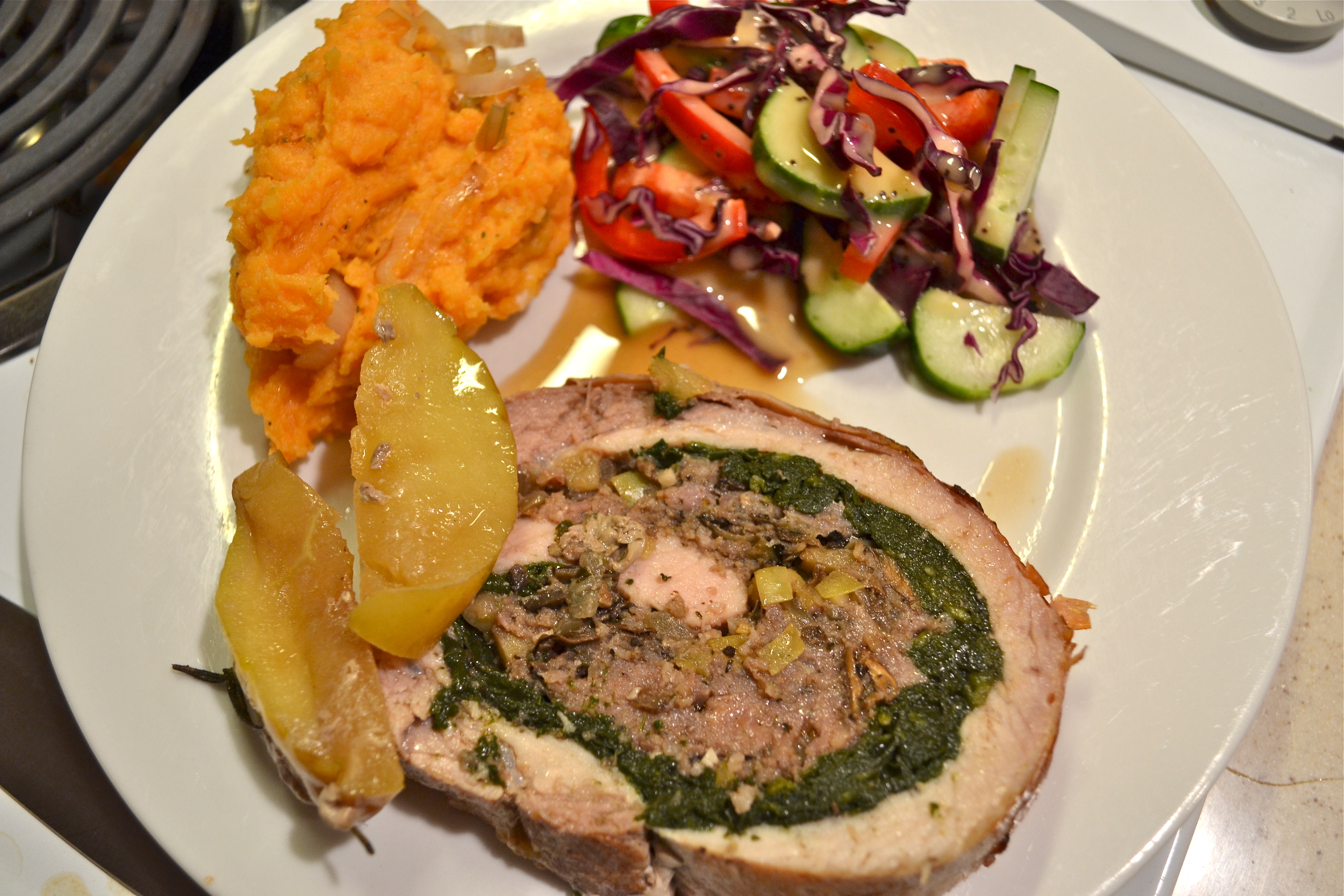
A Treat for a Texan

Planning a surprise party is like organizing an elaborate meal – there’s prep work to ensure that everything goes smoothly, you have to know when and where the moving parts will be throughout, and you have to be prepared for anything that might happen. Ultimately, the true purpose of both is to bring  family and friends together. The other night I threw a surprise party for my roommate Jenn Berg – the turnout was great, the spread was epic, the champagne was flowing, and the look of sheer happiness on her face made it all worthwhile. Since she loves nutella, I decided to make this gorgeous Nutella Cake with Chocolate Ganache.
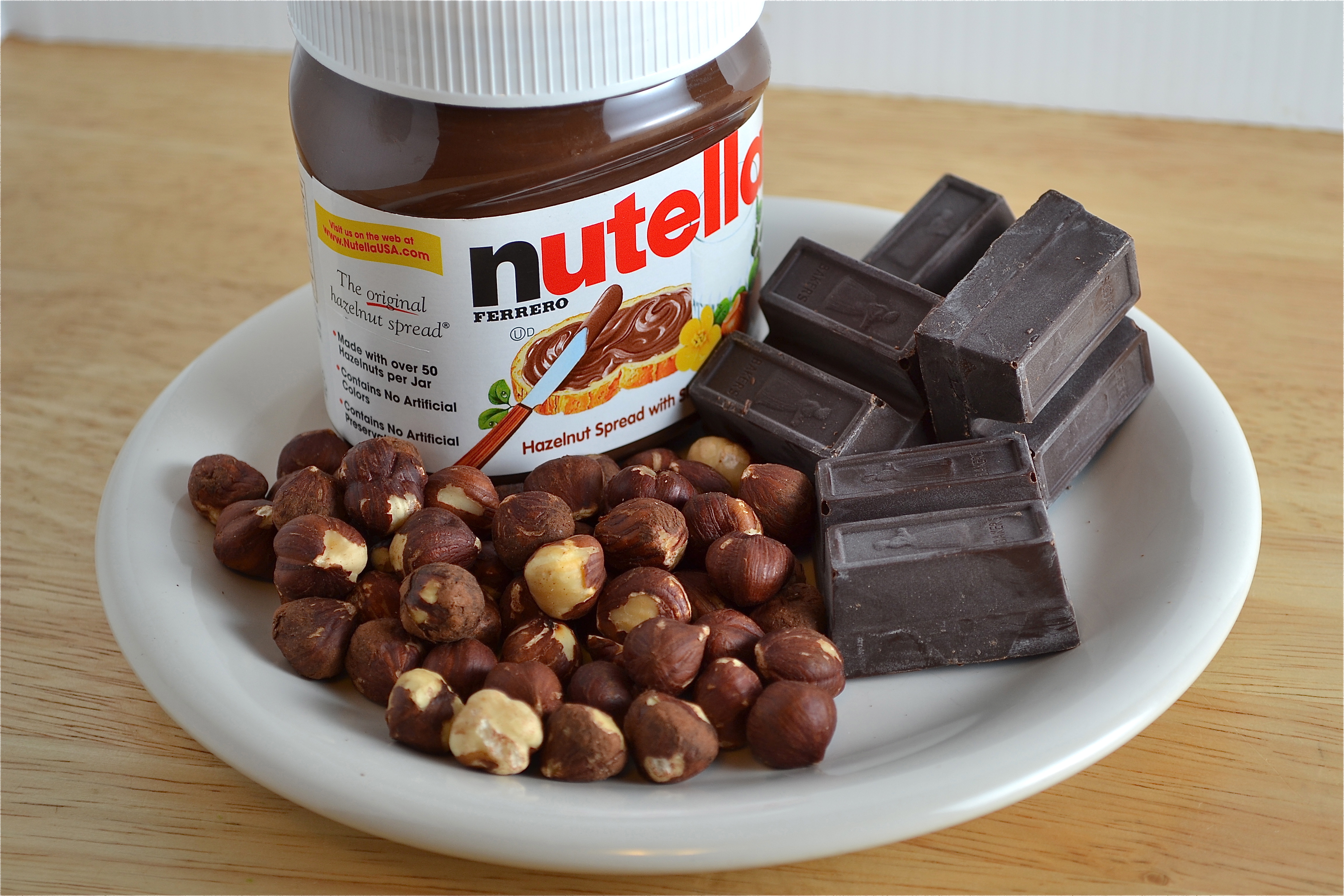
Nutella is a work of art, and there are very few who would say otherwise. In fact it’s so popular that they created a World Nutella Day to showcase the potential of this decadent spread! The original recipe was created by an Italian pastry maker named Pietro Ferrero. In the 1940s, his patisserie was limited on chocolate due to WWII rationing. Northern Italy has an abundant supply of hazelnuts, so Ferrero decided to create a mixture with cocoa to help extend his chocolate supply. The result was so successful that Ferrero created the company Ferrero SpA to market and sell the spread.
This isn’t your average flourless cake – the egg whites are whipped separately from the batter, while the ground hazelnuts act as a “flour” substitute. The result is a soufflé-like cake with a rich flavor contrast (from the nutella and hazelnuts). I wouldn’t say serve bigger slices as a result, though – you will still find it to be plenty rich. The recipe originally calls for Frangelico, but rum works just as well. It also originally calls for a garnish of hazelnuts, but I ended up using Ferrero Rocher balls instead (another favorite of Ferrero SpA). Click HERE to see the recipe for this gorgeous cake!
In homage to Jenn, an oboist, I chose a musical piece that I’ve heard her practicing many, many times: Ravel’s Le tombeau de Couperin. Originally a suite composed for piano, Ravel later orchestrated four of the seven movements for orchestra. Each movement of the work is dedicated to friends Ravel lost in WWI. Filled with dance-like melodies and pastoral reflections, the work is more a celebration of life rather than a lamentation (making it a wonderful complement to our evening!) This piece places a number of demands on the oboe, making it a staple of their excerpt repertoire (especially for auditions!) I hope that one day I’ll have the chance to hear my extremely talented roomie to perform this with an orchestra – enjoy!

http://www.youtube.com/watch?v=Lc8ugWM5tB0&feature=related

Sources Cited:
“Nutella,” Wikipedia.com
“Le tombeau de Couperin,” Wikipedia.com
A Heroic Feat

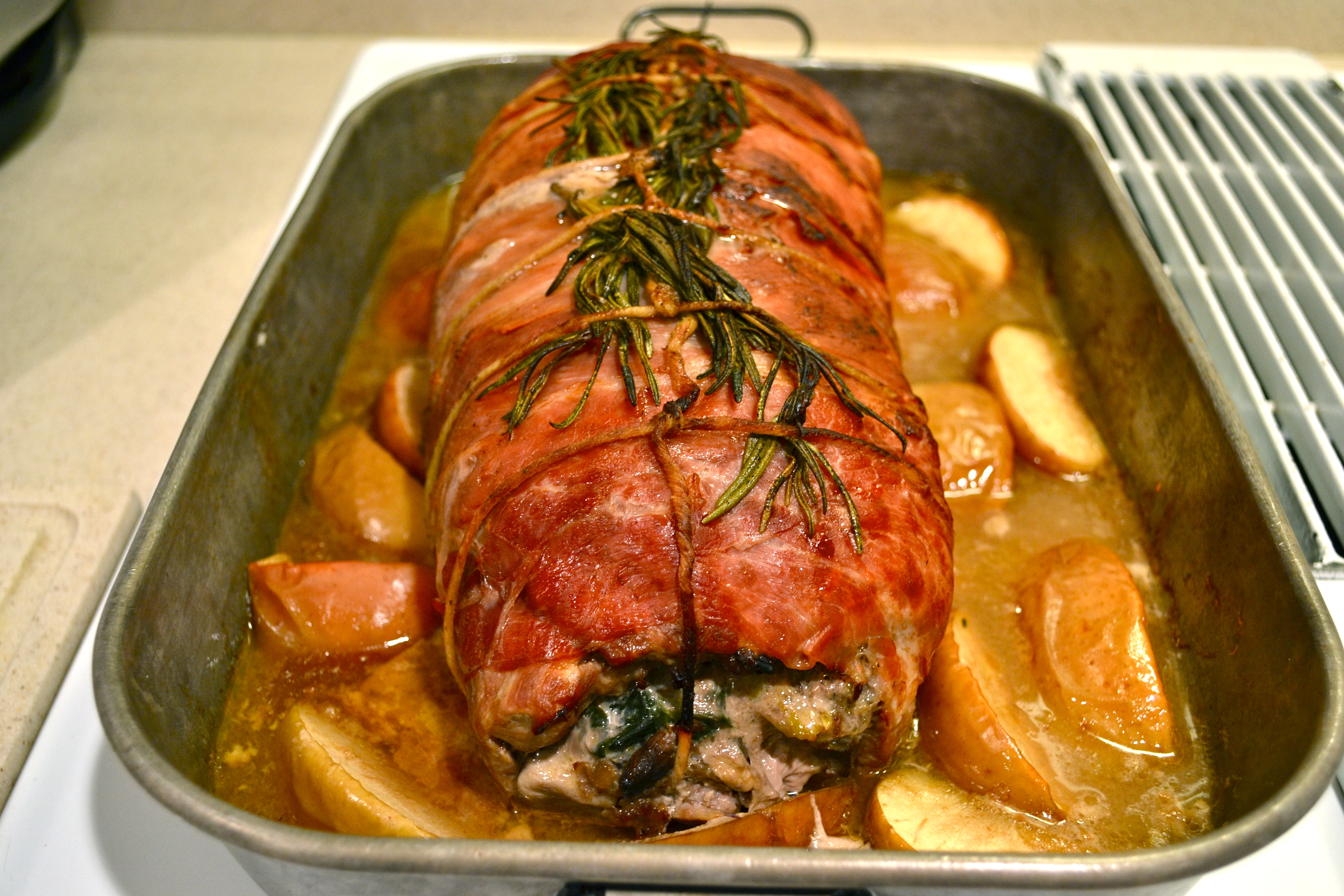
When I first received my October issue of Bon Appétit, I stared at the cover photo for a solid 5 minutes – somehow, I needed to make this dish. Fast forward 3 week: I’m visiting with my parents and that same issue sits on their coffee table, further enticing my culinary drive. I walked into the kitchen and was nearly floored when I saw that they had almost every ingredient needed for this dish on hand! While it was by no means a walk in the park, this Prosciutto-Wrapped Pork Loin with Roasted Apples was a huge hit!
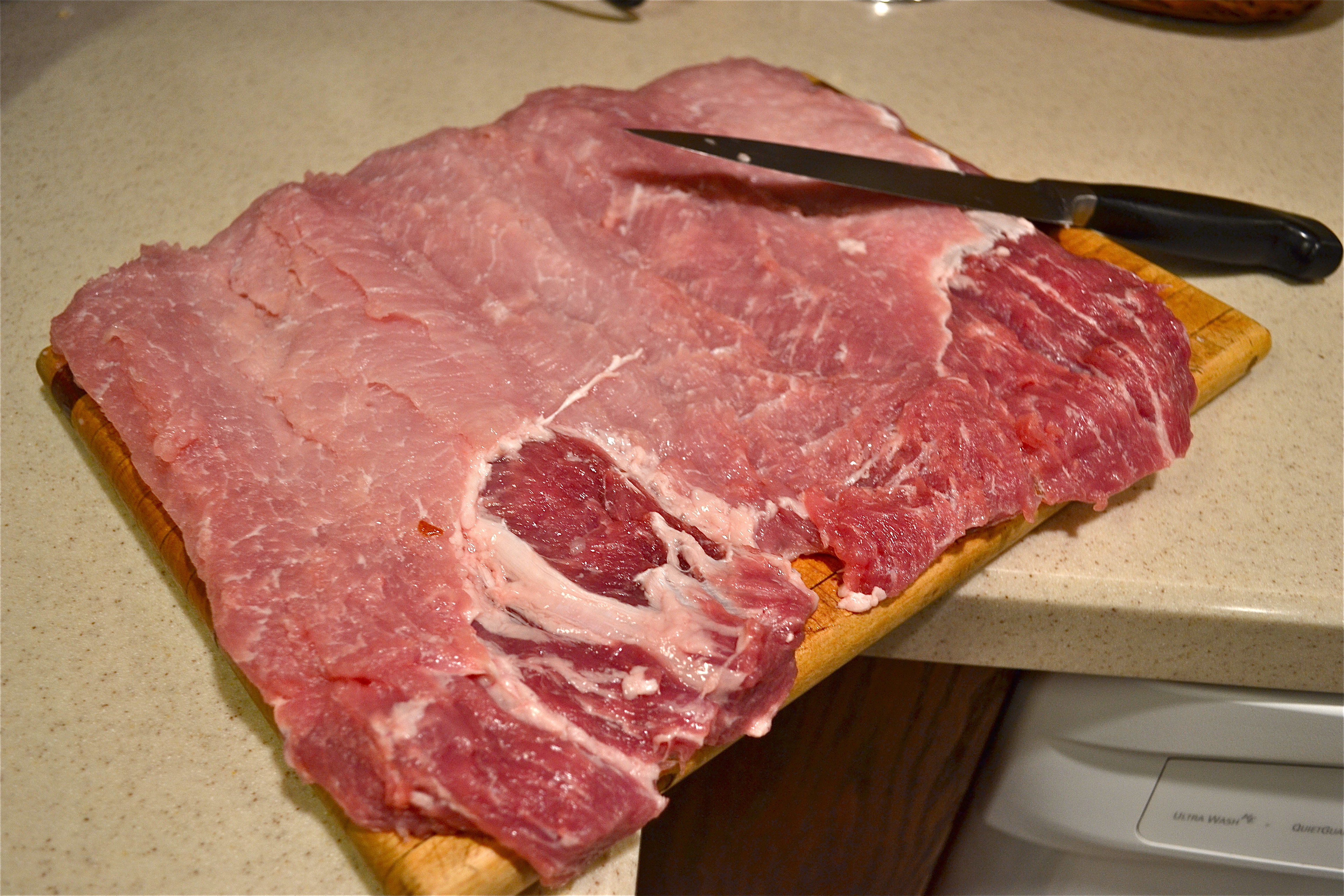
This was the first time I tackled a whole pork loin, much more stuffing one! Butterflying the pork is arguably the most challenging step in this recipe – the magazine likens the process to unrolling a carpet, which actually helped me visualize what to do pretty well. After butterflying the pork, you then get to go to town with a meat mallet to get the pork to an even thickness – for those of you harboring frustration and/or anxiety, here’s a step for you!
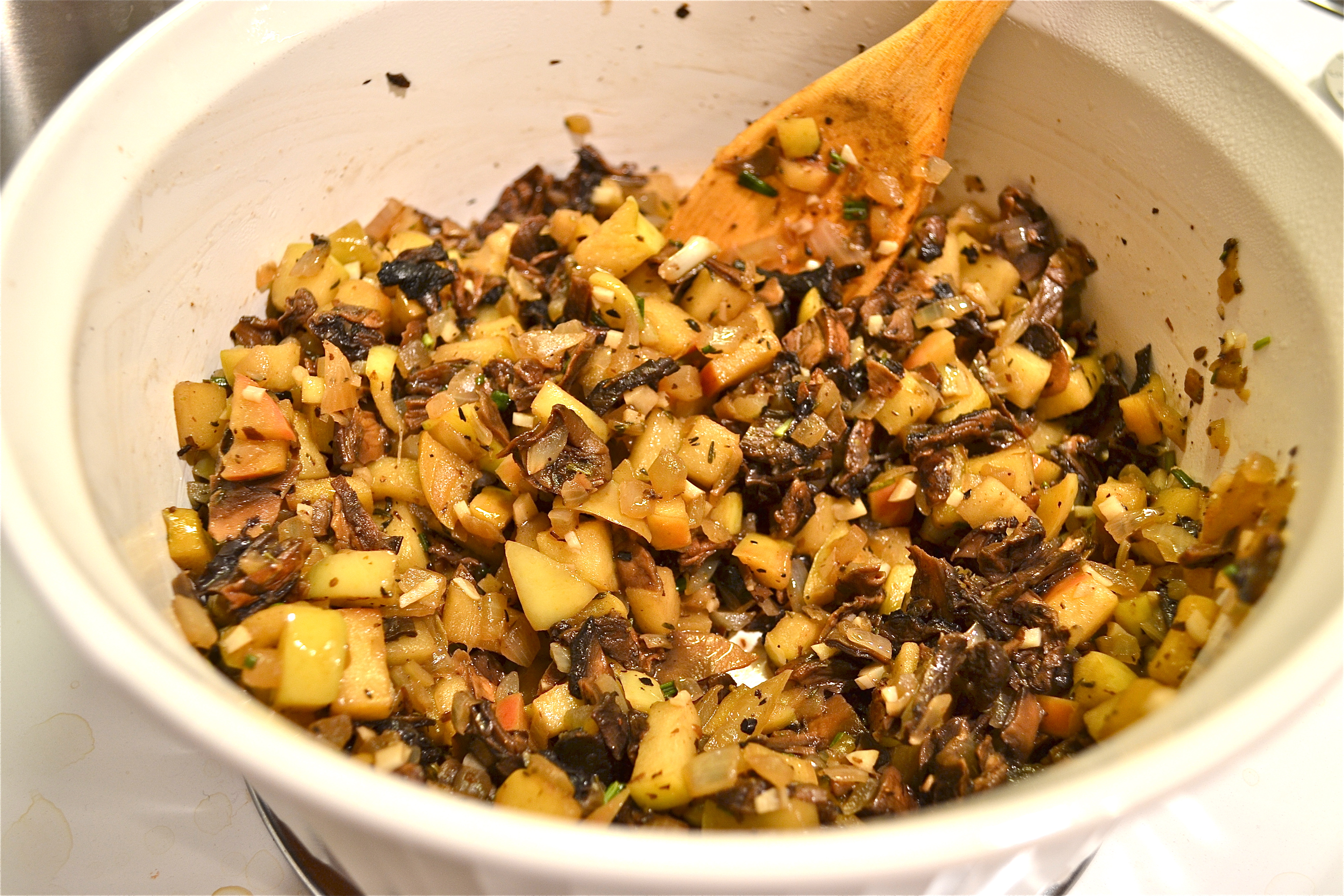
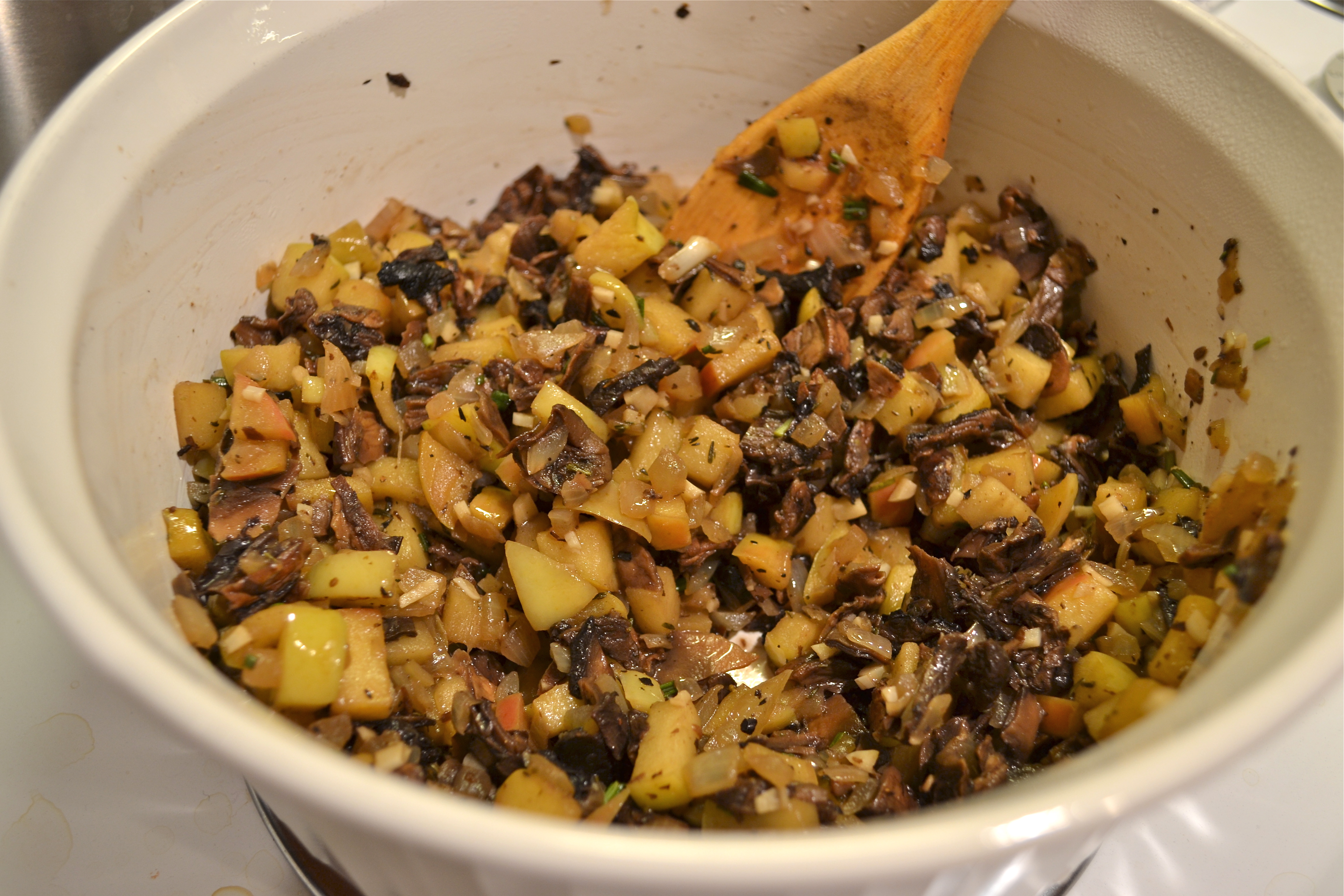
I took some poetic license on the filling. I knew I wanted to used dried mushrooms, but the store only had dried portobello mushrooms (instead of porcini). We also had SO many fresh apples at the house that I nixed the dried apple request and went for fresh Fuji apples. While I love kale and the earthy quality it brings, we had beautiful fresh spinach – yet another easy substitute for what I had on hand. I did include the brandy, at least 😉 Regardless of time or effort, the result is absolutely fabulous: juicy pork with a sweet & savory stuffing, all “gift-wrapped” in crispy prosciutto. Hungry yet? I served this dish with a simple salad and mashed sweet potatoes – click HERE to see how to make this elegant dish!
I originally had no idea how I would be able to pull off such an elaborate recipe – such a “courageous” risk drew my pairing to (the somewhat obvious) tone poem Ein Heldenleben (A Hero’s Life), by Richard Strauss. Typical of a tone poem, the movements are played without pause (much like this recipe made me nervous to take one). It is considered to be one of Strauss’s finest works in utilizing the full potential of the modern orchestra, giving “flavor and depth” to every moment and part. Additionally, much the way that I am giving myself a “pat on the back” for accomplishing this meal, it is rumored that Strauss may have been referring to himself as the “hero” portrayed in the work (if only somewhat). The recording below is with Seji Ozawa conducting – enjoy!

http://www.youtube.com/watch?v=UHoRPnrG-44

Sources Cited:
“Ein Heldenleben, Op.40,” The Kennedy Center

A Delectable Surprise

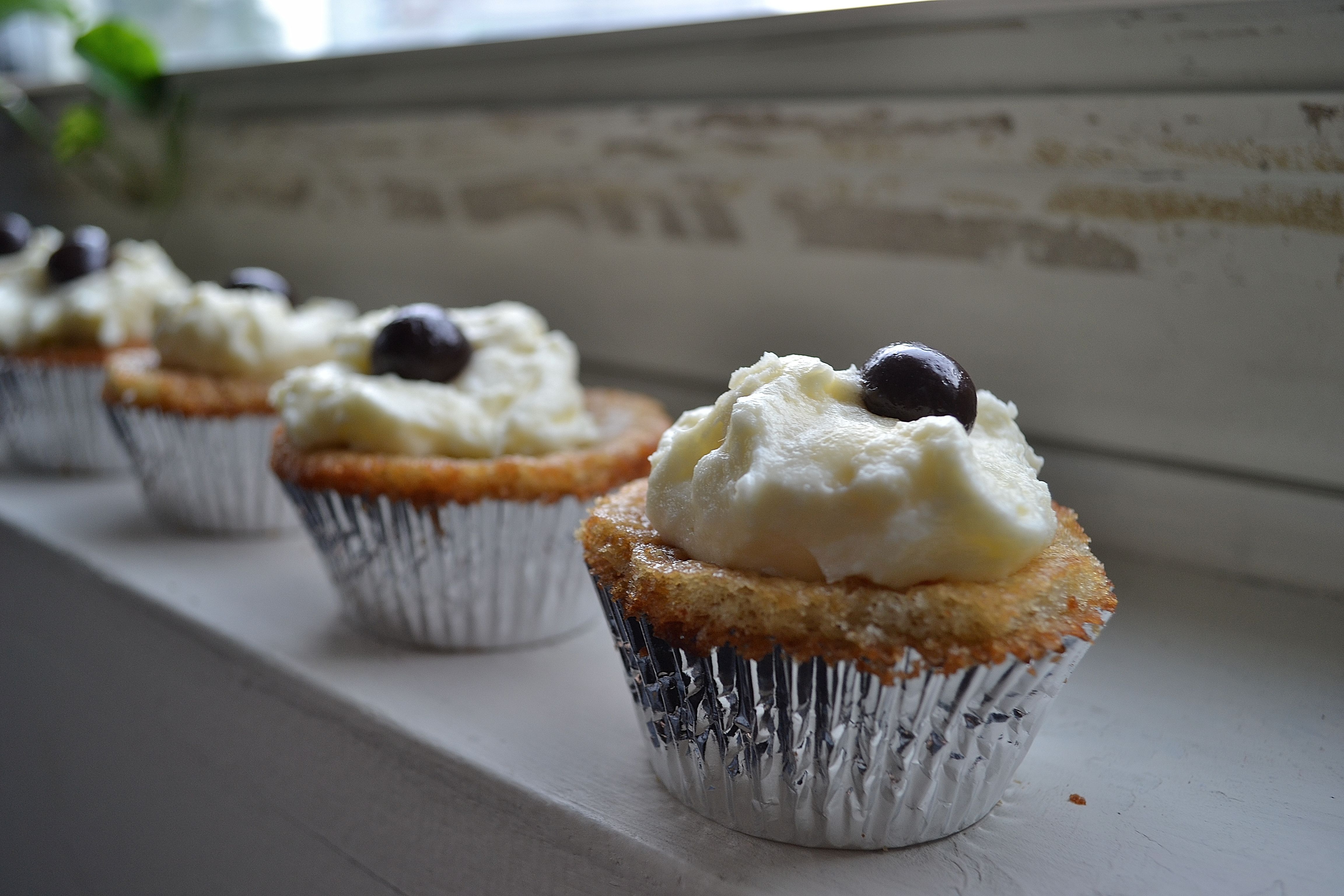
There’s nothing like a surprise party to make a rainy Friday night come to life. We decided to throw one for my close friend Erika Boysen, and it was a huge success! Somehow we managed to keep it under wraps, and she showed up totally unaware. Lots of great people were there, and there was (of course) tons of food. Earlier that week I managed to glean from Erika her love for tiramisu. Since this was going to be a party with lots of people, authentic tiramisu would quickly become a mess so I decided to make Kahlúa Tiramisu Cupcakes.
For those of you familiar with making tiramisu, you may be wondering why use Kahlúa instead of Marsala. While it’s not the most traditional substitute, Kahlúa gives an extra kick of coffee flavor to these. Plus I also have a giant bottle leftover from brownies I had made a while back…expect more Kahlúa recipes, in other words. These actual cakes are just like ladyfingers – they are perfect little “sponges” for the coffee-kahlúa syrup. They have a light crumb and bake to a beautiful golden brown. Topped with an airy mascarpone frosting, these cupcakes are just like the real deal. Click HERE to learn how to make these marvelous treats!
For pairing this piece, I wanted to honor the birthday girl and feature a work that genuine standard in the flute repertoire: Francis Poulenc’s Flute Sonata. Poulenc composed the work for flutist extraordinaire Jean-Pierre Rampal (whose was often cited as being the authority on stylistic choices by a previous flute teacher that Erika and I shared). As a member of the French group of composers “Les Six,” Poulenc’s music was known for being light and simplistic. The “light” relation to these cupcakes goes without saying. These cakes may have not been simple to make, but they are certainly easy to eat! I’ve included a recording of the first movement performed by Emmanuel Pahud, as well as a fabulous photo of the birthday girl and my friend TJ (thanks Philip!) – enjoy!

http://www.youtube.com/watch?v=m0Q-0ztr-Xw

Photo courtesy of Philip Varricchio

A Wealth of Delicious Variety

While practically anything that you eat at a restaurant can be made in your home, there will always be a few that you prefer to leave in the hands of professionals. For the longest time, I had always assumed sushi was one such meal – until I met Maya Jacobs. She never lived in Japan and doesn’t necessarily cook Asian dishes on a regular basis; she just knows that quality ingredients, homemade rice, and a skilled hand at rolling seaweed are all it takes to make great Maki Sushi.
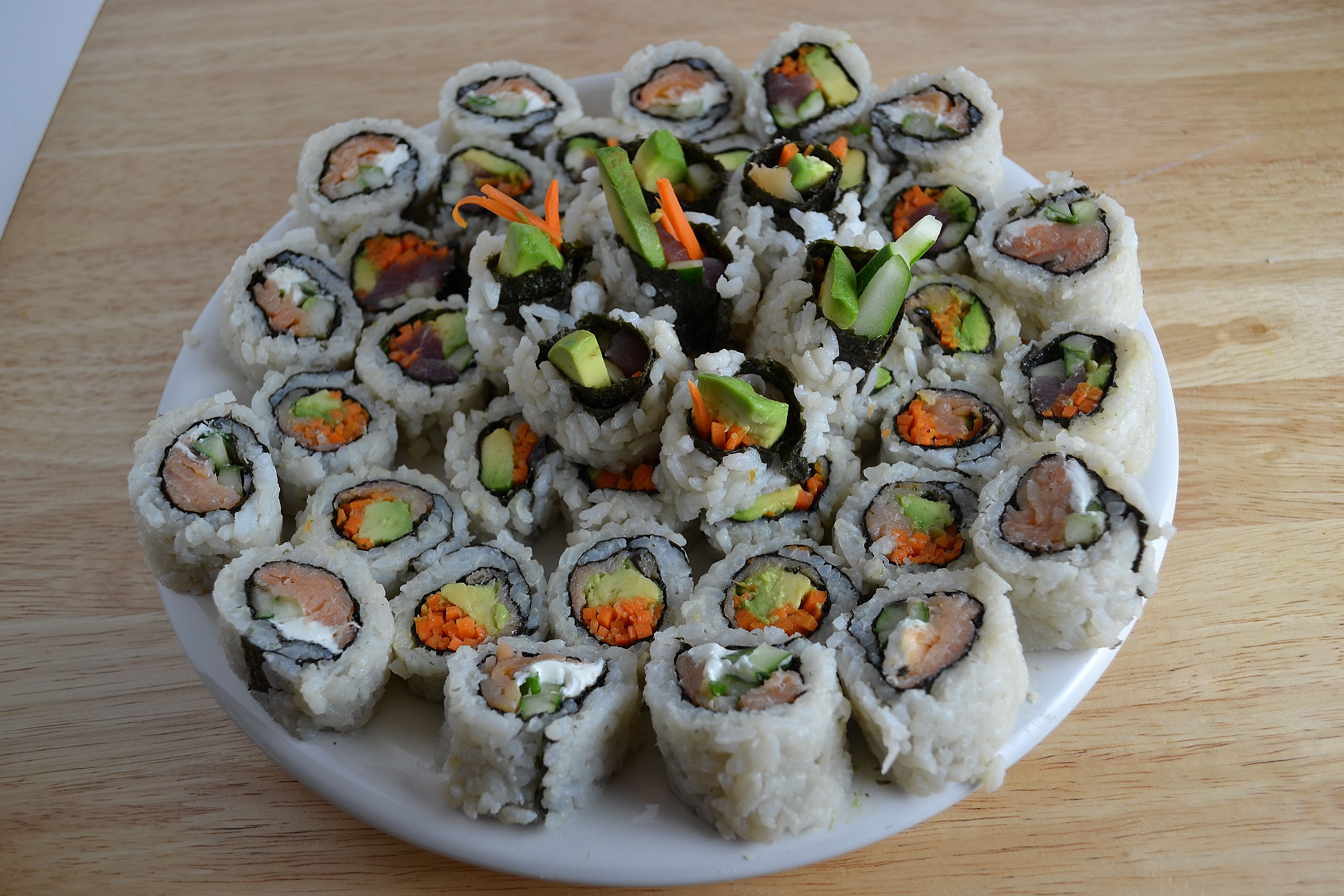
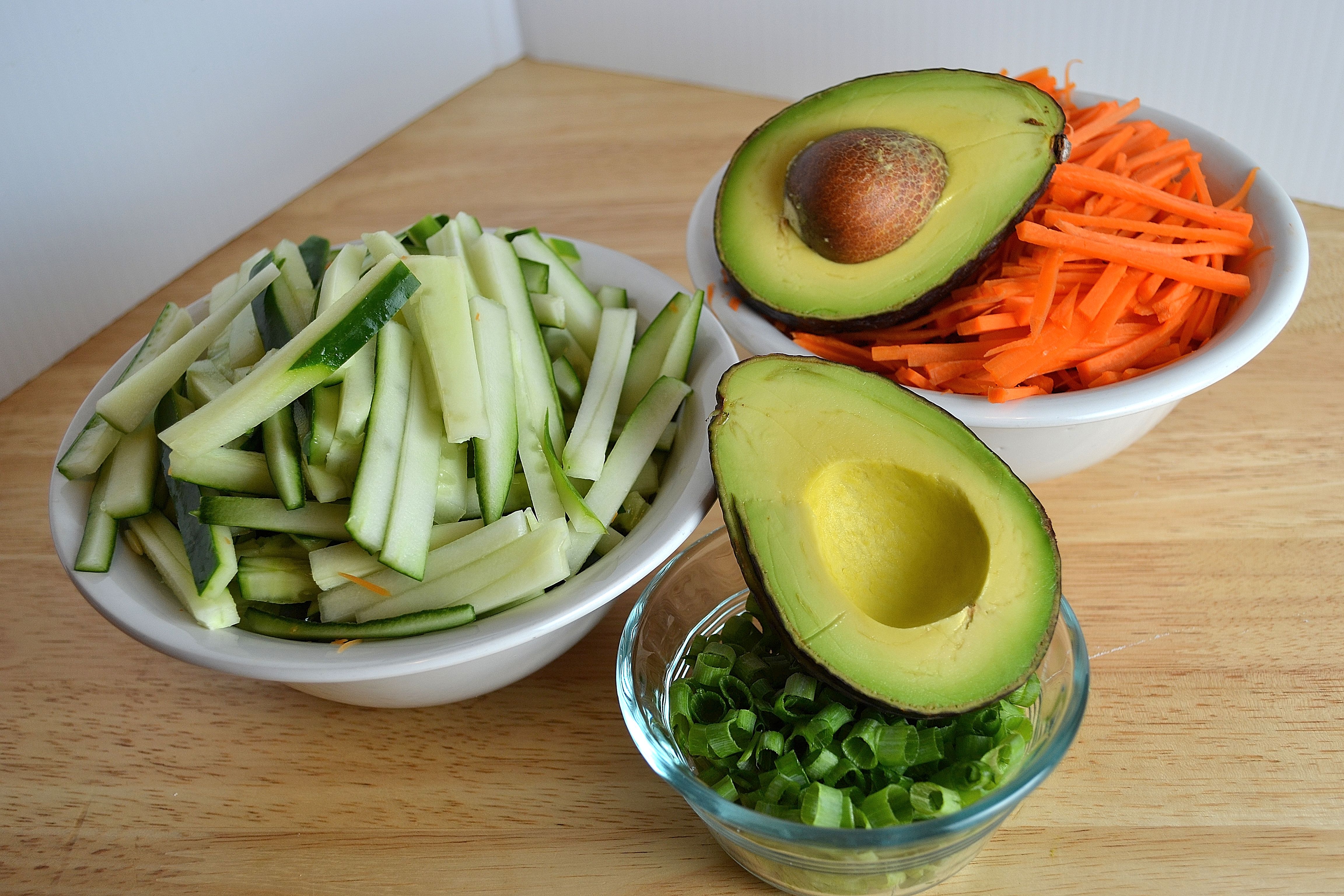
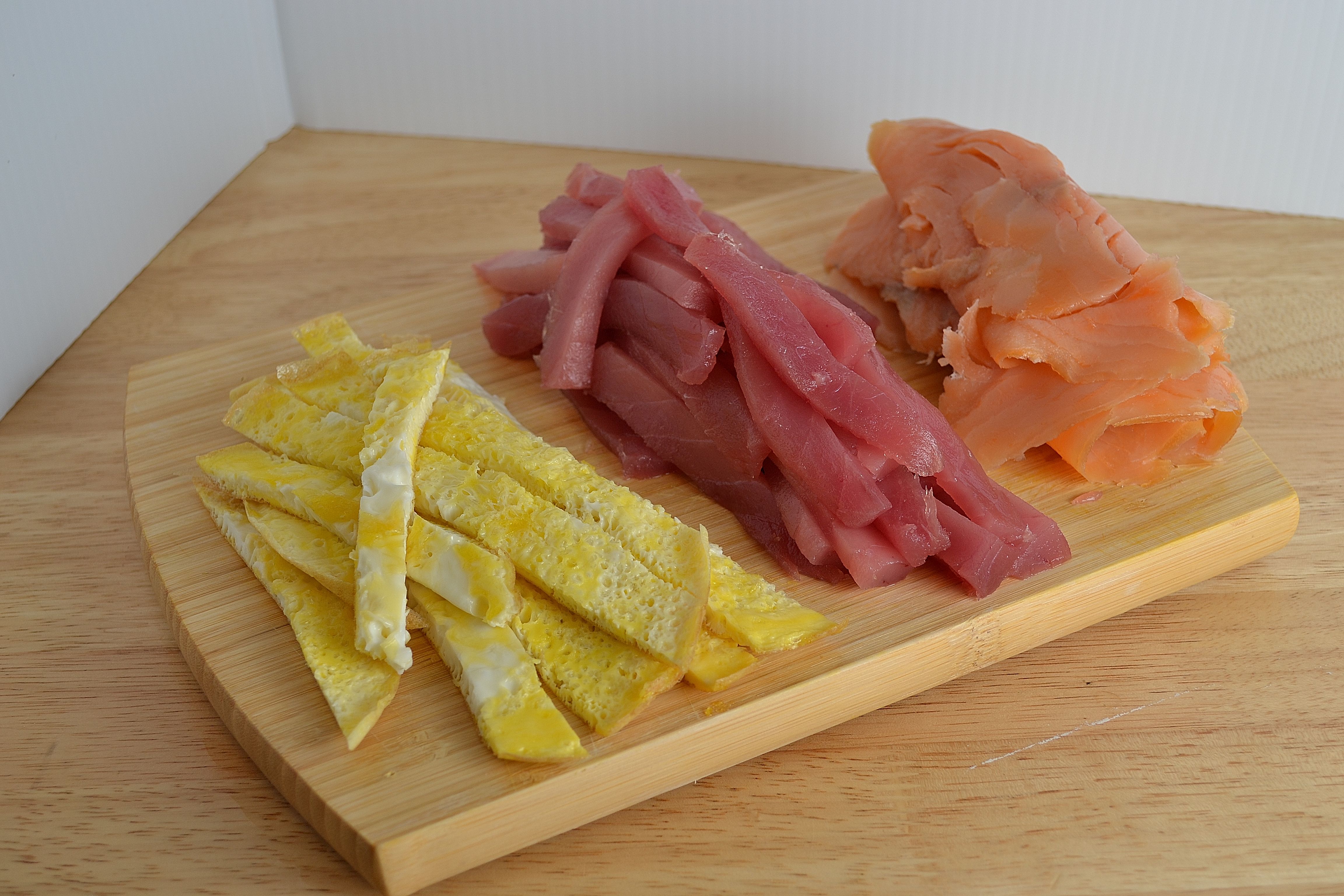
When Maya and I make sushi, we never just stop at a few rolls – we always go for 20 or 30 and invite as many people as we can. The key to a great sushi spread is having a ton of options: fresh tuna (Maguro) or salmon (Sake), julienned vegetables, fried egg (Tamago), avocado (a must for any sushi party!), etc. For this occasion, we used smoked salmon and cream cheese as well. Lots of color is key, and makes it much more exciting! The filling varieties are endless – it’s basically whatever you feel inspired to try.
The rice is the trickiest part of making sushi – getting the right balance can be tough, but Maya’s recipe comes out perfect every time! You can use any type of rice (including brown) though it’s recommended to use sushi rice. It is a short-grain variety with a higher starch level than other rices, yielding a sticky, “glutinous” result that is perfect for rolling. Click HERE to see Maya’s practically perfect way to create homemade sushi.   
For pairing this meal, I wanted to focus on the variations and endless colors this meal can provide. My friend Alexis recommended a work that is considered to be on of the standards of variation form: Bach’s Goldberg Variations. Originally composed for harpsichord, the work consists of 30 variations on the opening aria. The variations are based on the bass line, or foundation of the piece (much like the sushi variations all rely on the same basic ingredients). It’s a beautiful piece, and a truly iconic work in the classical repertoire. This recording is by (once again) Glenn Gould, an artist who just gets Bach – enjoy!

http://www.youtube.com/watch?v=64Xb3qiXR9Y 

Sources Cited:
“Goldberg Variations,” Wikipedia.com
A Rendezvous with the Coast

Last weekend was my first time taking an actual summer vacation – visiting the Hamptons with family and friends. Even though it was only for three nights, the trip rewarded me with a sense of relaxation (aka time away from Boston) I desperately needed. Nonetheless, I never surrender my desire for cooking even when on vacation (if I have access to a kitchen, that is). My aunt allowed me to take the reigns on dinner for one of the nights, and you can only imagine my excitement when she brought home 2 pounds of frozen lobster. With fresh herbs and aromatics from the local farmer’s market, I decided to make Lobster Risotto.
Now you might be thinking: frozen lobster, what makes that exciting? This was flash frozen lobster, with no preservatives, and wild caught – three winning categories in my book! Flash freezing is a process that brings food to a temperature far beneath water’s freezing point (32°F or 0°C). This prevents the formation of ice crystals, which can otherwise damage the food  by make its texture mealy/watery. Fish that have been flash frozen are often done so directly after being caught, sealing in its freshness and quality.*
The other wonderful thing about this risotto was the pan I got to cook it in: an All-Clad paella pan. Risotto is a dish that take patience, making sure the timing is just right. But this pan made that process a much simpler one, no doubt. If there is a Santa, this is on my wishlist! The recipe (aside from the lobster) is pretty basic, yet makes a LOT of risotto – bear in mind I was preparing a meal for 9 people. It can easily be halved to serve 4 or 5. Click HERE to learn how to make this delicious, creamy risotto!
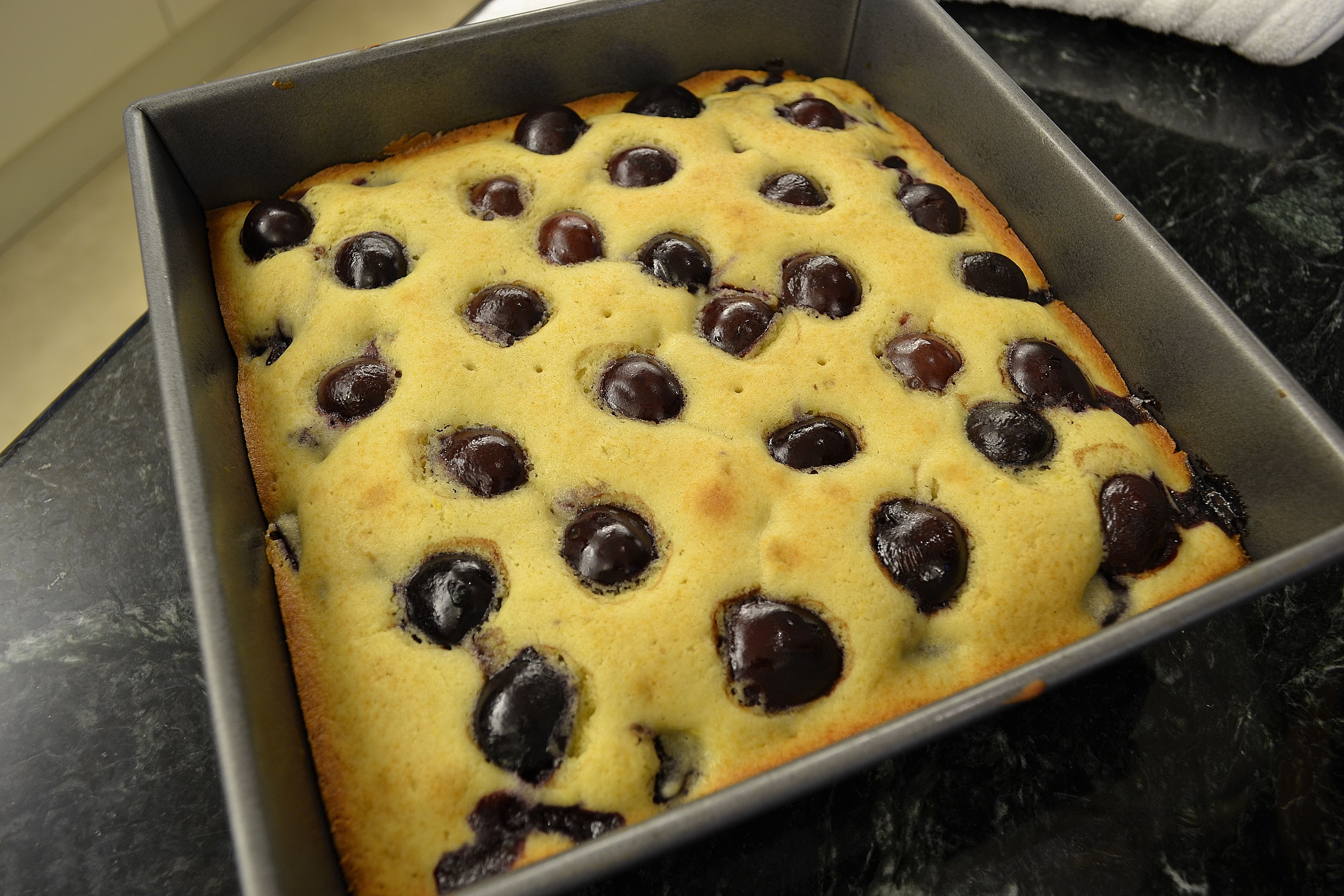
While visiting that local farmer’s market, I was drawn to the ruby cherries on sale.  Cherries are an innately beautiful fruit, boasting great color and shape. These characteristics helped to inspire my dessert course – Fresh Cherry Cake. I wanted a simple context to amplify the aesthetic look of the fruit, yet a complimentary flavor to augment their fresh taste. An almond cake (adapted from my favorite Joy of Baking), was the perfect answer! Click HERE to see how to make this simple yet stunning dessert!
I have always found the cello to be my favorite for times of relaxation (perhaps because it is the closest to the timbre of the human voice), and I wanted my musical selection to reflect my vacationing mindset . So I chose Luigi Boccherini’s Cello Concerto in B-flat No. 9. Being a cellist himself, Boccherini truly captures the instrument’s voice through this piece.** The ornate, fluid style of this work also helped lead to my pairing, and its almost playful charm as well. The recording I’ve included is by cellist extraordinaire Jacqueline Mary du Pré performing the first movement. I hope you enjoy!

http://www.youtube.com/watch?v=KbBb3M7L8-M

Sources Cited:
* “Flash Freezing.” Wikipedia.com 
** “Luigi Boccherini,” Wikipedia.com

An Angelic Affair

Last weekend, a group of friends decided to devote a Sunday afternoon to watching Angels in America: an HBO mini-series adapted from Tony Kushner’s play of the same name that focuses on the social and political consequences from the AIDs epidemic of the 1980s. Running at a total of 6 hours, we managed to watch only four the of the six chapters (watching the remaining 2 the next night). Seeing as how this 4 hours of material, we thought it could be fun to pair a meal with our viewing. Trying to be clever yet not too campy, we went for the following menu:

◊ Caprese Salad with Balsamic Vinegar
◊ Roasted Cauliflower
◊ Deviled Eggs with Curry and Paprika
◊ Angel Hair Pasta with Leek-Squash Purée
◊ Angel Food Cake with Lemon-Lime Curd and Fresh Fruit Assortment

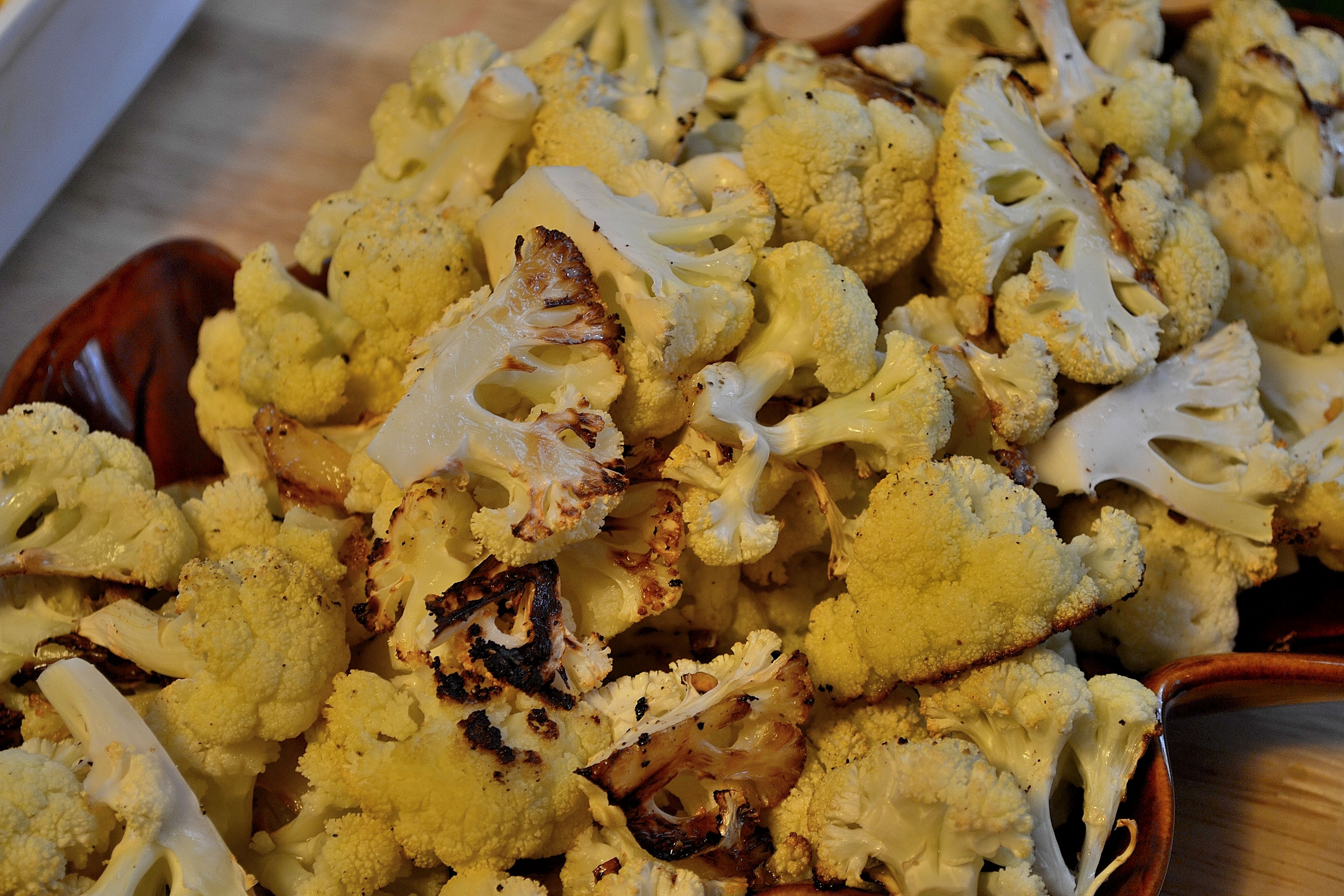
While I would love to share all of these with you, I am only going to focus on three of the menu items, starting with the cauliflower – I love this recipe! The beauty of Roasted Cauliflower is that while it is utterly simple to do, the result is so addictive you’ll be going back for thirds. We paired it with this event given its “cloud-like” resemblance. Give this heavenly recipe a try by clicking HERE.
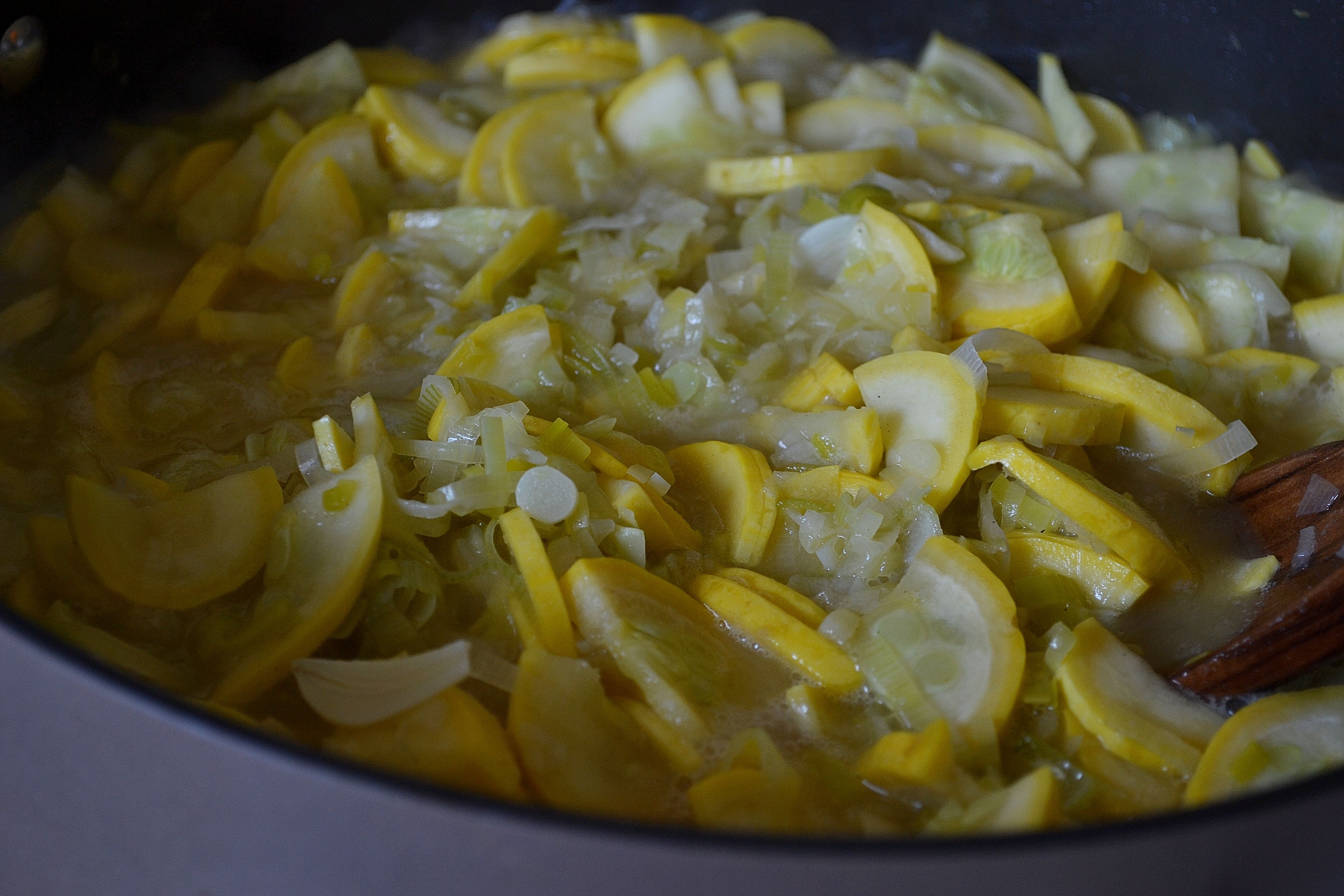
This next dish, Angel Hair Pasta with Leek-Squash Purée, will take a little more explanation than the cauliflower – let me start by saying, aside from being “Angel Hair Pasta”, this dish was an attempt to create a vegan pasta that even meatlovers could enjoy. I didn’t want the basic tomato sauce, and tossing the pasta with roasted vegetables also felt uninspiring. Walking through the aisle at my local co-op, I noticed all of the beautiful summer produce. It was then I happened on a thought: pureed vegetables…plus pasta…can it work? The answer is undeniably YES!
I chose a vegetarian warhorse: the leek. When sauteed, these onion-like vegetables take on a sweet, subtle taste with a butter-like texture; making them perfect for a “butter-less” sauce to go with pasta! Sort of sticking to the “angelic” theme, I wanted the second vegetable to also be light, making the summer squash that were buy 1 get 1 free an awesome coincidence! The rest of the recipe was pure improv – it basically was a soup that I added wine to for an extra edge of taste. I used my handy-dandy food processor, but feel free to an immersion or standing blender. Learn how to make this unique vegan pasta dish by clicking HERE.
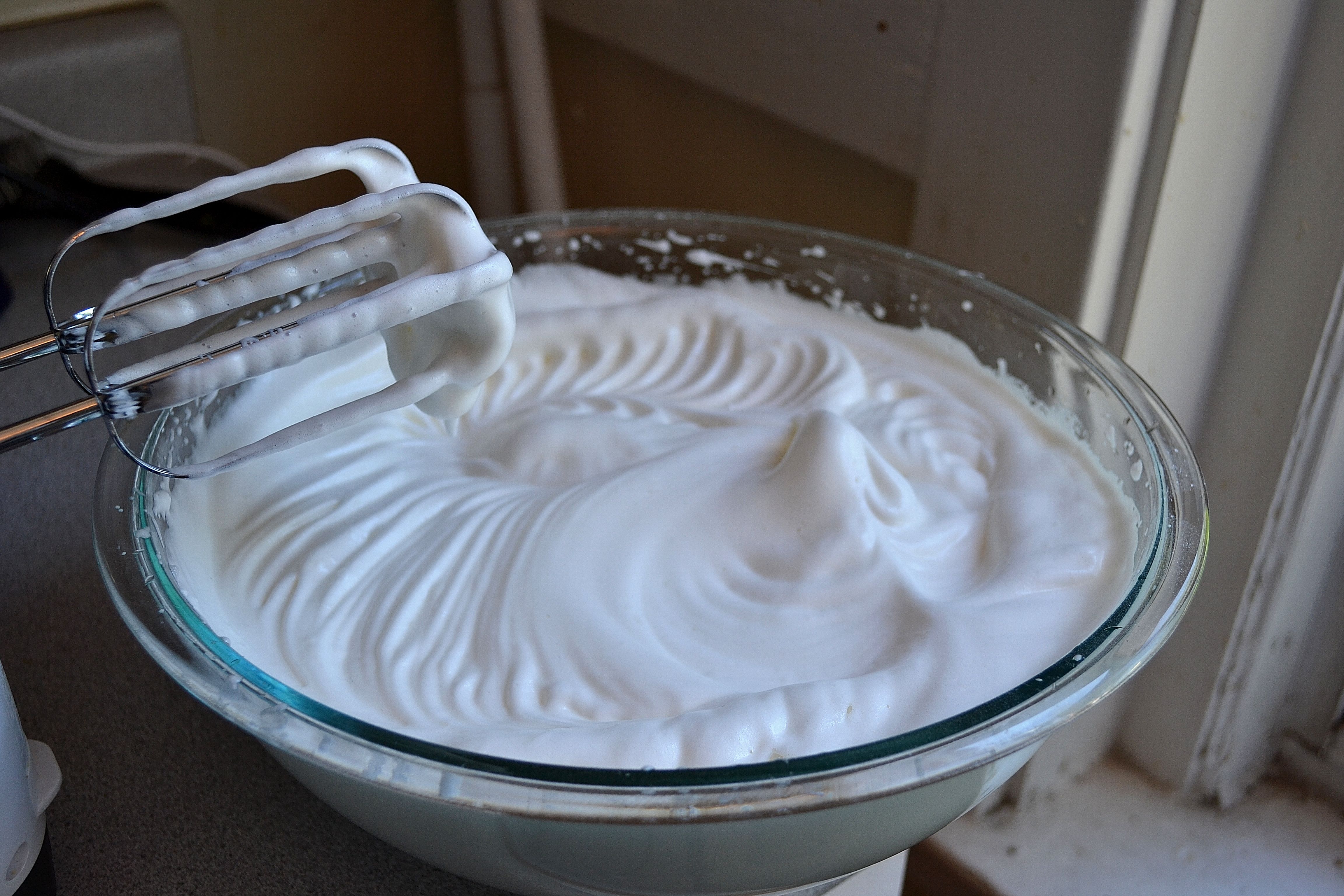
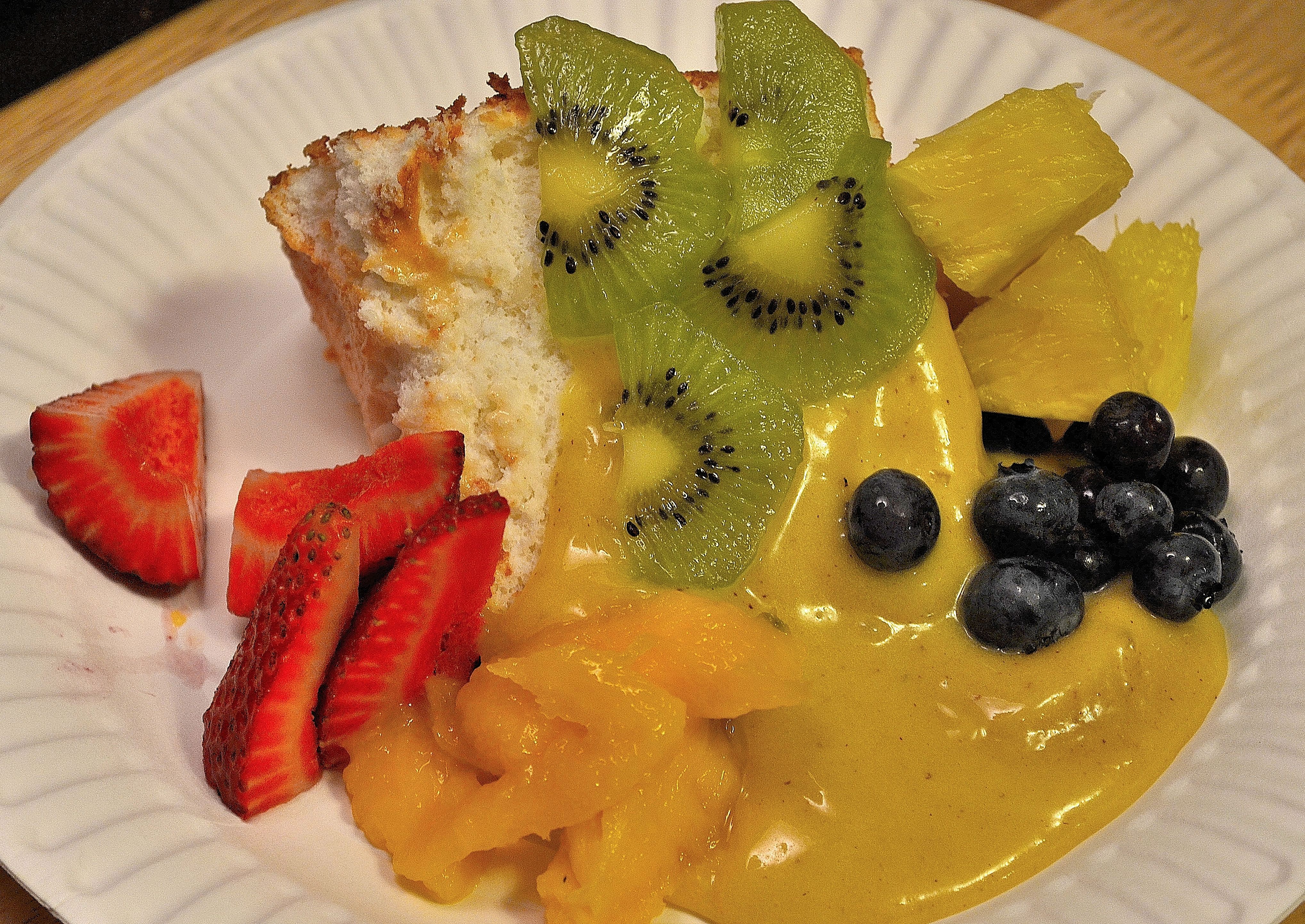
You knew this last one had to be on the menu – it was too easy. A cake so beautifully white in color, with a texture equally light and fluffy, that is “must be fit for angels.” Angel Food Cake was thus the first pairing I came up with for this dinner. The cake is made with no butter or oil, only sugar, flour, and a TON of egg whites. The history of Angel Food Cake is relatively obscure, but most agree the cake’s origin was a frugal means of using up leftover whites (the yolks having been used for noodles, custards, etc).
Funny thing is, my predicament was the exact opposite. How was I going to use up 12 whole egg yolks?! The other half of this pairing was going to acknowledge the story’s prominent theme of same-sex relationships. Per the suggestion of my friend and CK regular Tim Wilfong, we selected a potpourri of colorful fruit to top the cake. Originally intending to just use whipped cream, I couldn’t shake the idea of wasting 12 whole yolks. The perfect solution was using the logic of its origins: custard. Having just bought a ton of limes and lemons from the store, a lemon-lime curd sounded all too perfect, and it was…almost too perfect…like we couldn’t stop eating the stuff kind of perfect. Click HERE to check out how to make this beautiful cake and custard duo (or to make use of an entire carton of eggs, in case you’re curious).
At first I thought I might pair an external work with these recipes, but then researched the actual soundtrack for the movie. It was nominated for the Grammy Award for Best Score Soundtrack Album for a Motion Picture, Television or Other Visual Media. The soundtrack was both composed and conducted by Thomas Newman. Newman’s film repertoire is quite impressive, with titles such as The Shawshank Redemption, The Green Mile, and Finding Nemo to his name. When I also saw that Steve Kujala (a jazz/contemporary flutist who I’ve long admired) is one of the performers, I knew I had to use this soundtrack for the musical pairing. Below is the opening title from the miniseries. Again, definitely check out this HBO series when you have the time – it is a beautiful story. Enjoy!

Sources Cited:
http://en.wikipedia.org/wiki/Angels_in_America_(TV_miniseries)
http://en.wikipedia.org/wiki/Thomas_Newman#Film_compositions

Finding the Perfect Balance

There’s this small hole-in-the-wall bakery near my apartment that I had been dying to visit. The owner had won the lottery a while back, then cashed in and opened his own bakery! I just had to meet this guy. My roommate Jenn and I finally went, and after introducing myself we began talking about our shared passion for baking. We both immediately agreed upon the one book that every baker should own – Rose Levy Beranbaum’s The Cake Bible. No baking kitchen is complete without it! Recently when I was asked to bake a cake for a coworker’s going-away party, this “bible” certainly lived up to its name when I made the Chocolate Butter Cake with Mocha Espresso Buttercream.
What’s ingenious about Rose’s book is not the recipes themselves, but the science that structures them. Rather than assuming the old measured ratios, Rose explores the chemistry behind baking and how the different components react with one another. All of the recipes includes actual weight measurements, as well as an explanation behind the process and ingredient ratios. Additionally, she provides the basics so you can choose from a variety of cake batters, frostings, etc. to build your own!
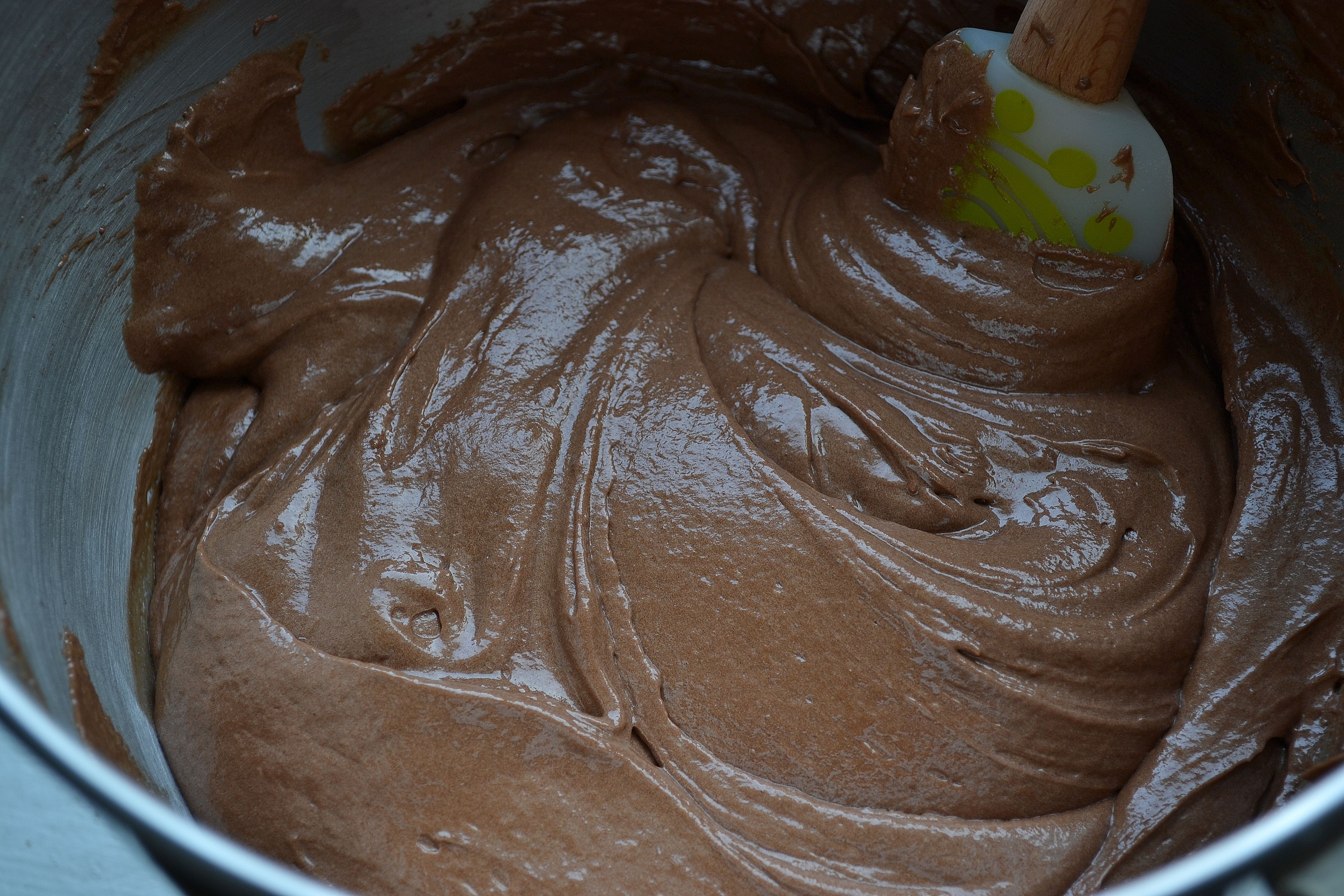
This was the first time I had made a cake where the dry ingredients are added before the butter. Normally, the butter is creamed with the sugar to aerate the butter’s proteins and disperse the sugar crystals. By adding the butter after the dry ingredients, the fats in the butter are able to coat the gluten in the flour, and prevent the batter from toughening during the mixing process. The result is a melt-in-your-mouth cake whose texture is far more consistent than that from the traditional creaming method. The only downside to this process is that cakes won’t rise quite as high as they would with the creaming method. Since I was baking this for my entire office, a short double-layer cake wouldn’t quite cut it. Upon realizing this, I decided to bake a second batch. I used only one of the cakes to make a triple-layer, and froze the leftover for another use.
This buttercream is to die for, but I will warn you – I nearly lost the entire thing thinking I had botched it. Water and sugar is boiled to a “soft ball stage,” or when a spoonful can be dropped into very cold water and forms a ball while in the water. Patience is key here – I dropped several little drops into a constantly refilled glass until it reached that  point. My agony could also be blamed on the ridiculously hot weather, with my buttercream resembling a milk shake more than a frosting. So I refrigerated it for about 30 minutes, then removed it and whisked it with a hand mixer once again – the end result was gorgeous. To make it espresso, I added both instant espresso powder AND Kahlua. Click HERE to learn how to make this decadent cake.
To honor Rose’s baking wisdom, I wanted to choose a piece that reflects the way the different ingredients interact with one another. This led me to chamber music – unlike a large ensemble, every performer in a chamber setting plays a crucial role. The unique balance relies on the reactions the musicians have with one another, almost like a musical conversation. One person who arguably understood the “chemistry” of chamber music was Beethoven. Every voice in his works has a purposeful, expressive quality that is truly brilliant. This is especially true of his string quartets. For this cake, I chose his String Quartet No. 1 in F major, op. 18. The recording below is the Alban Berg Quartet performing the first movement, “Allegro con brio” – enjoy!

Sources Cited:
– Beranbaum, Rose Levy. The Cake Bible. New York: HarperCollins Publishers Inc., 1988.