
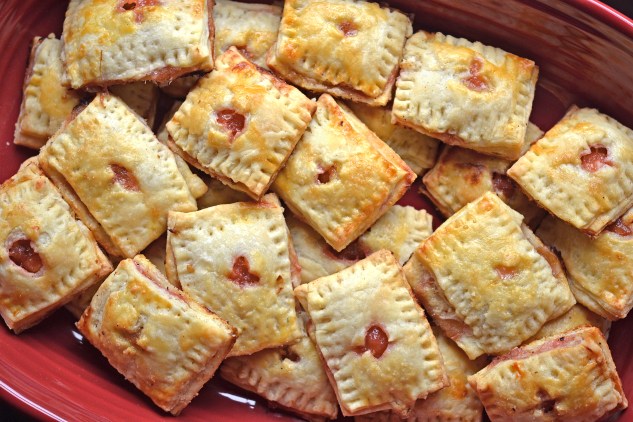
 Summer is perhaps one of the best seasons for eating – weekends are for cookouts, piles of colorful produce flood farmers’ markets, and restaurants eager to open their patios and porches get creative with menus. Since I started this blog, there has always been one dish that best defines my summer repertoire: pie. I’ve made lots of pies, and have tried nearly every approach to pie dough (including a unique experiment with vodka); yet the all-butter crust that my grandma would be proud of is tough to beat. For this post, I made a bite-sized version with these Rhubarb Cream Cheese Hand Pies.
 I found this rhubarb at the farmer’s market – big, ruby stalks of the stuff. Their pigment comes from varying levels of anthocyanins (the same compound that colors blueberries and black rice; ahhhh science). Even though it’s a vegetable, rhubarb is often prepared in dishes that are fruit-forward. The tart flavor and celery-like texture lend themselves well to compotes and jams and pie fillings. For this recipe, it’s simmered with nothing more than sugar; and you don’t even need to really stir it. You want the mixture to have as little liquid as possible when done, so it’s easy to work with when filling the pies.
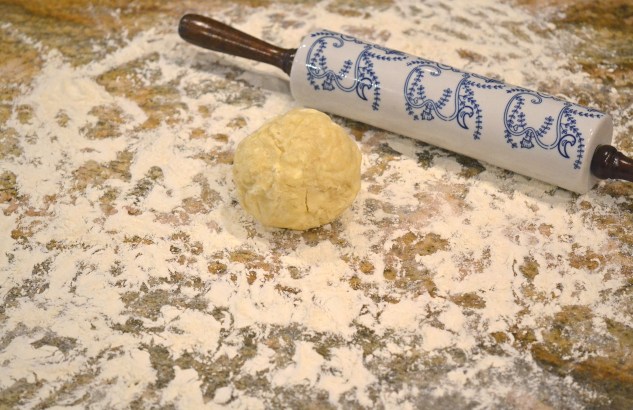 The trick to handmade pie crusts is to keep the dough very cold; from start to finish. It can be frustrating…especially when you’re working on a hot summer day, but it’s worth the patience. If you have to refrigerate the dough halfway through making it, that’s OK. It’s also a little messy (with all the flour) but again, worth it. I could have chilled the dough a bit longer before starting the assembly process…but was watching Westworld and became too focused on keeping up with the plot twists. All the same, they tasted great! Click HERE to make this recipe a new summer tradition.
 Summer and pie are a perfect pair, rousing memories of lazy, hot days with sweet iced tea and picnic blankets. Today was a perfect example of that kind of weather…although I spent a good deal of it beneath a fan with the A.C. blasting. In thinking about a musical pairing, one of my favorites came to mind – Knoxville: Summer of 1915, Op. 24, for soprano and orchestra (by Samuel Barber). This piece takes it inspiration and prose from the James Agee essay of the same name. Agee allegedly wrote the piece in an hour and a half. To date, it is one of his most famous works. The story is woven by the childhood memories of our protagonist, who paints a scene of her family lounging on quilts in the backyard while listening to the birds and streetcars passing by. While our protagonist relishes in this memory and the perfection of that summer evening, there is bittersweet inflection in her words: the now adult is all-too-aware of the passing of time and the journey to find one’s identity. In empathy, it’s difficult to not feel a yearning for the simplicities of childhood. The following recording features soprano Leontyne Price with the New Philharmonia Orchestra – I hope you enjoy!
Sources Cited:
“Rhubarb,” Wikipedia
Myers, Chris. “Knoxville: Summer of 1915,” Redlands Symphony. 2015.
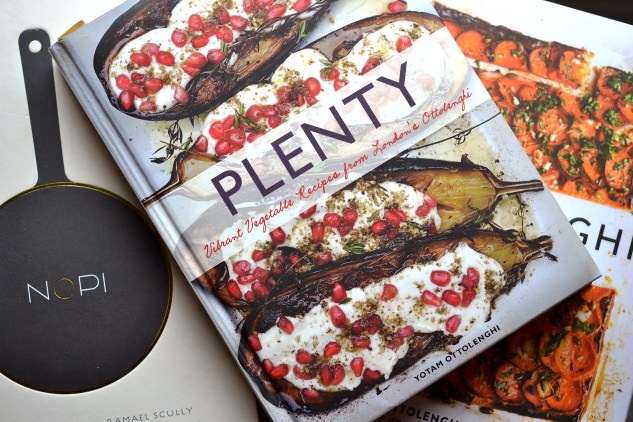 Every now and then I get the question “who is your favorite chef?” As of today, I would have to say one of my favorites is Yotam Ottolenghi. His insatiable curiosity for reinventing the traditional brings new vibrancy to seemingly banal ingredients. So while the internet has attenuated the need for physical cookbooks, three of the handful I own physical copies for are his. His recipes are also elaborate, and thus relegated to “special occasion” projects. The result is almost always the same: colorful, packed with flavor and a truly unique experience. The two recipes in this post –
  Some fun fennel facts (say that 5 times fast): fennel is a part of the carrot family, can grow up to 8-feet tall (2.5-meters) and has the same flavor compound as licorice – though the two are unrelated. This affinity means it’s a bit of an acquired taste, but this recipe may sway even the staunchest of naysayers. I’d been eager to try another dish from Ottolenghi’s Plenty, and came across this one. The goat cheese, caramelization and fresh dill bring a wholly new character to the vegetable; and make for a delectable side to any meal.
  The origins of vichyssoise are unknown, though the French claim seems to have more weight than the American one (albeit perpetuated by another culinary icon of mine, Julia Child). Regardless, the recipe is a summer icon: as it’s traditionally served cold. This particular vichyssoise was a nice upgrade – where traditional vichyssoise is a creamy ivory that is served cold, this was a vibrant emerald and served warm. The medley of greens also lent a nutritional punch to the dish. The trick to getting this recipe right is to buy really fresh greens, and to cook them just long enough so they retain their color.
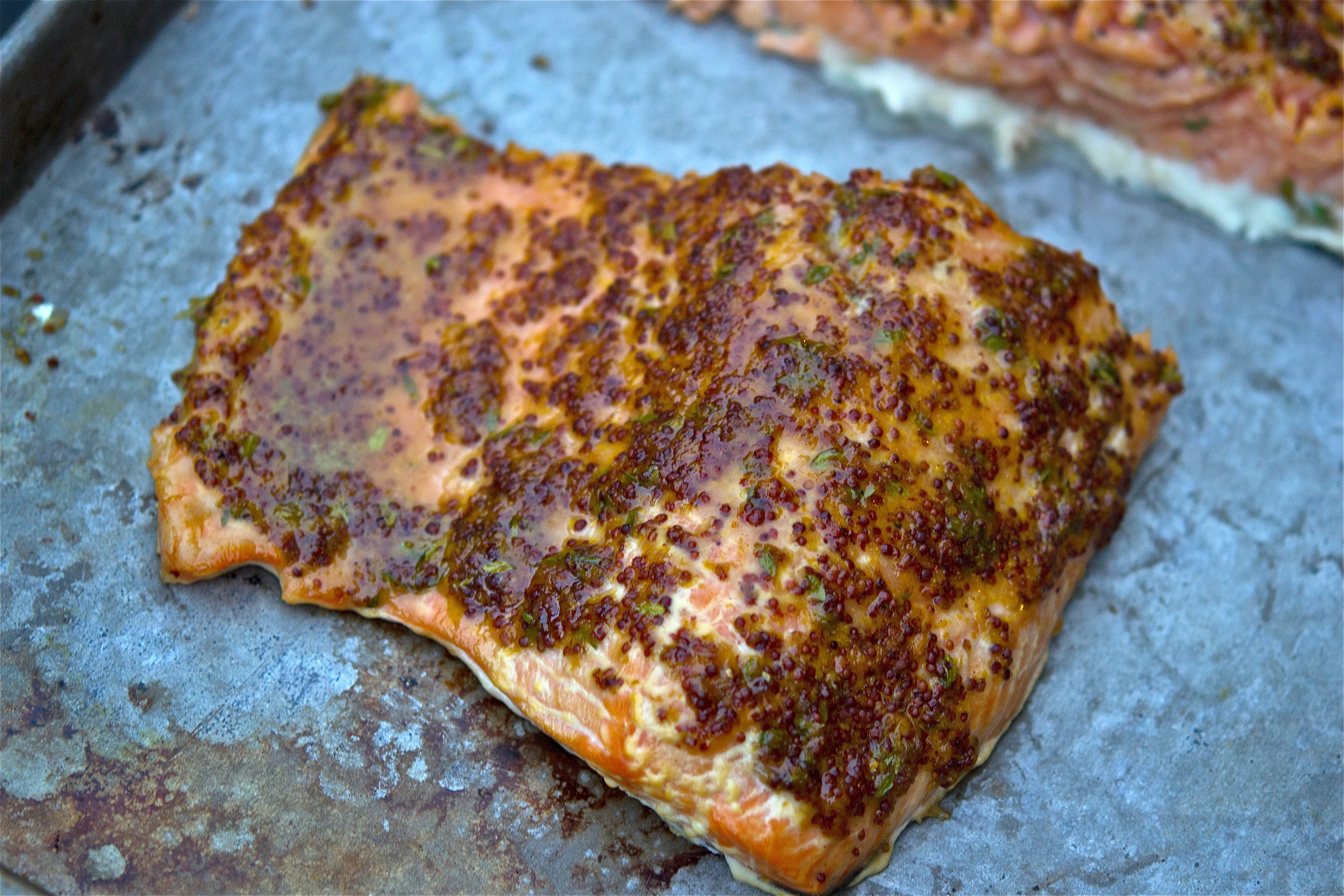
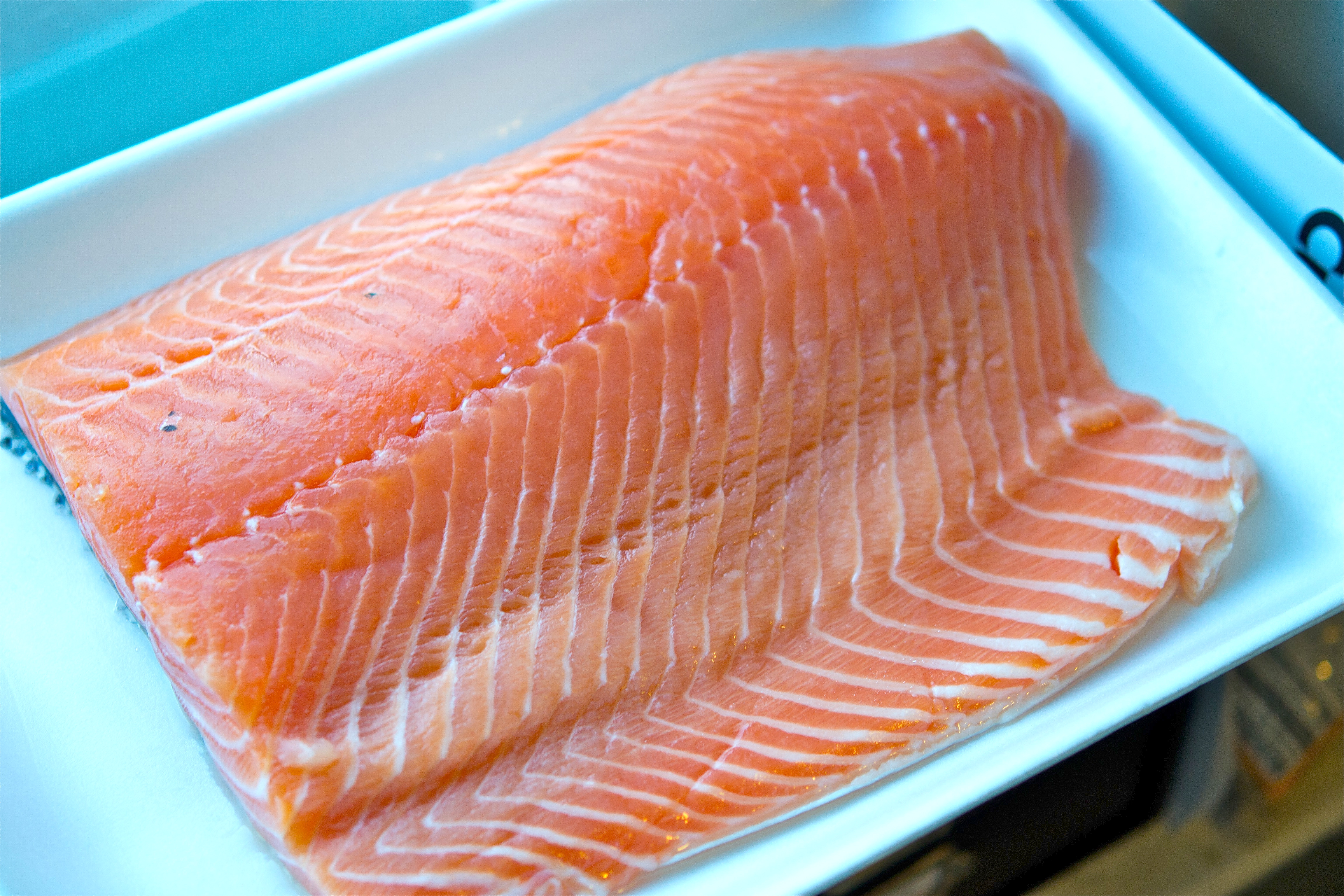
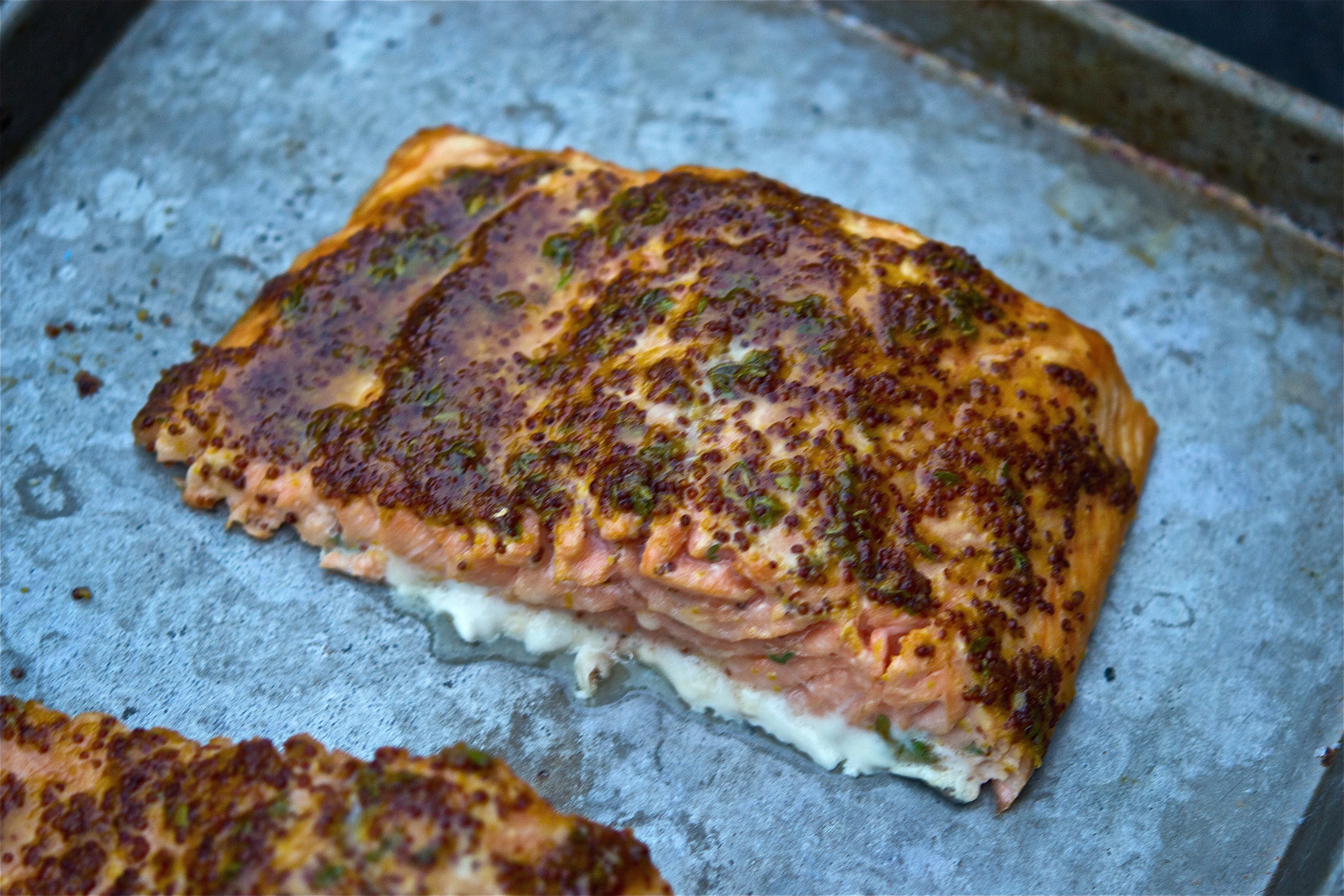
 The nut crust is the “crown jewel” of the dish – and fairly easy to make. You can use almost any medley of nuts, but the pine nut / pistachio combination is quite delicious. What’s even better is you can make the nut crust the day before (in fact, you can prepare this whole recipe in advance, with the exception of the fish). The original recipe calls for halibut, but our local market had a good sale for Chilean sea bass. In case neither is available, any flaky white fish will do the trick. You can bake or broil the fish, whichever works best based on your oven.
  As I mentioned at the start of this post, Ottolenghi is a chef who brings new life to traditional foods. So for the musical pairing, I wanted to find a composer who followed a similar style. In the art world, one movement that captures this is Neoclassicism: effectively a wave of works that drew inspiration from the arts of classical antiquity. In classical music, there are a slew of composers who fall within this category. One of my favorites is Paul Hindemith. Born at the turn of the 20th century, Hindemith viewed his writing as “utility music” (or Gebrauchsmusik). This style was considered to be a reaction against the complexity and difficulty of 19th- to 20th-century music, and Hindemith took pride in composing works for the “everyday” amateur. Perhaps his most famous composition is
  I have to say, the Pacific NW won me over this summer. Surrounded by mountainous vistas and cerulean waters, it’s a paradise for those who love the outdoors. Now that I’m back on the East Coast, I’ve been reminiscing about my travels over the last three months. Tom and I visited a lot of really cool places, and one of those getaways included a weekend stay on Hat Island. The above was the view just outside the house we stayed in – sipping hot coffee in hoodies and slippers while watching the sun rise – courtesy of some wonderful friends. It was a quick but memorable weekend, and we indulged in some fantastic dinners while there. Tom and I treated the group to a big Italian meal: a basic arugula salad and heaping plates of
 So, about that gravy: one of our favorite TV shows is The Sopranos. Many believe this series launched the genre of quality storytelling outside of the movie theater (read: paved the way for
  The recipe can be adjusted up or down to yield your desired serving size. I’d say my two key pieces of advice for this recipe are 1) don’t sacrifice on time – be prepared to invest an afternoon in making this – and 2) don’t go crazy with side dishes, since this is a
  Like I said, a small serving of this goes a long way – thanks to the rich and filling gravy. For the musical pairing, I was looking for two key qualities. The first being a piece that exudes depth in a “serving size” length, and the second being a musical excerpt that was featured on the show The Sopranos: in homage to the cookbook. Fortunately, there was an aria that fit the bill:
  It’s insane to think that Fall is nearly here. Looking back on the last 3 months, this summer has been both adventurously beautiful and extraordinarily hot. I got a taste of the West Coast for the first time in my life in Seattle, which involved a lot of time in the outdoors, and was able to enjoy a much-needed break following my time at NYU Stern. The picture above was taken at lake in the middle of Snoqualmie Pass: not pictured is me, out of breath and sunburned, very much looking forward to a big meal. Fortunately, we had a great dinner waiting for us back home of
 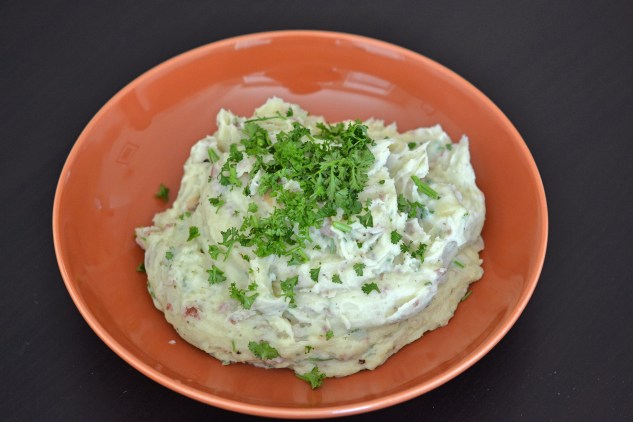 Mashed potatoes are great on their own – but add some blue cheese and roasted garlic, and you may ask yourself “How have I made it this far without these potatoes?” Ok, maybe that was just me…but trust me when I say this is a solid companion to steak. I like to use red-skinned potatoes and keep the peels, to add some character to the dish. If you want a creamier mash, opt for Yukon Gold, since you will risk overworking the mash if you try to achieve the smoother consistency with red potatoes. Can’t find blue cheese? Gorgonzola is a fantastic substitute (as I shared in my latest
  Steak au Poivre is French for “pepper steak”…which seems to leave a lot of room for interpretation. However, the traditional preparation involves peppercorns (naturally), heavy cream, and brandy. Any number of adjustments can be made from here. Some chefs insist on the traditional sauce trio, while others (including my favorite, Julia Childs) call for a more unique take with cognac, stock, and multicolor peppercorns. So as you can imagine, the various interpretations on this dish are indeed appreciable. Our recipe here will use only the basic, with a “lighter” sauce than some of the top hits on Google. But the key is to get a solid cut of meat. We found two reasonable cuts of filet mignon, but sirloin or strip will also get the job done.
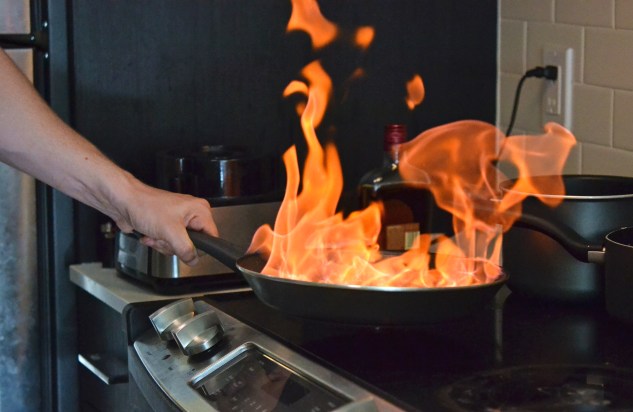 Tom learned how to make this recipe from his mom, Virgina. As to the interpretations I referenced, there are two key differences when it comes to the sauce: where the alcohol is used either to deglaze the pan or for a flambe. Virginia’s recipe calls for the latter, which makes for a very cool photo op. An important note on cooking with open flames: things can go from cool to bad very quickly if you don’t take the right precautions, so always off the heat (especially if you’re working with a gas stove) and move the pan away from any overhead materials that may be flammable. But it’s definitely a fun party trick if you’re hosting.
 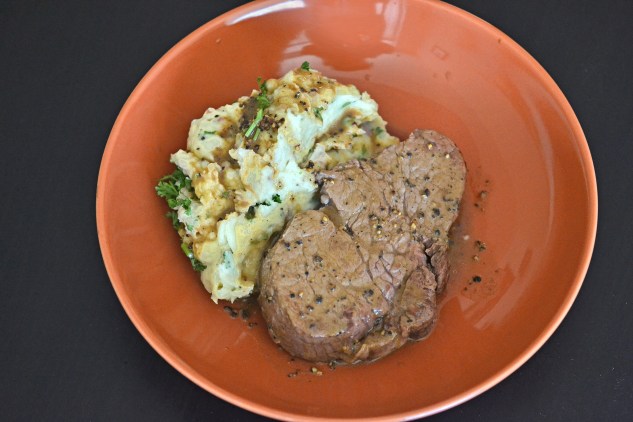 In considering a pairing for this piece, I was tempted to go with Stravinsky’ “Firebird” or a Debussy for the all-too-obvious reason. But I wanted to give more attention to the depth of the dish’s richness and flavor, and thus felt like Dmitri Shostakovich would be a great companion. I’ve never paired anything on this site with Shostakovich, so I’ll first talk about the man himself before elucidating the musical pairing. Dmitri Dmitriyevich Shostakovich was born in Saint Petersburg in 1906, and many classical musicians have
  come to recognize his musical voice as an expression of the creative struggles beneath the Stalin regime. His compositions aggregate a variety of styles, from strong Russian tones to dissonant protest to haunting melodies. To illustrate this variety: perhaps his most famous work is his fifth symphony, which was received phenomenally well by the conservative tastes of the Soviet public. Yet this followed on the heels a highly divisive fourth symphony, which premiered more than two decades after its completion due to its unorthodox nature. Today, historians debate the inspirations for and meaning behind many of Shostakovich’s works. So naturally, there are many interpretations. However, one set of German “ingredients” institute some consistency – the signature “DSCH” motif: which alludes to the German spelling of his name,
  After 2 roller coaster years, I now have an M.B.A. from the NYU Stern School of Business. It feels a bit like a 180, since I assumed a flute performance degree would be my first and final tryst with higher education. Sitting here today, however, the transition from music to marketing feels perfectly organic. My two alma-maters, NEC and NYU, have given me more opportunities than I can count: and they complemented one another in surprising ways. The “return on investment” (we M.B.A’s can’t get enough of this phrase) from NYU includes a better understanding of strategic planning, five trips around the globe, ample space to exercise leadership skills, and a wealth of talented and generous friends. What comes next will be a combination of the exciting and the unknown, and I’m looking forward to the challenge. Not surprisingly, this 2-year degree pushed me to neglect this blog – so now that I have some room to breathe, I am finally back to sharing some of my favorite recipes and music. And to show my renewed commitment, I’ll be sharing four delicious features:
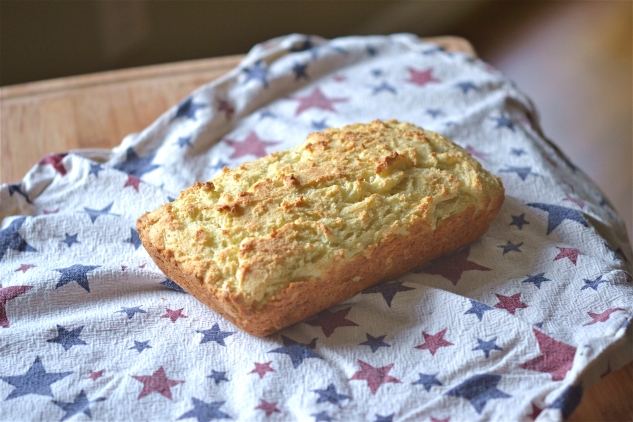 Let’s start with the cornbread: any Southern chef will insist that cast iron and cornbread and inseparable concepts…except when you don’t have one, in which case glass pans are an OK substitute. It worked for us, and was still enjoyed by all our guests (most of whom were Southern). The original recipe calls for a spice that is impossible to find in your local Kroger or Safeway, known as Aleppo. And while nutmeg is a suggested replacement, we just went ahead without – and served the bread warm with lots of butter.
 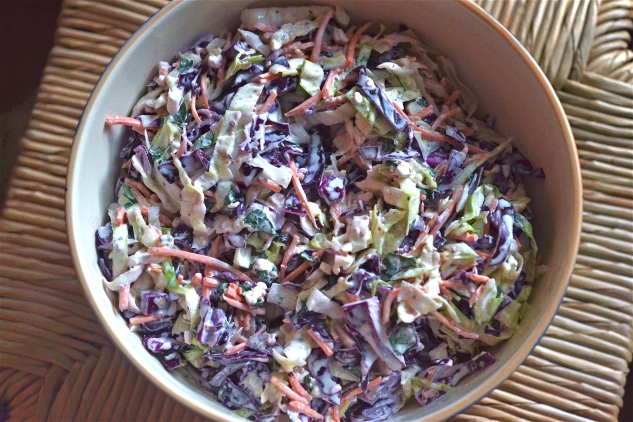 This coleslaw was awesome; like “we ate this for days after” kind of awesome. The original recipe called for Blue cheese, but we bought a tub of Gorgonzola that was on sale. (Thank you grocery gods for introducing us to this better option). We made the coleslaw the day prior, and it’s fairly simple to throw together. Feel free to adjust the dressing to your taste.
 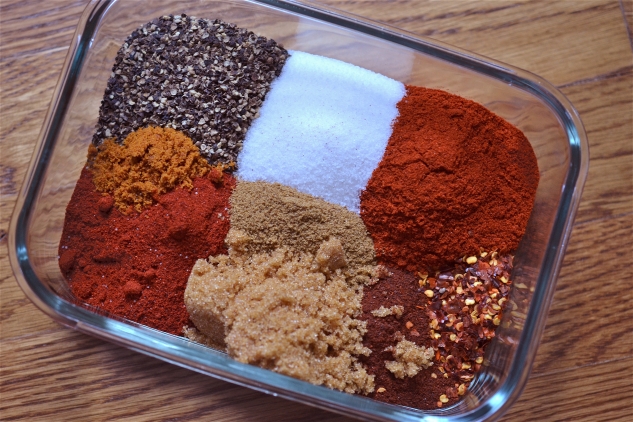 And now, les ribs. The spice rub is a medley of things that all look great on paper: paprika, different peppers, cumin, salt, and…mace. (It claims that nutmeg can replace this, but we were super curious to discover what mace would taste like). The recipe makes about 2 cups worth, which is plenty for this recipe and then some. The taste is oddly similar to Old Bay Seasoning: so if you’re not a fan, I’d recommend sticking with good ol’ fashioned BBQ sauce. Fun fact about Old Bay: it is nearly 80 years old, and is believed to have been a clever way crab restauranteurs would push patrons to purchase more beverages (due to its extra “salty” factor).
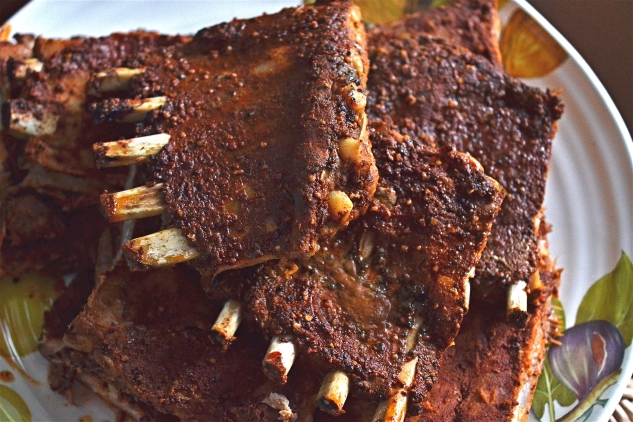 The ribs themselves were roasted in an oven, for 6 wonderful hours at the lowest possible heat. While cooking these on a grill is an option, the oven provides a lower maintenance one that still yields fantastic results. We coated the three racks with the rub, wrapped them tightly in aluminum foil, and then didn’t open the oven door once during the 6-hour haul. The result was fall-off-the-bone ribs with a smoky aroma. How tender, you ask? My stepdad carved these with a butter knife.
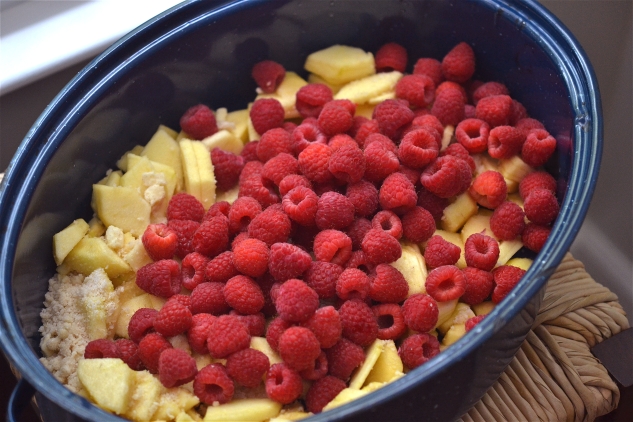
 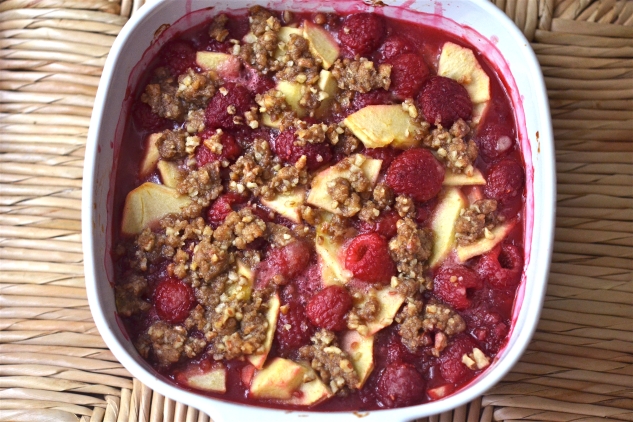 And finally, the dessert: a simple crumble that had all of the things we love about summer: fruit, butter and ice cream. The recipe is simple, and can be assembled the night before – we plopped the crumble into the oven before the guests arrived, and warmed it back up for ~15 minutes at the end of dinner for serving. You can use any combination of fruits in this crumble, just know that some may take a bit longer to cook than others (great example: rhubarb).
  It has been so long since I have paired a piece of classical music with a meal, that I had to invest considerable energy into this final section. So much so that I started drafting this blog over 1 month ago. And then the piece that came to mind was so simple and perfect: Beethoven’s
  to be the most fruitful period of his career. However, Beethoven was also battling the deterioration of his hearing faculties – a development for which he proclaimed “[I must] seize Fate by the throat; it shall not bend or crush me completely.” One of the main characters of this symphony is Fate herself, persistently “knocking” at the door with the ever-recognizable motif (“Da-da-da-dom”), as the symphony opens in an ominous C-minor. Yet Fate is held at bay, with the symphony closing in a triumphant C-Major. This structure, of man versus fate, lent itself to many a narrative, bringing the work and Beethoven to great celebrity over the years. As an example: the piece was used to dramatic effect at the end of World War II to symbolize victory for the allies. And Disney further commemorated the work in the feature film Fantasia 2000.











 THE CLASSICAL KITCHEN