Pretzels, Prosecco, and a Parisian

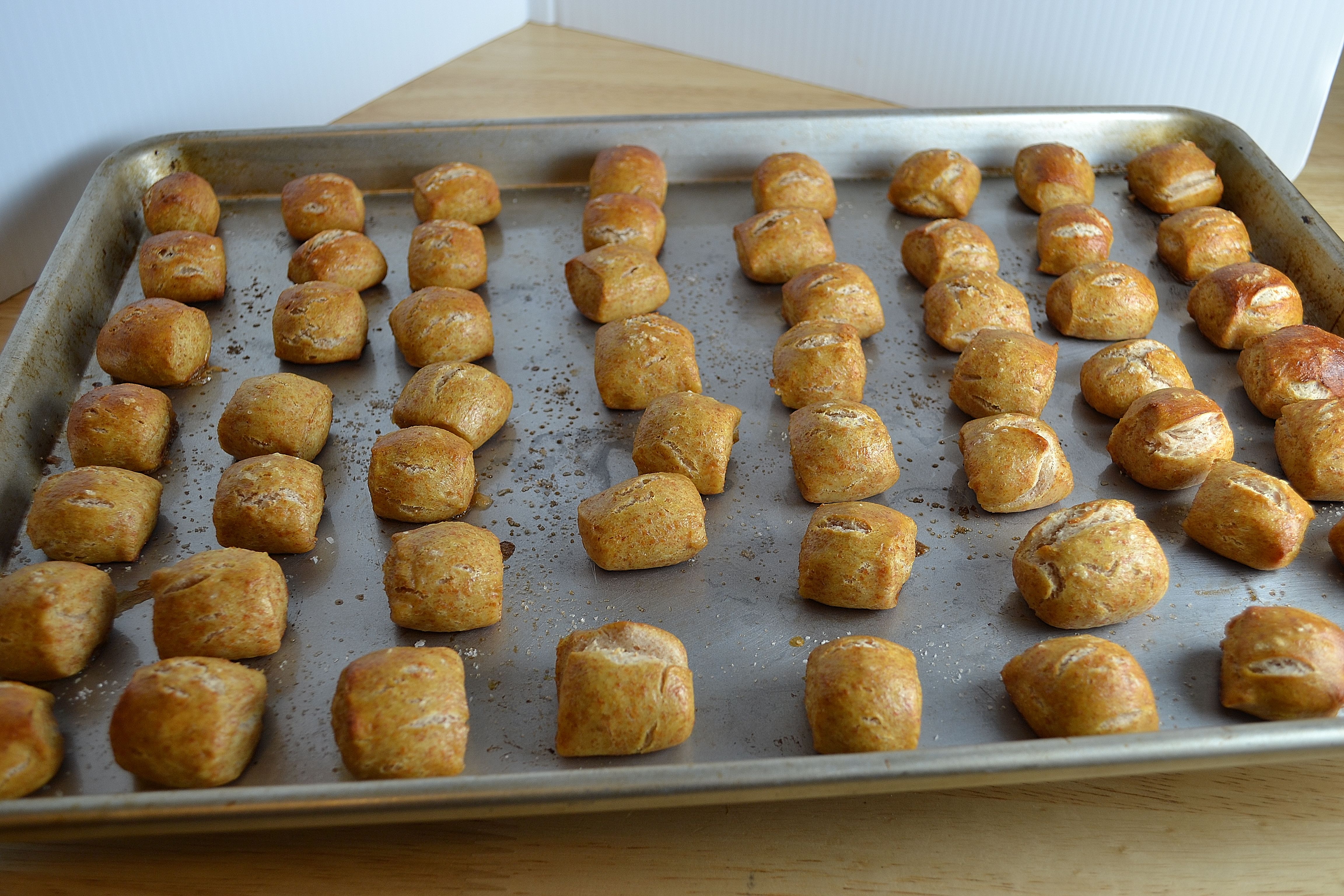
I really like pretzels…not sure why, they’ve just always been a favorite. They are the ultimate fix when you get a salty craving, and are readily available basically anywhere: convenience stores, baseball parks, most people’s pantries, etc. I’ve introduced to Maya Jacobs before (sushi guru), and the other day she suggested we try to make pretzels on our own. I laughed at first, only to discover that they are SO easy to make! If you don’t believe me, I dare you to give these Soft Pretzel Bites a try yourself.
I admit – dry active yeast can be a tricky thing to work with (and of course takes a lot of patience). This recipe is almost like a “beginner’s guide” to baking with yeast. One recommendation – start letting the dough rise before you are hungry (or else an hour will feel like a year…heh). I topped these pretzels with coarse salt, but feel free to be creative with your toppings: cinnamon sugar, parmesan, fresh herbs, etc.
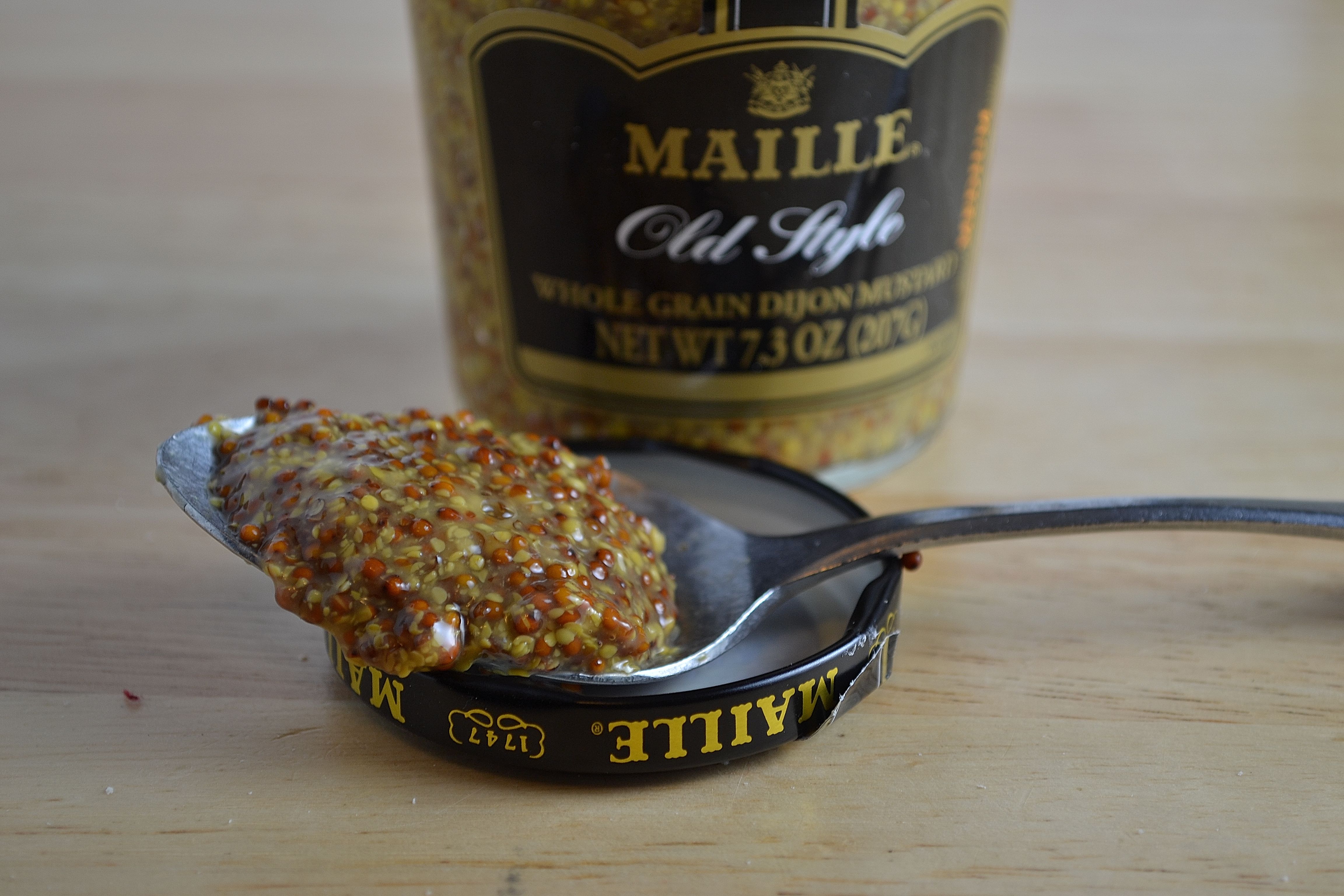
Mustard is a given for serving – I prefer the whole grain variety (Maille is my favorite!) That being said, you can basically choose whatever you’re craving: hummus, cheese, dipping chocolate even!  Maya and I also are fans of Prosecco, so we made that our drink for the evening (I know you’re supposed to eat pretzels with beer, but this combination was quite lovely…and I’ve never been much of a beer person). Click HERE to see the recipe for these pillowy pretzels – you’ll wonder why you ever spent money at an Auntie Anne’s!
For this pairing, I wanted something light yet unique – the “pillowy” aspect of these  led me to the music of Poulenc, and I chose his Trio for Piano, Oboe and Bassoon, Op. 43. Written in 1926, the work is both witty and light, yet also has moments of dissonance true to Poulenc’s style. Author and music critic David Ewen says of the work: “Pictorially one is sometimes reminded of a chase, sometimes a dialogue…The very heart of Poulenc is in this adroit little work.” It is fun little trio, and many people love it (almost as much as I love pretzels, I bet!)  – I hope you enjoy it as well!

http://www.youtube.com/watch?v=F6N0XQzQG94

Sources Cited:
“Francis Poulenc: Trio for Piano, Oboe, and Bassoon,” Sierra Chamber Society Program Notes
A Master of Disguise

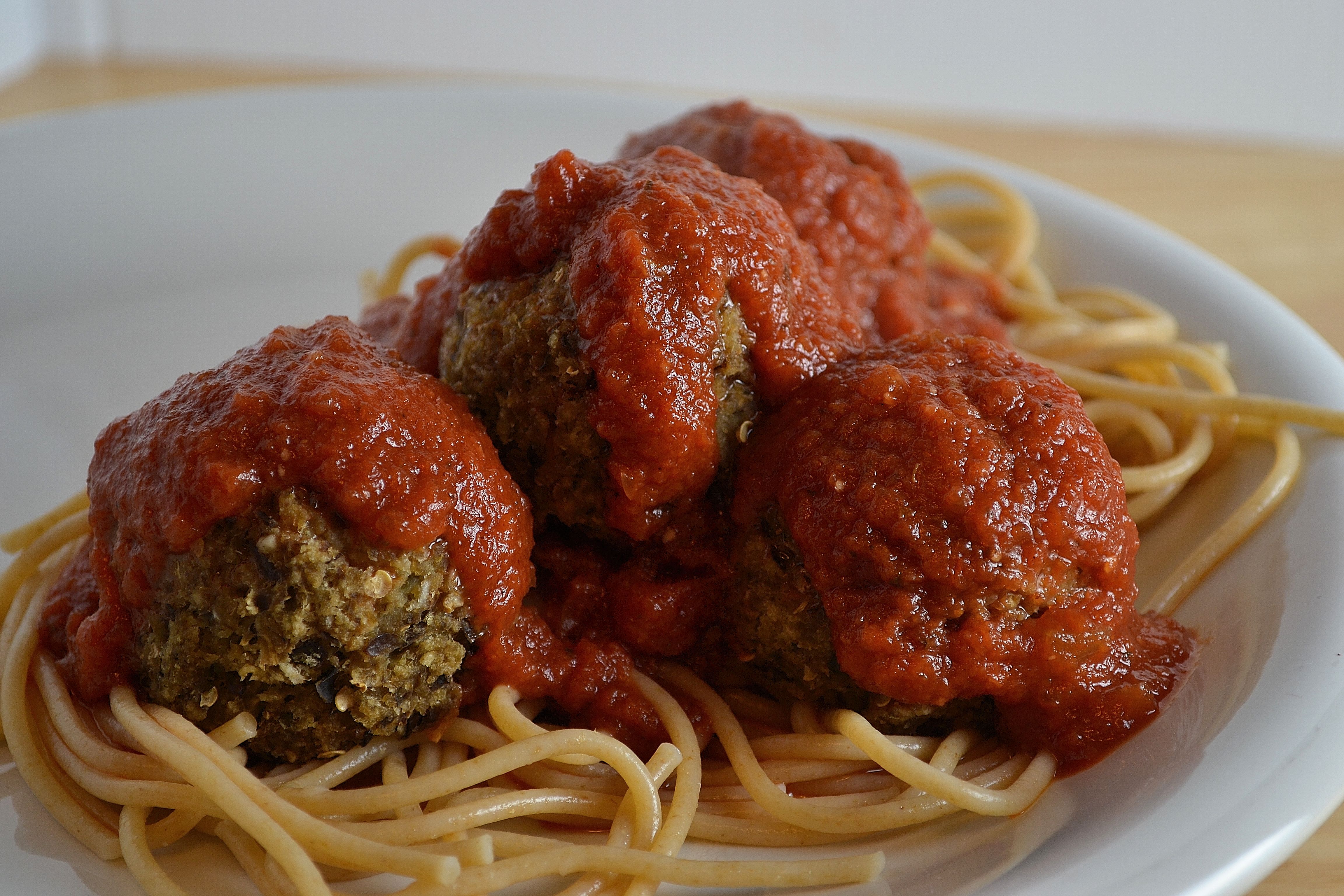
On first glance, you might actually be fooled into thinking these are just your average meatballs. But this dinner was made for a vegetarian: my buddy Tim (Albert was there too!) Before my carnivorous readers navigate away from this post, let me tell how how AMAZING these were! Both light and rich, these Eggplant “Meatballs” with Homemade Tomato Sauce were definitely a worthy substitute.
These are definitely a little time consuming, but the product is completely worth it. Having made vegan macaroni and cheese before, I knew that nutritional yeast was a great option for mimicking the flavor of cheese – it served as the “parmesan” in these meatballs. Panko along with Ener-G Egg Replacer were the binding agents. All in all, it was a surprisingly delicious outcome! This healthy alternative for meatballs is sure to please even the staunchest of carnivores – click HERE to check out this awesome recipe!
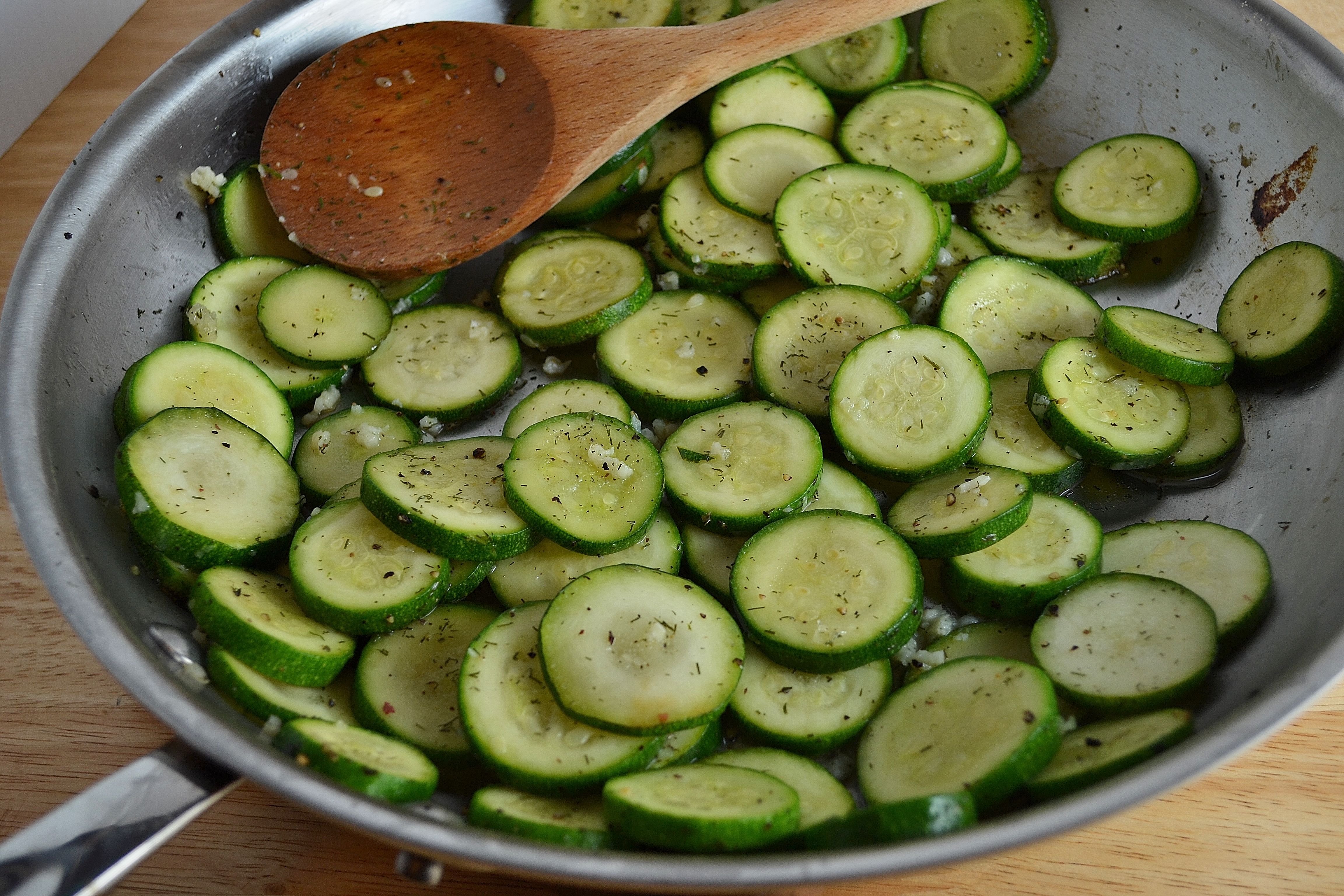
I also made a side of Lemon-Dill Zucchini that was extremely simple (you can also get a glimpse of my NEW All-Clad skillet – SO excited!) The zucchini at the market looked beautiful, so I couldn’t resist. Basically you just heat some oil in a large skillet, then add the zucchini slices with salt and pepper, and cook for about 5 minutes. Add some garlic, lemon, and dill and you’re set to go! Whatever you decide to pair with these meatballs, I’d suggest a simple green – you’re already going to be putting a lot of energy into the main course, so go easy on the side dish.
I wanted to pair these “meatballs” with a piece that also pulled off an ingenious disguise – the vegetarian of the evening, Tim Wilfong, naturally came up with the perfect piece: A Chloris, by Reynaldo Hahn. While this song may sound French, it was in fact written by a Venezuelan composer. Known for writing in the tradition of mélodie, Hahn was often confused for being a French composer. Another disguise to this pairing is the recording itself: the song is written for a woman, yet this recording is by a man – the countertenor Phillipe Jaroussky. While it can be argued that Hahn is a “worthy substitute” for a French composer, the latter comparison can best be addressed in Tim’s own words: “A man singing in a woman’s range…no one could ever say he’s a “substitute” for a woman, though!!!” Anyways, this is a beautiful piece, and I hope you enjoy!

http://www.youtube.com/watch?v=QamSjqX5ApM&feature=related

Sources Cited:
“Reynaldo Hahn,” Wikipedia.com

A Global Delicacy

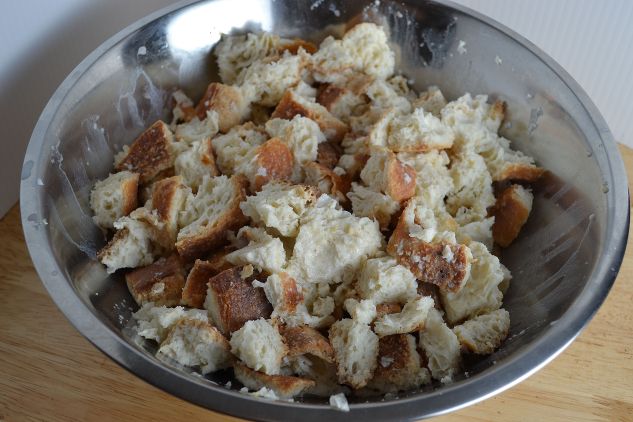
When you host social gatherings as often as I do, you are left with a bunch of odds and ends in your kitchen: half-eaten bags of chips, nearly depleted salsas, cheeses of every variety, etc. These leftovers often find their way into my culinary creations. More recently, I found myself with a collection of untouched baguettes that were too stale to enjoy, yet too young to toss. My upstairs neighbors also had an untouched leftover: dark rum. The solution was just too easy: Rum Raisin Bread Pudding.Like many food histories, that of bread pudding isn’t necessarily traceable to a specific region. This simple way to use up stale bread finds footing in a number of cuisines, such as European stuffings, Indian Shahi Tukra, and the Spanish Capirotada. With liquid and sweeteners as a starting point, it’s no wonder that this dessert is such an international delight. With such a simple base, the add-in options are endless: sliced fruits, chocolates, dried fruits, nuts, syrups, the list goes on!
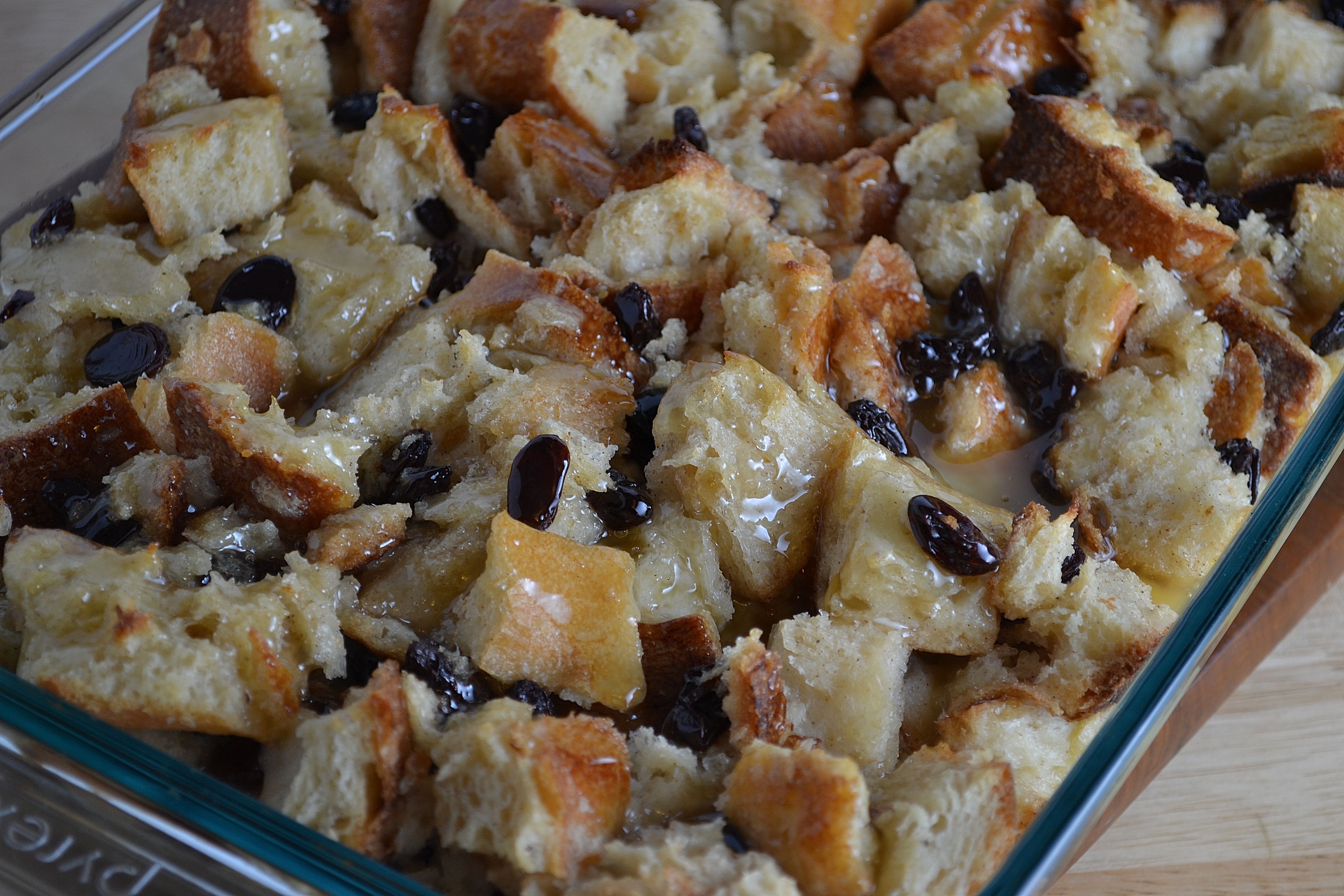
I’ve personally always felt that dried fruits work wonders in bread pudding, and the thought of rum raisins was a hard one to shake. I can’t tell you how easy this is for being SOOO good! My only confession on this dish: the sauce was a near-disaster (rum bubbling over saucepan = unexpected flambé!). PLEASE remove the pan from the heat before adding the rum. That being said, the sauce made this pudding Oh.So.Good – Click HERE to make this simple, delectable treat today!
Though he’s been paired several times on this blog already, Debussy is yet again a composer whose music most suitably fits this dish. Though rather than the qualities of his style, my pairing refers more to his actual influences. As this dish is arguably “a worldly staple,” I wanted a composer who drew from international influences. Debussy is a wonderful example, with a wide range of cultural inspirations: Russian music by prominent composers of his time, the works of English painter Joseph Turner and Japanese artist Hokusai, gamelan music of Java (which he experienced at Paris’s Exposition Universelle in 1889), the German composer Richard Wagner, an extensive selection of literature, etc. The work I chose exhibits a number of “exotic” influences: Estampes. This work, for solo piano, consists of three movements that reflect a variety of cultures. The first movement (which I’ve included here) is structured on pentatonic scales and hints at melodies redolent of East Asia. The second draws inspiration from Spanish styles, while the third reflects on his native France – enjoy!

http://www.youtube.com/watch?v=VbXZPGm2YIs

Sources Cited:
– “Puddings, custards, & creams,” FoodTimeline.org
– “Capirotada,” Wikipedia.com
– “Claude Debussy,” Wikipedia.com 

A Cake that Wears Many Hats

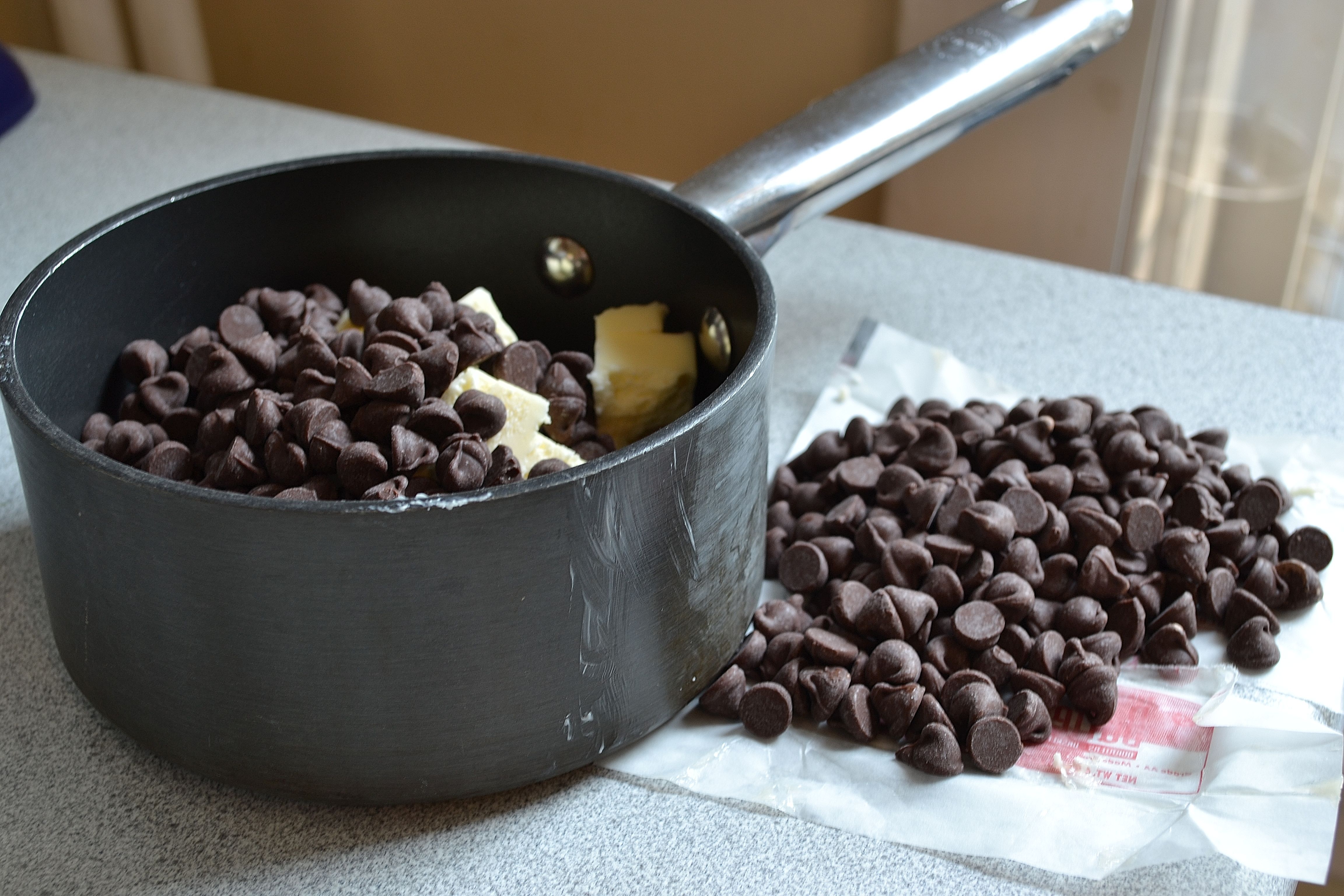
Have you ever wanted a cake that could be a round-the-clock enjoyment? An elegant dessert, a midday snack, or even a late night nosh? There’s no “rule” that cakes can only be enjoyed at certain times of day, yet there are few that can satiate those random cravings. Enter this beauty –   a Chocolate Soufflé Brownie Cake. You can enjoy it chilled with a berry coulis, microwaved and served with ice cream, or even just as is with your hands! What more can you ask of a cake…or brownie…or whatever it is.The reason you can say I’m slightly confused about this cake’s “category” is because it has all the components of a soufflé, and yet still manages to taste just like a brownie. The brownie element comes from the melted chocolate, to which the egg yolks and flour are stirred in by hand. This creates a smooth, rich texture of chocolatey goodness. Most “authentic” brownie recipes are made this way, and often use a really good chocolate (and I used Ghiradelli for this cake).The soufflé element comes from the separation of the eggs. The yolks, as mentioned above, are added per usual, yet the white are whipped to a frothy perfection on the side. By whipping the whites separately from the rest of the batter, the cake’s texture is leavened substantially. This cake, in a way, gets the best of both worlds thanks to these separate but wonderful elements. Click HERE to make this versatile dessert today! In thinking about a composer that could also “wear many hats,” there was one name that I was shocked to discover has yet to be on my blog: Mozart. He was an extremely prolific composer whose list of repertoire is nearly endless: operas, sonatas, symphonies, vocal works, concertos, numerous chamber settings (the list goes on).  Though his life was tragically cut short, he managed to produce a wealth of musical genius that influenced countless generations. Le Nozze di Figarois arguably one of his most renowned operas, and I have chosen the beautiful aria “Porgi, amor” for this pairing. In this scene, the Countess laments her husband’s alleged duplicity with her maid Susanna (even though such is not the case). This recording, from the 1980 Paris Opéra production (thanks Tim Wilfong for helping me find this!) features the extremely talented Gundula Janowitz as the Countess – enjoy! 

http://www.youtube.com/watch?v=Gz3jBUmzqlQ&feature=related

Sources Cited:
“The Marriage of Figaro,” Wikipedia.com

Effortless Perfection

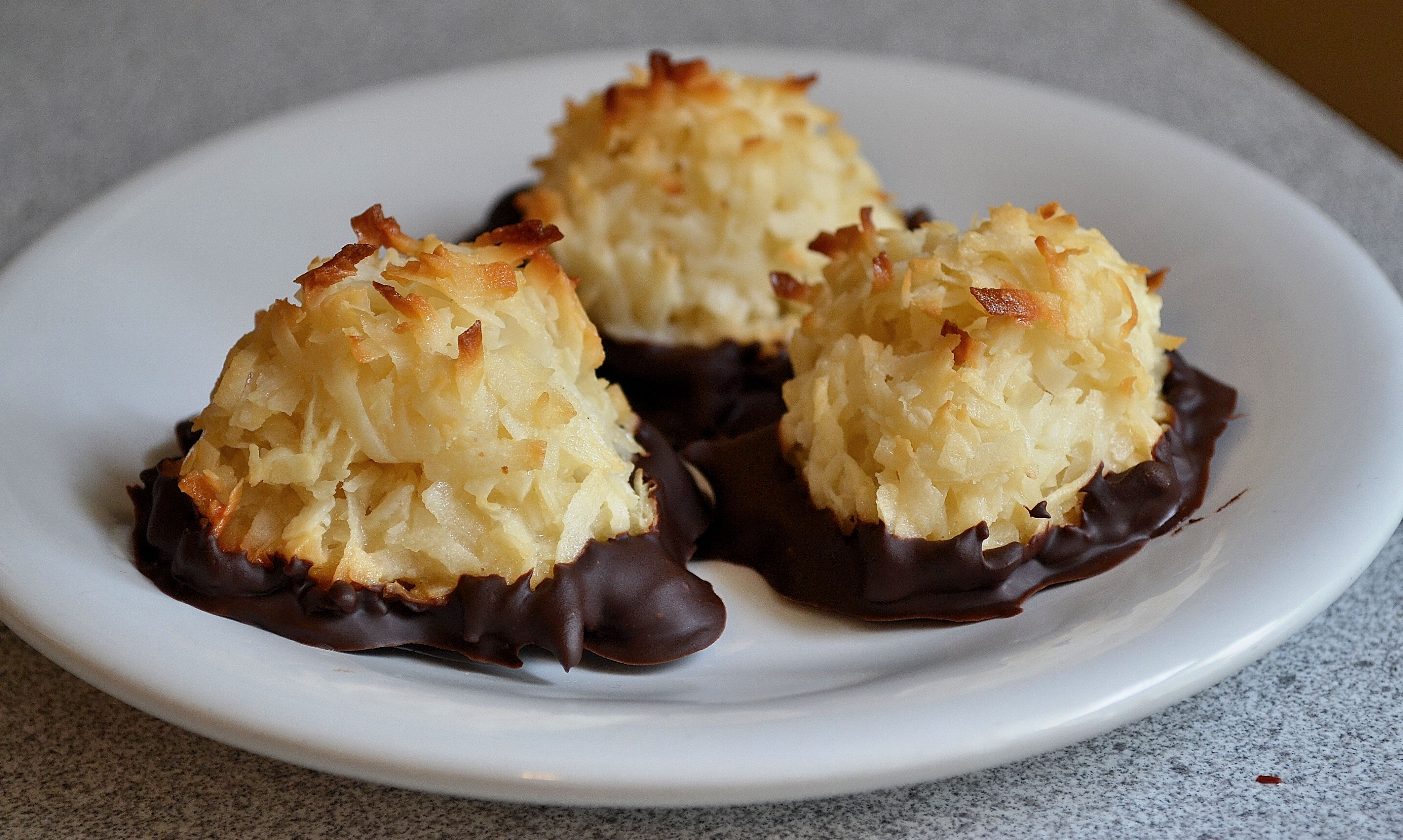
“These are the best macaroons I’ve ever had, and trust me – I know my macaroons!” I’m not usually one to brag, but this compliment (from my coworker Dianne who loves coconut) only confirmed how simply amazing these cookies are! I originally made these for a friend to congratulate his big win with the Spokane Symphony (congratulations Ross!) Wanting to create something both quick and easy, I came up with these Chocolate-Dipped Coconut Macaroons. I brought the remaining cookies to my office the next day – they disappeared almost instantly.
Though most Americans associate these as being macaroons, the “authentic” macaroon has no coconut whatsoever! It is instead a meringue-like cookie, made from almond paste and egg whites, that is believed to have originated within an Italian monastery several centuries ago. The term macaroon is derived from the Italian term maccarone, meaning “paste.” While the coconut variety is extremely popular in the US and the UK, its delicate, almond cousin takes the lead elsewhere.* That being said, if you like coconut and/or chocolate, you won’t think twice about these cookies’ departure from the norm – click HERE to bake a batch of these today!
And now for the musical pairing – I have to admit, cookies are always an interesting case for me. They can generally be assembled and baked in under 30 minutes. While these cookies were really easy to make, they had a surprising depth of flavor. This led me to choose a composer who is often seen as being simple, yet is far more complex when experienced: Bach. I chose his Fugue in B minor on a theme by Tomaso Albinoni. While there are only two voices in the work, it is beautifully intricate and surprisingly profound. The recording is by Glenn Gould, whose playing of this difficult fugue seems so entirely effortless – enjoy!   

http://www.youtube.com/watch?v=aQjF0TNsDCk

Sources Cited:
*”History of Macaroons.” The Nibble

Taking out the Meat, But not The Flavor

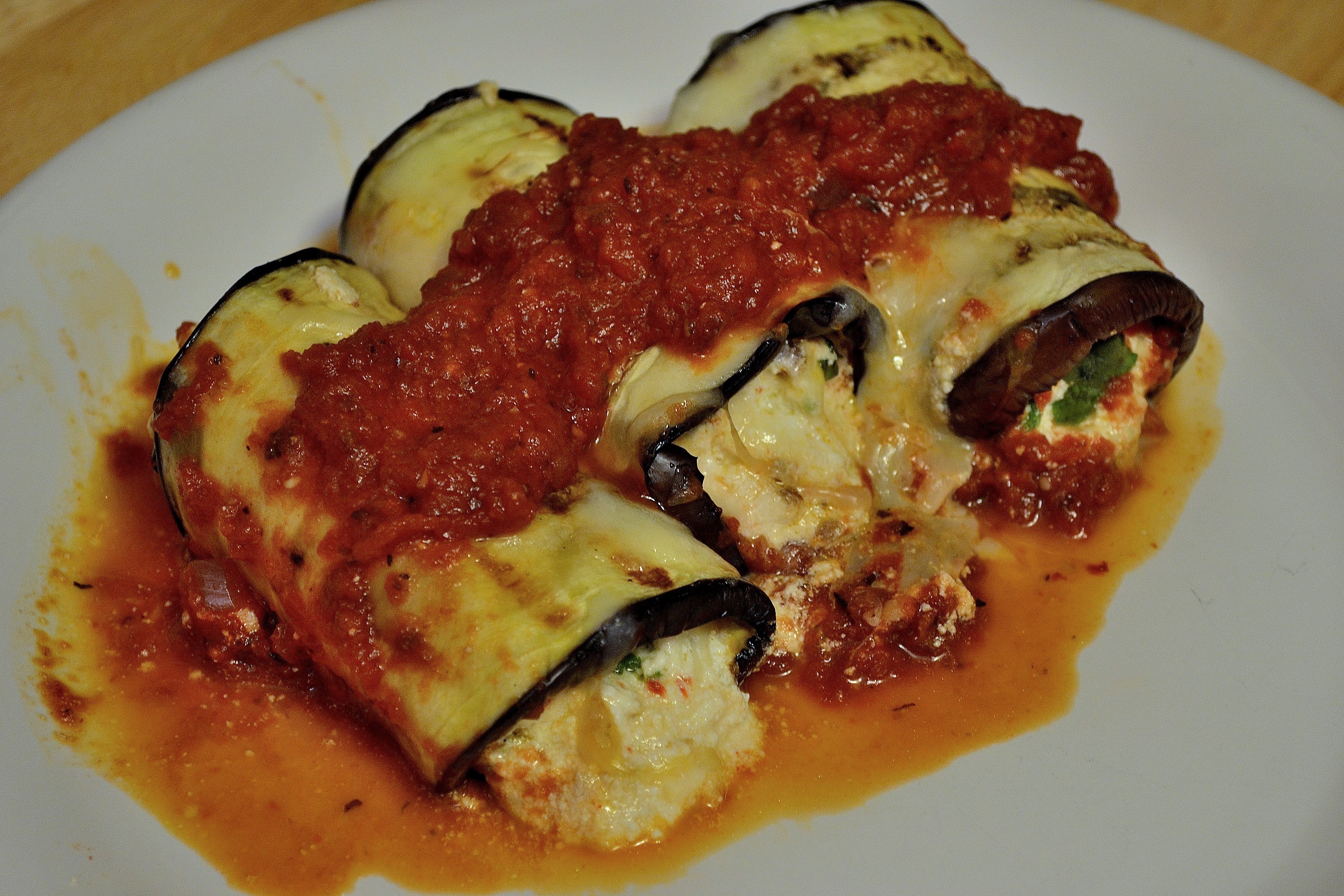
Who ever said meatless had to mean flavorless? There are occasions when a recipe surprises even me – this was definitely one of those times. I had two beautiful eggplants that I needed to use up before my vacation, and felt that vegetarian meal was the way to go. Eggplant parmesan would be too time-consuming, but Italian was definitely the direction my thinking was headed. Having a general idea about what I wanted to do, I came up with my own invention based on some lasagna rolls I’d made a few years back: Eggplant Rollatini with Ricotta Filling and Homemade Tomato Sauce.
Though these seem complicated, they are actually quite simple. The most involved step is preparing the eggplant slices themselves. Eggplant is a water-laden vegetable, making it act more like a sponge than a vegetable when cooked. That’s why it’s crucial to salt these slices before grilling – you can skip this step, but you won’t get the same result. I stacked three cookie racks and arranged the slices across each layer. The salt acts as a dehydrator, and literally pulls the water out of the eggplant (you’ll see little beads of water towards the end of each 30-minute “session”). It also helps to take away a lot of the bitter taste often associated with the vegetable. The texture of these rolls was perfect as a result!
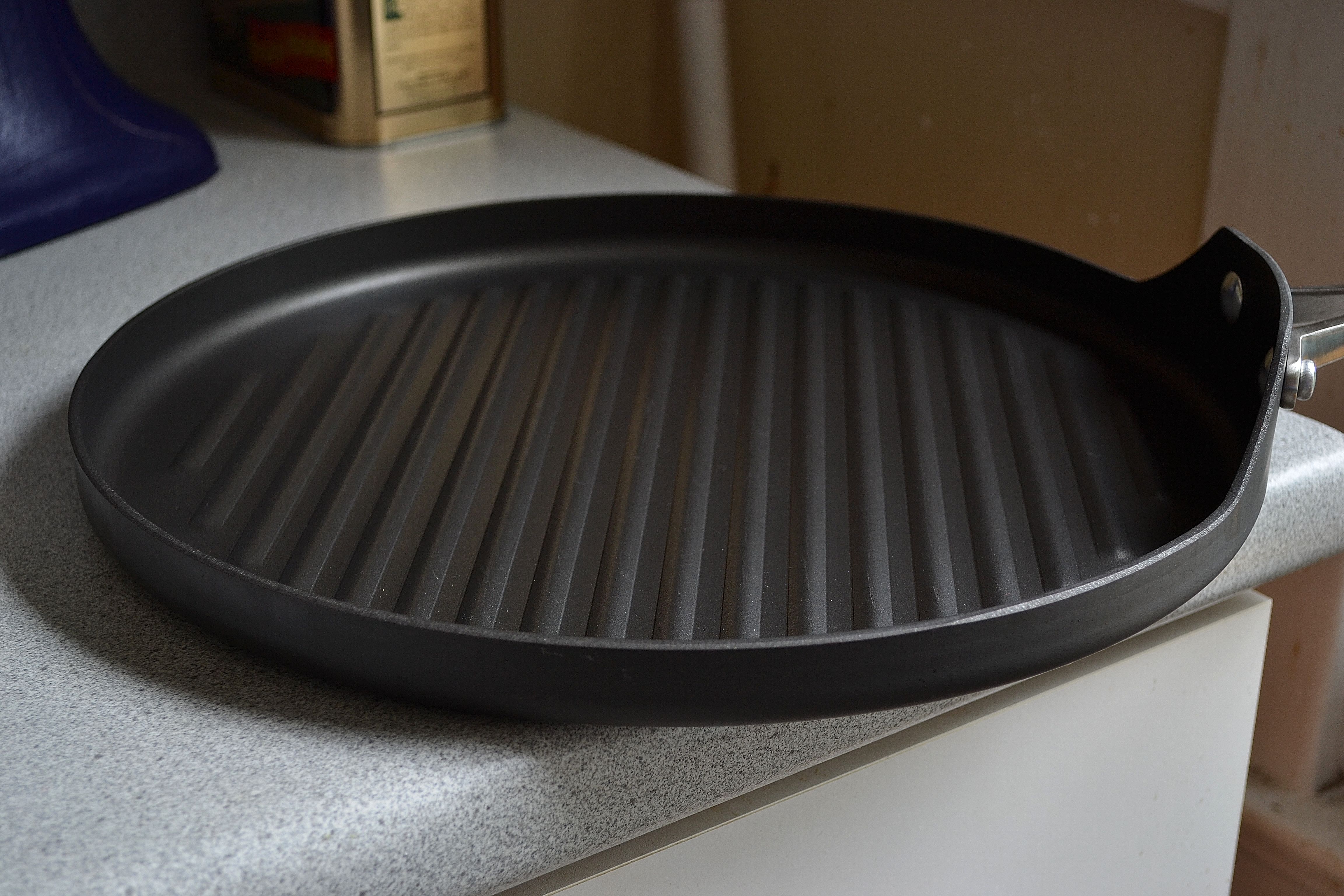
These slices can be cooked by any method (baking, pan-frying, etc), but I wanted the aesthetic look of grill marks – cue grill pan, which once again proved a great buy for the cost. The width of this pan was perfect for the amount of eggplant I had, and reduced the number of batches substantially. I had a jar of sun-dried tomatoes in my fridge, and I figured these would be great for the filling. For the sauce, I completely made that up – I had a big can of plum tomatoes and a small can of diced. Add some wine and shallots and voila! Even though these rollatini used (mostly) pantry staples with basic prep, the result was fabulous – click HERE to learn more about this vegetarian success!
The pairing for this piece was an interesting consideration: I’ll put it in the words of my friends Tim Wilfong: “a dish that was hearty, but not heavy; had a lightness that was unexpected.” That led me to seek out pieces that were full, yet not overly “heavy” in content. Liszt was my immediate conclusion, given his ability to achieve this dichotomy of character. While his music can be rich and lush, it can also be light and delicate. This led me to his piano works, and his Consolations, Six Pensées poétiques, were the perfect match. Light, yet filled with rich nuances and melodies, these piano works made for the perfect pair. I’ve included here a recording of the famous Vladimir Horowitz performing Consolation No.3. His interpretations of the other six Consolations are also available on YouTube – enjoy!

http://www.youtube.com/watch?v=zS5LRRsNYZk&feature=related

Strawberries and Cozy Saturdays

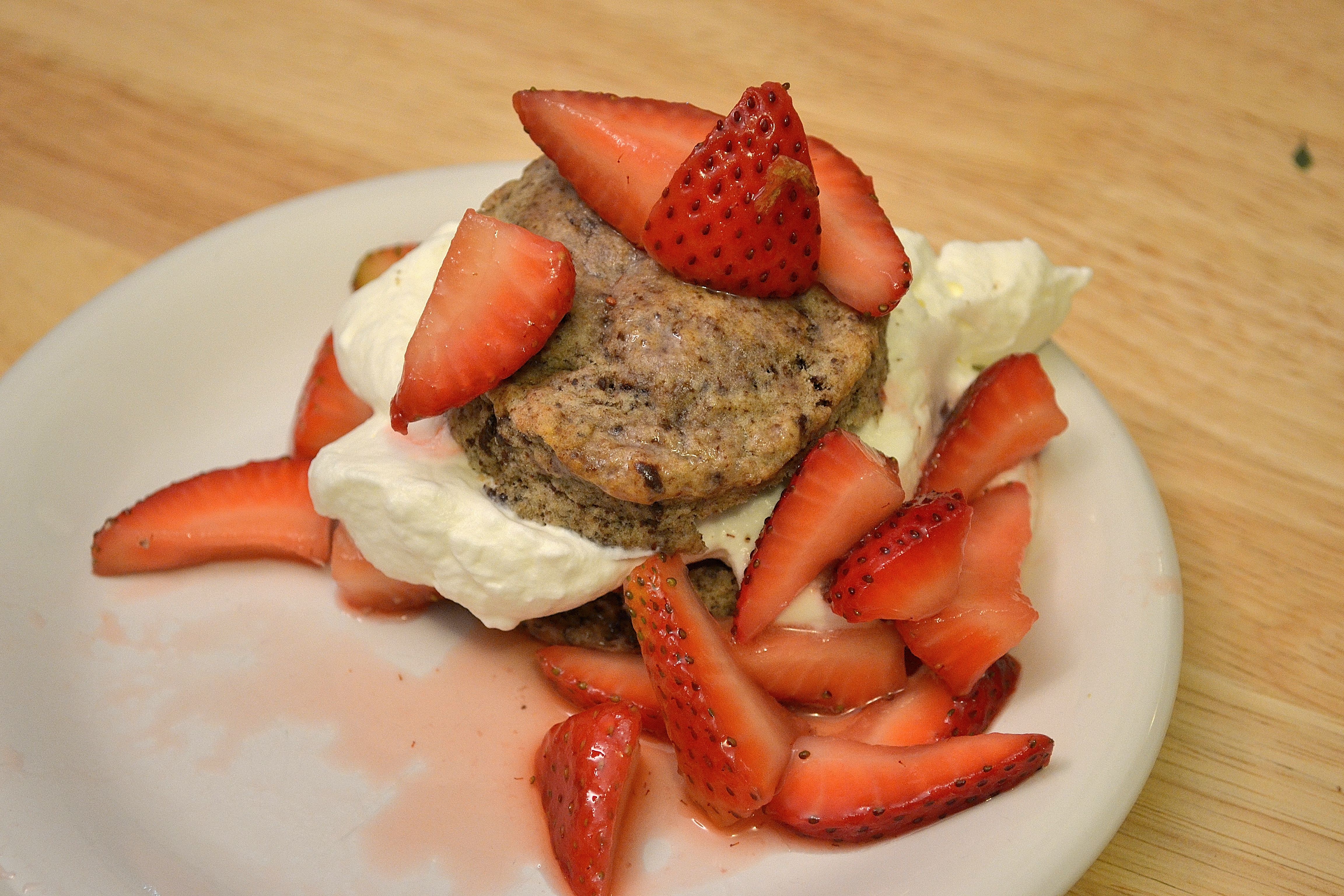
As my previous post implied, this hasn’t been the easiest month for me – that being said, I’ve been dying to start blogging again. Considering I’m still on “the mend,” I haven’t been quite as active a culinarian…for those of you who know me, you can see why I had to do something during this “hurry up and wait” period. So I thought I could share a few recipes from my archives – aka photos of dishes that I never had the chance to post. So what better way to make a comeback than with Strawberry Chocolate Shortcakes with Whipped Cream?!
So why are we so addicted to shortcakes? Whether it be the crumbly, buttery biscuits or the bright, juicy berries, they have become one of the idyllic desserts in our culture. I used an interested method with these biscuits – rather than cubing cold butter and using a pastry cutter, I shredded the frozen butter with a cheese grater. The end result was a light, flaky biscuit. As you noticed, these are a little different than your “classic”  shortcakes – they have finely chopped chocolate bits – this is an optional add-in, but I loved the visual aesthetic. Click HERE to learn how to make these beautiful treats.
I’m blogging about these shortcakes on a Saturday, and quite frankly (since I’m relegated to limited activity) I’ve come to enjoy the refuge of these lazy days. Whether curling up on the sofa with a good book or enjoying one of the several TV shows on my queue (TNG and Justified are the current frontrunners), the weekends have proven ideal for summer rest. Though I don’t often listen to the works of Edvard Grieg, I felt that the Sarabande from his Holberg Suite, Op. 40 was the ideal pairing for such peaceful refuge. The suite is neoclassical (drawing from the Baroque style), though Grieg’s signature can be discerned throughout. This quality helped draw my connection to the idea that these shortcakes are also a thing “from the past.” Though the Sarabande is beautiful, the piece is relatively short – if you have the time, I recommend listening to all 5 movements. Enjoy!

http://www.youtube.com/watch?v=OjoBxMR095g&feature=related

Sources Cited:
“Holberg Suite.” Wikipedia.com 

As American as Apple Pie

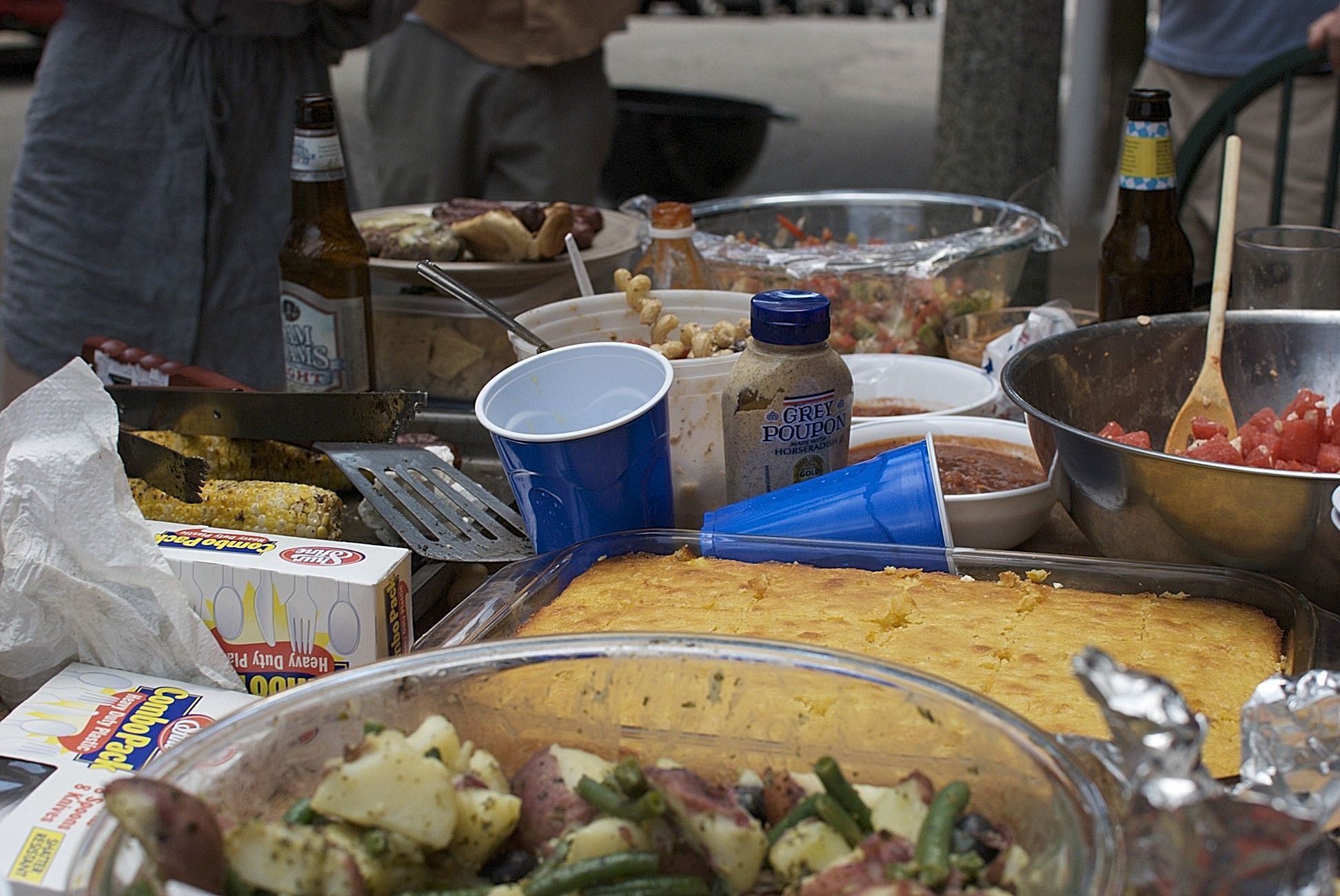
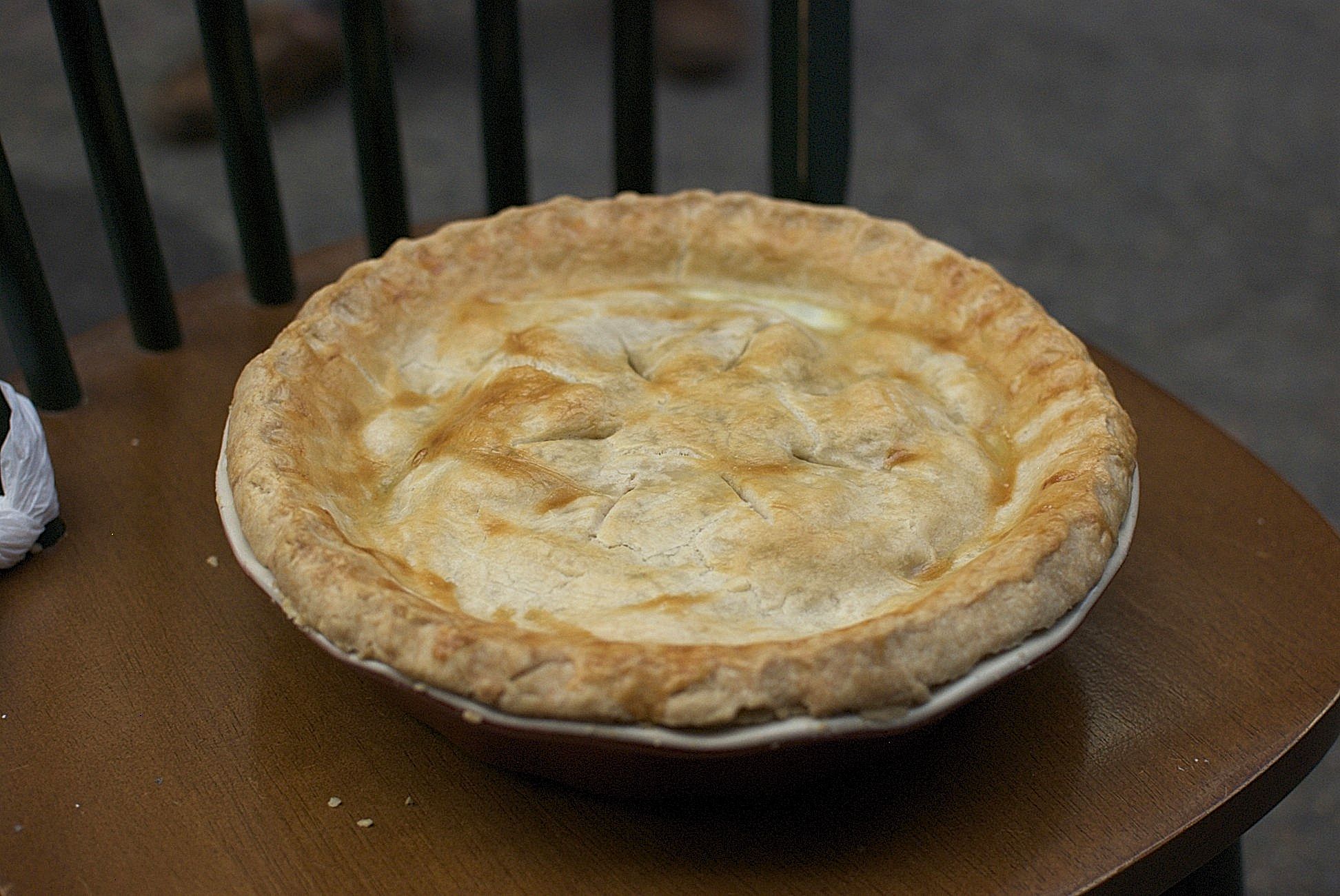
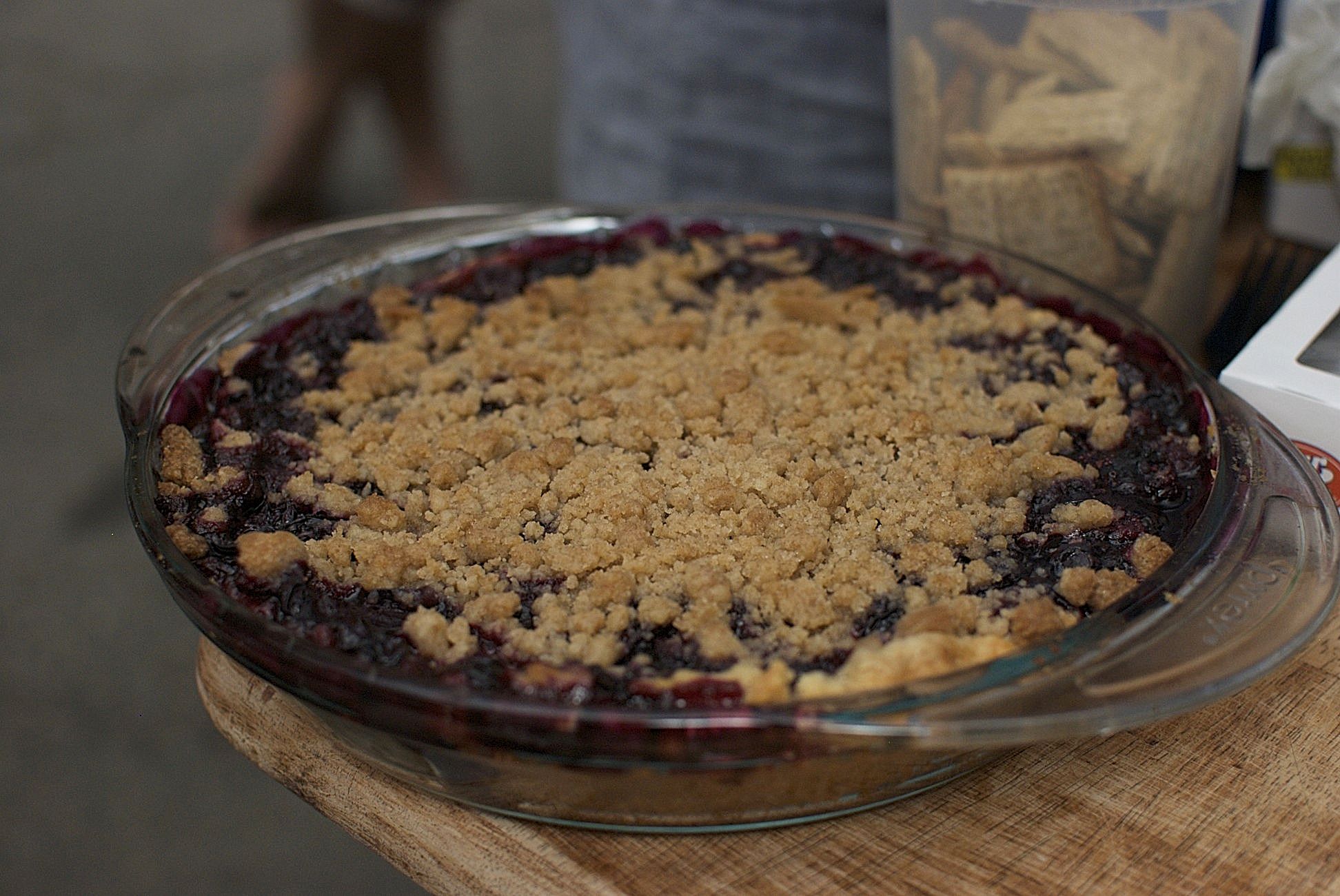
Fourth of July: a definitive holiday that celebrates American Independence and our national spirit. While I’ve seen many firework displays, none have quite topped the Boston Pops Fireworks Spectacular. This comes as little surprise considering over 500,000 people flood the banks of the Charles River to see the thrilling event, with an additional 7 MILLION tuning in to the CBS special from across the nation.* I’ve braved the crowds three times now, and must say that it still is quite “spectacular.” For this July 4th, a group of us gathered at my friend Brian’s in the North End for food and drinks (Awesome spread! See below), then travelled to a nearby bridge on the Charles for the fireworks show. My contributions to the cookout were two classics that this holiday would be incomplete without: Deep Dish Apple Pie and Blueberry Crumble Pie.
“As American as Apple Pie” – we’ve all heard it, yet any may be surprised to learn it is quite far from the truth. The tradition of pie can be traced back to the Greeks, who used pastries to keep savory dishes fresh for storage and transport. This practice was passed on to the Romans, who subsequently introduced the method to Europe. When pilgrims first arrived to the Americas, there were no indigenous apple trees. The fruit had become quite the popular ingredient by that time, compelling settlers to introduce apple seeds to the continent in the 1620s. America quickly became one of the world’s largest producers of the fruit.**
Here is my greatest piece of advice for both making both of these pies’ crusts – make sure ALL the wet ingredients (including the fats) are VERY cold! Otherwise you will end up with a pie crust that is neither flaky nor attractive. I used my food processor (a great gift from my stepmother!) for the first time on these recipes, and I am absolutely in LOVE with it! It made the process much less tedious, and the crust came together in no time!
This apple pie was fantastic! It is a hybrid of two different recipes, considering I wanted a sturdy crust with a filling that was both flavorful and not too soggy. The filling is cooked beforehand, ensuring that the apples will be just cooked (rather than “just barely,” a consequence of deep dish pie dishes). The filling doesn’t suffer from being too mushy, either, thanks to the apples’ natural pectin (which is also used as a stabilizer in jams and jellies). To learn how to make this “American” classic, click HERE.
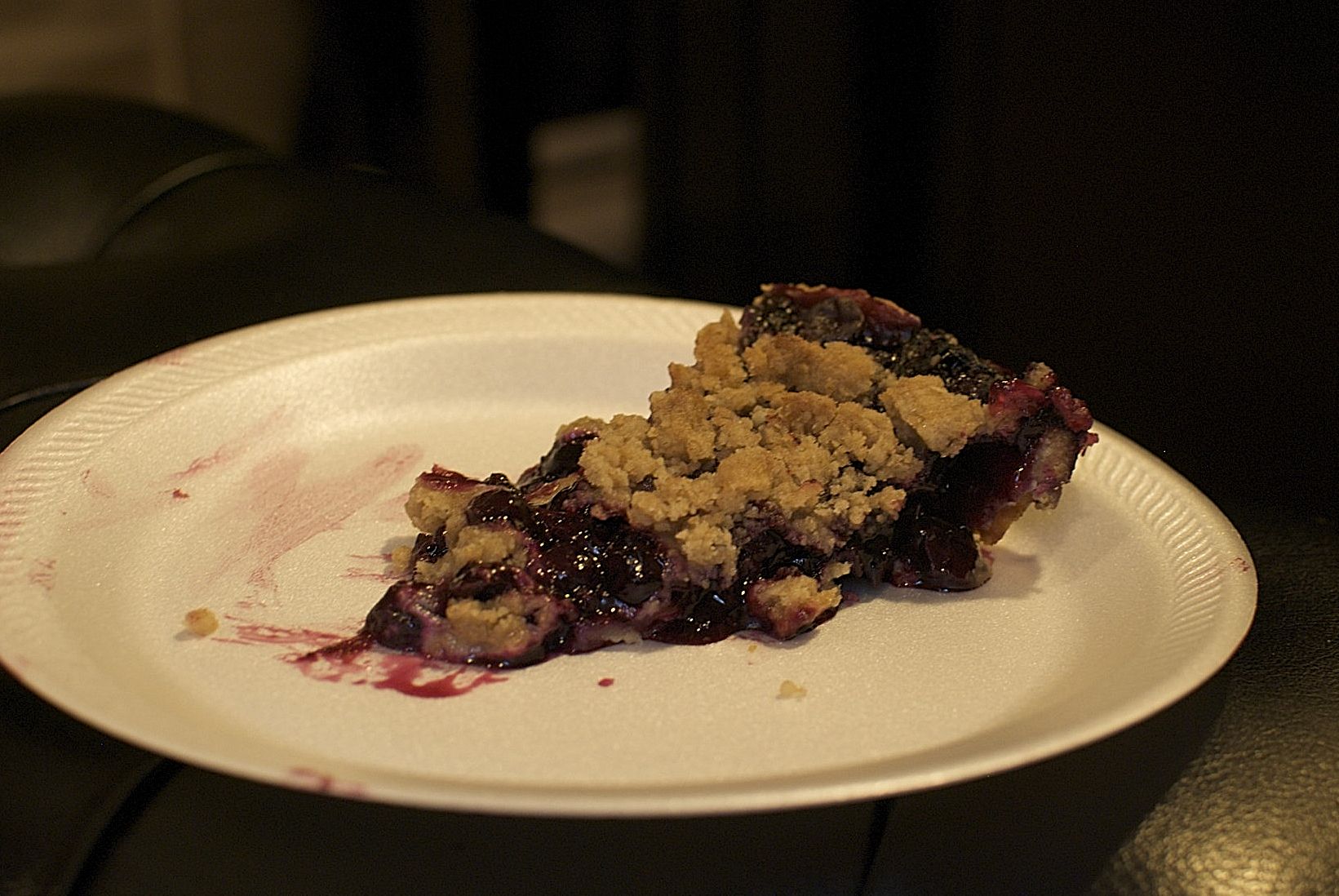
The second pie was just as stunning – a colorful, juicy filling topped with a cinnamon crumble puts this one over the top. This again is a hybrid of two different recipes, in my search for paring a flaky crust with a luscious filling. The crumble topping gives the pie a whole new dimension of flavor and texture, almost serving as a second “pie crust.” This pie was fairly simple to make (relative to the apple pie), and will certainly be making another appearance soon. Click HERE to learn how to make this delicious pie!
For this pairing, I chose the crowning glory of the Boston Pops show – 1812 Overture, by Pyotr Ilyich Tchaikovsky. Like the apple pie, this piece also has a deceptive history. Many falsely affiliate the work with the War of 1812, while in fact it refers to Russia’s victory over the advance of Napoleon’s Grande Armée into Moscow. So why the cultural misinterpretation? The Boston Pops themselves can be blamed, when former director Arthur Fiedler decided to feature the work (for the 1974 show). He had been asked to program a work that would appeal to a larger audience, and so he chose the overture due to its patriotic zeal and “explosive” finale (complete with real canons and church bells!) The reaction by spectators and critics alike secured the work a permanent place in the annual show’s program, as well as in July 4th celebrations across the country.^ Many of the recordings on YouTube only include the Finale, which, though wonderful, wholly omit the beautiful opening and more subtle moments. Here is a recording of the piece in full by the Hallé Orchestra of England, with Mark Elder conducting. Enjoy!

All photos thanks to my good friend Danny Rios 

Sources Cited:
* “Boston Pops Fireworks Spectacular – Our Story.” July4th.org. 
** Olver, Lynn. “Pies & Pastry.” FoodTimeline.org. 19 Jun. 2011. 
^ Peters, Glen. “The Fourth of July and the 1812 Overture: A History.” AssociatedContent from Yahoo! 19 Jul. 2007. 

Summer Lovin’

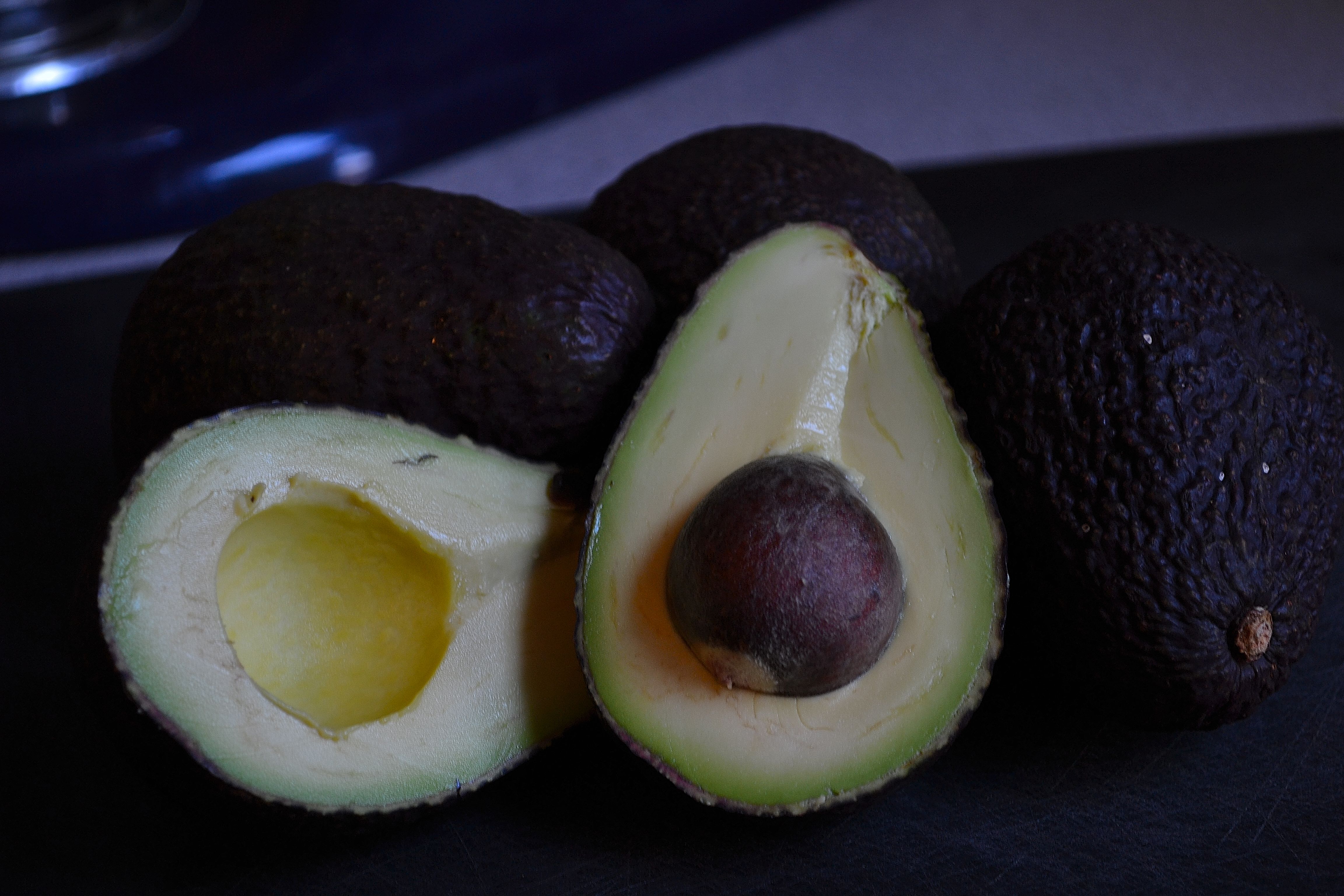
Whether it be a picnic or a movie night, no summertime hang is complete without chips and dips. I’m not talking about those prepackaged salsas you can buy year round at the local corner store – I’m talking about dips that feature the fresh, colorful harvest of this season. Though the former is more convenient, the flavor and depth o the latter is far more enjoyable. I had a group of friends over the other day to watch one of my favorite Pixar films, Toy Story 3, and I decided to make two seasonal favorite of mine: Guacamole Auténtico and Mango Salsa.
The taste, health benefits, and overall aesthetic of the vibrant avocado has made it one of summer’s most beloved fruits. The word avocado comes from the Spanish term aguacate, which had been a simplification by Spanish explorers of the original Aztec name “ahuacatl.” Ancient cultures believed the fruit to be a symbol of fertility and passion (given its suggestive shape). Today, it is still seen as a natural aphrodisiac due to its nutritional benefits and rich taste. Though there are signs of cultivation dating back to 500 B.C., the avocado wasn’t introduced to the states until 1871 in Santa Barbara. California still stands as the number one producer of the nation’s avocados, accounting for 90% of the total crop. Fun Fact: an avocado tree in California can produce as many 500 fruits per year – that’s 200 pounds of avocado!*
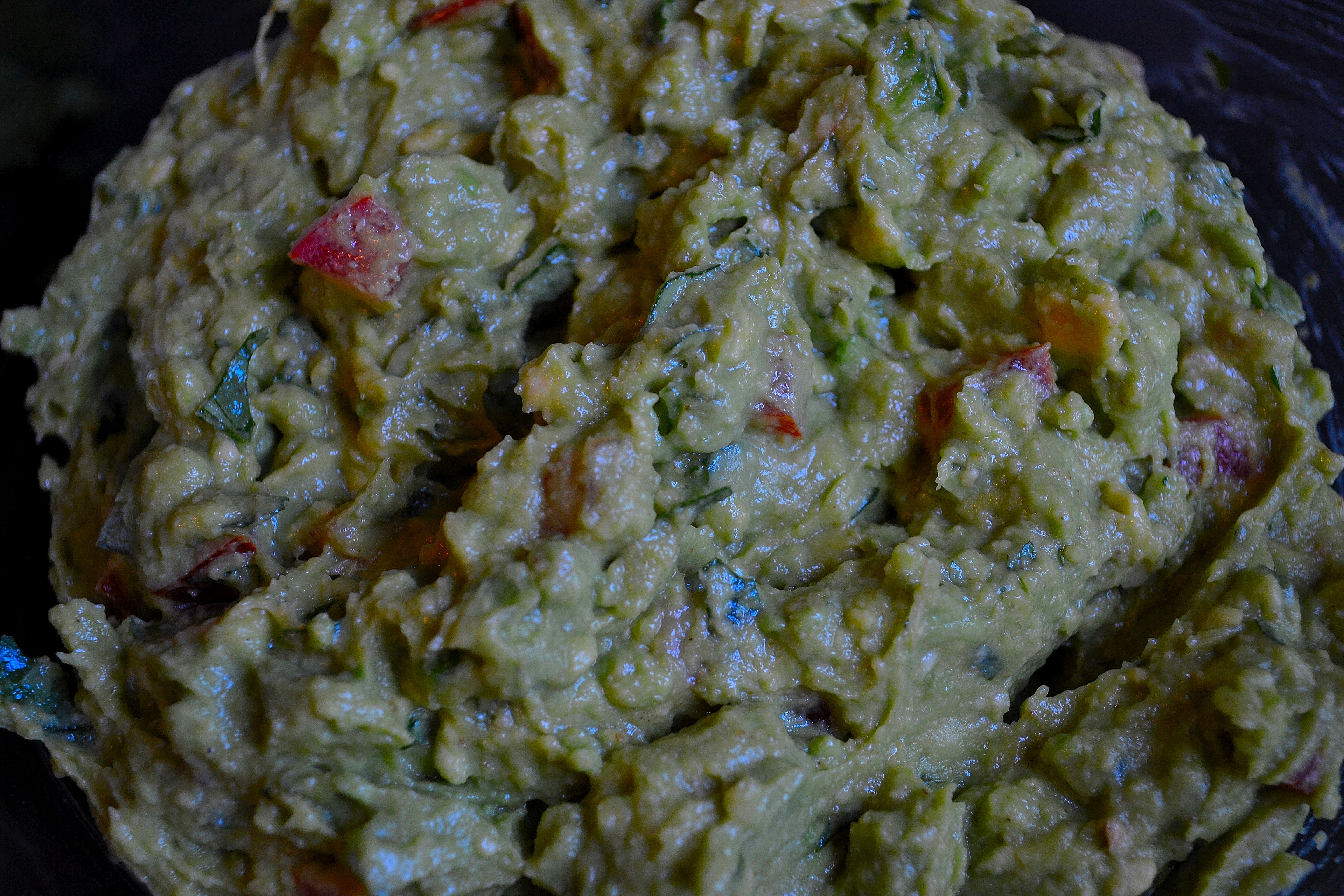
This guacamole is a knockout, and I recommend using only the freshest of ingredients for it. The only thing I omit is the hot sauce given that it feels like a slightly less “authentic” ingredient. I also use jalapenos in place of the serranos to tone down the heat for those less predilection towards spicy fare. Although many purists would be furious at the inclusion of cumin, the slightly earthy flavor it provides with a touch of spice is a perfect complement to the avocado (as an added bonus, many Arabic cultures see cumin as a symbol of love**). This is a delicious guacamole, and comes together in no time – click HERE to learn how to make this summer standard.
When most hear the term salsa, they think tomatoes – I imagine very few picture mangoes as part of the equation. The mango, like the avocado, is another pitted fruit. Originating in Southeast Asia, mango comes from the Tamil term “mangkay.” The mango is featured prominently in this region, serving as the national fruit of India, Pakistan and the Philippines. The mango, like the avocado is seen as a symbol of love and fertility.* Hindu culture uses mango leaves as decorations in doorways for weddings and religious ceremonies.^ This salsa is almost a simplified version of another variety I’ve featured on this blog. Like guacamole, the mango is the main ingredient, with a few other flavors and textures to provide body. This was surprisingly addictive, and not terribly spicy due to the mango’s sweetness. Click HERE to learn how to make this twist on salsa!
Given that these are both fruits symbolic of love, I thought it would be appropriate to choose a musical selection to match. I decided to go literal with this one, and chose Franz Liszt’s Liebesträume, or “Dreams of Love.” These three solo piano works are based on love poems Ludwig Uhland and Ferdinand Freiligrath: “Hohe Liebe“, “Gestorben war ich,” and “O Lieb, so lang du lieben kannst.”Liszt simultaneously composed song equivalents for these three poems, though these (unlike the piano solos) are rarely performed.^ Each piece represents a different type of love: exalted love, erotic love, and unconditional love. The most famous is No.3, which many simply refer to as “Liebesträum” (despite it being the title for the entire set). I have included a recording of this work, performed by Evgeny Kissin. Enjoy!

Sources Cited:
* “California Avocado History” Avocado.org http://www.avocado.org/california-avocado-history/
**”Cumin Seeds.” The World’s Healthiest Foods http://www.whfoods.com/genpage.php?tname=foodspice&dbid=91
^http://www.allaboutmangoes.com/about_mangoes/about_mangoes.html
^^http://en.wikipedia.org/wiki/Liebesträume