A Dish to Your Liking

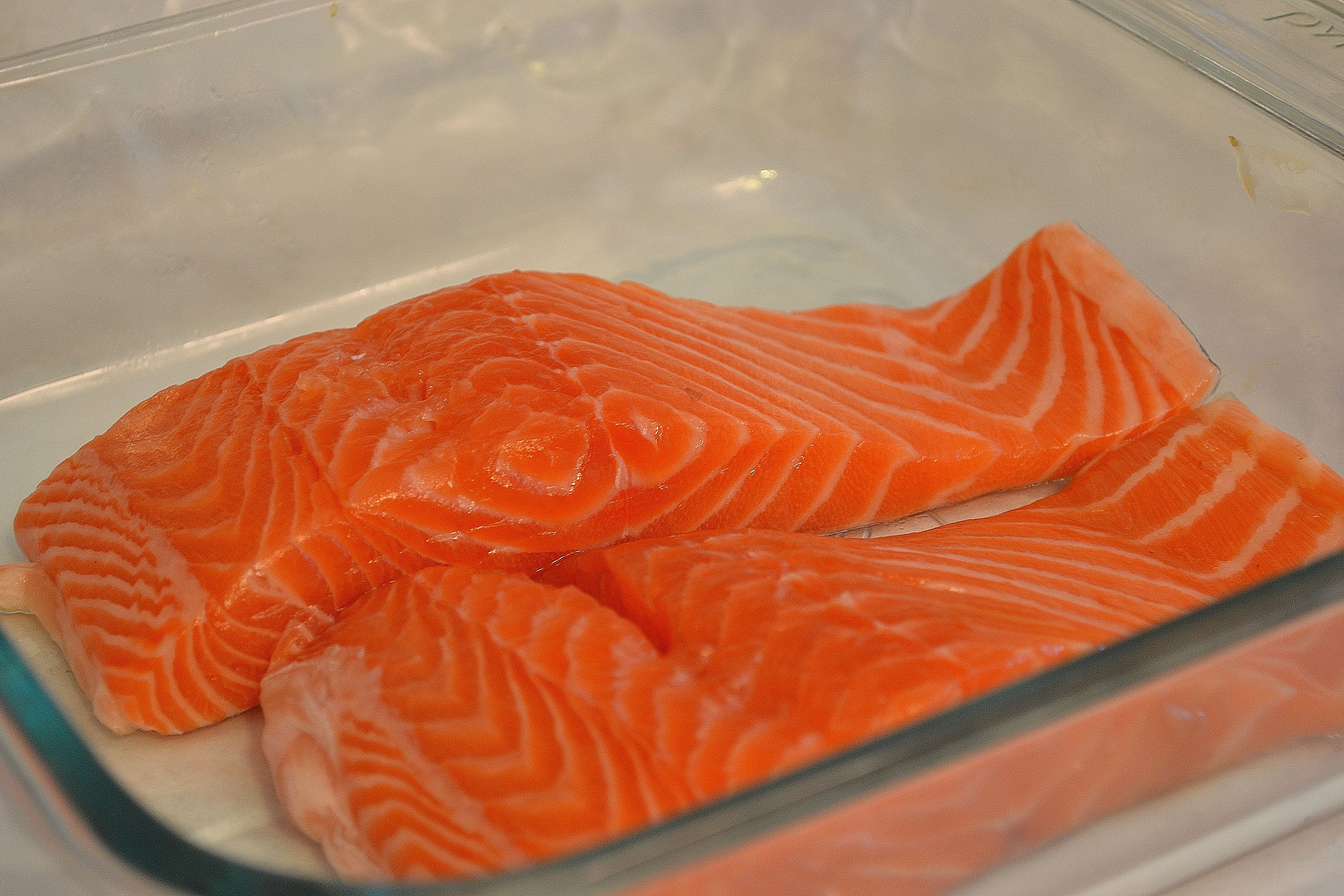
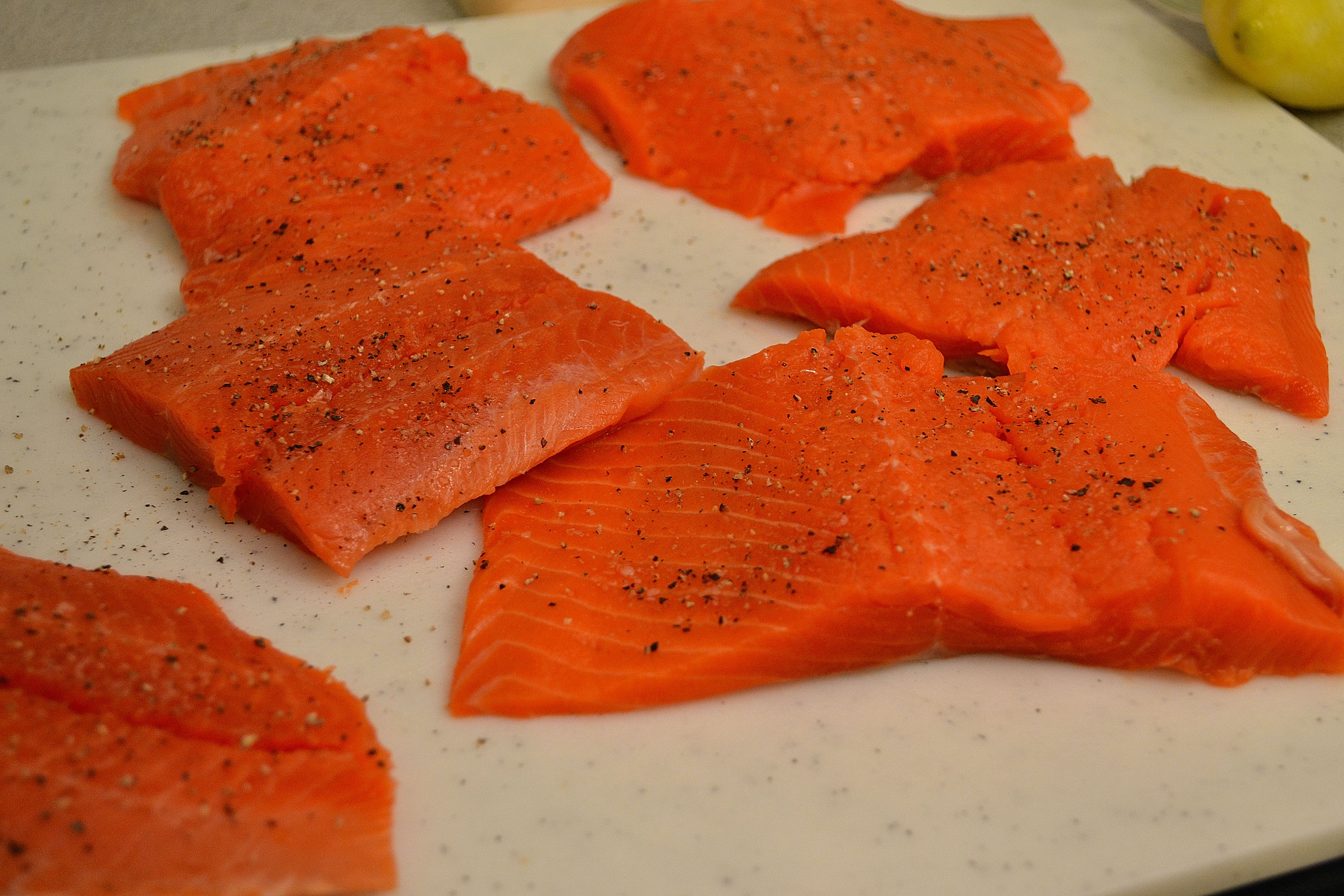
Salmon: an established icon in the realm of health foods, that has yet to lose momentum. A single 4-oz serving boasts skyrocketing levels of vitamins D and B12, in addition to being a excellent source of protein and omega-3 fatty acids. The problem? Overcooking – the luscious, tender filets we often enjoy in our favorite dining establishments often translate into a dry, chalky entree in our homemade attempts. Sure, you can dredge it in a glaze or sauce, but then why bother spending so much on salmon in the first place? That’s why this method will change your life – trust me, you’ll never look back once you’ve tried Slow Cooked Salmon.
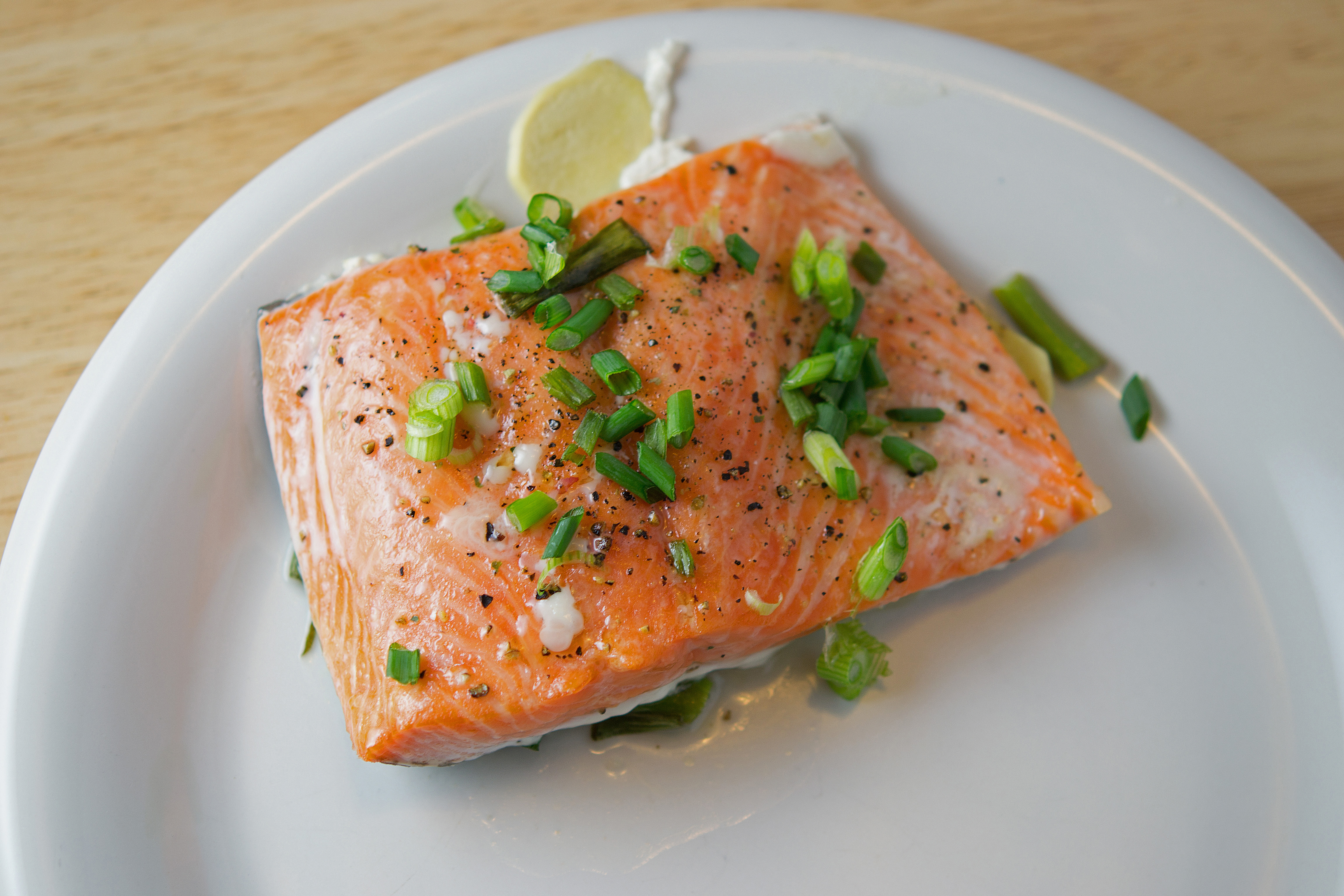
I found this recipe on one of my favorites, Steamy Kitchen – it has an AMAZING result, with little to no effort. It’s just a matter of setting the fish on a bed of aromatics, and popping it in the oven for 30 minutes or so. What you get is to-die-for texture that doesn’t take away from the integrity of the fish. Her recipes provides a number of flavor variations as well. Craving ginger, I went for that one (plus I have a huge crush on green onions – they tend to make most things taste amazing). I added a splash of white wine midway through cooking, and a squeeze of lemon at the end to spruce things up a bit – click HERE to see this foolproof method for cooking salmon.
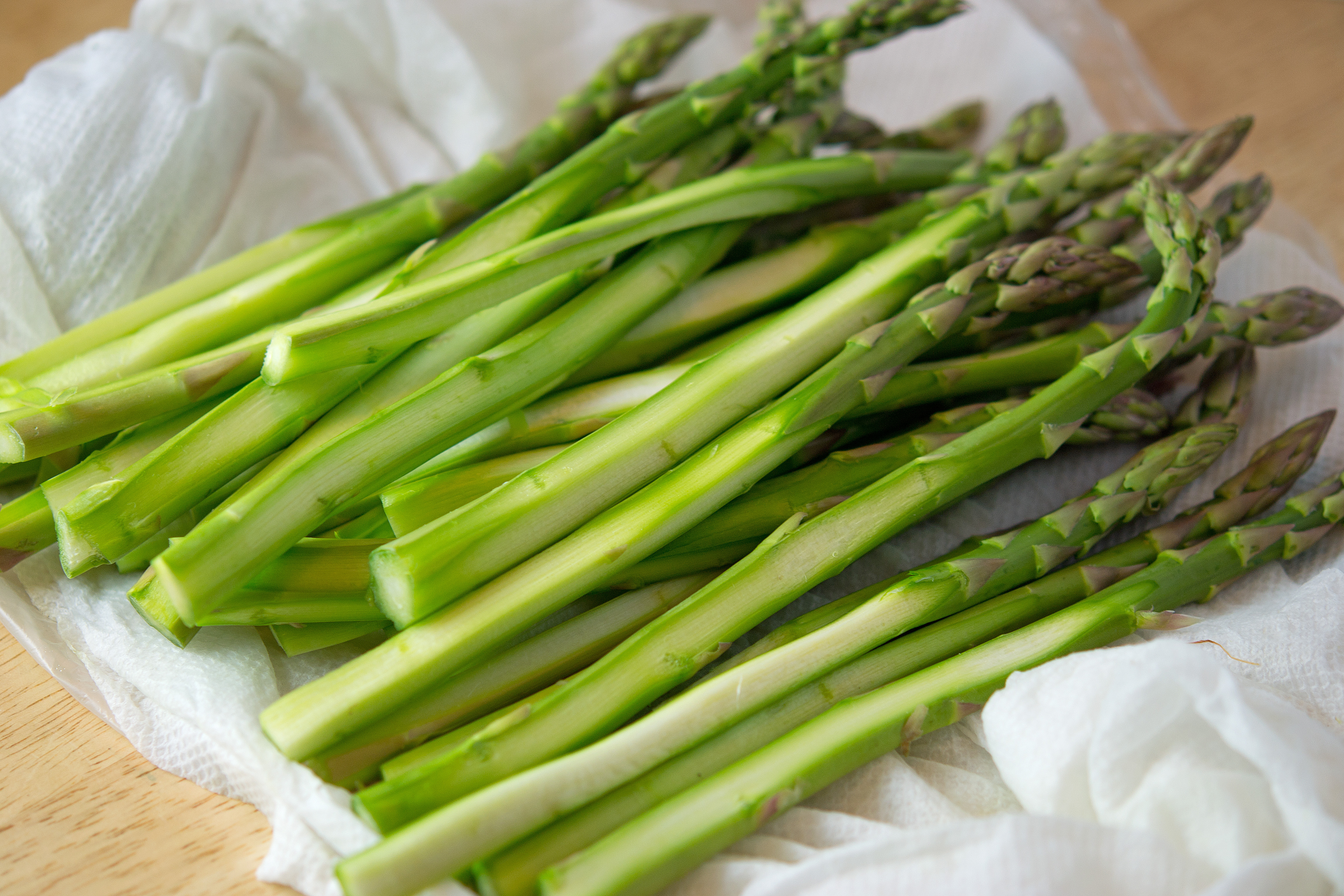
There is something all to fitting about asparagus and salmon, and went with Sesame Asparagus. I was looking for thin asparagus at the store (for sauteeing), yet could only find tree-like stalks. My first thought was to fold and buy spinach instead, but I then remembered Julia Child’s method of peeling the stalks. She claims the result is a fresher, greener asparagus that takes much less time to cook. So I decided to go for broke and bought the thicker stalks – Julia, as always, was spot-on. It cooked in MUCH less time, retaining its colorful hue and tender crunch. On top of that, the sesame-soy sauce was fabulous! Click HERE to see how to make this lovely side dish.
For the musical pairing, I wanted to draw my attention back to the salmon – the whole concept behind the recipe is to maintain the integrity of the original fish, yet leave room for creativity. That led me to Eugène Bozza’s Image for solo flute. Written in 1939, it is dedicated to flute pedagogue extraordinaire Marcel Moyse. Much like this salmon recipe, the work is very open to interpretation, inviting the performer to approach it with “the character of an improvisation.” The piece alternates from inquisitive to jubilant, weaving cadenzas with lilting scherzos that showcase both technique and sonority. The recording I’ve included is with flutist Alexandra Grot – enjoy!

http://www.youtube.com/watch?v=alzS8hPsOfI

Sources Cited:
“Salmon,” World’s Healthiest Foods

Jamaican Me Hungry!

There’s something almost to good to be true about grilled meat with fruit – chicken, pork, fish, anything. Not only is it incredibly easy to prepare, but it always delivers amazing results! All it takes is a little creativity – for this occasion, I had leftover bananas from a bananas foster evening (will be blogged about one day if I can beat the melting ice cream in time!). Swordfish steaks were on sale at Whole Foods, so naturally I bought two and made Jamaican-Spiced Swordfish with Banana and Pineapple Salsa.Swordfish are very popular sporting fish, yet these agile predators are no easy catch: measuring up to 14 feet in length and weighing as much as 1,500 pounds, swordfish are quite powerful and highly elusive. As a food, its tough meat is a comparable trade for steak. While considered to be a delicacy, the FSA advises consuming swordfish (shark and marlin as well) no more than once a week; pregnant women and children should avoid it entirely. When choosing swordfish at the store, look for steaks with for healthy pink meat and dark red strips.
This salsa was DELICIOUS! I mean, who thought bananas could take the leap from sweet to savory so effortlessly? As I learned with a previous fruit salsa, ginger does wonders in these settings, so I added a touch to this recipe. Feel free to substitute another fruit for the pineapple, like mango or peach. This salsa was ridiculously good with swordfish, though any fish will do (heck, try it with steak even!) – click HERE to give this fantastic entrée a shot!
This was quite unique recipe, and almost “daring” in theory – thus I wanted a musical piece that was edgy and provocative. I tend to think of Piazzolla when I think of “edgy”, and his Estaciones Porteñas (The Four Seasons of Buenos Aires) captures a raw energy that pairs perfectly with this dish. The original composition was written for his own quintet, with bandoneón, violin, piano, electric guitar, and double bass. It has since been transcribed for a number of ensembles, from piano trio to solo violin with string orchestra. I have included a recording of the transcription for piano trio below of the third movement: Primavera Porteña (Buenos Aires Spring). Definitely take the time to listen to the to other three as well, it’s worth it – enjoy!

http://www.youtube.com/watch?v=HJzogioRx6A

Sources Cited:
– “Swordfish,” Wikipedia.com
– “Mercury in fish: your questions answered,” Food Standards Agency website.
– “Estaciones Porteñas,” Wikipedia.com 

A Wealth of Delicious Variety

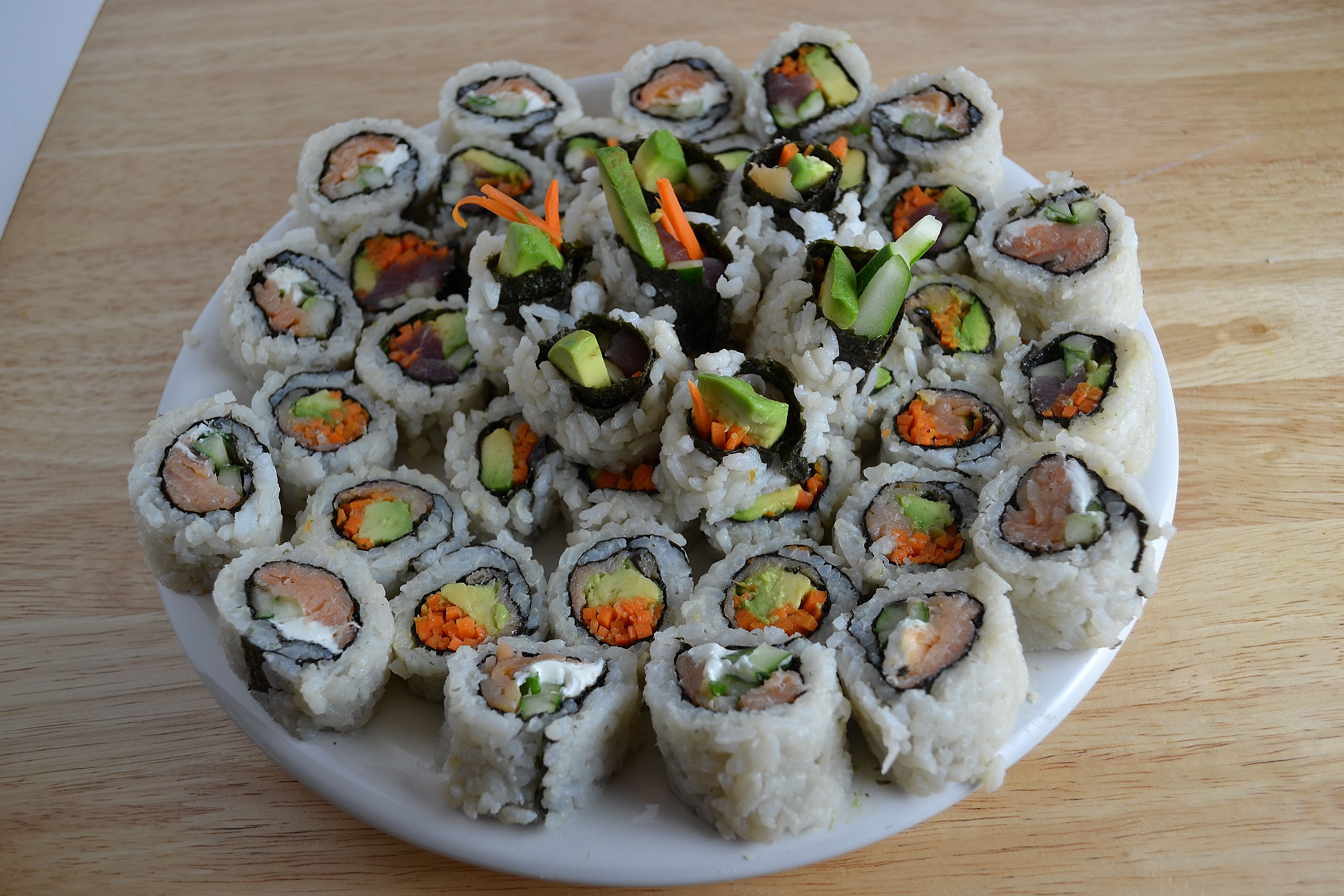
While practically anything that you eat at a restaurant can be made in your home, there will always be a few that you prefer to leave in the hands of professionals. For the longest time, I had always assumed sushi was one such meal – until I met Maya Jacobs. She never lived in Japan and doesn’t necessarily cook Asian dishes on a regular basis; she just knows that quality ingredients, homemade rice, and a skilled hand at rolling seaweed are all it takes to make great Maki Sushi.
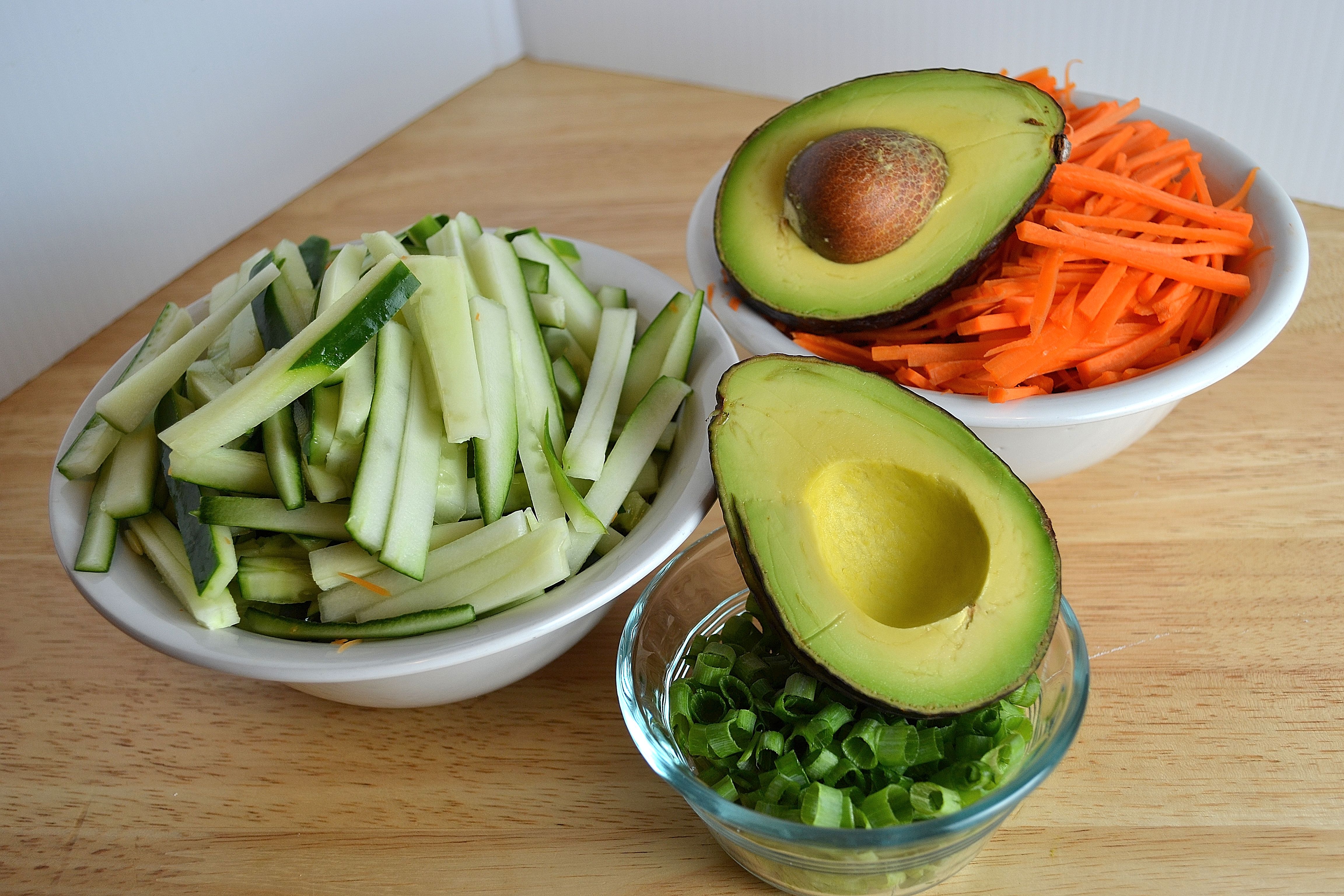
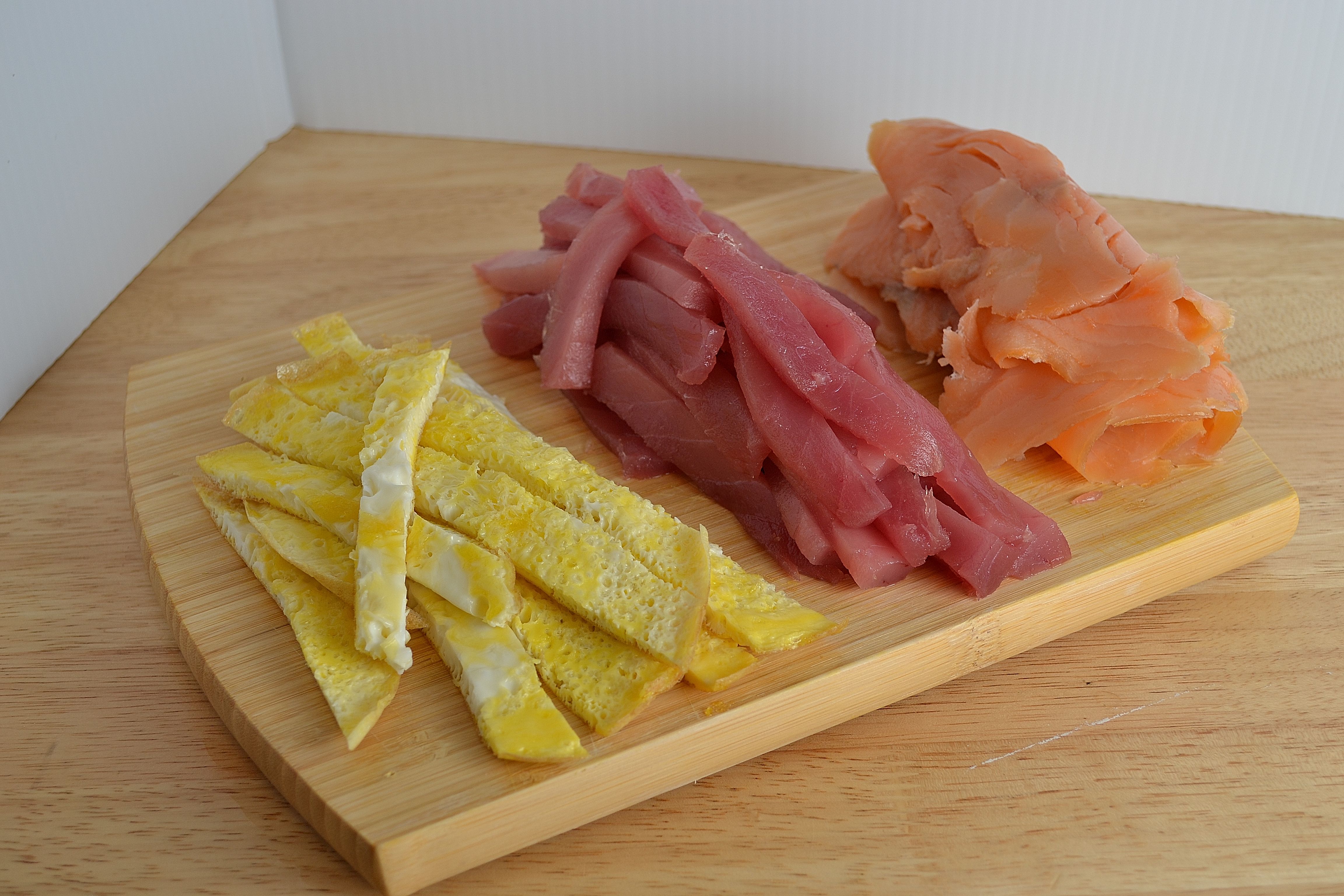
When Maya and I make sushi, we never just stop at a few rolls – we always go for 20 or 30 and invite as many people as we can. The key to a great sushi spread is having a ton of options: fresh tuna (Maguro) or salmon (Sake), julienned vegetables, fried egg (Tamago), avocado (a must for any sushi party!), etc. For this occasion, we used smoked salmon and cream cheese as well. Lots of color is key, and makes it much more exciting! The filling varieties are endless – it’s basically whatever you feel inspired to try.
The rice is the trickiest part of making sushi – getting the right balance can be tough, but Maya’s recipe comes out perfect every time! You can use any type of rice (including brown) though it’s recommended to use sushi rice. It is a short-grain variety with a higher starch level than other rices, yielding a sticky, “glutinous” result that is perfect for rolling. Click HERE to see Maya’s practically perfect way to create homemade sushi.   
For pairing this meal, I wanted to focus on the variations and endless colors this meal can provide. My friend Alexis recommended a work that is considered to be on of the standards of variation form: Bach’s Goldberg Variations. Originally composed for harpsichord, the work consists of 30 variations on the opening aria. The variations are based on the bass line, or foundation of the piece (much like the sushi variations all rely on the same basic ingredients). It’s a beautiful piece, and a truly iconic work in the classical repertoire. This recording is by (once again) Glenn Gould, an artist who just gets Bach – enjoy!

http://www.youtube.com/watch?v=64Xb3qiXR9Y 

Sources Cited:
“Goldberg Variations,” Wikipedia.com

A Palette of Colorful Fare

I need to use my actual cookbooks more often. The internet is addicting given it provides access to millions of recipes (with photos, a big plus for me!), but I have SO many real cookbooks that it’s a shame I don’t use them more often. I was hosting a dinner for my new neighbors Albert Oppenheimer and Mike Dahlberg, and wanted to finally start utilizing these wonderful resources. So I started to peruse the beautiful book by David Tanis, A Platter of Figs (great title), and flipped to the “summer” menus. That’s when I saw it: a gorgeous dish that uses everything I love about cooking, and so I made this beautiful rendition: Grilled Cod with Indian Spices and Yellow Tomatoes.
The ONLY thing I changed here was using cod instead of hailbut. I prefer the latter, but the cod at the market looked so much fresher that I couldn’t resist. I followed the rest of the recipe to a T. What’s fantastic about this dish is how everything on the plate works perfectly together. The serranos and spices give it just the right kick, making you instantly reach for a second bite rather than your glass of water (a spiciness which Albert enjoyed immensely). The cool raita provides an amazing depth of flavor, and all of it is framed by gorgeous yellow tomatoes.  There’s not much else to say about this dish other than MAKE IT! Click HERE to learn how. 
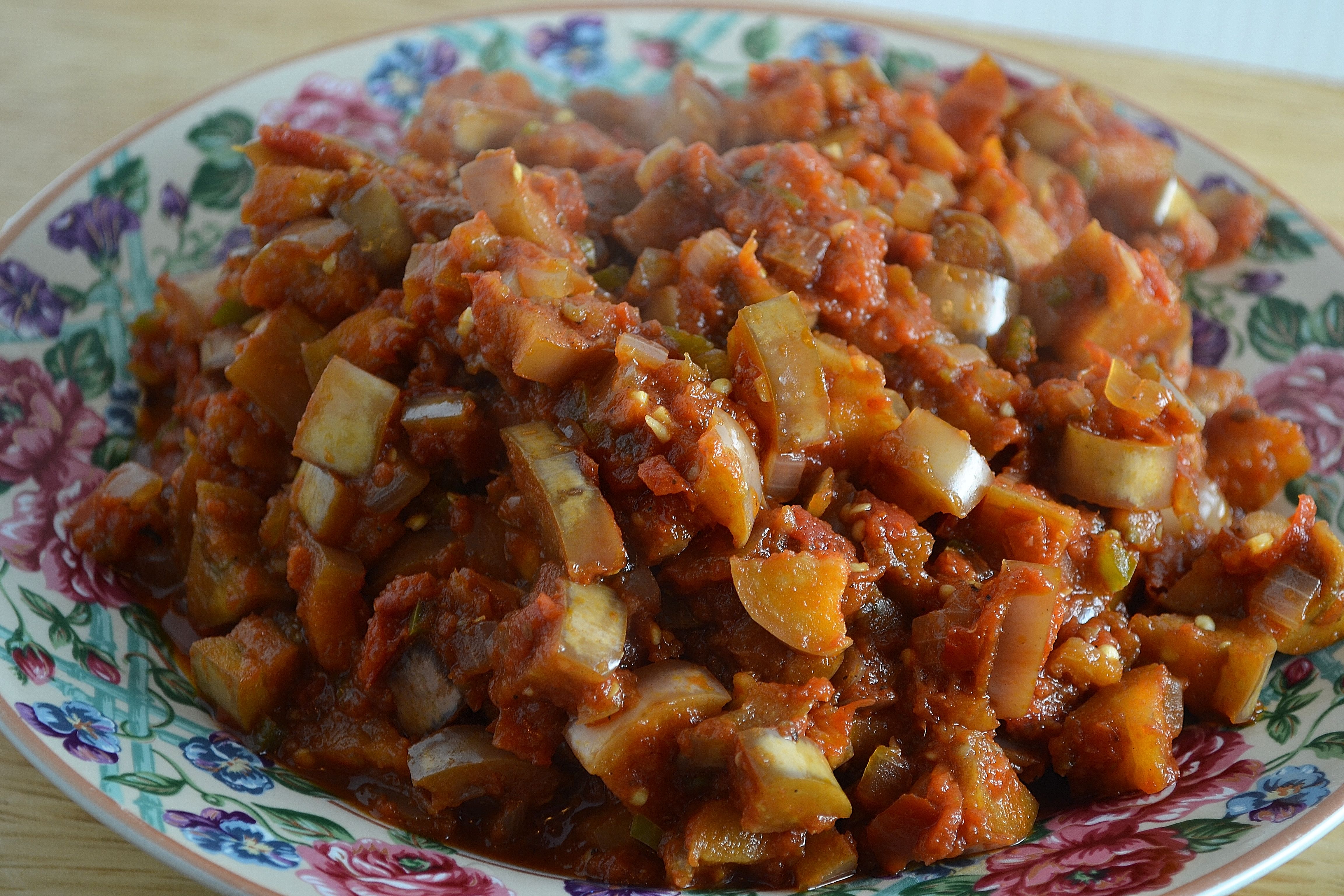
Have you ever bought something from the market just becaus it looked cool? That was the case with these Chinese eggplants. These amethyst beauties looked liked something from outer space, so naturally I wanted to know how to cook them (that is natural, right?) Anywho, this cultivar, when compared to the familiar American eggplant, is far more delicate in flavor, has thinner skin, and less seeds (the cause of the bitter taste many affiliate with eggplant). I sort of “made-up” this recipe for Indian Spiced Eggplant, using the knowledge I know from previous attempts combined with my preferences for preferring eggplant (see my previous post to learn more about preparing eggplant). Click HERE to learn how to make this spicy, flavorful dish today! 
The pairing for this dinner was inspired by a live performance I saw the other night which just so happened to include one of my dinner guests, Mike Dahlberg (cellist). His string quartet was playing for a function, and it was a piece I had never heard: Brahms’ String Quartet No. 3 in B flat Major. They performed the third movement: Agitato (Allegretto non troppo). This movement features a killer viola part (played beautifully by their violist, Jason Amos) and so I have included a recording of that movement (by the Jerusalem Quartet). The overall depth and flavor of this movement helped to inspire my pairing. The viola, in my opinion, is a very “colorful” instrument that I felt paired beautifully with these two dishes. Please listen to the entire work if you have the time, it’s worth it – I hope you enjoy!

http://www.youtube.com/watch?v=DNrkUmZsMTU 

To Mom, with Love

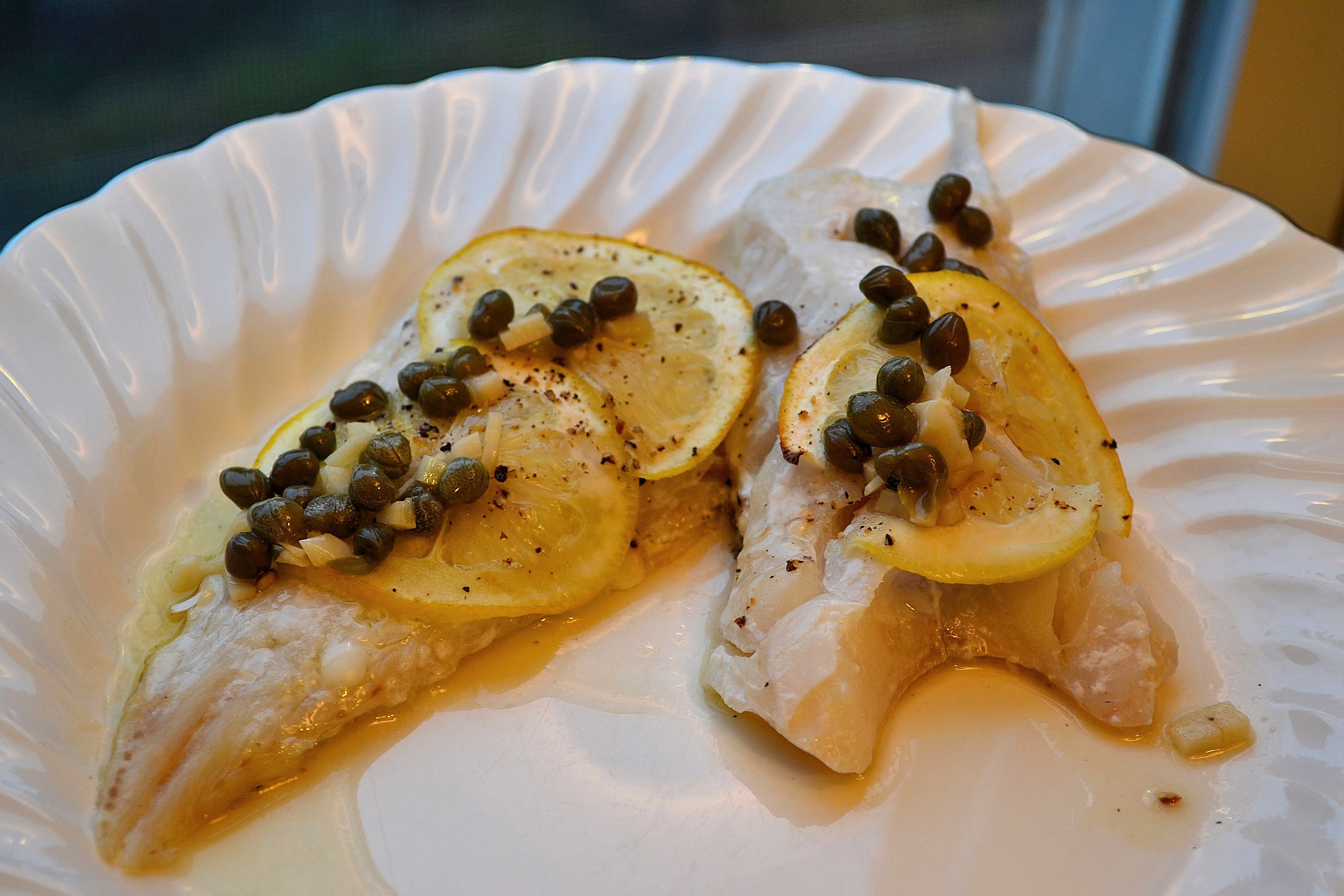
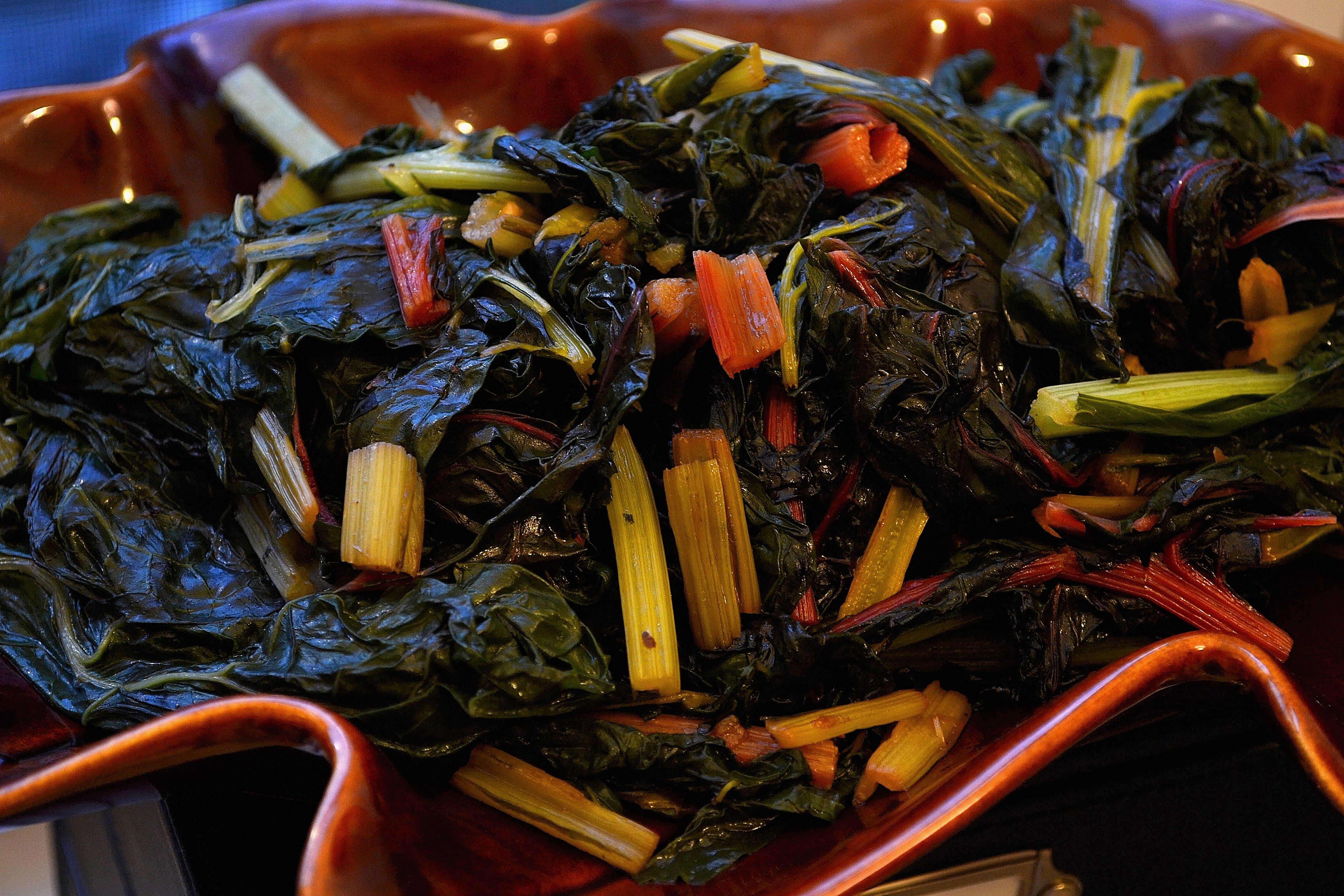
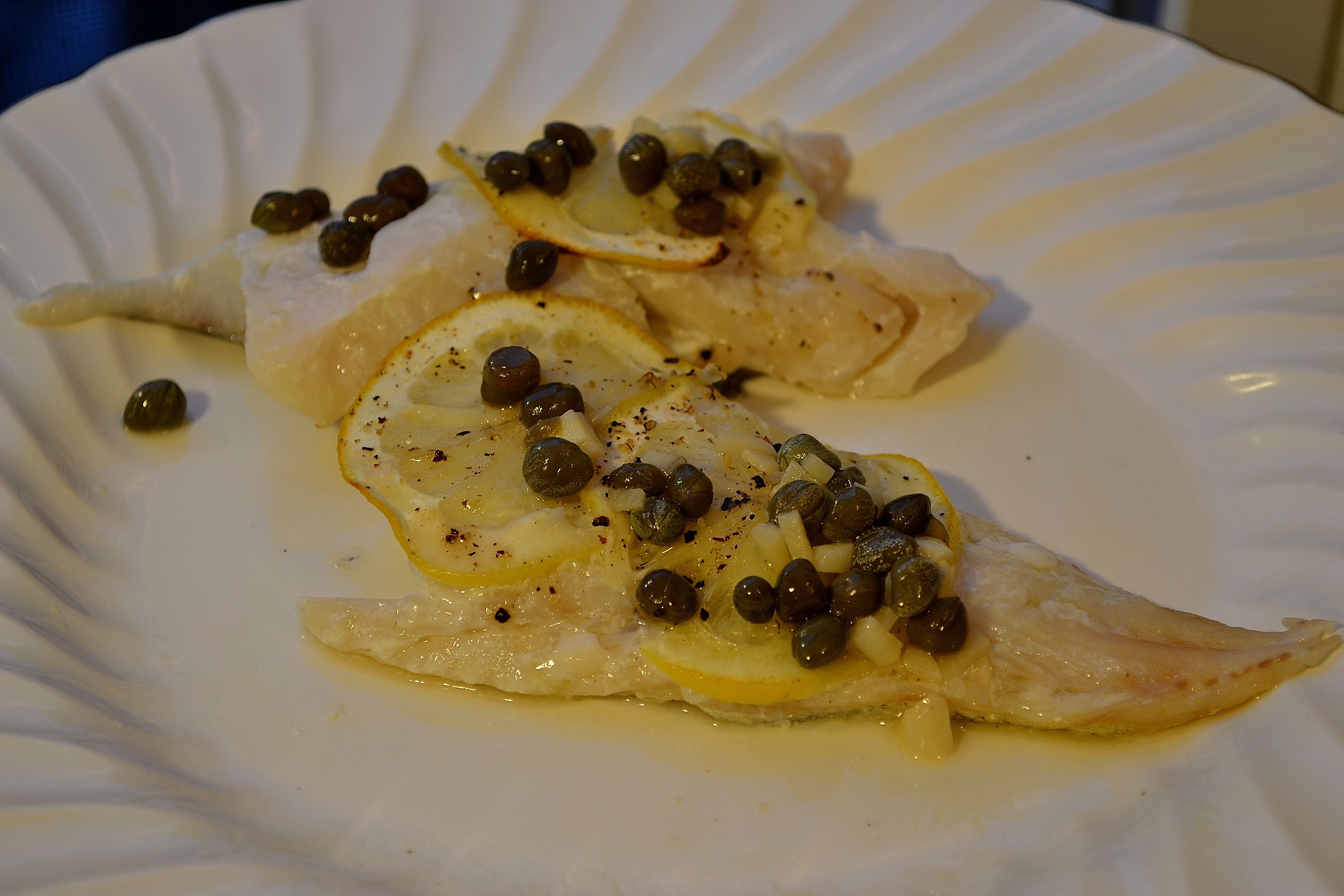
My mom visited me this past weekend during “Phase 2” of my mending process. She helped me with daily chores and running errands, things I was extremely grateful for. Considering I was in a much better place than I was last weekend, I had the energy to make a “thank you” dinner. Wanting to make a meal that was simple yet meaningful, I decided to make a menu based on fresh ingredients and bright flavors. The result was delicious: Baked Haddock with Lemon-Caper Sauce and Sautéed Rainbow Chard.
Haddock isn’t a fish I’m too familiar with. Often tilapia or halibut are my white fish of choice. Yet this haddock was not only on sale, it was wild-caught. Though there are endless labels assigned to seafood, there is one that is extremely important to note: wild-caught will always have the upper hand to farm-raised (for now, at least). Farm-raised fish are exposed to a number of anitibiotics/pesticides, have lower levels of healthy omega 3 fatty acids, and are raised under conditions that can be detrimental to their surrounding ecosystem.* Hence my choice to stick with haddock. I made a simple lemon-caper sauce that I roughly adapted from about.com – learn how to make this healthy, refreshing dish by clicking HERE.
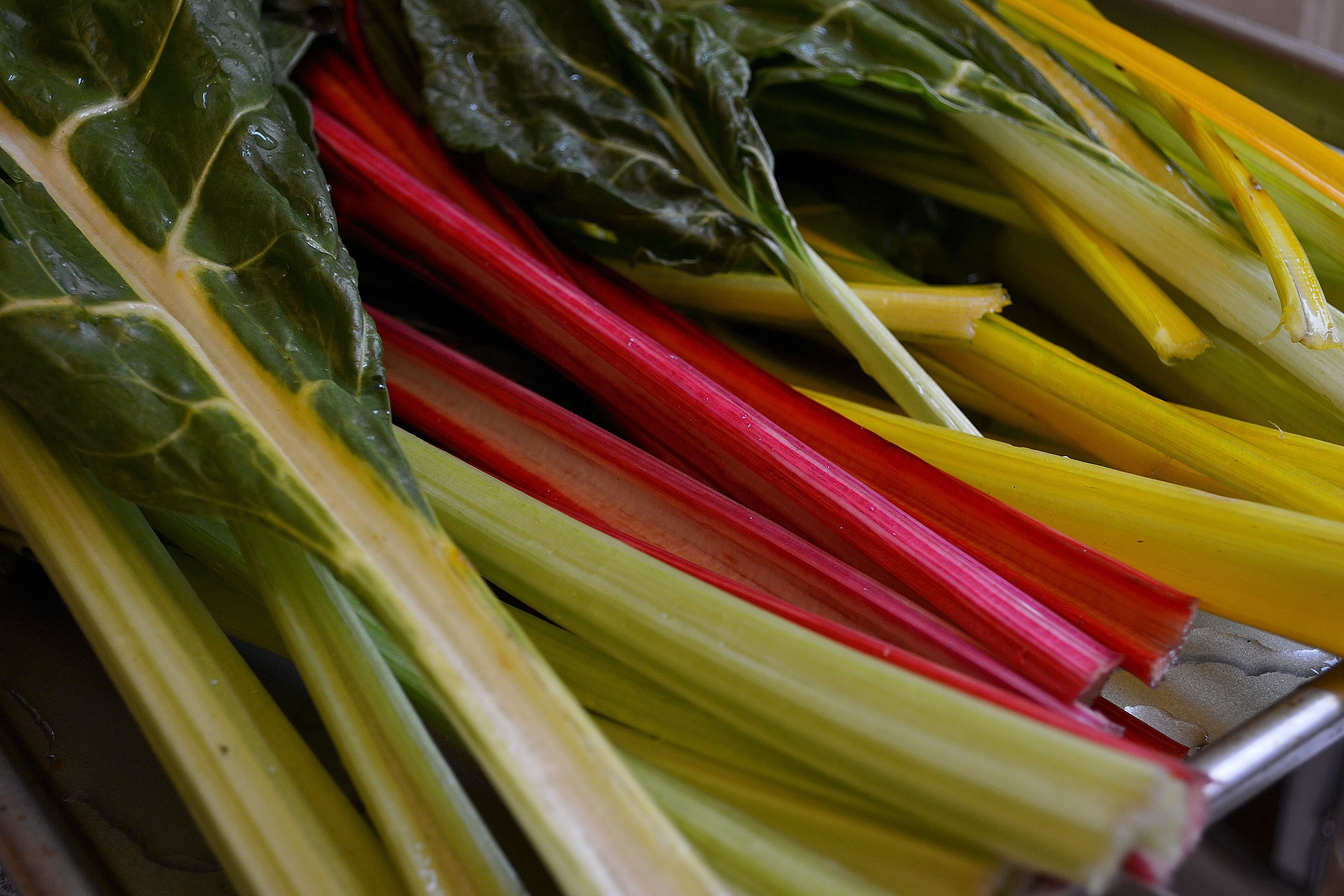
While my mom was visiting, we discovered a hidden gem in my neighborhood – a local farmer’s market! Heirloom tomatoes bursting with color, fresh peppers with glossy skins, and more were on display. That’s where I discovered my side: rainbow chard. With jewel-toned stalks and vibrant leaves, this vegetable adds character to any meal. Simply sautéed, it’s delicious. Click HERE to learn how to make this simple yet gorgeous side dish!
For the musical pairing, I wanted a piece that showcased the depth and color of these two dishes. Somehow I was led back to a composer who is readily becoming a foodie’s best friend: Debussy. His gentle nuances and contrasting rich harmonies are the perfect pairing for a number of dishes. For this meal, I chose his orchestral piece Nocturnes. It consists of three movements: Nuages, Fêtes, and Sirènes. The first is a solemn homage to the sky, the second celebrates the dance-like quality of the cosmos, while the third heralds the endless rhythm of the sea.** While the three movements employ contrasting themes, their beauty and natural ambiance made for the perfect pairing. It’s also the perfect thank you to my mom 🙂 I’ve included a recording of the first movement (sadly, this video did not include the orchestra performing in the description). All three are uploaded through this author, so be sure to click through to the next two – enjoy!

http://www.youtube.com/watch?v=e1XSJHTOFAI&feature=youtube_gdata_player

Sources Cited:
* “Wild-caught vs. Farm-raised: Overview” World’s Healthiest Foods
** “Nocturnes (Debussy).” Wikipedia.com 

Seeking Serenity through Tzatziki

Had you told me 10 years ago that I would love the city life, complete with renting an apartment and relying on public transportation, I would have laughed. Yet here I am: living in Boston proper with a 2-bedroom apartment, and commuting daily to work on the subway, and loving every bit of it. That being said, it does have some restrictions – most notably, lack of a grill. So there’s George Foreman, or I could get a small charcoal and drag it out to the parking lot every time I want a steak; but neither really suits my own culinary finesse. Enter the solution: a grill pan. Now obviously the smoky taste of a true grill won’t be achieved, but it’s the next best thing. I just bought a 13-inch Calphalon nonstick grill pan (see below) and wanted to take it for a test ride. For its debut, I decided to make Pan-Grilled Salmon with Tzatziki.
While I am an avid user of cast-iron for meats, fish works quite well in the nonstick setting. Salmon is an oily, or fatty, fish – it thus takes slightly longer to cook. To create the perfectly cooked fillet, salmon is often removed from the heat just before it is fully cooked. This prevents the fish from drying out, giving it a beautiful texture. The result will be flesh that is slightly translucent in the center, and completely opaque around the edges. Like Tuna, salmon is a safe fish to eat undercooked, or even raw (NOTE: this only applies to fresh fish – read all labels and safety instructions beforehand).* Leaving the skin on the fillets prevents the fish from drying out; it can easily be removed with a long knife or spatula once the fish is done cooking.
For this salmon, I chose to make Tzatziki: a Greek dish that consists of strained yogurt, cucumber, garlic, dill, and lemon; mint and parsley are optional add-ins (which I did not use). It is used in a number of contexts in Greek cuisine, from being served as a meze (appetizer) with dippers to serving as a sauce for gyros. Tzatziki pairs beautifully with salmon – the dill and lemon highlight the fish’s natural flavor, while the yogurt and cucumber provide an almost “spa-like” freshness. Greek yogurt is a must for achieving the right consistency of this sauce – I like Trader Joe’s brand, but Fage is another excellent variety. If you prefer to use regular yogurt, be sure to strain it for at least 2 hours (in the refrigerator) by placing the yogurt in a coffee filter over a large bowl. To learn how to make this lovely summer dish, click HERE.
The “soothing” flavors of the Tzatziki received my attention for this musical pairing, and Debussy’s Reflets dans l’eau was the perfect match. This work opens the series Images pour piano, though the three parts are often performed as individual works. This series was written just after the completion of La Mer (which was just featured on this blog). It evince many of the same harmonic qualities found in the orchestra piece, yet finds a more delicate ambience through poetic expression. Reflets dans l’eau translates to “Reflection in the Water,” and is meant to evoke a rippling effect.^ I’ve included here a recording by Jean-Yves Thibaudet (a French pianist for a French piece!) His interpretation is precisely the ambiance I hoped to capture with this dish. Enjoy!

http://www.youtube.com/watch?v=LRrKUhWr5GA&feature=related

Sources Cited:
*”Cooking Fish Fundamentals.” Rouxbe Cooking School http://rouxbe.com
**”Tzatziki.” Wikipedia.com http://en.wikipedia.org/wiki/Tzatziki
^”Claude Debussy.” Wikipedia.com http://en.wikipedia.org/wiki/Claude_Debussy

Remembering Where We Came From

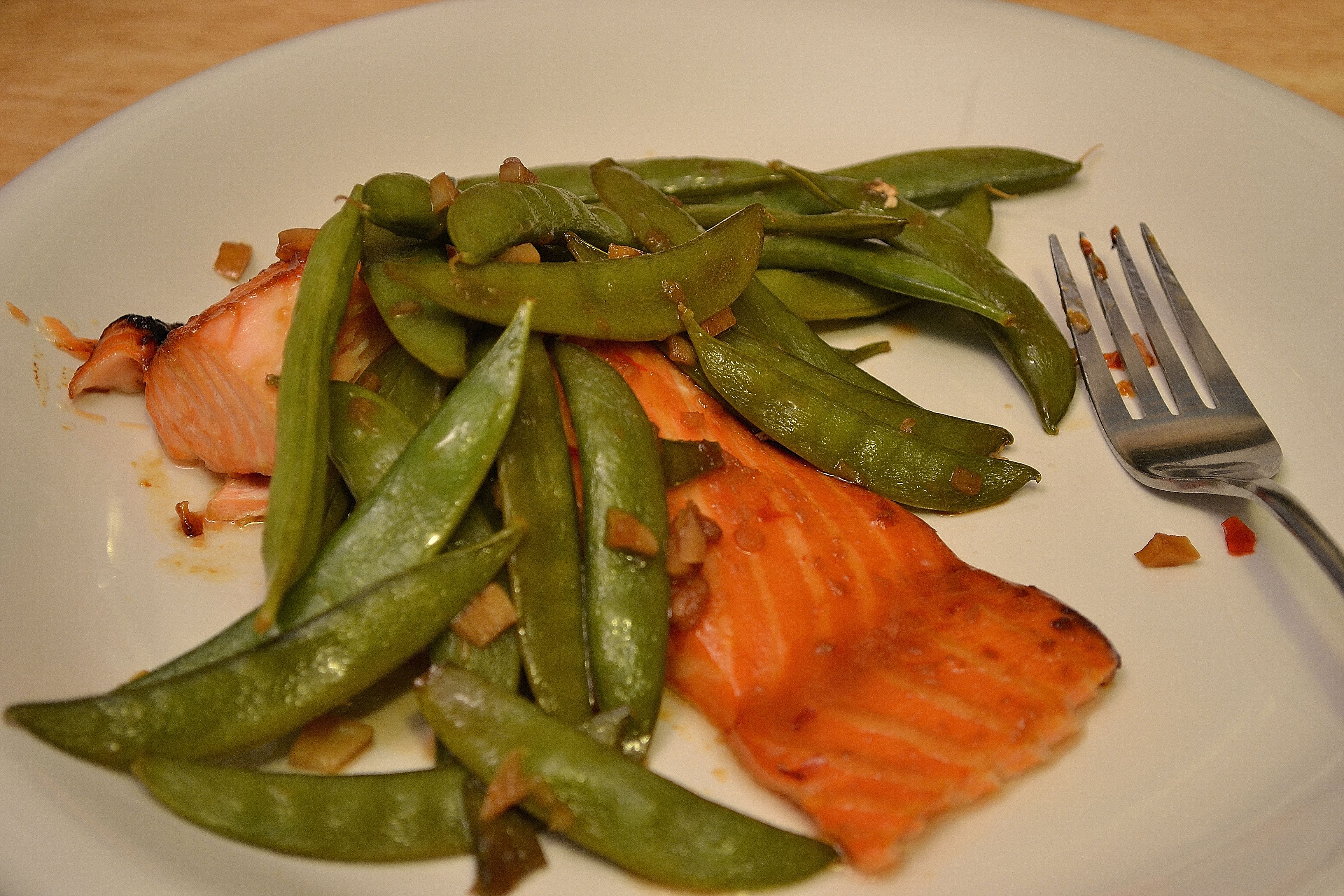
If there is one food I love without a doubt, it’s fish: grilled, poached, broiled, tartar – you name it, I’ll take it. My venture with vegetarianism was ended given this passion, with baked tilapia if I recall correctly. When it comes to smaller occasions (roomie nights, for one), I almost always vie for fish. One such occasion was this week with my dearest friend Maya. She shares an affinity for seafood, so I went with the “king” of commercial buys: Alaskan Salmon. This recipe had been on my radar for quite some time: Salmon with Sweet Chili Glaze and Sugar Snap Peas.
Alaska’s wild salmon fisheries are considered to be among the best-managed stocks in the world due to extensive monitoring and safer catching methods. The result is a fish that provides the best flavor and greatest nutritional gain of all supermarket varieties.* I wanted a simple recipe so as not to mask the excellent quality of this fish. Perusing through my stacks of cooking magazines, the cover of a Bon Appétit issue caught my eye – absolutely gorgeous! I roughly adapted the original to serve 2 (instead of 6). I removed the skins, marinated the fish for a longer period of time, and omitted the pea sprouts originally called for by doubling the amount of sugar snap peas. Make this dish – I promise you won’t regret it. Click HERE to view my version of this recipe.
The migratory lifestyles of salmon make them quite a remarkable species. They are born in freshwater, then spend the majority of their adult lives in oceans, and finally return to their natal streams and rivers for spawning. Given the simplicity of the recipe, I chose to focus on this concept, returning to where one begins, and thus pair this dish with Prokofiev’s Symphony No. 1 in D major, “Classical Symphony”. Composed in 1917, this work is identified as a neoclassical composition, in other words a work influenced by the aesthetic principles of “classicism”. This particular work loosely emulates the style of Haydn, a composer who Prokofiev studied extensively while attending the St. Petersburg Conservatory; a “return to his (classical) roots,” if you will.** I also just really like this piece, and have been wanting to showcase it here for quite some time. I’ve included a recording of Claudio Abbado (the orchestra is unlisted, unfortunately) conducting the work’s first two movements: Allegro and Larghetto. There is a part 2 which can be found in related videos for the remaining two movements. I also had to include the fourth movement as interpreted by Valery Gerviev and the Vienna Philharmonic – this is what Prokofiev sounds like on steroids, and is a tempo that is nearly impossible to execute without injury…enjoy!

1) http://www.youtube.com/watch?v=BjzbEfjQ6V8
2) http://www.youtube.com/watch?v=co-gL6pskwQ&feature=related

Sources Cited:
* http://en.wikipedia.org/wiki/Alaska_salmon_fishery
**http://en.wikipedia.org/wiki/Symphony_No._1_(Prokofiev)

A Portrait of the Modern Heroine

Roomie night: a quintessential occasion that has no equal. In September 2010, I moved out into this fantastic apartment with a near and dear friend, Jennifer Berg. Since then, we’ve made this our home, and have come to value these nights dearly. The formula for a successful roomie night is simple: good food, lots of laughter, and of course a great chick flick.  From Jane Austen’s Emma to Sex and the City’s Carrie Bradshaw, we’ve become enamored with these heroines of self-worth and love (regardless of how cheesy they get). I thought it would be worthwhile to share a “taste” of a roomie night on this blog by sharing one of our dinners: Baked Tilapia with Mango-Black Bean Salsa
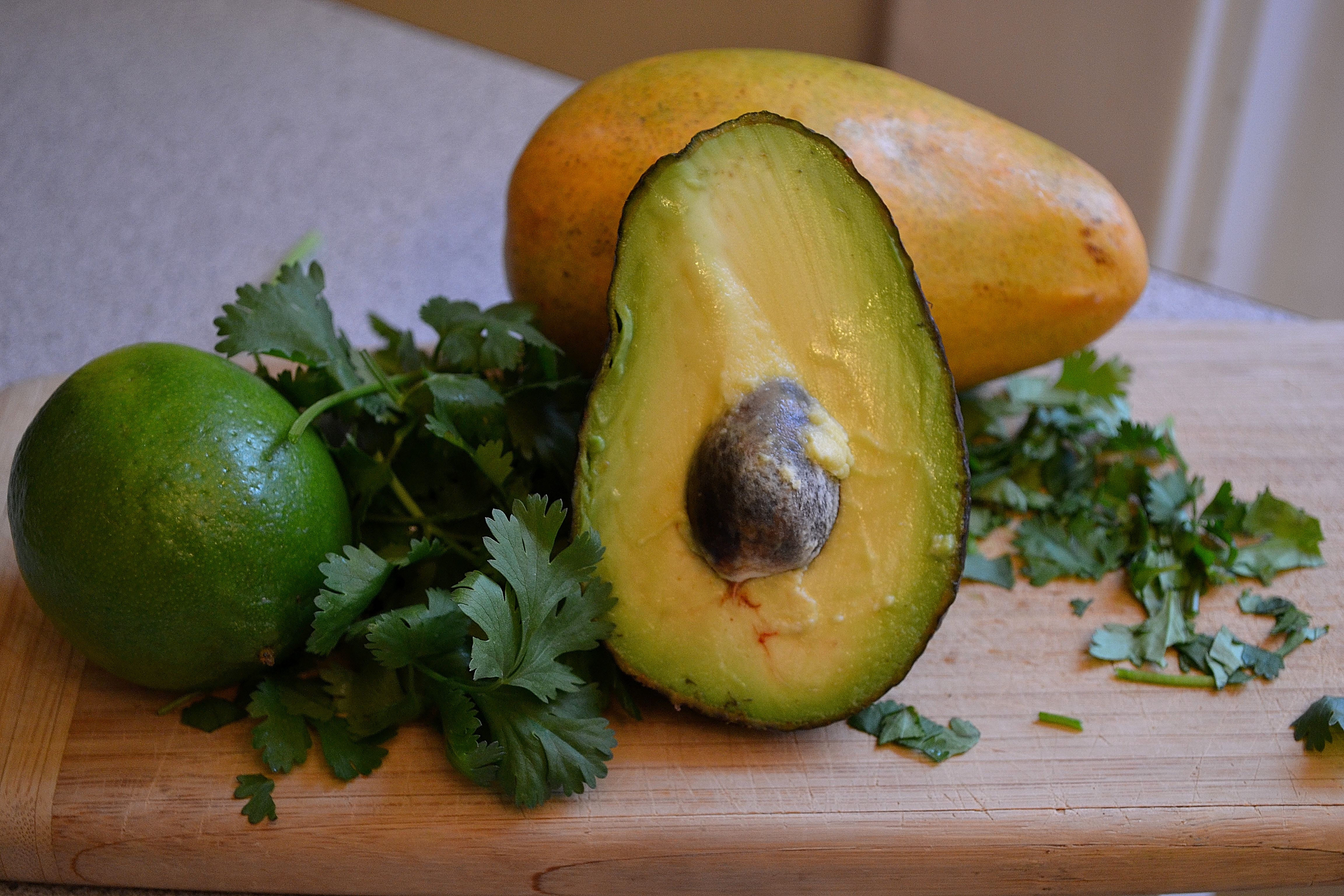
This was actually a very simple dish to make. I had poured over a number of salsa variations earlier in the day, and was unable to decide on one or the other. As such, I chose a hybrid of several recipes (a dash Martha Stewart with a taste of Southern Living). The thought of a fresh, light salsa seemed ideal for this roomie night, and what better pairing with such a colorful relish than tilapia? A light chardonnay with a side salad made for the perfect meal. Granted, our “chick flick” of choice features two ladies whose diet consists of pizza and pop tarts (and yet they STILL look great!) But I imagine the Gilmore Girls would appreciate these roomie nights, even if the food goes above their own culinary efforts. I intentionally made more salsa than needed so we could enjoy it with chips as well. Trust me – this salsa is FANTASTIC, and you’ll be wishing you made more after you’ve finished your fish. Click HERE to check out this recipe.
Now here was a tricky pairing – the “heroine” idea was a natural choice, but one glance at the classical music heroines reveals that “happily ever afters” are rare occurrences: Isolde from Wagner’s Tristan und Isolde, Mimì from Puccini’s La bohème, etc. Not quite the “roomie night” ideal, but c’est la vie. According to Dictionary.com, a heroine is “a woman of distinguished courage or ability, admired for her brave deeds…” In that sense, there is no doubt that opera is the strongest context. A “subtle” allusion to my recipe helped narrow down my choice to Georges Bizet’s Carmen – “a superstar among operatic heroines, her name forever spotlit in the general imagination.”* In this opera, Bizet paints the portrait of an alluring heroine whose unfettered love and fiery spirit have made her name a legend beyond the stage. I chose the most famous of the work’s arias, the Habanera, sometimes referred to as “L’amour est un oiseau rebelle” (“Love is a rebellious bird”)**. The following recording is of Maria Callas, arguably one of the most celebrated sopranos of our time. Enjoy!

Sources Cited:
* Alvarez, Maria. “Fatal attraction.” The Guardian
** “Habanera (aria).” Wikipedia.com

Rain, Risotto, and a Romantic

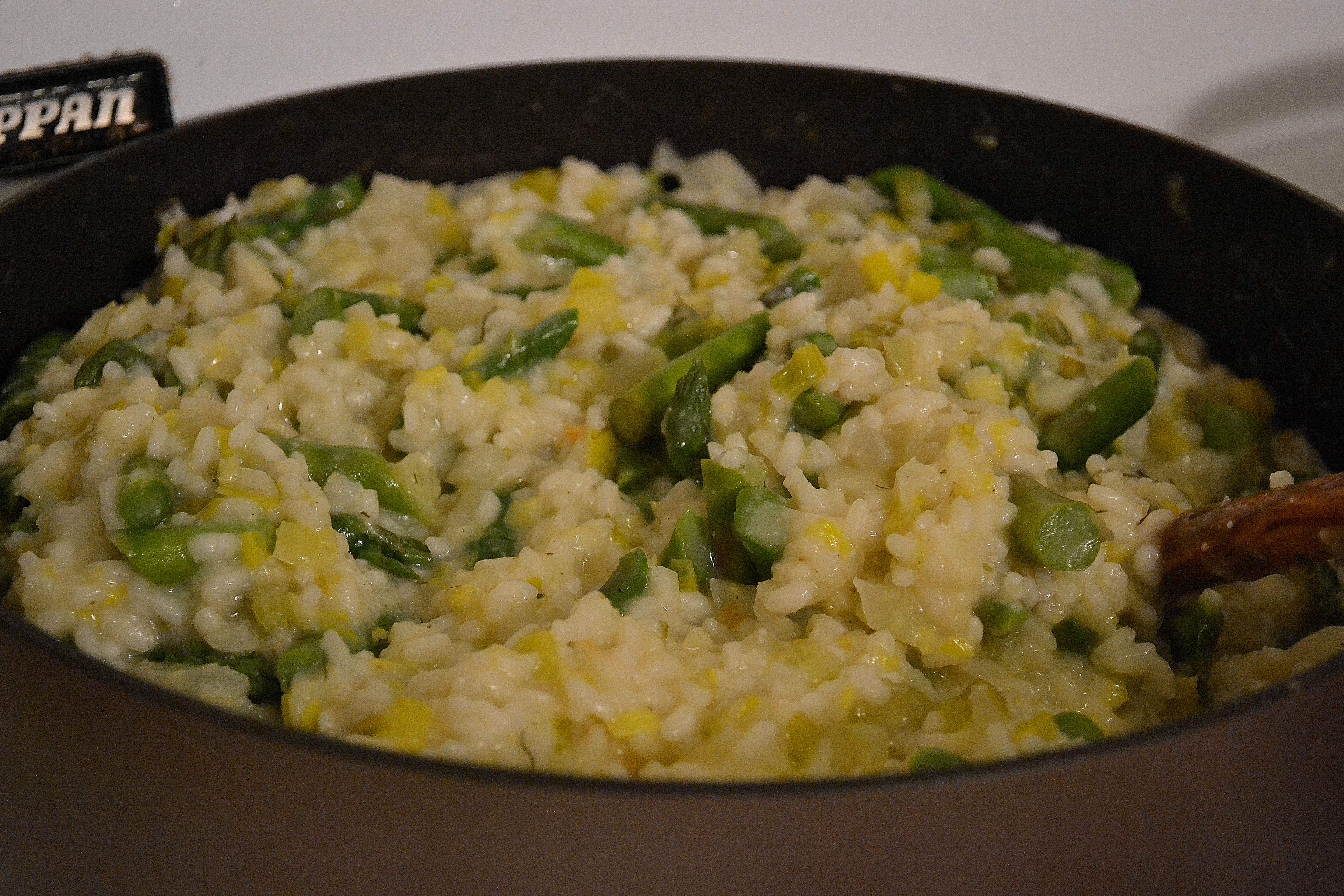
This menu was inspired by a season that we New Englanders have become accustomed to NOT seeing: Spring. It is said that March in Boston can be as unpredictable as the stock market, and 2011 was no exception. The day I made this lovely meal (April 1st) just so happened to be a day of freezing sleet and snow – April Fool’s? Unfortunately not…nonetheless, I wasn’t about to let the slushy sidewalks chill my springtime spirit. Such is life in New England, and the reason (I believe) that warm, hearty dishes are an essential asset to surviving the final days of winter’s tyranny. So I turned to one of my greatest cooking inspirations, the Barefoot Contessa (though I wouldn’t be caught dead barefoot in this weather…). As always, she had the perfect dish: Spring Green Risotto – even saying that title made the sky seem less bleak. Unless going for a meatless main, I suggest pairing this with roasted salmon – trust me, you won’t regret it.
While the bulk of food history is “bland” (no pun intended), Risotto does provide a colorful story. Wars of expansion by North African states in the 9th century placed parts of southern Italy under Arab control. Though short-lived, Islamic rule in southern Italy left a strong impression on regional agriculture. Evidence of this can be found through two notable introductions: Asiatic rice and saffron (according to Wikipedia).
(Even though this next part is urban legend, it makes this dish ten times cooler) Jumping ahead to the 16th century, we meet a young apprentice named Valerius. Valerius had been given the task of creating stained glass windows for the Cathedral of Milan. The vivid colors and bright palettes he produced for the windows invoked ridicule from local townsmen – they claimed he was using “saffron” to achieve such a brilliant effect (not sure why this was teasing material, but it was the 16th century I guess…) Vowing revenge, Valerius decided to add an excessive amount of the spice to the main rice dish at his master’s wedding! You can imagine Valerius’s surprise when, expecting disgust and outrage, it was unanimously proclaimed as the best dish of the meal (according to eHow.com).
While this particular recipe exempts the traditional use of saffron, the spice is not missed. With every spring vegetable imaginable, this risotto is a fantastic way to bring back memories of warmer days – fennel, leeks, asparagus, and peas. A word of caution: risotto is a dish best made slow. Arborio rice is starchier variety than its long-grained cousin, and produces a creamy, flavorful result when paired with broth and aromatics. Ensuring the rice absorbs the liquid at the proper rate is thus a crucial part of the process. Treat this dish like you would a three-year-old: with patience and constant supervision. You can find the recipe HERE. As I mentioned, the flavors of this dish pairs beautifully with roasted salmon. I also made a side of Braised Carrots and Parsnips with Crispy Sage – excellent recipe! You can find that recipe HERE.
In the spirit of “spring”, I could only choose the composer whose interpretation of nature even Disney couldn’t ignore (see Fantasia, the original): Beethoven. His Symphony No. 6 in F Major, Op.68 is evidence to his love of the outdoors. Additionally, the first movement Erwachen heiterer Empfindungen bei der Ankunft auf dem Lande (Awakening of cheerful feelings upon arrival in the country) pairs beautifully with such a bright, vegetable-laden dish. I imagine there are those who wonder why I didn’t choose Gewitter, Sturm (Thunderstorm; Storm) given the dreadful weather, but this post was a wish for the sunnier days of spring. Now I don’t believe in miracles, but the gorgeous weather of April 2nd made me believe that my prayers just might have been heard. A note about the video link: the orchestra is not listed, but it was the best quality recording I could find (such is the consequence of having to use YouTube). They do pair it with pictures of “nature” though, so that’s an added bonus to my blog’s theme I guess. Enjoy!