A Flavorful Duality

With the onset of Fall, we find ourselves turning towards heartier fare in anticipation of the colder weather: filling stews, creamy soups, baked pastas, etc. Many assume that winter meals translate into fatty, less-healthy options than the summer’s alternatives. Thanksgiving (just around the corner) does very little to diminish these concerns. Nonetheless, there are plenty of healthy options that provide a cozy complement to the colder nights. This dish is certainly one of them, and is surprisingly flavorful! I doubled the recipe knowing that I would be serving a crowd, and there still ended up being tons of leftovers! For a healthier way to warm up and still feel sated, look no farther than this amazing French Lentil Salad.
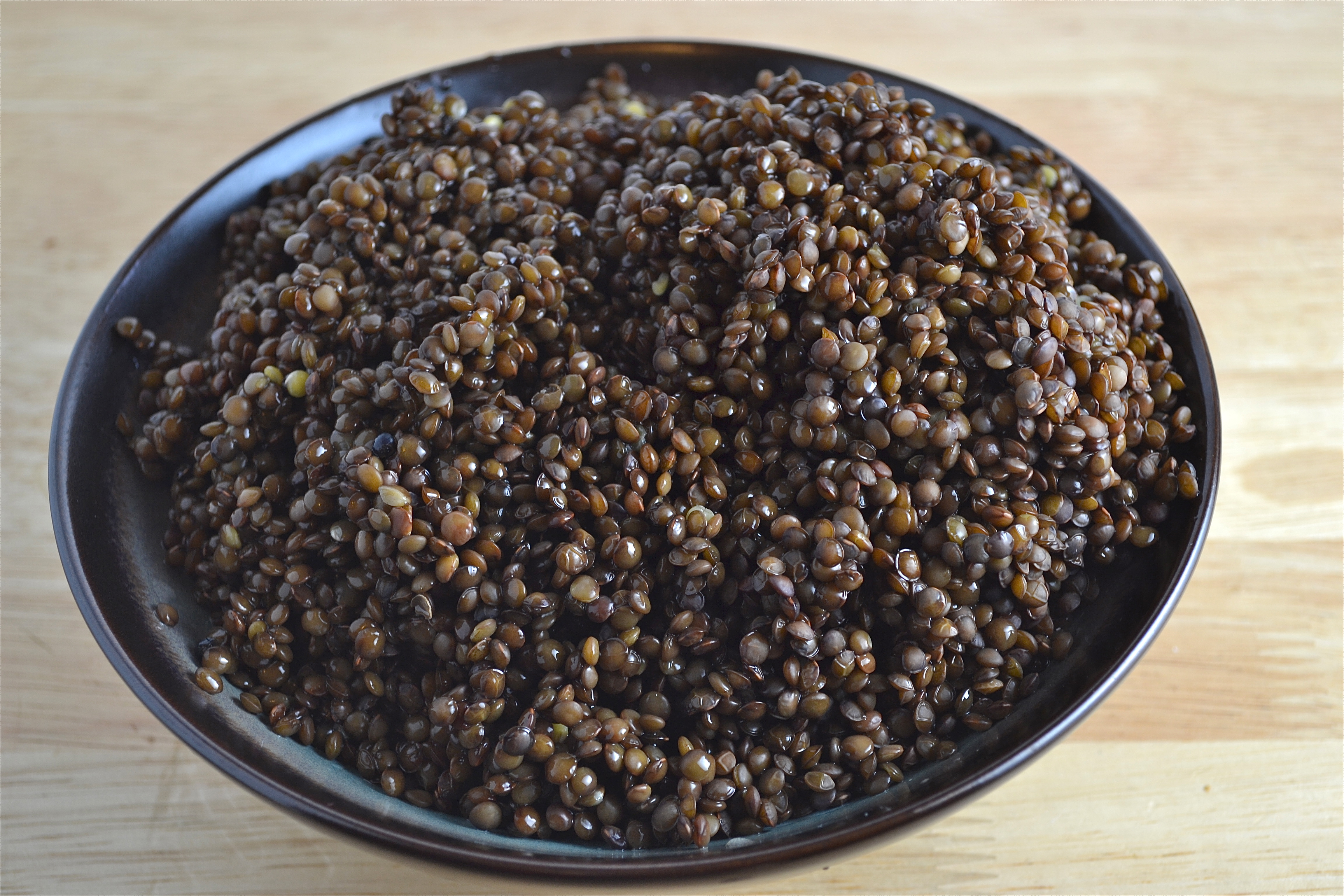
The internet is addicting – we all know this. Yet the more inundated we become with information and options, I find the old-fashioned method for recipe searches to be far more satisfying – good old cookbooks. I have WAY too many (a point I’ve made countless times on this blog) and should use them more than I actually do. Thank God I decided to for this recipe – Dorie Greenspan, once again, proves her genius in this dish. Lentils are a tough ingredient, given they can easily become too mushy or lack complexity. These lentils were perfectly tender and extraordinarily complex. It was the first time I’ve cooked with black lentils (she calls for French green lentils, but these are an apt substitute) and I have officially fallen in love with their earthy taste.
I credit the complexity in this dish to the cognac. You can use any brand, but I wanted the novelty of actually owning a bottle of Courvoisier – a drink that had become an outdated luxury until P.  Diddy released that hit single to bring it back into the limelight (this doesn’t necessarily mean I like the song, but it was the first time I heard about the drink). Adding the cognac is optional, but brings a bit of edge to the dish that is difficult to achieve in meatless entrees. Whether or not you choose to go with a pricier brandy is irrelevant, the result should be the same.
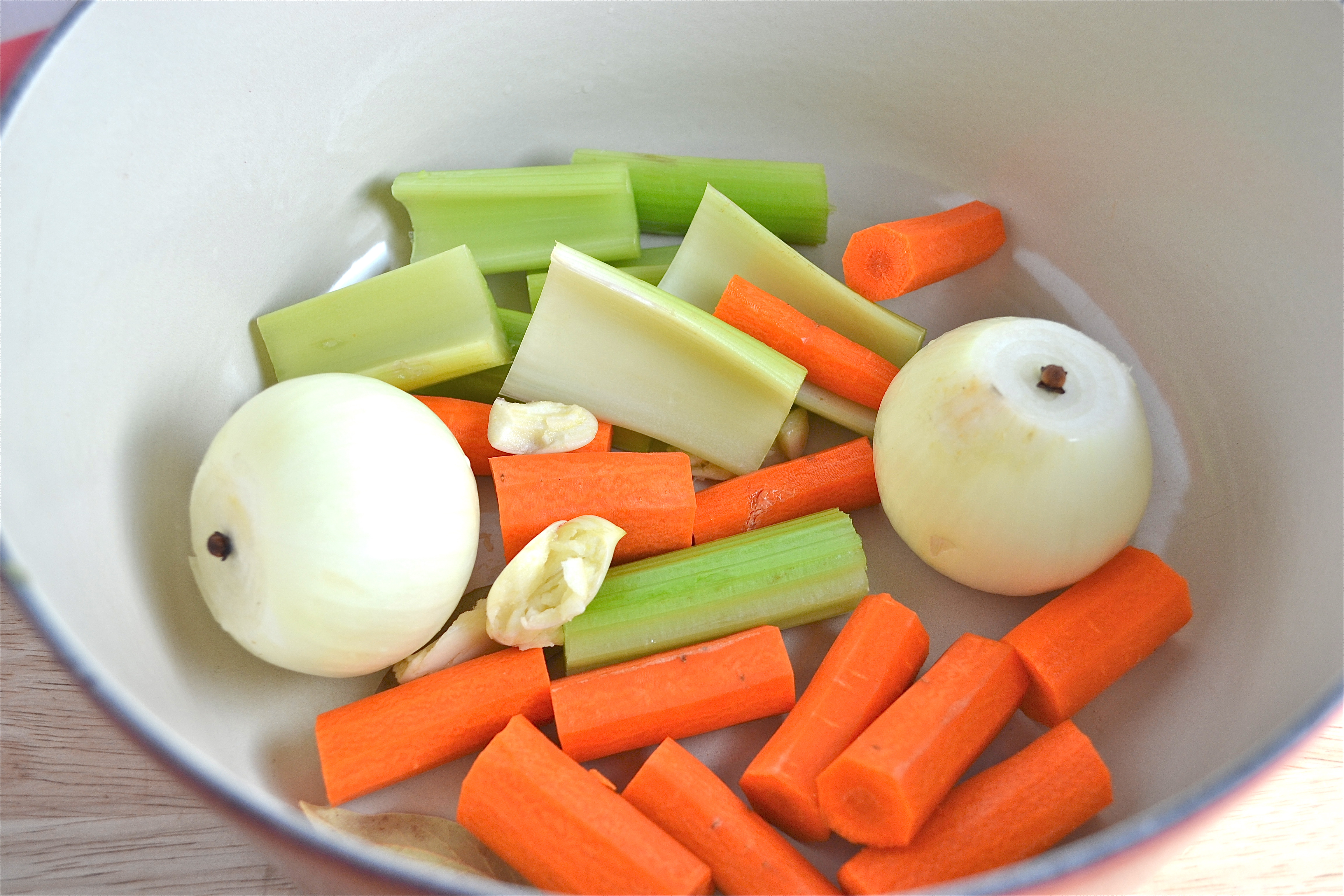
This is the first stew I’ve made where the vegetables are boiled whole, then chopped after the dish is done. I was apprehensive about not having the “caramelized” taste, but ended up being extremely pleased with the result. Including the vegetables (after chopping them) is optional, which I chose to do for added color and texture. That being said, those onions were NOT easy to cut – the outside skin becomes very slippery, so please be careful if you choose to include them. I also chose to include the vinaigrette Dorie recommends. The lentils are excellent on their own, but this dressing paired beautifully. This salad will probably become a go-to of mine for those colder nights, and perhaps paired with a short glass of Courvoisier. Click HERE to learn more about this filling yet healthy entree.
This dish was somewhat dichotomous, exhibiting both robust and subtle flavors – this brought to mind the music of Robert Schumann. His style was driven by dualities, ranging from intense passion to thoughtful tenderness. I chose his Piano Concerto in A minor, Op.54 to reflect on this eclectic style. Originally intended to be a Phantasie for piano and orchestra, Schumann’s wife Clara encouraged him to expand the work into an entire concerto. She was deeply moved (as were most listeners) by the integration of the solo line within the orchestral context. It is one of his more famous works, and the only piano concerto he ever completed. The following recording is with pianist Arthur Rubinstein – enjoy!

http://www.youtube.com/watch?v=gAEGdGu5200&feature=related

Sources Cited:
“SCHUMANN: Concerto in A minor for Piano and Orchestra, Opus 54,” San Francisco Symphony
A Master of Disguise

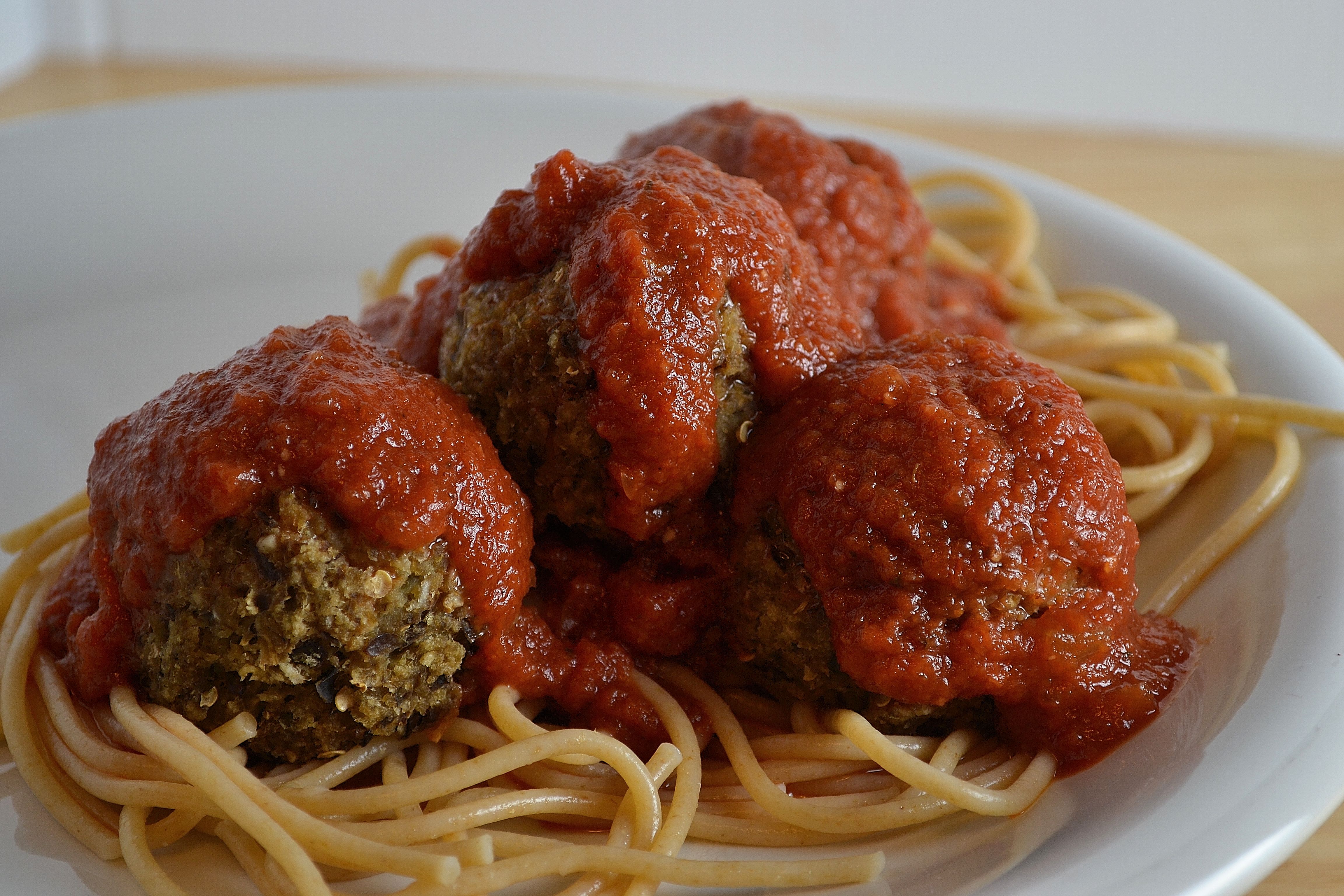
On first glance, you might actually be fooled into thinking these are just your average meatballs. But this dinner was made for a vegetarian: my buddy Tim (Albert was there too!) Before my carnivorous readers navigate away from this post, let me tell how how AMAZING these were! Both light and rich, these Eggplant “Meatballs” with Homemade Tomato Sauce were definitely a worthy substitute.
These are definitely a little time consuming, but the product is completely worth it. Having made vegan macaroni and cheese before, I knew that nutritional yeast was a great option for mimicking the flavor of cheese – it served as the “parmesan” in these meatballs. Panko along with Ener-G Egg Replacer were the binding agents. All in all, it was a surprisingly delicious outcome! This healthy alternative for meatballs is sure to please even the staunchest of carnivores – click HERE to check out this awesome recipe!
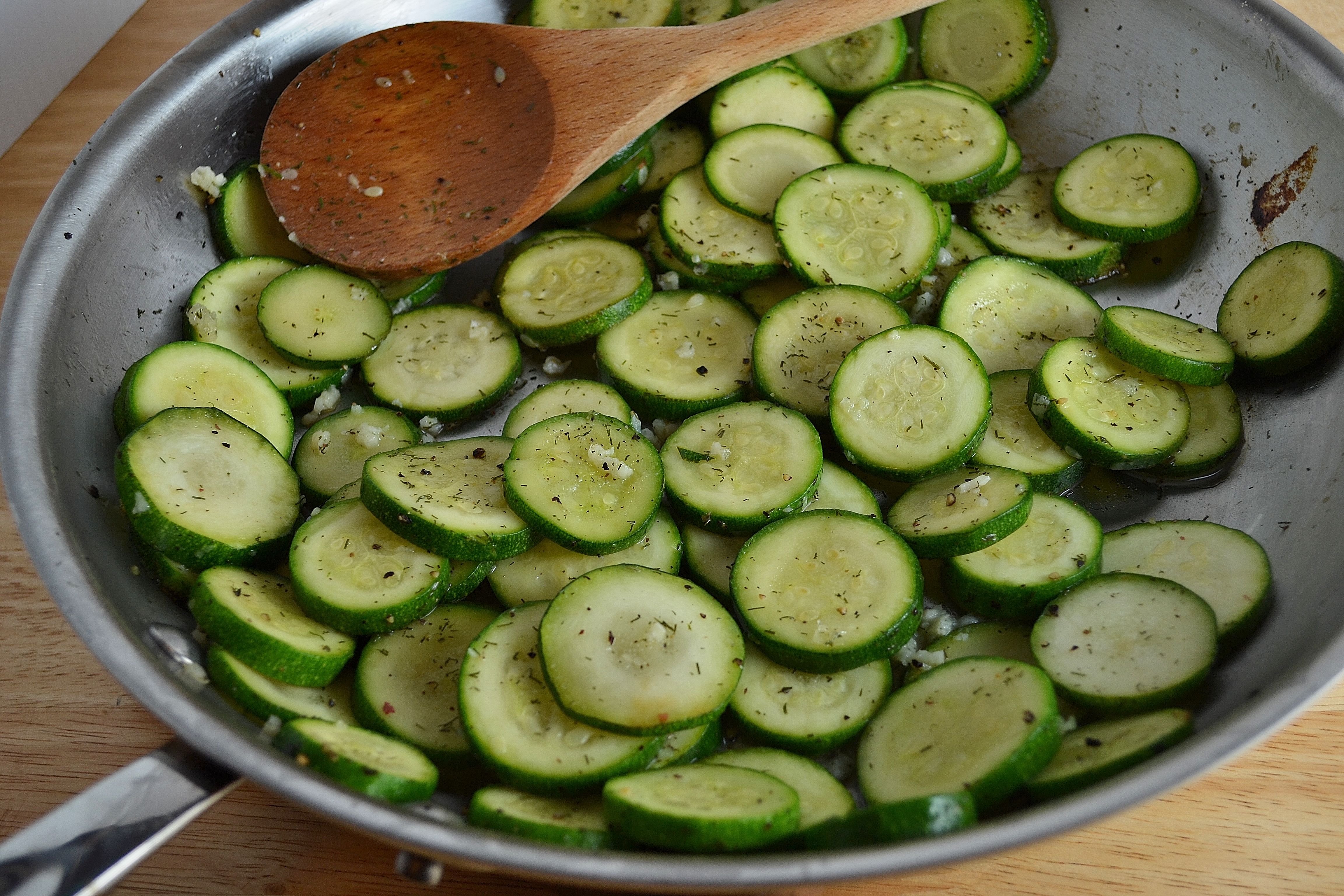
I also made a side of Lemon-Dill Zucchini that was extremely simple (you can also get a glimpse of my NEW All-Clad skillet – SO excited!) The zucchini at the market looked beautiful, so I couldn’t resist. Basically you just heat some oil in a large skillet, then add the zucchini slices with salt and pepper, and cook for about 5 minutes. Add some garlic, lemon, and dill and you’re set to go! Whatever you decide to pair with these meatballs, I’d suggest a simple green – you’re already going to be putting a lot of energy into the main course, so go easy on the side dish.
I wanted to pair these “meatballs” with a piece that also pulled off an ingenious disguise – the vegetarian of the evening, Tim Wilfong, naturally came up with the perfect piece: A Chloris, by Reynaldo Hahn. While this song may sound French, it was in fact written by a Venezuelan composer. Known for writing in the tradition of mélodie, Hahn was often confused for being a French composer. Another disguise to this pairing is the recording itself: the song is written for a woman, yet this recording is by a man – the countertenor Phillipe Jaroussky. While it can be argued that Hahn is a “worthy substitute” for a French composer, the latter comparison can best be addressed in Tim’s own words: “A man singing in a woman’s range…no one could ever say he’s a “substitute” for a woman, though!!!” Anyways, this is a beautiful piece, and I hope you enjoy!

http://www.youtube.com/watch?v=QamSjqX5ApM&feature=related

Sources Cited:
“Reynaldo Hahn,” Wikipedia.com

Food for the “Starving Artist”

Perhaps I’m old-fashioned, but I prefer to be surrounded by lots of people when serving good food. What’s the point of creating a masterpiece if it can’t be enjoyed by others? This need for expression is a quality I can blame on my musical training 🙂 Yet sometimes a group can become much bigger than anticipated, and what was supposed to be 5 people suddenly turns into 10. It’s times like this when I seek recipes that give the most bang for the buck, and the May 2011 issue of Cooking Light had just the answer: Maple-Mustard Chicken Thighs.
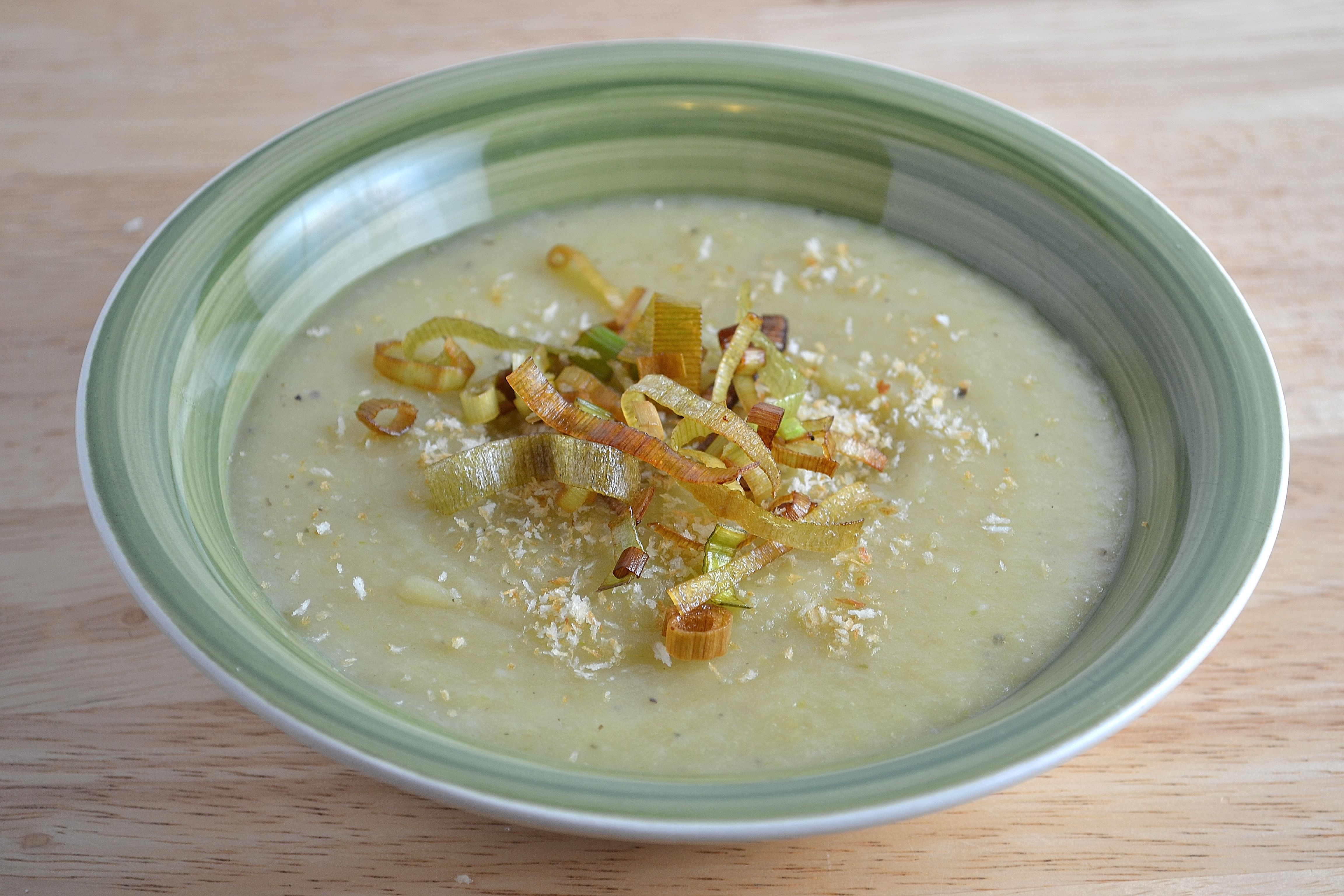
I can almost guarantee that 90% of the ingredients for this marinade are currently sitting in your pantry (I’m not counting those who only eat microwaveable meals, naturally). This is a fantastic sauce, with the perfect balance of sweet and spicy. I’m also a firm believer in chicken thighs as they are less costly and more tender than chicken breasts, so this meal was bound to please – click HERE to learn more about this budget-friendly and amazingly delicious dish! I served these with a side of Leek and Potato Soup that was quite flavorful (and vegan!) – click HERE to see the recipe for this dish. 
I couldn’t help but pair this meal with (for the second time in a row) a piece by Mozart. The concept of the “starving artist” is famously affiliated with Mozart, and his works are arguably staples of the classical repertoire (much like the ingredients of this dish are “pantry” staples themselves). When discussing Mozart’s hardships, his Requiem is more often than not central to the conversation. This meal was very good, but far too modest to pair with such an exalted work. That led me to the gorgeous motet Ave verum corpus in D major, K. 618 (which many believe to be a precursor to the Requiem). Under 50 measures in length, it is orchestrated for choir, string orchestra and organ. The beauty of this piece is how it attains depth through tranquility, and can reach right into the soul. I’ve included a recording featuring the choir and orchestra of Bayerischer Rundfunk(Bavarian Broadcasting) with Leonard Bernstein conducting – enjoy!

http://www.youtube.com/watch?v=6KUDs8KJc_c

Sources Cited:
“Ave verum corpus (Mozart),” Wikipedia.com

Making Meatless Count

I have a theory when it comes to cooking vegan: make it count. Vegan fare should fully outshine the fact that it is without meat, so I take explore a number of ways to do this: flavor, aesthetic, novelty, heartiness, etc. I’ve mentioned my neighbors who are vegetarian by choice, and I love having the chance to cook wholesome dinners with them. But my self-challenge in vegan cooking is to hook the non-veggies who swear by bacon, and this Moroccan Butternut Squash and Chickpea Tagine did just the trick.
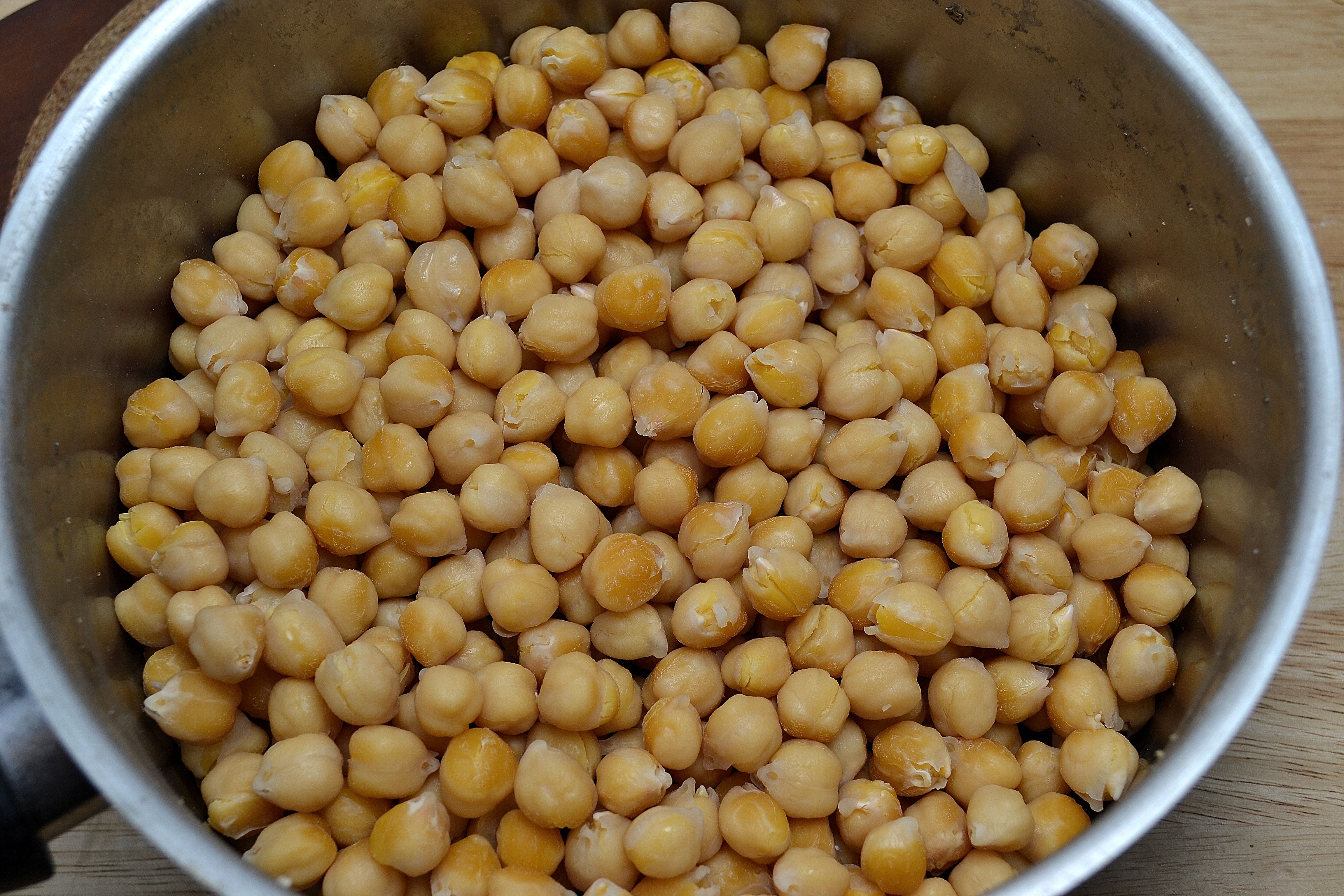
You may feel overwhelmed by the ingredients and step involved in this stew, but it’s a lot easier than it looks. The harissa, which you can buy from a store, is extremely simple to make and really gives this dish that extra umph! The other cool ingredient in this dish is the preserved lemon – that may sound a little eery, but it did give this stew a fantastic edge. I’ve included a quicker version for preparing these in the recipe itself.  Canned chickpeas are also always an option, but there really is a special added value to taking the time to cook dried chickpeas. They take a while to soak (overnight), so put that into your prep work if planning on using dried.
Seeing as how I nearly tripled the original recipe, this made a LOT of food. I wanted to accommodate a sizable dinner party (9 people), and ended up with delicious leftovers for a few days after. I served this dish with a whole wheat couscous, but I imagine it would be equally delicious served with pita bread or over rice. Click HERE to make this vegan showstopper today!
For the musical pairing, I wanted to reflect on the complexity of flavors and components. That brought me to a work I had seen performed live a few years back: Tchaikovsky’s String Sextet in D minor “Souvenir de Florence”. The four movements are quite diverse in quality: the first movement, in D minor, opens the piece on an impassioned, almost violent note. The second movement settles into the relative F major, bringing the timbre back to a calmer state. The latter two movements assume a Russian feel, with a third movement that’s almost playful transitioning into a driven, frantic fourth. This divergence of style made it the perfect match for the complexity of this dish – included is the actual performance of the work I experienced by Boston’s very own A Far Cry ensemble (arranged for chamber orchestra). I’ve included the fourth movement below – enjoy!

http://www.youtube.com/watch?v=JUmxHXsxsug

Sources Cited:
“Souvenir de Florence,” Wikipedia.com

I Can’t Believe it’s not Cheese!

We all love the familiarity of a creamy bowl of macaroni and cheese. There really is nothing quite like it. I’m not talking about those blue boxes of Kraft – I mean the real deal. So you can imagine my curiosity when I came across a vegan recipe for Macaroni and “Cheese” that claimed to be practically indistinguishable from the original.
I’m not a big fan of soy cheeses, but not neither is this recipe. It relies on two “secret” ingredients – ground cashews and nutritional yeast. The second one may have you running in terror, but consider the following: it is a pure, inactive strain of the yeast Saccharomyces cerevisiae; the same used to brew beer and make wine. This ingredient is primarily used for its flavor, yet is also a great source of vitamin B12 for vegans. It is crucial to achieving the right taste in this dish, and it comes pretty darn close to mac and “cheese”
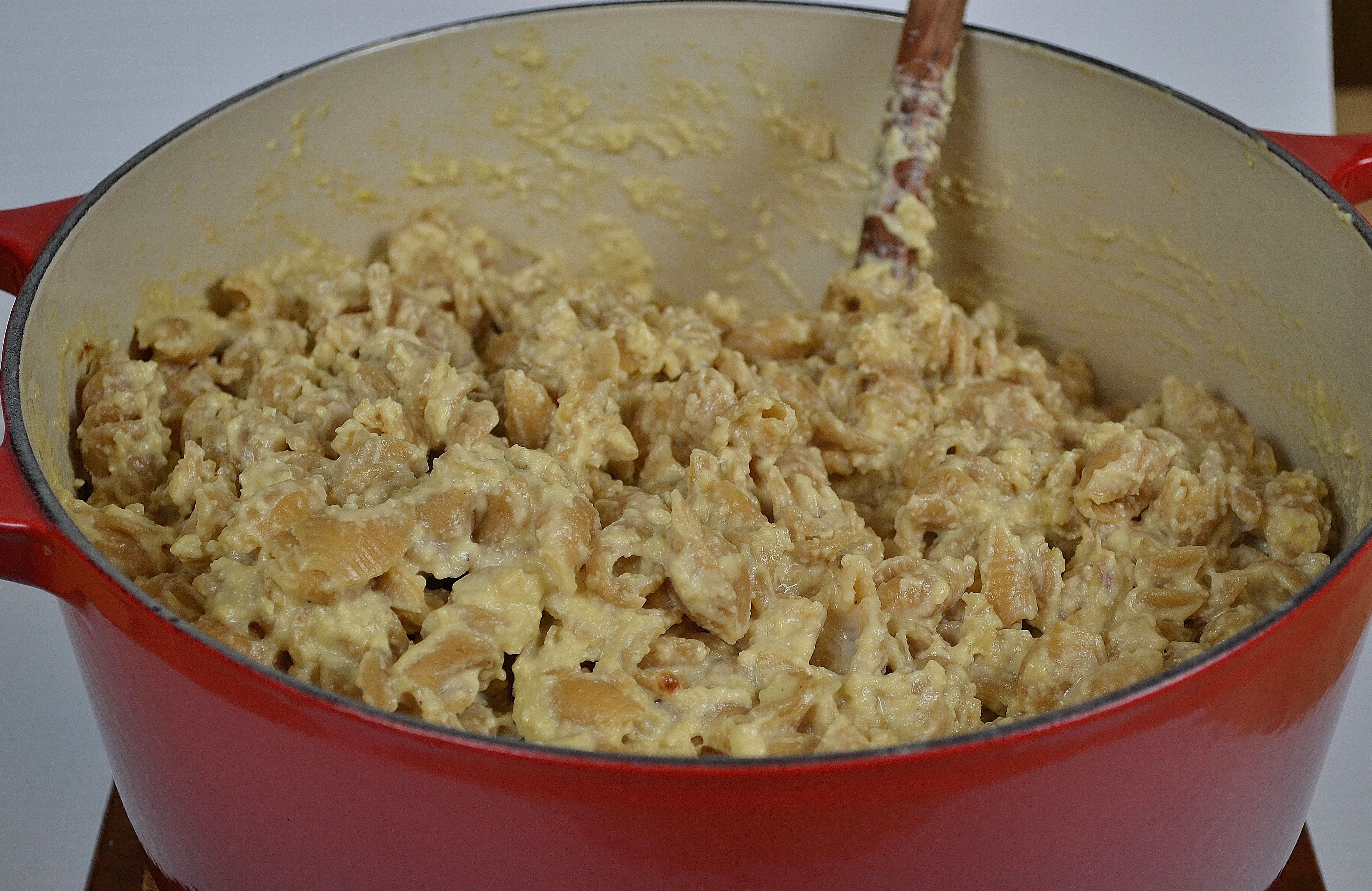
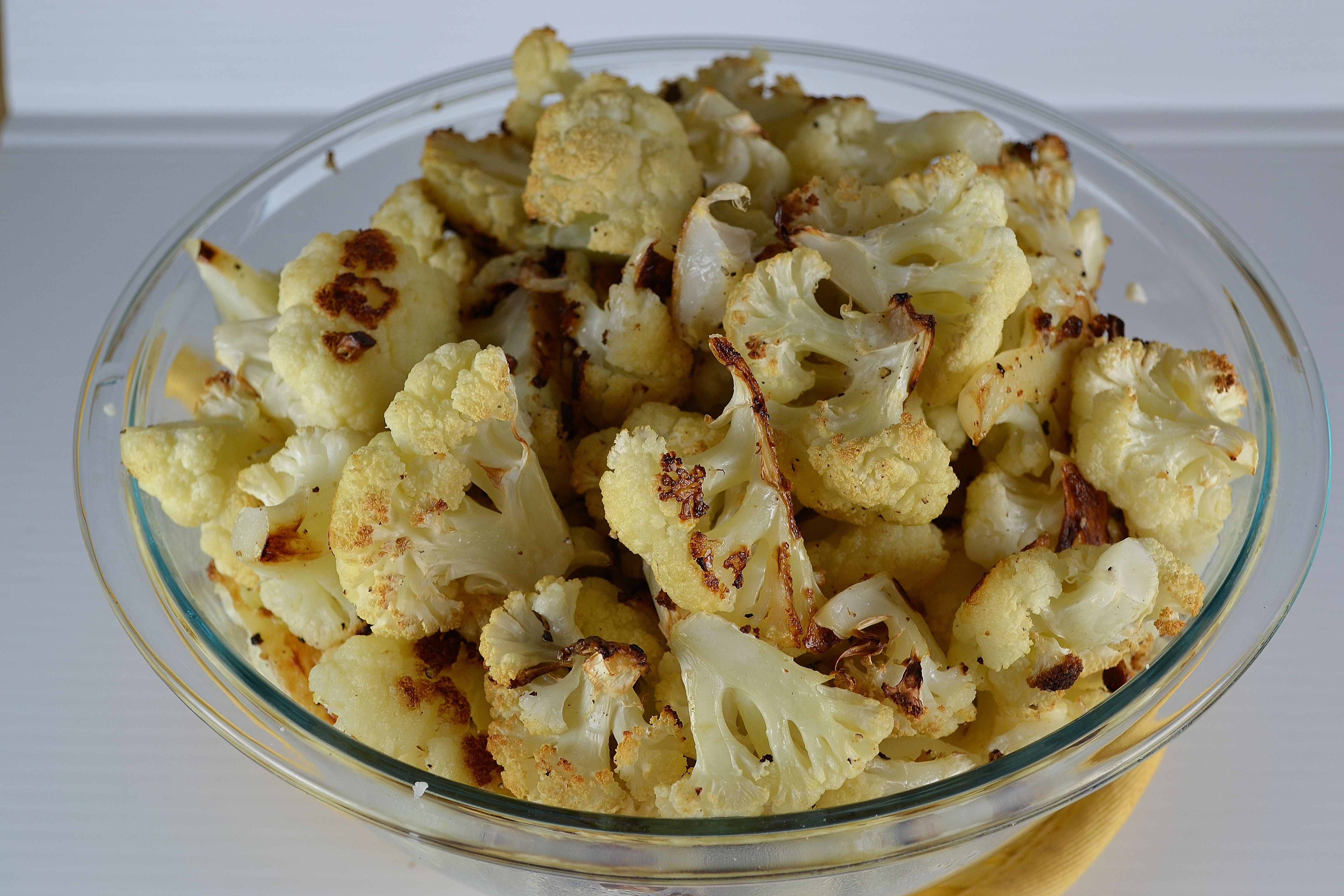
While this dish may sound complicated, it’s incredibly simple. The sauce is combined in a processor, then heated briefly before being added to the pasta. I’ll admit – I was apprehensive about the potential of this, but once again had surprised carnivores reaching for seconds. I can’t vouch for those who are enamored with the Kraft variety, but recommend this highly to anyone looking for a new twist on an American classic – click HERE to make this “cheesy” dish! I also made my favorite roasted cauliflower recipe (primarily to utilize my new lighting set!) which you can find the recipe for HERE.     
The “minimal” effort of this dish, and it subsequently rich flavor, led me to a lesser known category of classical music: the minimalists. Minimal music was a style that emerged in Western music around the mid-1900s. Terms to describe this style are conceptual, limited, continual, patterned, etc. I decided this dish’s pairing would be best with a composer who could appreciate its vegan qualities, so I went with self-ascribed vegetarian Philip Glass. To emphasize the depth of this simple dish, I went with his Song V from Songs and Poems for Solo Cello. Written between 2005 and 2007, this series was composed for acclaimed soloist Wendy Sutter (whose recording I’ve included below). While it’s a very “minimal” work, it is quite beautiful. Enjoy!

http://www.youtube.com/watch?v=Cowfr10p-no

Sources Cited:
“Nutritional Yeast.” BestNaturalFoods.com 
“Minimal Music,” Wikipedia.com 

Beating the Summer Heat

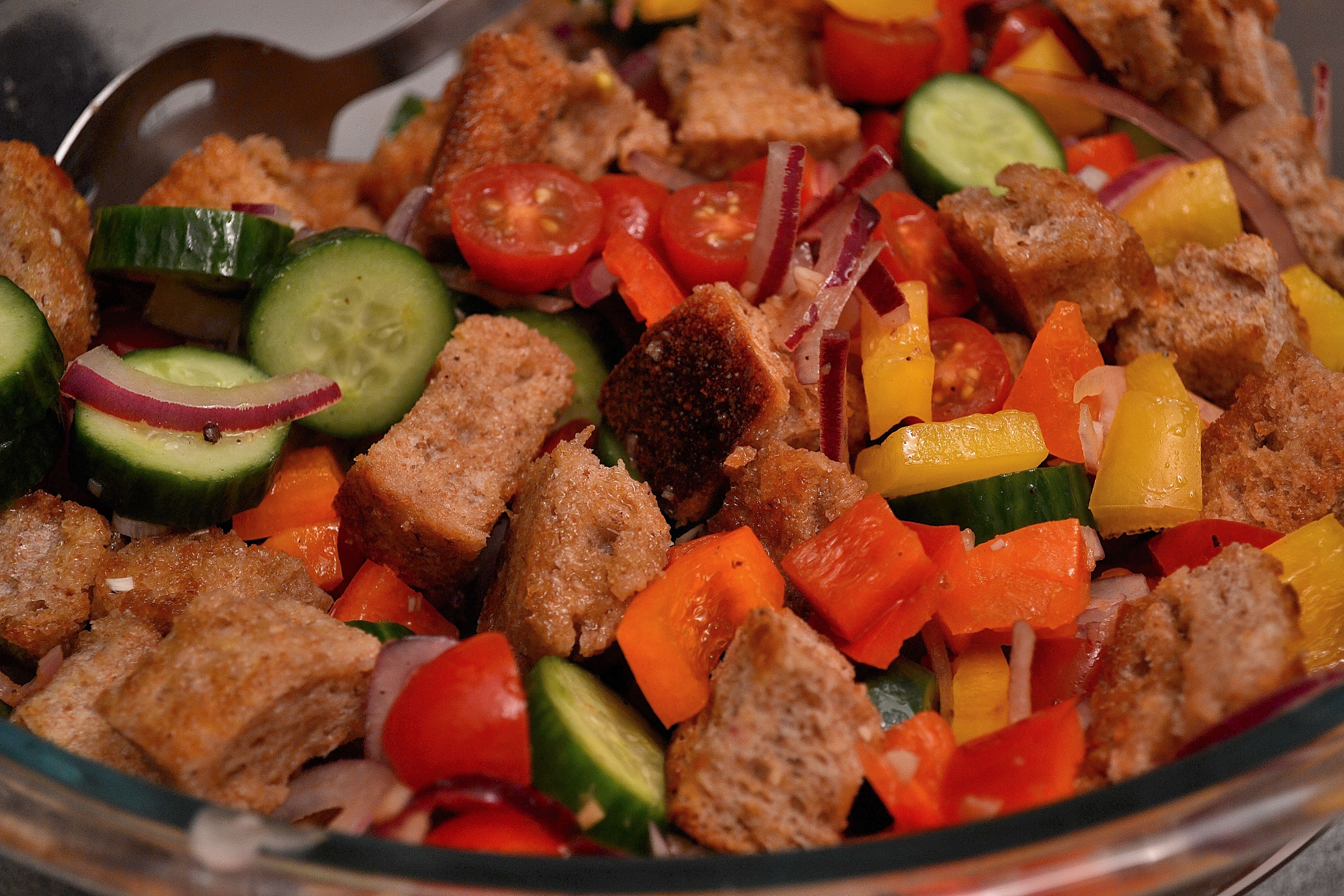
Several weeks ago, I went camping in New Hampshire with two great guy friends. While I was willing to rough it out with the no shower/bed situation, there are certain things I can’t sacrifice; cooking is (obviously) one of them. This led me to buy a Coleman propane grill – fast forward to being back in Boston. It was miserably hot on the night I was supposed to have friends for dinner, and the oven was the last thing I wanted to have on. This little grill came to my rescue, and gave me the perfect opportunity to create Grilled Chicken with Dijon-Thyme Marinade, with which I paired a colorful Panzanella Salad.
The marinade was sort of a creation I made up. I have researched countless recipes in the past, so I had a pretty good idea about proportions and such. I love the look of whole grain mustard, so I highly recommend using it if you can. While dried thyme can be used, the depth of flavor fresh provides make it worth the purchase. The marinade bag-in-bowl trick is one I’ve used for other recipes (like this flank steak). It’s great given it fully coats the meat  with the marinade, and makes for extremely simple cleanup. Click HERE to see why this chicken has become a staple in my cooking repertoire.  
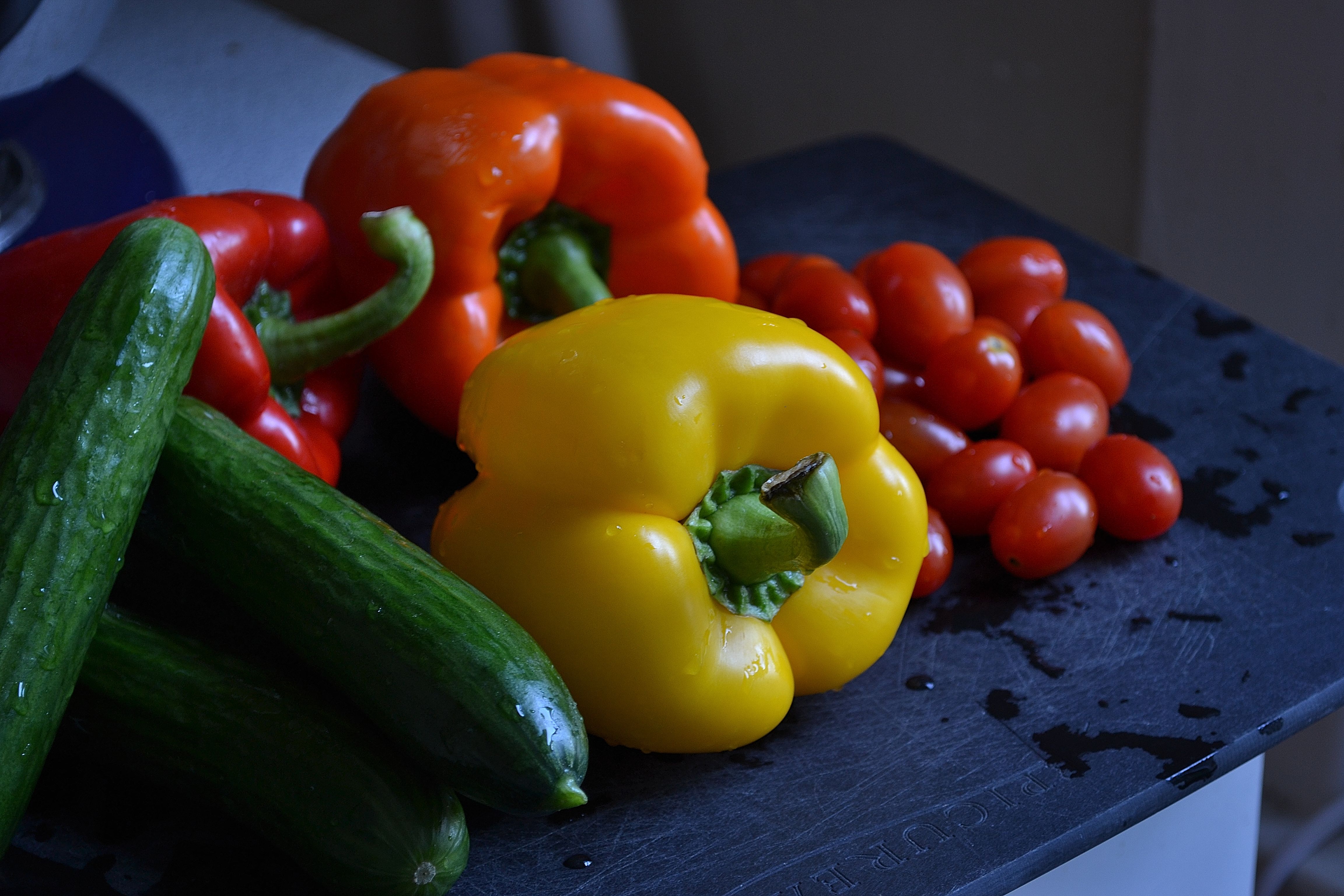
This Panzanella Salad was a random experiment. Having already made countless salads this summer, I wanted to try something different. Needing my “starch” component for this menu, it seemed like the perfect opportunity. What I love about this recipe is the colorful assembly of fresh vegetables – bell peppers, tomatoes, onions, cucumbers, and more! There’s no limit to what vegetables can be used, making it perfect for any season.
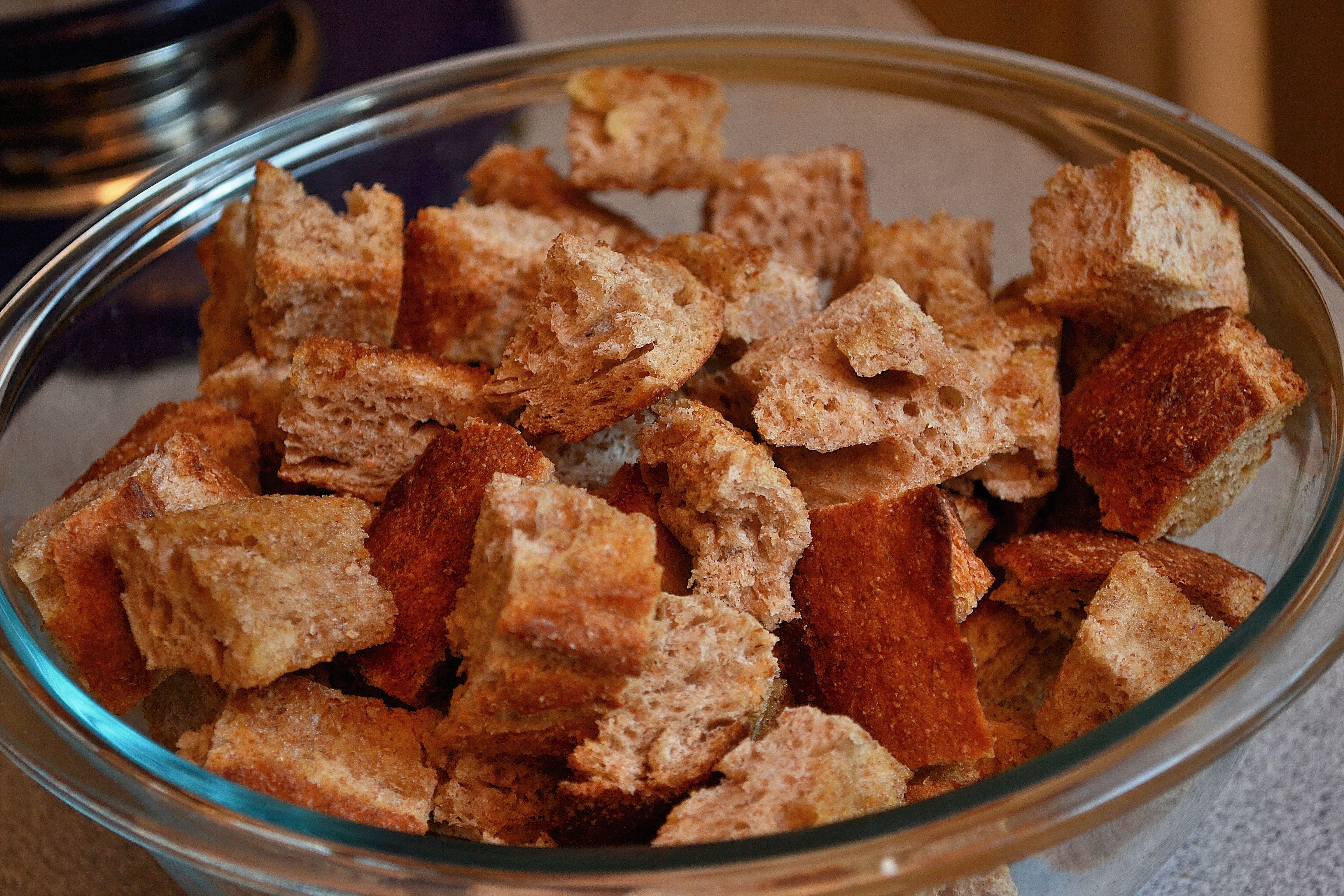
The fresh, bright taste of this salad is phenomenal! While traditional Panzanella uses stale bread that has been soaked in water, I prefer the crisp freshness this recipe provides. By toasting the bread, it doesn’t become too soggy or fall apart. That being said, I should warn that this salad may not be for everyone – while I loved the novelty of it, there were those who weren’t quite as keen on the bread + salad component. Nonetheless, I recommend giving this a try – you might be surprised at how addicting this salad can be. Click HERE to learn how to make this cool, summery dish.  
For pairing these dishes, I decided to choose a recording that my friend Luke Reed (who was visiting) actually showed to us later that evening: ‘Ciaccona di Paradiso e dell’Inferno‘ (composer anonymous). All of the performers are wonderul, yet my main draw to this was the STUNNING countertenor Philippe Jaroussky. His voice is beyond words, with a crystal clarity that can melt your heart. Yet the video itself also contains a bit of comic flair, which in my eyes was perfect considering this dinner was an evening of laughter and silly YouTube videos. The recording is from a concert series with the early music ensemble L’Arpeggiata, led by Christina Theorbo. Their are some fascinating instruments, including the theorbo (played by Pluhar) and a wooden cornetto. I’ve included another recording from the concert, ‘Ciaccona‘ by Maurizio Cazzati, to showcase more of the musicians with the group. Enjoy!

http://www.youtube.com/watch?v=M9A-EbjwPhQ&feature=related
http://www.youtube.com/watch?v=8r4GM_VGVZ8&feature=related


An Angelic Affair

Last weekend, a group of friends decided to devote a Sunday afternoon to watching Angels in America: an HBO mini-series adapted from Tony Kushner’s play of the same name that focuses on the social and political consequences from the AIDs epidemic of the 1980s. Running at a total of 6 hours, we managed to watch only four the of the six chapters (watching the remaining 2 the next night). Seeing as how this 4 hours of material, we thought it could be fun to pair a meal with our viewing. Trying to be clever yet not too campy, we went for the following menu:

◊ Caprese Salad with Balsamic Vinegar
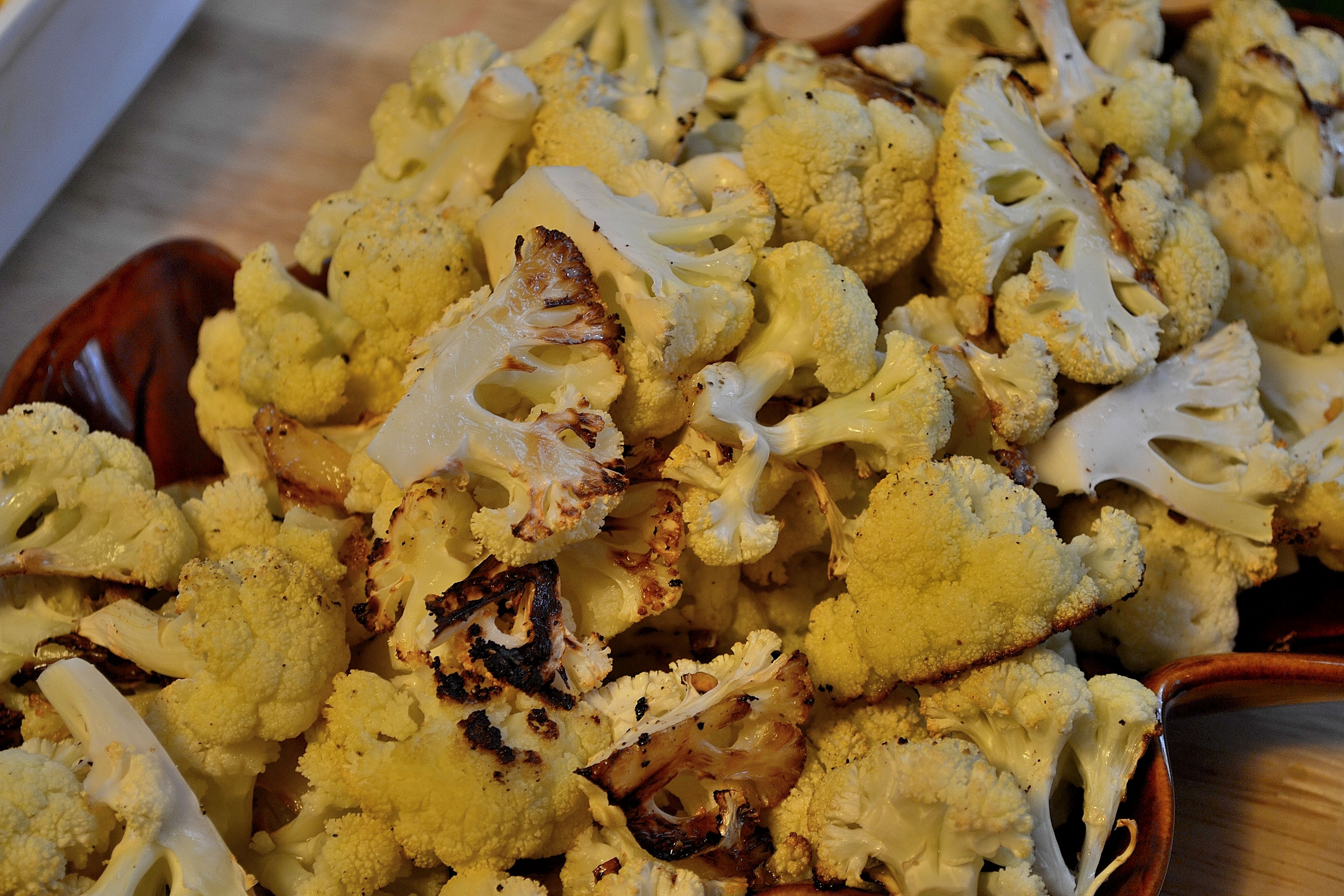
◊ Roasted Cauliflower
◊ Deviled Eggs with Curry and Paprika
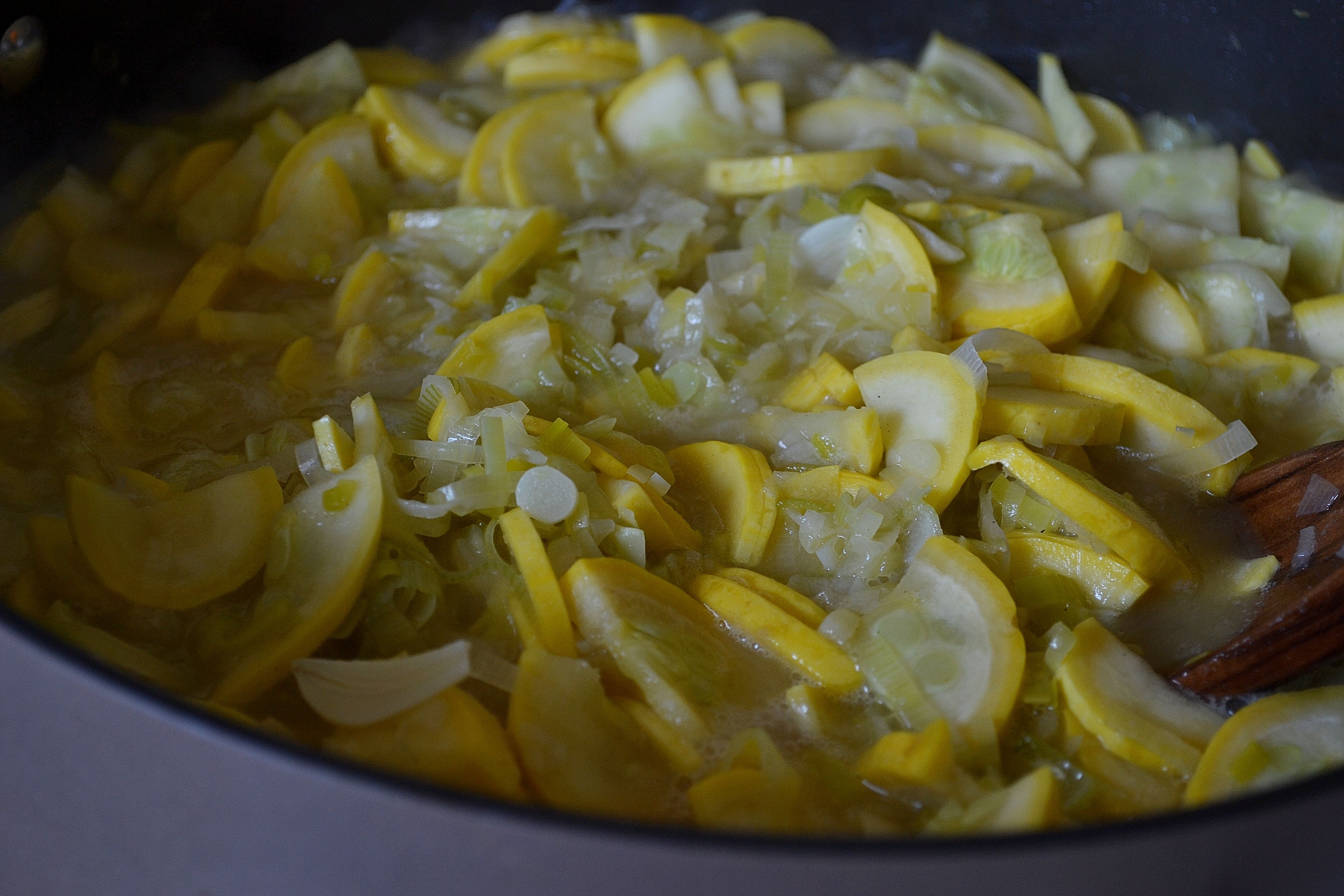
◊ Angel Hair Pasta with Leek-Squash Purée
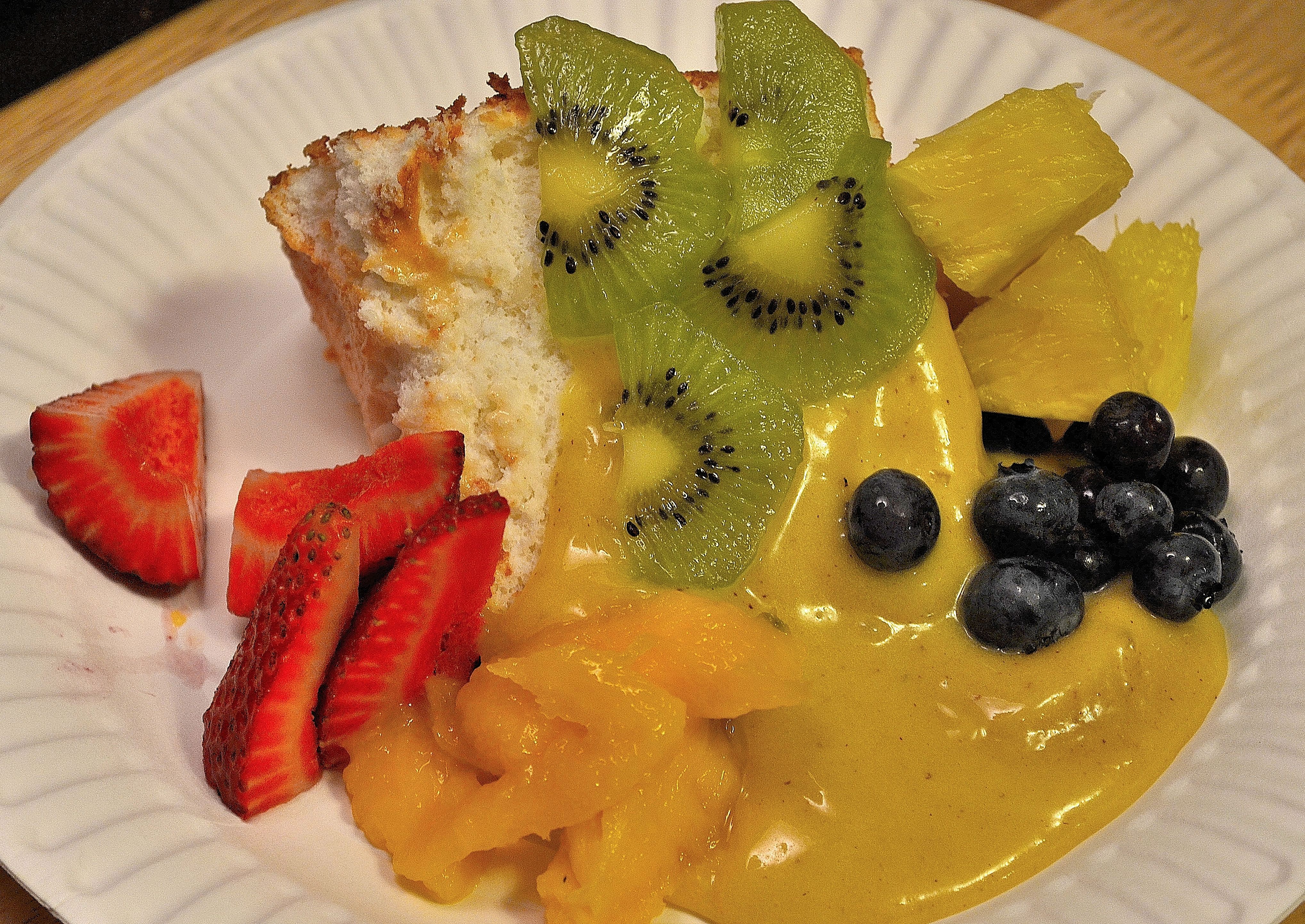
◊ Angel Food Cake with Lemon-Lime Curd and Fresh Fruit Assortment

While I would love to share all of these with you, I am only going to focus on three of the menu items, starting with the cauliflower – I love this recipe! The beauty of Roasted Cauliflower is that while it is utterly simple to do, the result is so addictive you’ll be going back for thirds. We paired it with this event given its “cloud-like” resemblance. Give this heavenly recipe a try by clicking HERE.
This next dish, Angel Hair Pasta with Leek-Squash Purée, will take a little more explanation than the cauliflower – let me start by saying, aside from being “Angel Hair Pasta”, this dish was an attempt to create a vegan pasta that even meatlovers could enjoy. I didn’t want the basic tomato sauce, and tossing the pasta with roasted vegetables also felt uninspiring. Walking through the aisle at my local co-op, I noticed all of the beautiful summer produce. It was then I happened on a thought: pureed vegetables…plus pasta…can it work? The answer is undeniably YES!
I chose a vegetarian warhorse: the leek. When sauteed, these onion-like vegetables take on a sweet, subtle taste with a butter-like texture; making them perfect for a “butter-less” sauce to go with pasta! Sort of sticking to the “angelic” theme, I wanted the second vegetable to also be light, making the summer squash that were buy 1 get 1 free an awesome coincidence! The rest of the recipe was pure improv – it basically was a soup that I added wine to for an extra edge of taste. I used my handy-dandy food processor, but feel free to an immersion or standing blender. Learn how to make this unique vegan pasta dish by clicking HERE.
You knew this last one had to be on the menu – it was too easy. A cake so beautifully white in color, with a texture equally light and fluffy, that is “must be fit for angels.” Angel Food Cake was thus the first pairing I came up with for this dinner. The cake is made with no butter or oil, only sugar, flour, and a TON of egg whites. The history of Angel Food Cake is relatively obscure, but most agree the cake’s origin was a frugal means of using up leftover whites (the yolks having been used for noodles, custards, etc).
Funny thing is, my predicament was the exact opposite. How was I going to use up 12 whole egg yolks?! The other half of this pairing was going to acknowledge the story’s prominent theme of same-sex relationships. Per the suggestion of my friend and CK regular Tim Wilfong, we selected a potpourri of colorful fruit to top the cake. Originally intending to just use whipped cream, I couldn’t shake the idea of wasting 12 whole yolks. The perfect solution was using the logic of its origins: custard. Having just bought a ton of limes and lemons from the store, a lemon-lime curd sounded all too perfect, and it was…almost too perfect…like we couldn’t stop eating the stuff kind of perfect. Click HERE to check out how to make this beautiful cake and custard duo (or to make use of an entire carton of eggs, in case you’re curious).
At first I thought I might pair an external work with these recipes, but then researched the actual soundtrack for the movie. It was nominated for the Grammy Award for Best Score Soundtrack Album for a Motion Picture, Television or Other Visual Media. The soundtrack was both composed and conducted by Thomas Newman. Newman’s film repertoire is quite impressive, with titles such as The Shawshank Redemption, The Green Mile, and Finding Nemo to his name. When I also saw that Steve Kujala (a jazz/contemporary flutist who I’ve long admired) is one of the performers, I knew I had to use this soundtrack for the musical pairing. Below is the opening title from the miniseries. Again, definitely check out this HBO series when you have the time – it is a beautiful story. Enjoy!

Sources Cited:
http://en.wikipedia.org/wiki/Angels_in_America_(TV_miniseries)
http://en.wikipedia.org/wiki/Thomas_Newman#Film_compositions

Carnival of the Cakes

I’ve been a little too excited about blogging on these two cake ideas. Mind you, I am always an advocate for taste over decoration…but every now and then I give in and run wild with cute frosting ideas. Two occasions merited these frivolous tendencies, and the result couldn’t have been cuter! The first was for the going-away celebration for my dear friend Jenny from work, and the second was for my friend Diana Wensley’s birthday party.
The Terrier Cupcakes were almost too cute to eat, while the Kermit the Frog Cake was a definite hit with Diana (a huge Muppets fan!). My piece of advice on decorative frosting: the freezer IS your best friend! Frost some, let it chill, frost some more, let it chill. Time and patience are the unwritten rules here, but they will make all the difference in the end result. The idea for the cupcakes came from this video, and the kermit design from this blog.
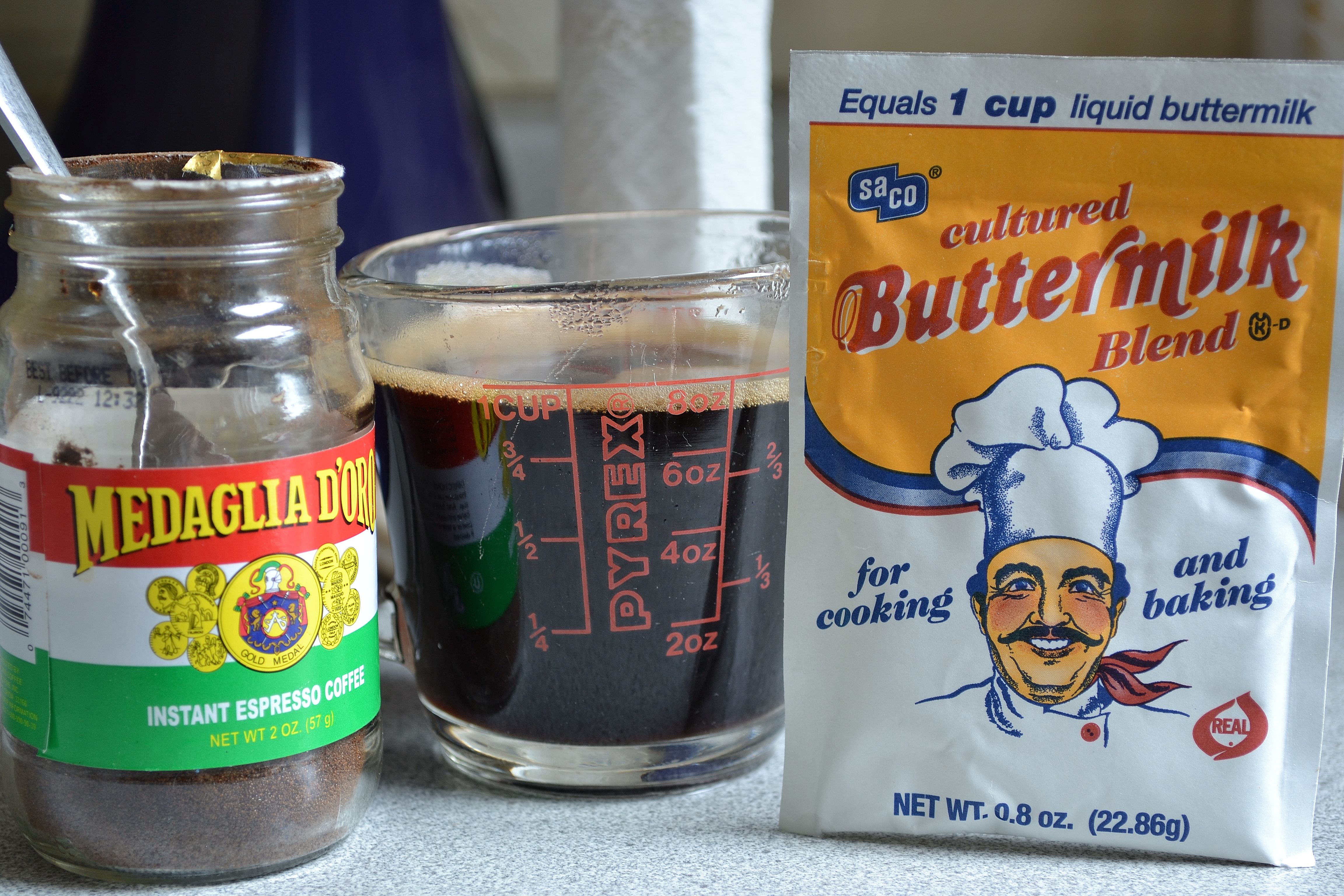
While design was clearly an incentive behind these two, I couldn’t abandon my standards on taste. As such, I used my go-to chocolate cake (a la Ina Garten) for both occasions. With coffee and buttermilk listed, this is a super rich dessert! These ingredients, though, represent two of the few instances where I take shortcuts in baking: instant espresso and powdered buttermilk. While I don’t recommend these for recipes where coffee and buttermilk are the key flavors, they are perfect companions to a recipe featuring more dominant ingredients (like chocolate!). Check out my chocolate cake staple by clicking HERE.
I also paired both of these cakes with cream cheese frosting (one of the easier frosting type to decorate with during the hot summer months – buttercream is definitely a bust). As for the other ingredients, the terrier cupcakes are made with: big marshmallows (snout), halved mini marshmallows (ears) with pink sprinkles, M&M candies (eyes), and chocolate-covered pomegranates (nose). I separated the frosting into three parts for the Kermit cake, using only green and red food coloring. The lines are upside-down chocolate chips.
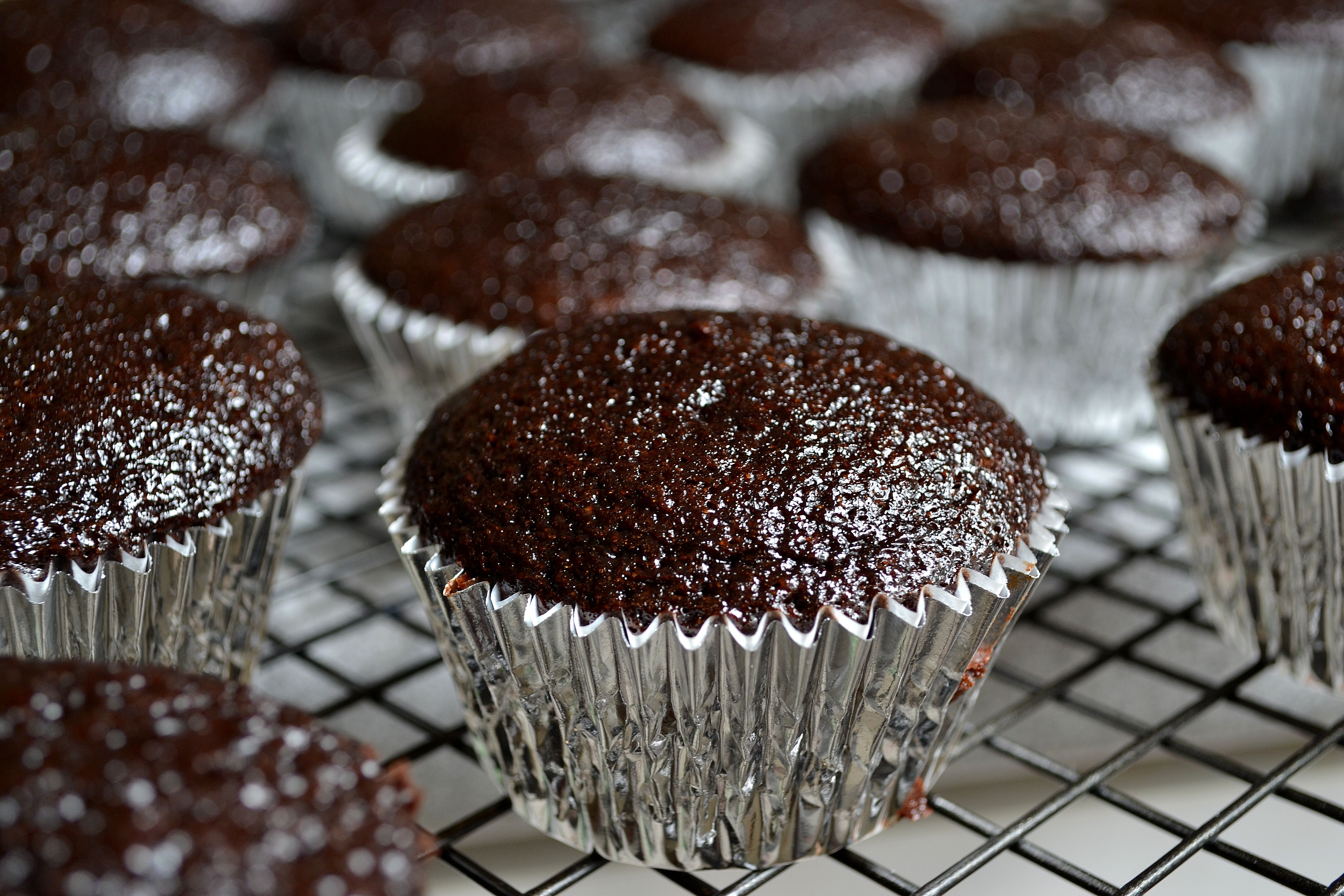
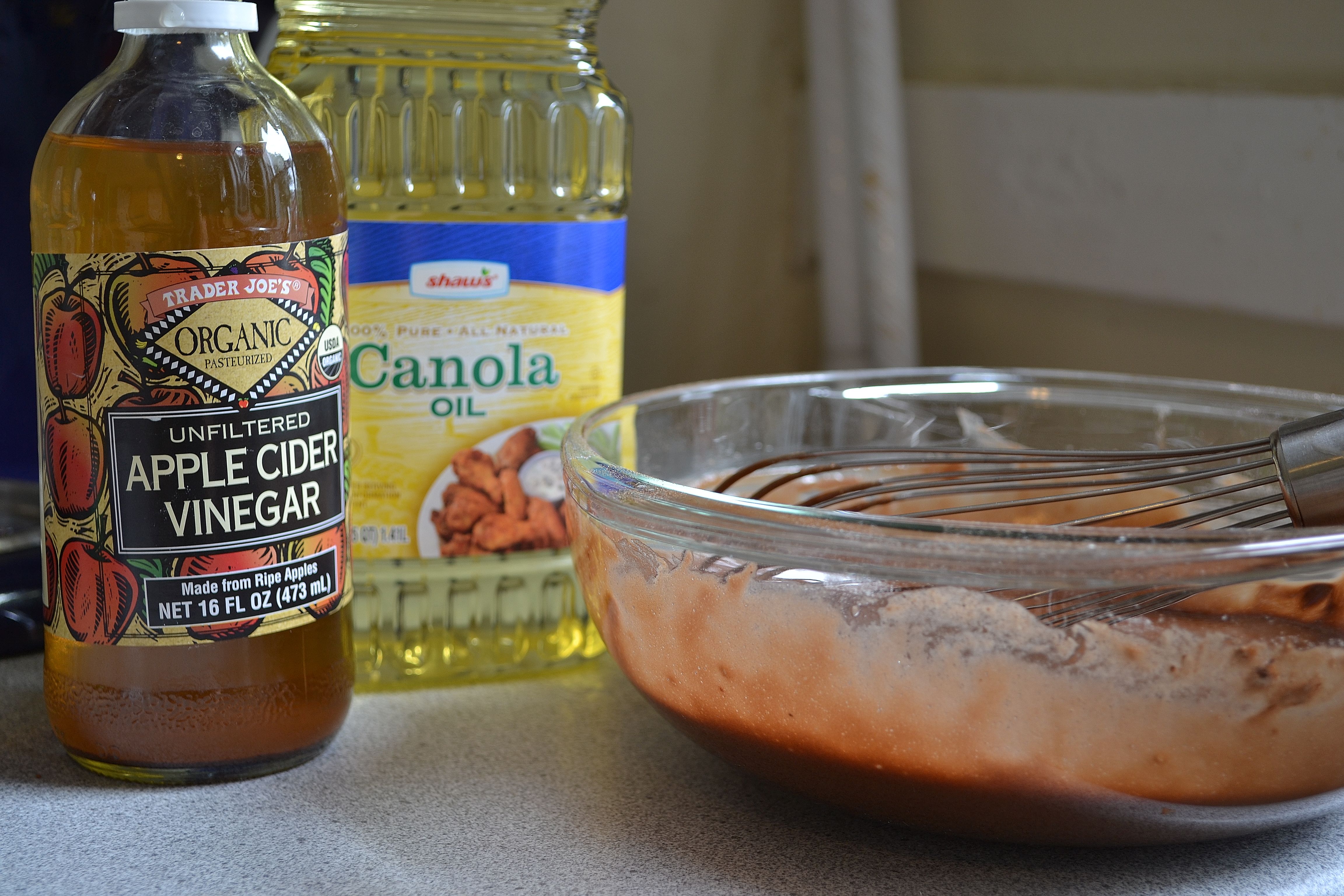
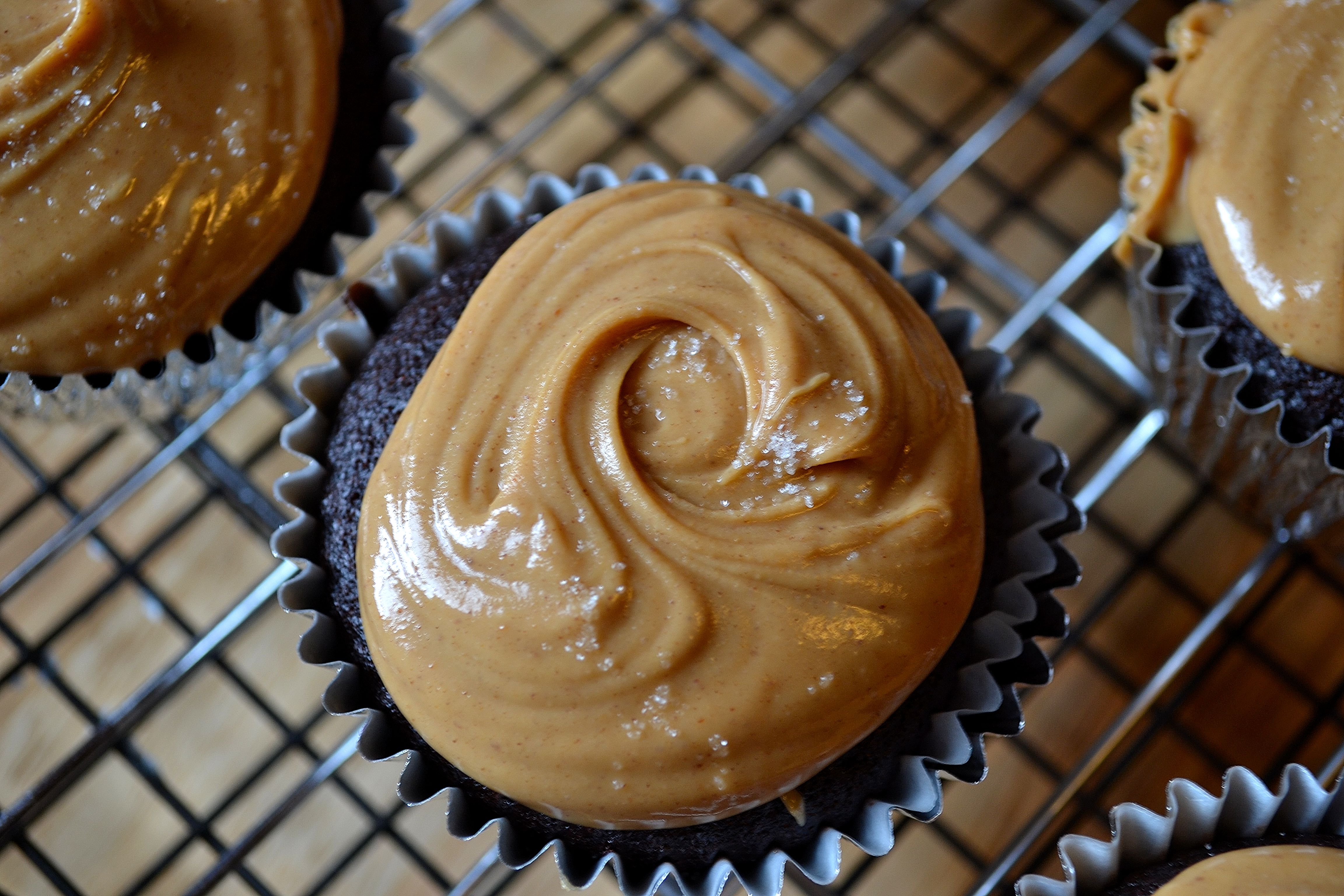
As a side note: there was another cupcake at the office party worth sharing – I have a vegan coworker, so I made a batch of vegan chocolate cakes that turned out remarkably well! While not frivolous in nature, these cupcakes were undeniably delicious in taste! They were super easy to make, and apple cider vinegar did wonders in making these look and taste like the real deal. The terrier cupcakes occupied the better chunk of my evening, so I made a simple swirl of peanut butter melted with honey for the topping – it was perfect! Check out these vegan delicacies by clicking HERE.
These adorable desserts deserved a piece that could represent both the spirit of their appearance and the enjoyment of their taste. Subletter Erin came to the rescue with the perfect suggestion: Le carnaval des animaux (The Carnival of the Animals), by Camille Saint-Saëns. Only 30 minutes in length, this suite consists of 14 separate movements that each represent a different type of animal. Much the way that I rarely indulge in “frivolous” decorating, Saint-Saëns was nervous this piece would debase his musical reputation. He only published one of the movements during his lifetime: “Le cygne” (The Swan), arguably the work’s most famous movement. The remainder of the work was published posthumously, and has since become one of his best-known works.* I’ve included the “Finale” movement, performed by the Chicago Symphony with James Levine for the Disney production Fantasia 2000 (which I recommend watching if you haven’t yet, even though they’ve made cuts throughout the works featured in the film). Enjoy!
http://www.youtube.com/watch?v=8W98Ig39f2U&feature=related

Sources Cited:
*”The Carnival of the Animals” Wikipedia.com

Summer Lovin’

Whether it be a picnic or a movie night, no summertime hang is complete without chips and dips. I’m not talking about those prepackaged salsas you can buy year round at the local corner store – I’m talking about dips that feature the fresh, colorful harvest of this season. Though the former is more convenient, the flavor and depth o the latter is far more enjoyable. I had a group of friends over the other day to watch one of my favorite Pixar films, Toy Story 3, and I decided to make two seasonal favorite of mine: Guacamole Auténtico and Mango Salsa.
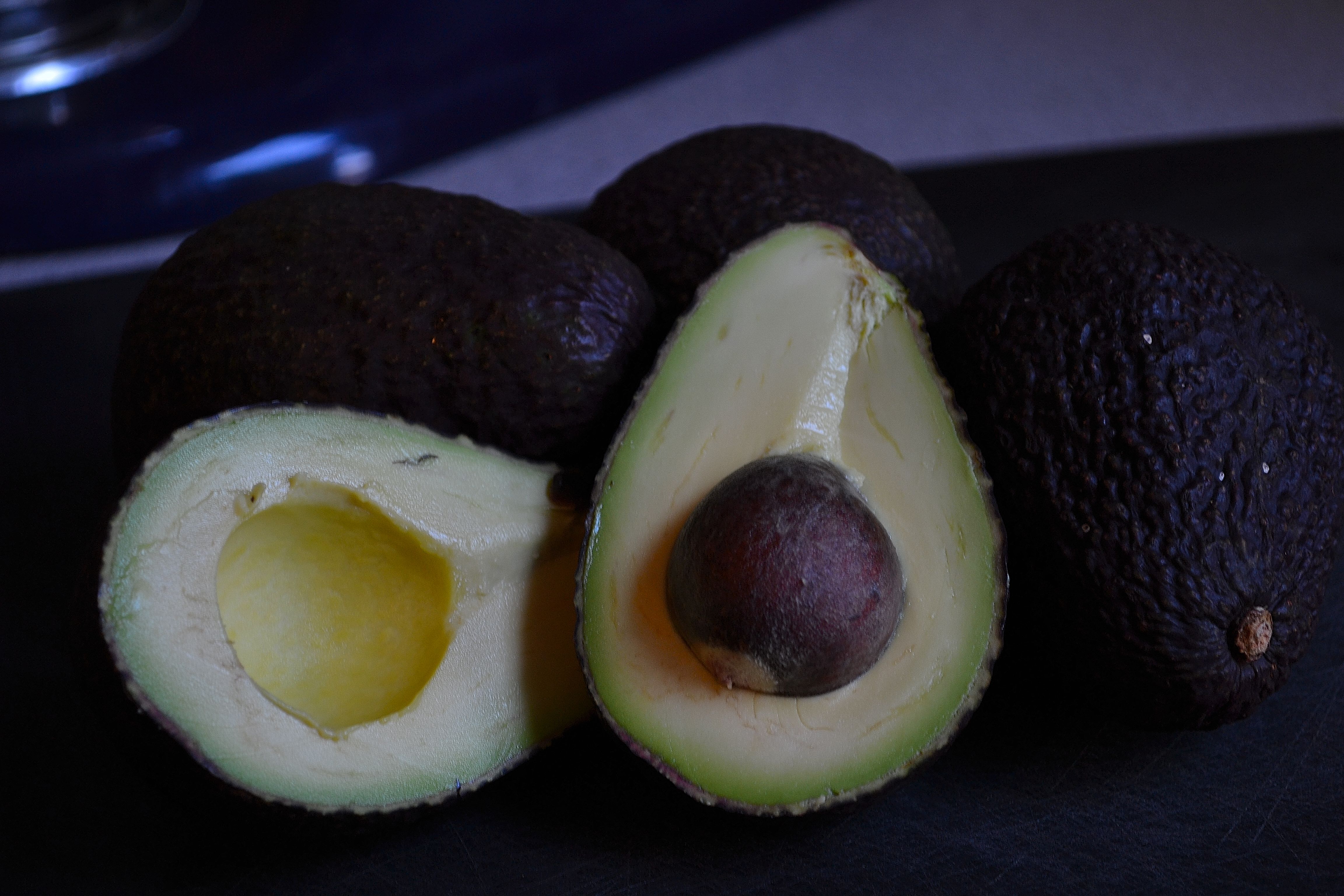
The taste, health benefits, and overall aesthetic of the vibrant avocado has made it one of summer’s most beloved fruits. The word avocado comes from the Spanish term aguacate, which had been a simplification by Spanish explorers of the original Aztec name “ahuacatl.” Ancient cultures believed the fruit to be a symbol of fertility and passion (given its suggestive shape). Today, it is still seen as a natural aphrodisiac due to its nutritional benefits and rich taste. Though there are signs of cultivation dating back to 500 B.C., the avocado wasn’t introduced to the states until 1871 in Santa Barbara. California still stands as the number one producer of the nation’s avocados, accounting for 90% of the total crop. Fun Fact: an avocado tree in California can produce as many 500 fruits per year – that’s 200 pounds of avocado!*
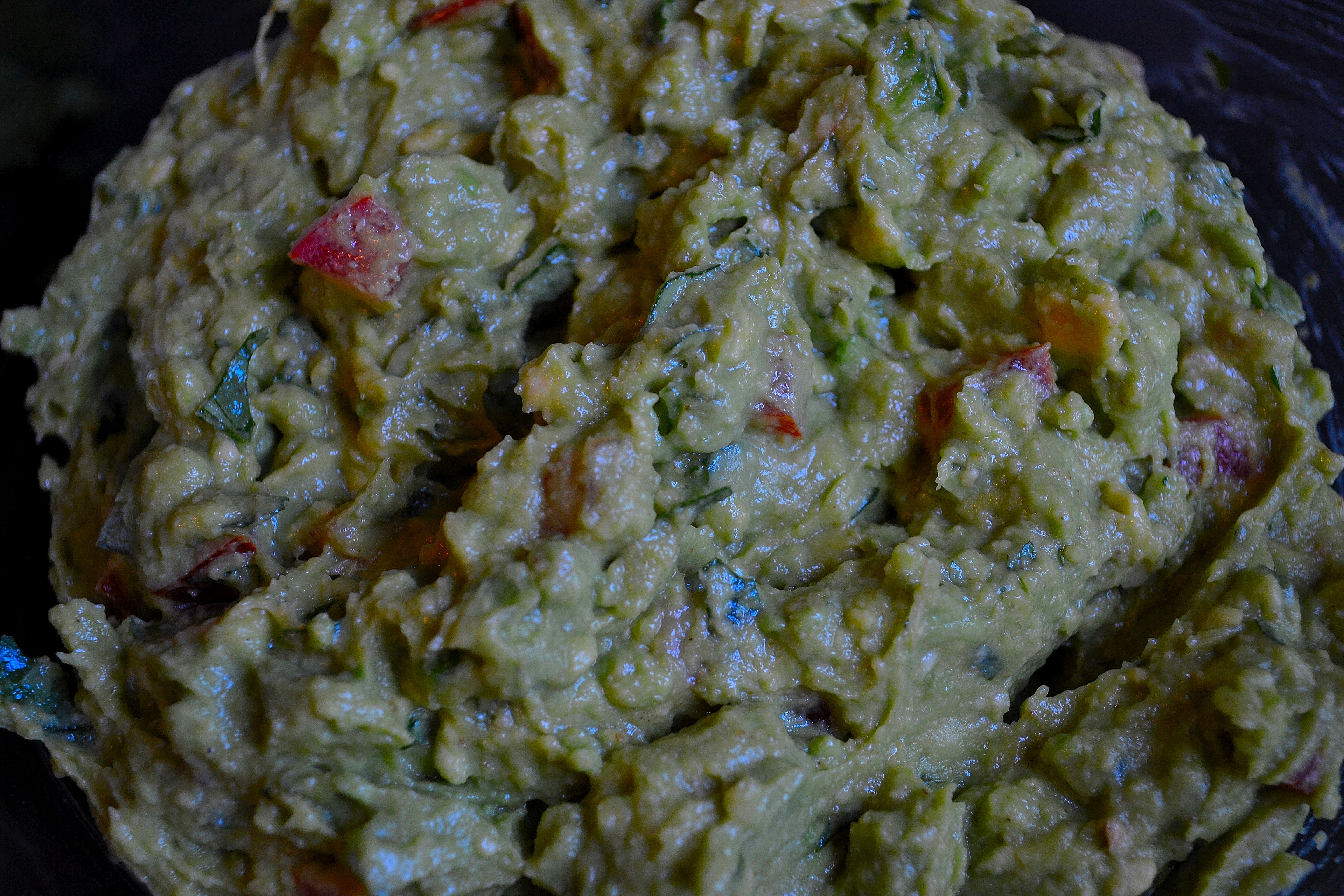
This guacamole is a knockout, and I recommend using only the freshest of ingredients for it. The only thing I omit is the hot sauce given that it feels like a slightly less “authentic” ingredient. I also use jalapenos in place of the serranos to tone down the heat for those less predilection towards spicy fare. Although many purists would be furious at the inclusion of cumin, the slightly earthy flavor it provides with a touch of spice is a perfect complement to the avocado (as an added bonus, many Arabic cultures see cumin as a symbol of love**). This is a delicious guacamole, and comes together in no time – click HERE to learn how to make this summer standard.
When most hear the term salsa, they think tomatoes – I imagine very few picture mangoes as part of the equation. The mango, like the avocado, is another pitted fruit. Originating in Southeast Asia, mango comes from the Tamil term “mangkay.” The mango is featured prominently in this region, serving as the national fruit of India, Pakistan and the Philippines. The mango, like the avocado is seen as a symbol of love and fertility.* Hindu culture uses mango leaves as decorations in doorways for weddings and religious ceremonies.^ This salsa is almost a simplified version of another variety I’ve featured on this blog. Like guacamole, the mango is the main ingredient, with a few other flavors and textures to provide body. This was surprisingly addictive, and not terribly spicy due to the mango’s sweetness. Click HERE to learn how to make this twist on salsa!
Given that these are both fruits symbolic of love, I thought it would be appropriate to choose a musical selection to match. I decided to go literal with this one, and chose Franz Liszt’s Liebesträume, or “Dreams of Love.” These three solo piano works are based on love poems Ludwig Uhland and Ferdinand Freiligrath: “Hohe Liebe“, “Gestorben war ich,” and “O Lieb, so lang du lieben kannst.”Liszt simultaneously composed song equivalents for these three poems, though these (unlike the piano solos) are rarely performed.^ Each piece represents a different type of love: exalted love, erotic love, and unconditional love. The most famous is No.3, which many simply refer to as “Liebesträum” (despite it being the title for the entire set). I have included a recording of this work, performed by Evgeny Kissin. Enjoy!

Sources Cited:
* “California Avocado History” Avocado.org http://www.avocado.org/california-avocado-history/
**”Cumin Seeds.” The World’s Healthiest Foods http://www.whfoods.com/genpage.php?tname=foodspice&dbid=91
^http://www.allaboutmangoes.com/about_mangoes/about_mangoes.html
^^http://en.wikipedia.org/wiki/Liebesträume