A Cake that Wears Many Hats

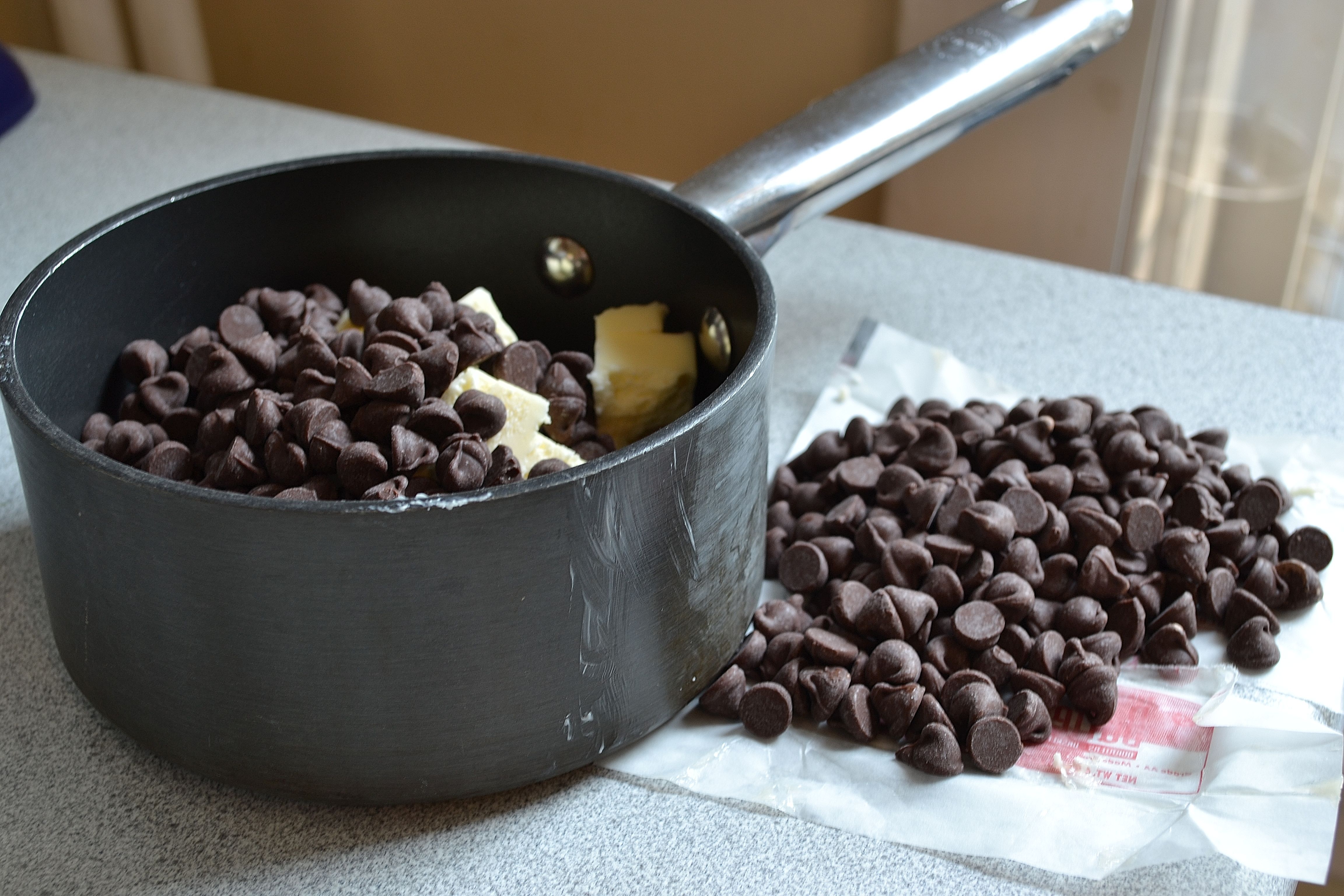
Have you ever wanted a cake that could be a round-the-clock enjoyment? An elegant dessert, a midday snack, or even a late night nosh? There’s no “rule” that cakes can only be enjoyed at certain times of day, yet there are few that can satiate those random cravings. Enter this beauty –   a Chocolate Soufflé Brownie Cake. You can enjoy it chilled with a berry coulis, microwaved and served with ice cream, or even just as is with your hands! What more can you ask of a cake…or brownie…or whatever it is.The reason you can say I’m slightly confused about this cake’s “category” is because it has all the components of a soufflé, and yet still manages to taste just like a brownie. The brownie element comes from the melted chocolate, to which the egg yolks and flour are stirred in by hand. This creates a smooth, rich texture of chocolatey goodness. Most “authentic” brownie recipes are made this way, and often use a really good chocolate (and I used Ghiradelli for this cake).The soufflé element comes from the separation of the eggs. The yolks, as mentioned above, are added per usual, yet the white are whipped to a frothy perfection on the side. By whipping the whites separately from the rest of the batter, the cake’s texture is leavened substantially. This cake, in a way, gets the best of both worlds thanks to these separate but wonderful elements. Click HERE to make this versatile dessert today! In thinking about a composer that could also “wear many hats,” there was one name that I was shocked to discover has yet to be on my blog: Mozart. He was an extremely prolific composer whose list of repertoire is nearly endless: operas, sonatas, symphonies, vocal works, concertos, numerous chamber settings (the list goes on).  Though his life was tragically cut short, he managed to produce a wealth of musical genius that influenced countless generations. Le Nozze di Figarois arguably one of his most renowned operas, and I have chosen the beautiful aria “Porgi, amor” for this pairing. In this scene, the Countess laments her husband’s alleged duplicity with her maid Susanna (even though such is not the case). This recording, from the 1980 Paris Opéra production (thanks Tim Wilfong for helping me find this!) features the extremely talented Gundula Janowitz as the Countess – enjoy! 
http://www.youtube.com/watch?v=Gz3jBUmzqlQ&feature=related

Sources Cited:
“The Marriage of Figaro,” Wikipedia.com

Turning up the Heat!

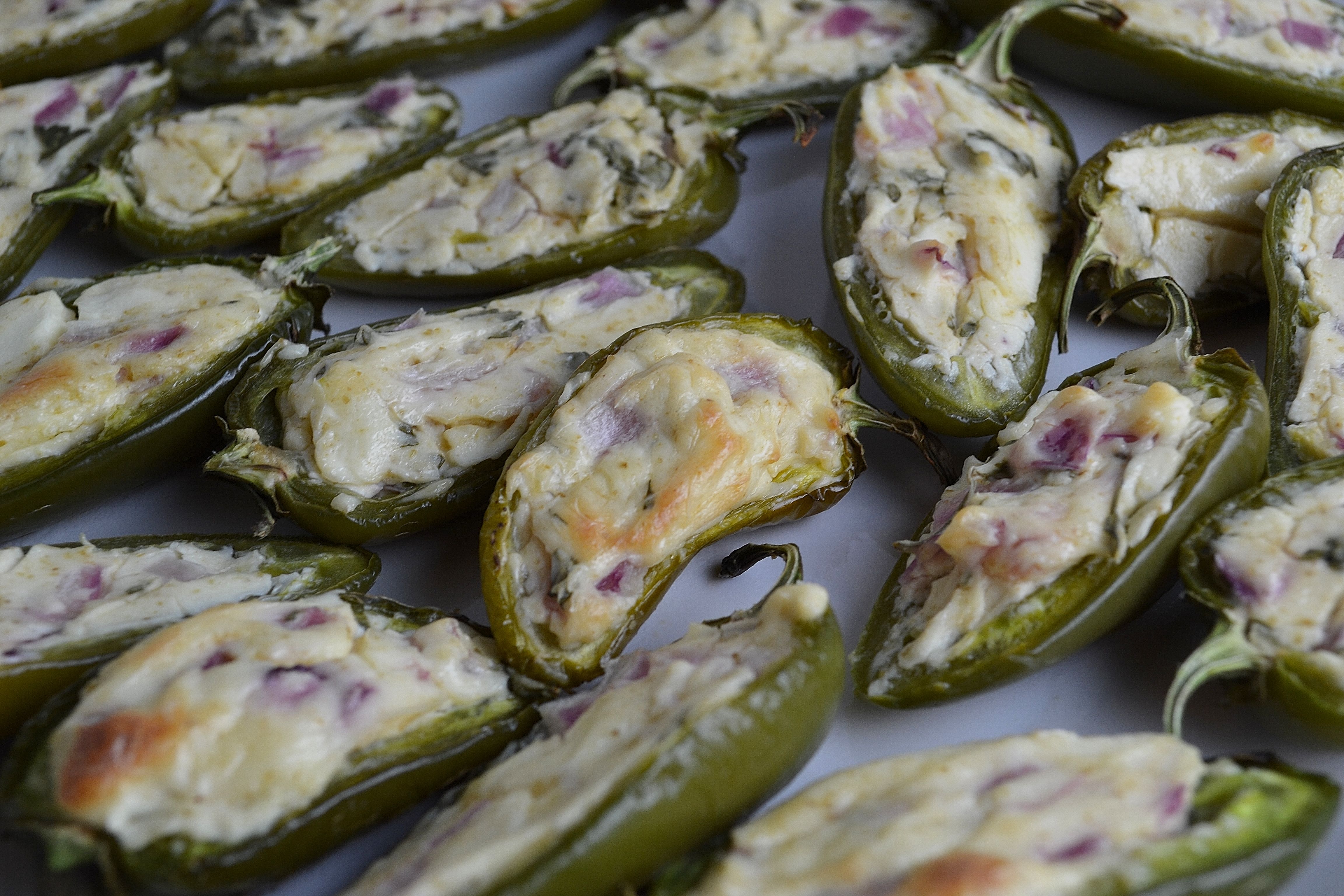
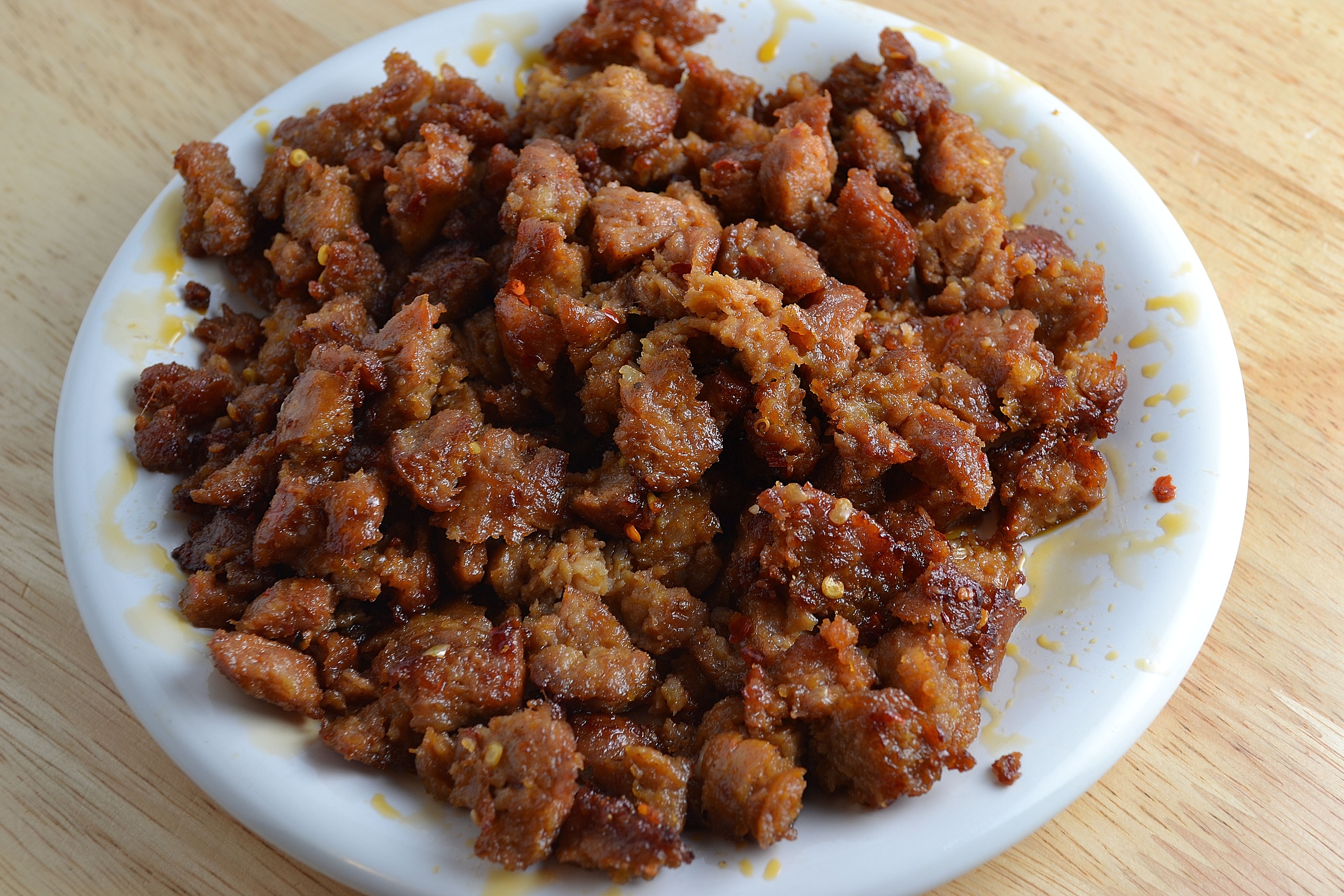
Not sure if I’ve mentioned this before, but my apartment building is becoming a remake of the Friends sitcom. THREE of the eight apartments are  close friends of mine, meaning I will be spending (most likely) 80% of my time hanging with friends in this very building. For a food blogger, it’s perfect – I have a built-in group of recipe testers who all have eclectic tastes. I decided to throw an impromptu party the other night, and the relentless summer heat merited a night of frozen margaritas. Not wanting to submit to serving only chips and salsa, I decided to also make Baked Stuffed Jalapeños and Potato Skin Bites with Chorizo.
Jalapeños are a tough bunch to work with – when cutting one, you’re fine with a simple paring knife and board. When cutting 20, it is almost crucial to have gloves on if you plan on touching anything for the next several hours. While the seeds and the veins are notably hot, it’s the oils that are the culprit for irritating skin. Trust me, with the cheap price of gloves your hands will be thanking you for it.
These are quick to make, and the result is fabulous! Any number of cheese can be stirred into the cream cheese as well, such as monterey or cheddar, but I chose to go with just the basics. You can also leave in a few of the seeds if you are daring, but I’ll warn you that these little guys pack a punch as is – click HERE to learn how to make these spicy bites!
This second dish was a little bit more complicated. Roasting the potatoes was a synch, but removing the pulp (using a teaspoon worked best for me) was a little trickier. Be sure they are cool enough to handle, otherwise you’ll be playing “hot potato” with the floor (and the floor’s gonna win, it always does).
I hadn’t really worked with chorizo prior to this dish. My friend Brian was given the task of removing the casings, and that turned out to be quite the chore. Slicing the sausages in half and removing it with a paring knife was our discovered shortcut. When browning the chorizo, you really have to break up the pieces with a spoon. You can use bacon in this, but chorizo adds a great taste that is definitely the centerpiece of these little bites – check out this recipe by clicking HERE.
For the pairing, I wanted to turn up to the heat to complement these spicy treats. What better way than with Le Grand Tango, by Ástor Piazzolla. An Argentine composer, Piazzolla is known for tangos that feature elements of jazz and classical. His love for music emerged when, after moving to New York with his family, his father purchased bandoneón for him from a pawn shop. His music is both lively and tragic, and is really fun to perform. This is a great piece, and I hope you enjoy the recording (even though it sadly ends 2 minutes before the end…another setback of YouTube…).

http://www.youtube.com/watch?v=eamRlKTe7rU

Sources Cited:
“Ástor Piazzolla.” Wikipedia.com

I Can’t Believe it’s not Cheese!

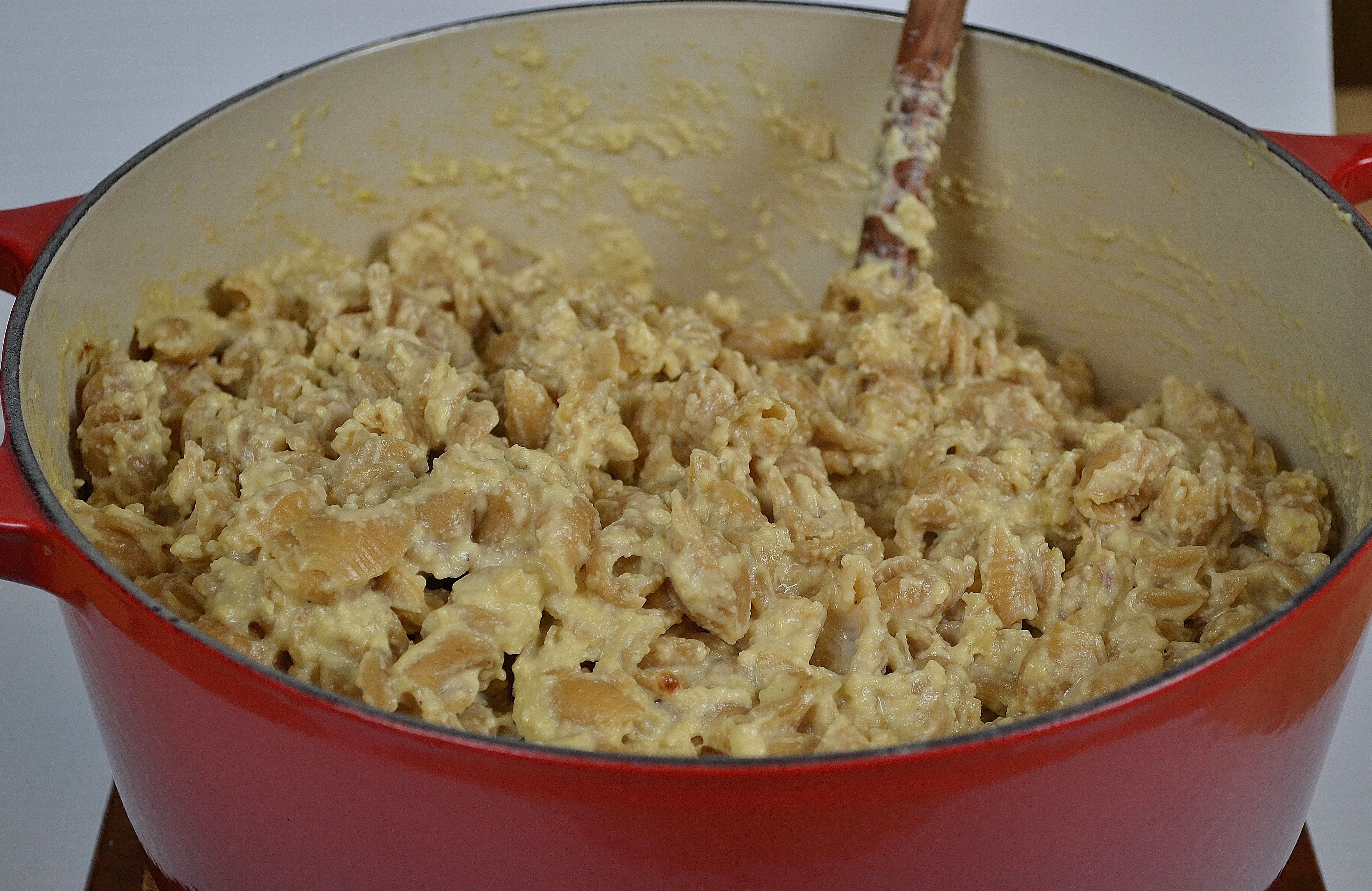
We all love the familiarity of a creamy bowl of macaroni and cheese. There really is nothing quite like it. I’m not talking about those blue boxes of Kraft – I mean the real deal. So you can imagine my curiosity when I came across a vegan recipe for Macaroni and “Cheese” that claimed to be practically indistinguishable from the original.
I’m not a big fan of soy cheeses, but not neither is this recipe. It relies on two “secret” ingredients – ground cashews and nutritional yeast. The second one may have you running in terror, but consider the following: it is a pure, inactive strain of the yeast Saccharomyces cerevisiae; the same used to brew beer and make wine. This ingredient is primarily used for its flavor, yet is also a great source of vitamin B12 for vegans. It is crucial to achieving the right taste in this dish, and it comes pretty darn close to mac and “cheese”
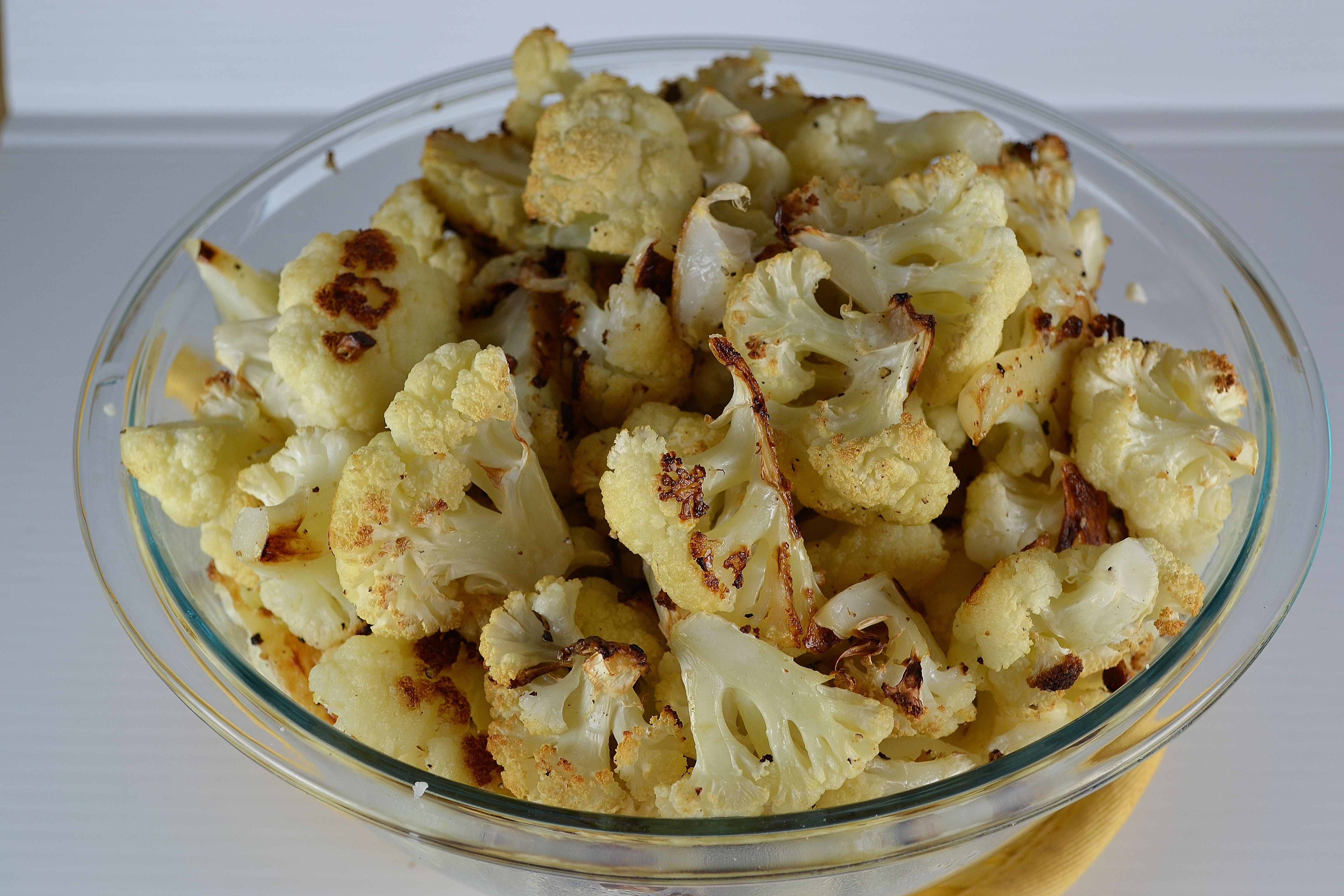
While this dish may sound complicated, it’s incredibly simple. The sauce is combined in a processor, then heated briefly before being added to the pasta. I’ll admit – I was apprehensive about the potential of this, but once again had surprised carnivores reaching for seconds. I can’t vouch for those who are enamored with the Kraft variety, but recommend this highly to anyone looking for a new twist on an American classic – click HERE to make this “cheesy” dish! I also made my favorite roasted cauliflower recipe (primarily to utilize my new lighting set!) which you can find the recipe for HERE.     
The “minimal” effort of this dish, and it subsequently rich flavor, led me to a lesser known category of classical music: the minimalists. Minimal music was a style that emerged in Western music around the mid-1900s. Terms to describe this style are conceptual, limited, continual, patterned, etc. I decided this dish’s pairing would be best with a composer who could appreciate its vegan qualities, so I went with self-ascribed vegetarian Philip Glass. To emphasize the depth of this simple dish, I went with his Song V from Songs and Poems for Solo Cello. Written between 2005 and 2007, this series was composed for acclaimed soloist Wendy Sutter (whose recording I’ve included below). While it’s a very “minimal” work, it is quite beautiful. Enjoy!

http://www.youtube.com/watch?v=Cowfr10p-no

Sources Cited:
“Nutritional Yeast.” BestNaturalFoods.com 
“Minimal Music,” Wikipedia.com 
Dinner, Without the Rush

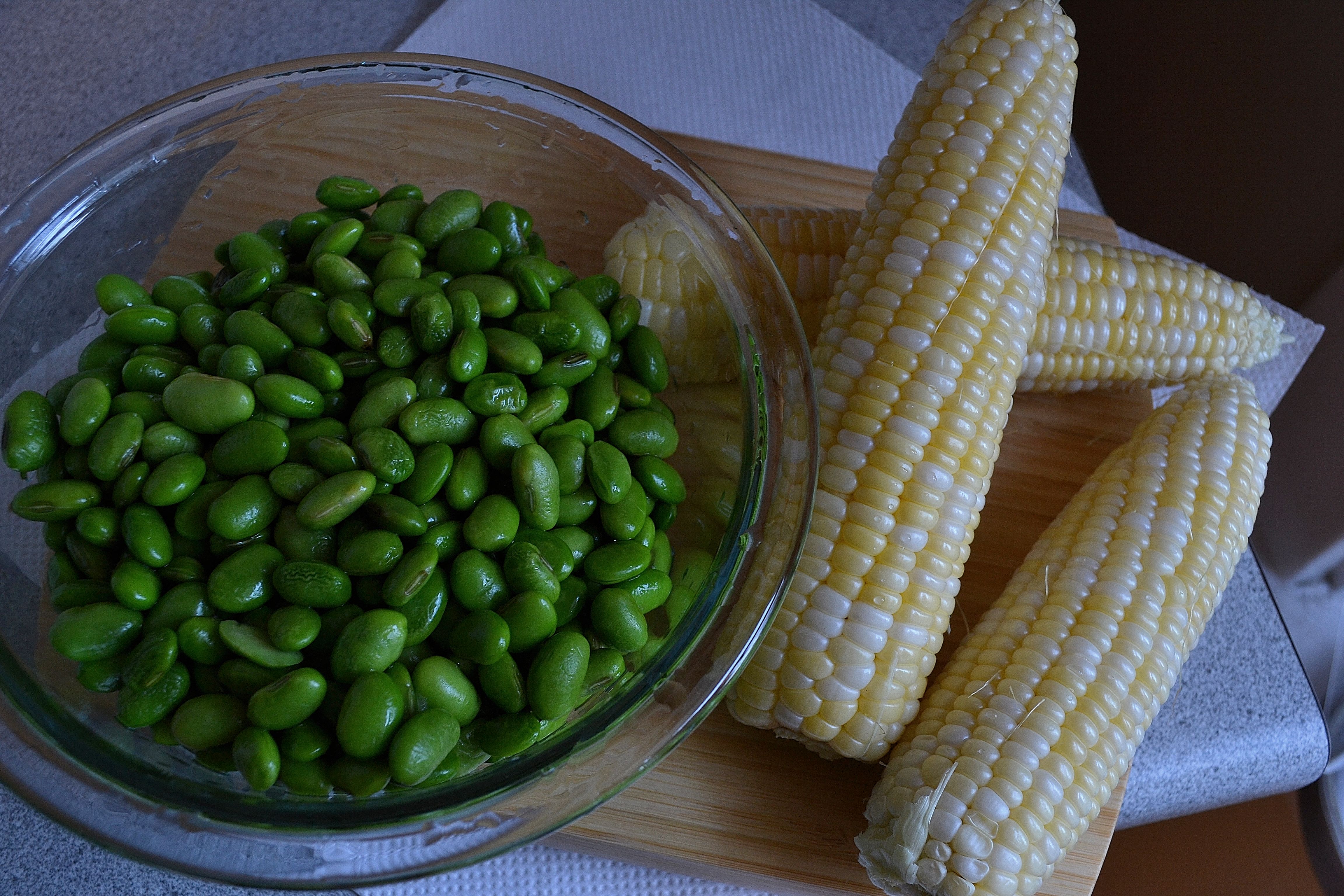
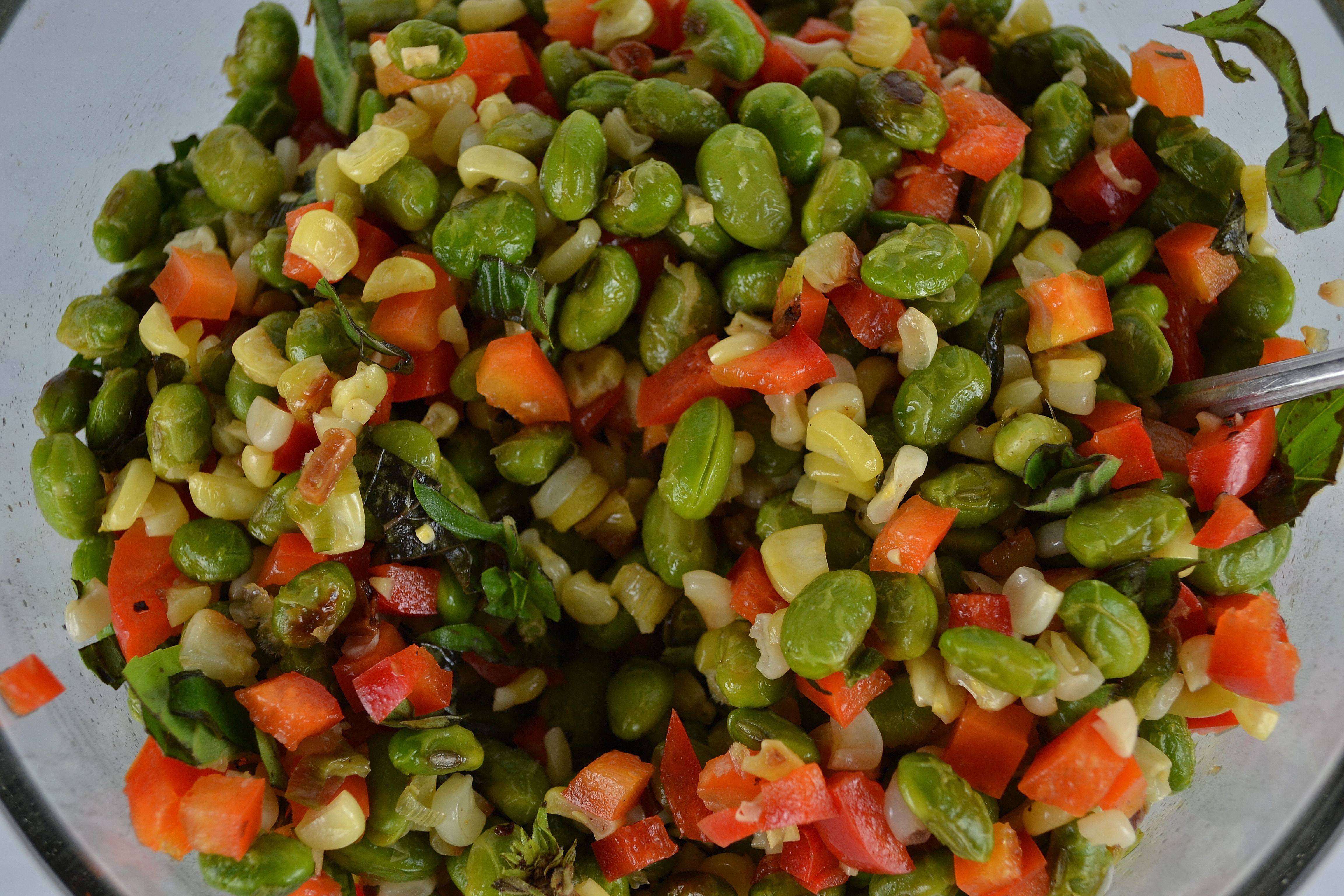
While I relish the work of assembling ingredients and preparing a meal, there are some days that I just don’t want to think about it. It’s days like this that the term “make-ahead” becomes one of my favorites. This week, my roomie Jenn and I hosted a “girls’ night.” Weeknight dinners for friends are always tough, since all I normally want to do is veg-out and watch a movie after work. Knowing this would be the case, I planned ahead and made two delicious, healthy dishes that could be prepared ahead of time: Roasted Shrimp Cocktail and Roasted Edamame-Corn Salad.
Truth be told, shrimp cocktail isn’t the most exciting of hors d’oeuvres. The sauce relies on pantry staples (my make-ahead feature), and the shrimp are traditionally boiled with little to no seasoning then served cold. This recipe, on the other hand, takes a new edge by roasting the shrimp. I added a few extra touches to the shrimp itself to really put this one over the top – click HERE to but the flavor back in this hackneyed dish!
I love fresh corn, practically as much as I love edamame – so basically this salad was a match made in heaven for me. It’s simple, packed with flavor and can be made the night before. Its the perfect complement to any summer meal, and is healthy to boot! Flavors are easily adjustable, and it can be made with any variety of fresh vegetables. Click HERE to learn how to make this delicious salad!
For the musical work, I wanted to focus on the relaxing quality afforded by not having to worry about cooking the day-of the occasion. I started referencing dance forms, and came upon the Sarabande. Originally the zarabande, the dance originated in Central America where it was subsequently discovered by Spanish explorers. Though its original context in 16th-century Spain was quite lively (and perceived as obscene), its arrival to the French court in the early 17th century resulted in a form that was much more slow and solemn (countering the overt passion of the original). This triple-metre dance is found throughout the Baroque repertoire, yet several composers of the early-twentieth century were inspired by it as well. Among those was Francis Poulenc (a composer I hope to feature many times on this blog), whose Sarabande for Guitar I chose for this meal – the recording I’ve included is by guitarist Matthew McAllister. Enjoy!

http://www.youtube.com/watch?v=3aI6ACJNecE

Sources Cited:
“Sarabande: Description.” ClassicalCat.net

Effortless Perfection

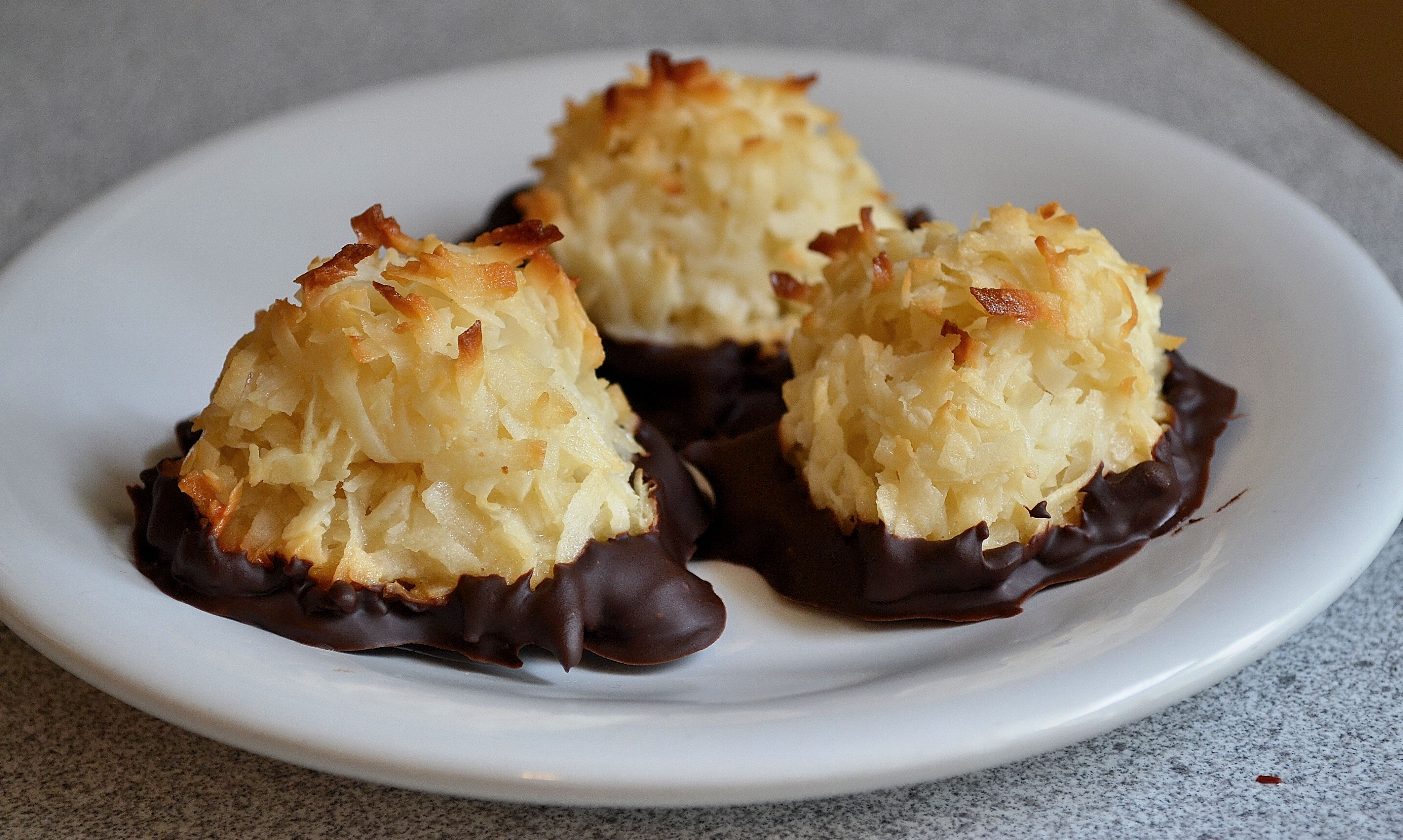
“These are the best macaroons I’ve ever had, and trust me – I know my macaroons!” I’m not usually one to brag, but this compliment (from my coworker Dianne who loves coconut) only confirmed how simply amazing these cookies are! I originally made these for a friend to congratulate his big win with the Spokane Symphony (congratulations Ross!) Wanting to create something both quick and easy, I came up with these Chocolate-Dipped Coconut Macaroons. I brought the remaining cookies to my office the next day – they disappeared almost instantly.
Though most Americans associate these as being macaroons, the “authentic” macaroon has no coconut whatsoever! It is instead a meringue-like cookie, made from almond paste and egg whites, that is believed to have originated within an Italian monastery several centuries ago. The term macaroon is derived from the Italian term maccarone, meaning “paste.” While the coconut variety is extremely popular in the US and the UK, its delicate, almond cousin takes the lead elsewhere.* That being said, if you like coconut and/or chocolate, you won’t think twice about these cookies’ departure from the norm – click HERE to bake a batch of these today!
And now for the musical pairing – I have to admit, cookies are always an interesting case for me. They can generally be assembled and baked in under 30 minutes. While these cookies were really easy to make, they had a surprising depth of flavor. This led me to choose a composer who is often seen as being simple, yet is far more complex when experienced: Bach. I chose his Fugue in B minor on a theme by Tomaso Albinoni. While there are only two voices in the work, it is beautifully intricate and surprisingly profound. The recording is by Glenn Gould, whose playing of this difficult fugue seems so entirely effortless – enjoy!   

http://www.youtube.com/watch?v=aQjF0TNsDCk

Sources Cited:
*”History of Macaroons.” The Nibble

To Mom, with Love

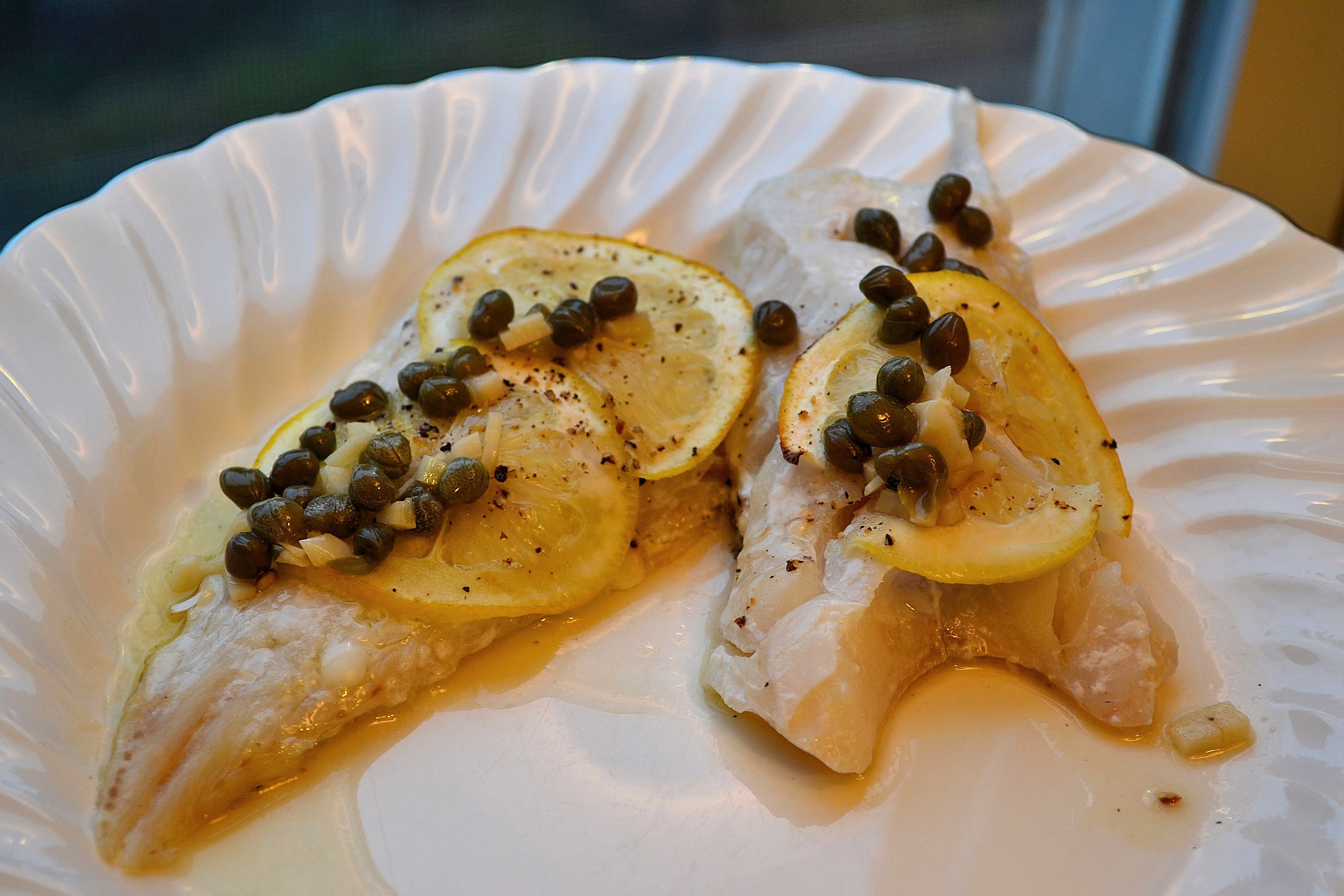
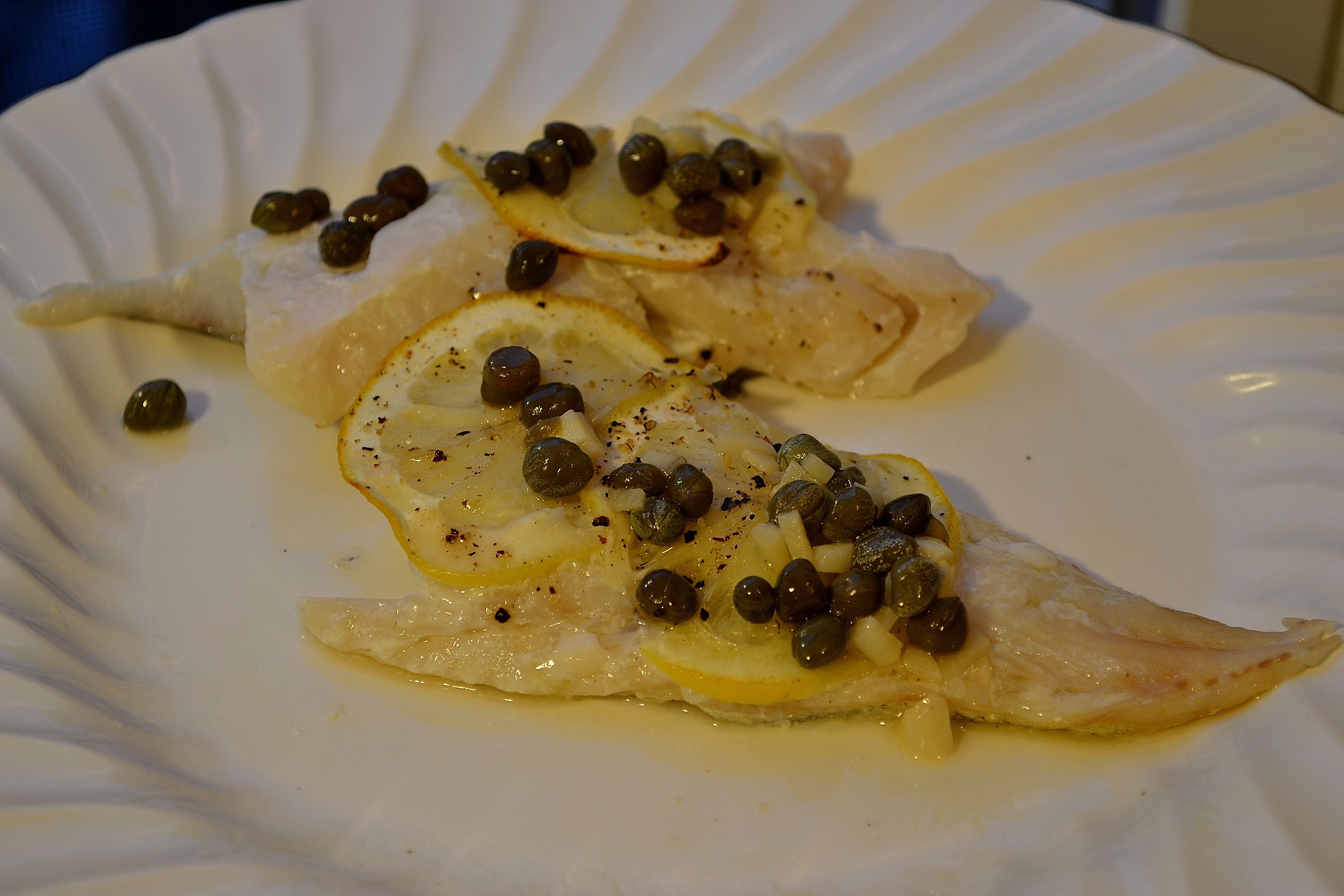
My mom visited me this past weekend during “Phase 2” of my mending process. She helped me with daily chores and running errands, things I was extremely grateful for. Considering I was in a much better place than I was last weekend, I had the energy to make a “thank you” dinner. Wanting to make a meal that was simple yet meaningful, I decided to make a menu based on fresh ingredients and bright flavors. The result was delicious: Baked Haddock with Lemon-Caper Sauce and Sautéed Rainbow Chard.
Haddock isn’t a fish I’m too familiar with. Often tilapia or halibut are my white fish of choice. Yet this haddock was not only on sale, it was wild-caught. Though there are endless labels assigned to seafood, there is one that is extremely important to note: wild-caught will always have the upper hand to farm-raised (for now, at least). Farm-raised fish are exposed to a number of anitibiotics/pesticides, have lower levels of healthy omega 3 fatty acids, and are raised under conditions that can be detrimental to their surrounding ecosystem.* Hence my choice to stick with haddock. I made a simple lemon-caper sauce that I roughly adapted from about.com – learn how to make this healthy, refreshing dish by clicking HERE.
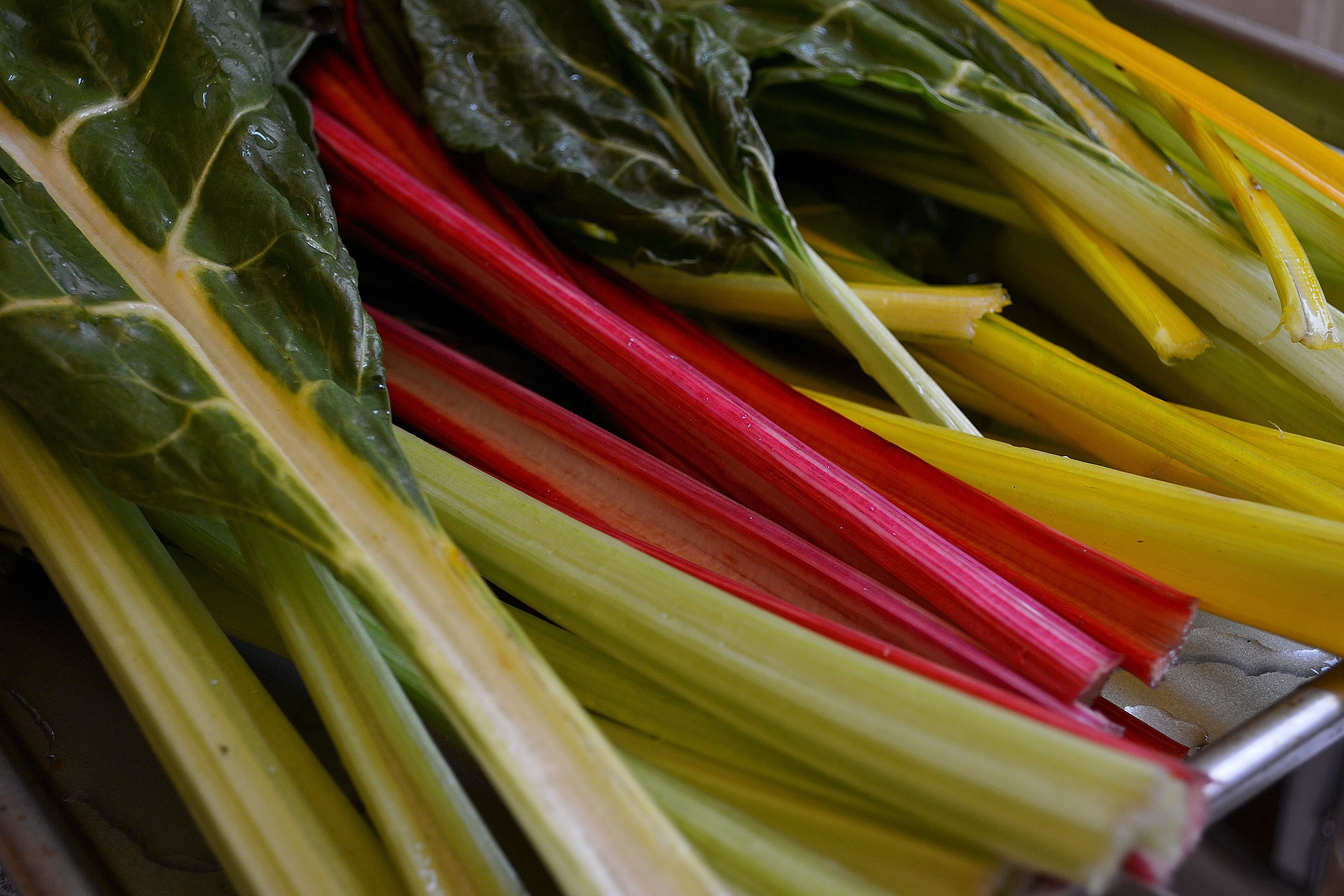
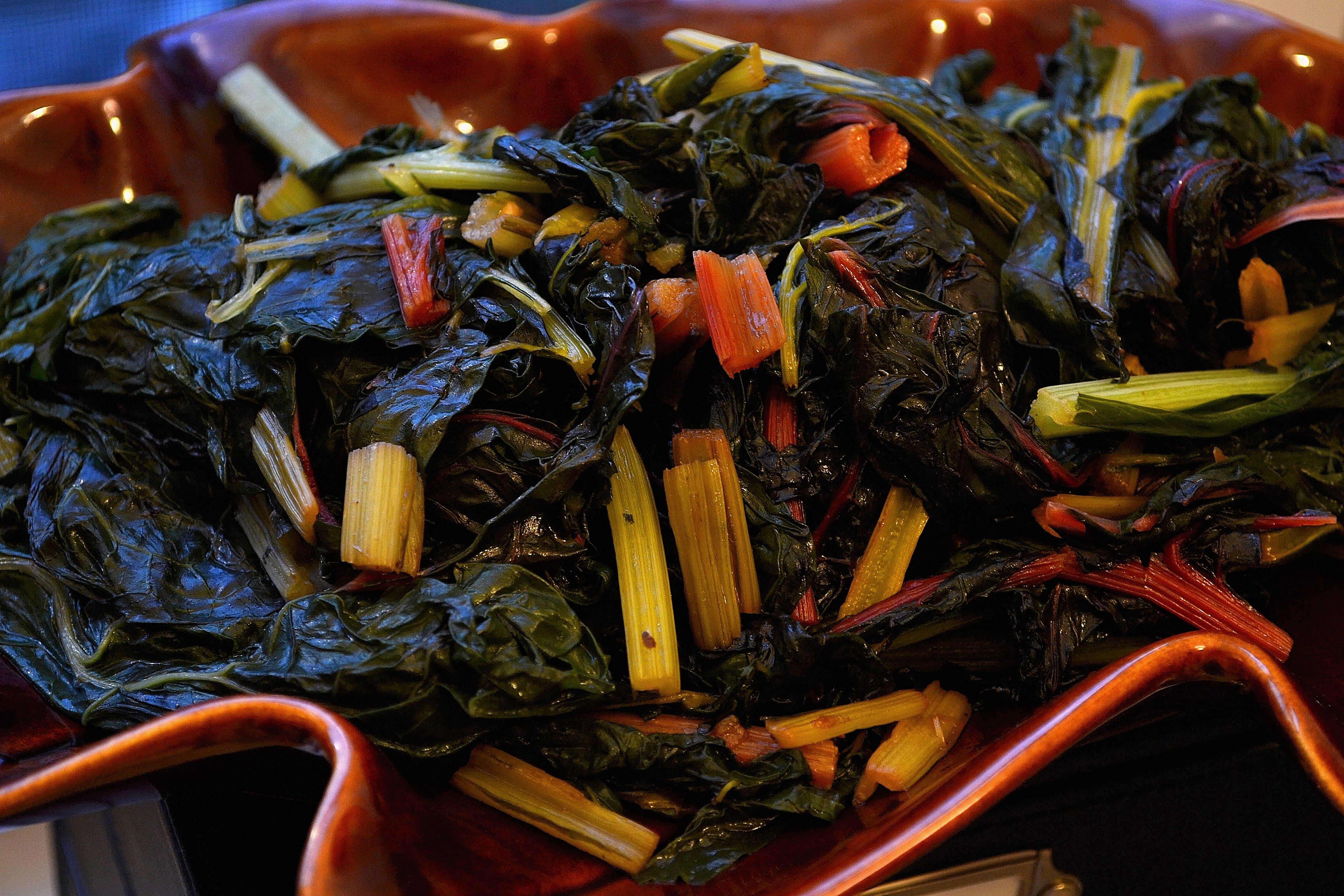
While my mom was visiting, we discovered a hidden gem in my neighborhood – a local farmer’s market! Heirloom tomatoes bursting with color, fresh peppers with glossy skins, and more were on display. That’s where I discovered my side: rainbow chard. With jewel-toned stalks and vibrant leaves, this vegetable adds character to any meal. Simply sautéed, it’s delicious. Click HERE to learn how to make this simple yet gorgeous side dish!
For the musical pairing, I wanted a piece that showcased the depth and color of these two dishes. Somehow I was led back to a composer who is readily becoming a foodie’s best friend: Debussy. His gentle nuances and contrasting rich harmonies are the perfect pairing for a number of dishes. For this meal, I chose his orchestral piece Nocturnes. It consists of three movements: Nuages, Fêtes, and Sirènes. The first is a solemn homage to the sky, the second celebrates the dance-like quality of the cosmos, while the third heralds the endless rhythm of the sea.** While the three movements employ contrasting themes, their beauty and natural ambiance made for the perfect pairing. It’s also the perfect thank you to my mom 🙂 I’ve included a recording of the first movement (sadly, this video did not include the orchestra performing in the description). All three are uploaded through this author, so be sure to click through to the next two – enjoy!

http://www.youtube.com/watch?v=e1XSJHTOFAI&feature=youtube_gdata_player

Sources Cited:
* “Wild-caught vs. Farm-raised: Overview” World’s Healthiest Foods
** “Nocturnes (Debussy).” Wikipedia.com 

The Heartfelt Comforts of Home

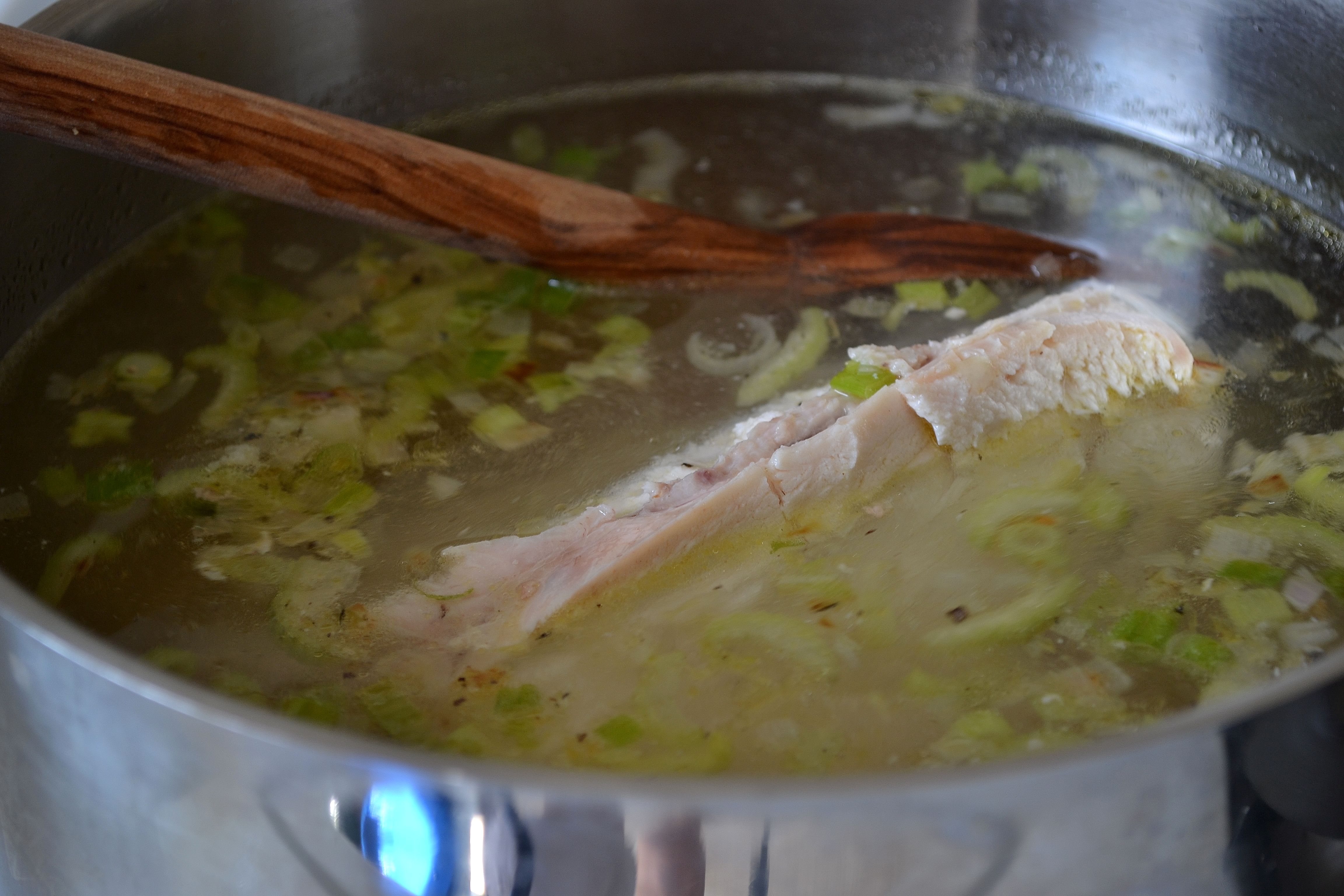
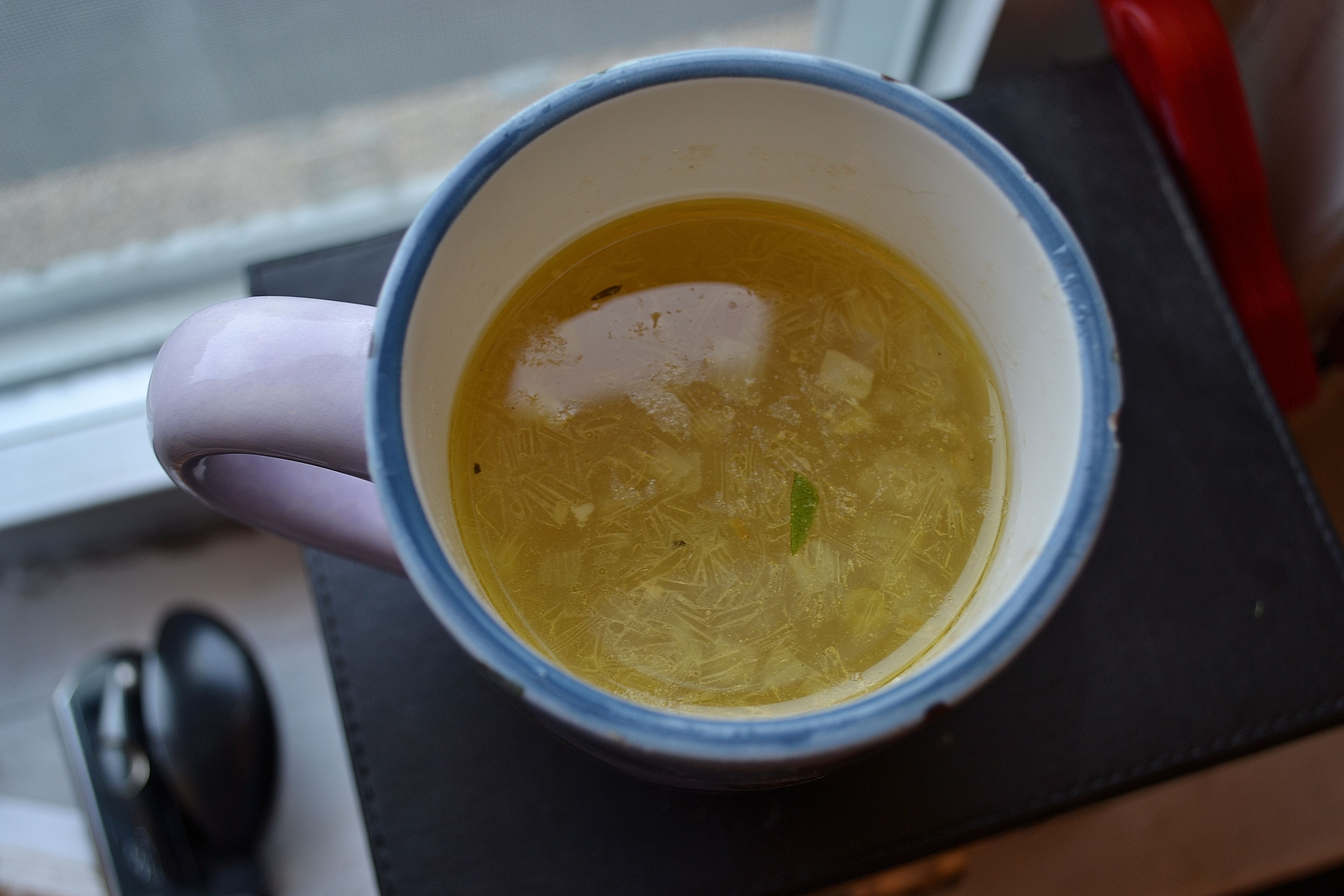
While I enjoy the beauty of gourmet cooking, there are times when all you want is the simple comfort of chicken soup. Such was the case this entire past week while I’ve been healing from surgery (hence my absence from the blogging world). My stepmom was a huge support, helping me get through the toughest stages of post-operative recovery (nearly 5 days). Her chicken broth was a lifesaver (as were Triscuits, but that’s beside the point). There are a number of ways to make stocks, but this Homemade Chicken Broth was the most delicious comfort I could ask for.
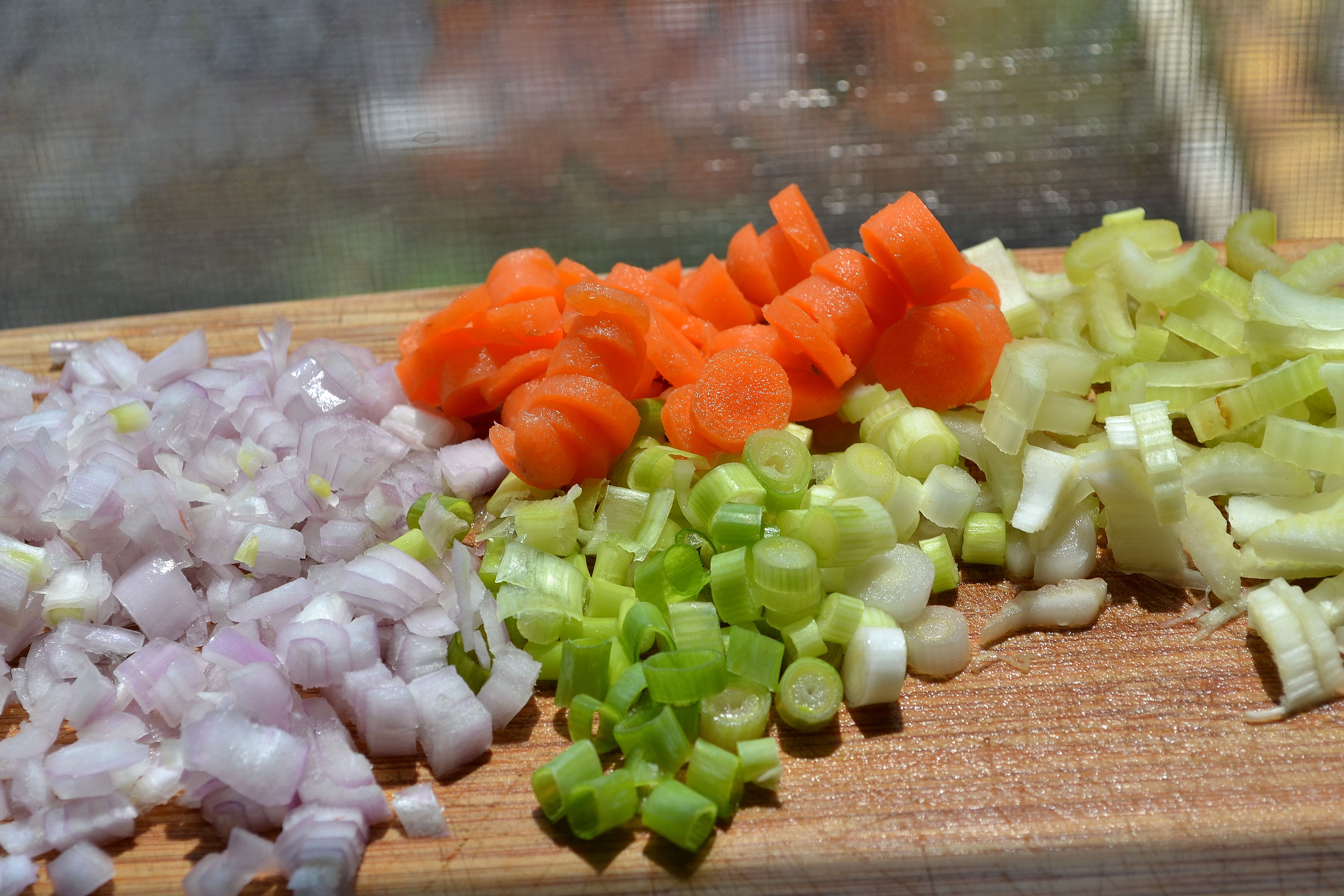
This broth is the perfect cure for days when the sun doesn’t seem quite as bright. All that’s needed is a whole chicken breast (skin-on and bone-in), a simple mirepoix (or combination of minced vegetables), and water – that’s it! It’s the perfect base for soups, sauces, casseroles, etc. In my lousy state, I enjoyed this broth as is with some crackers and vegetables on the side. Click HERE to see my stepmom’s perfect remedy for sick days.
To commemorate the simplicity of this broth, I wanted to choose a musical piece that evoked similar feelings of nostalgia. When I was younger and had trouble falling asleep, my parents would bring me a small wind-up toy with a melody to gently lull me to sleep: Beethoven’s “Für Elise.” One of Beethoven’s most famous works, the actual title of the piece is Bagatelle No. 25 in A minor for solo piano.* This work has been realized through countless transcriptions and has influenced a number of pieces, much like the varieties and styles this simple stock can assume. Given the work’s fame, I was only able to find a generic recording on YouTube (with no artist listed). While I imagine most everyone will recognize the theme, I’ve included it nonetheless – enjoy!

http://www.youtube.com/watch?v=_mVW8tgGY_w&feature=related

* “Für Elise.” Wikipedia.com

Beating the Summer Heat

Several weeks ago, I went camping in New Hampshire with two great guy friends. While I was willing to rough it out with the no shower/bed situation, there are certain things I can’t sacrifice; cooking is (obviously) one of them. This led me to buy a Coleman propane grill – fast forward to being back in Boston. It was miserably hot on the night I was supposed to have friends for dinner, and the oven was the last thing I wanted to have on. This little grill came to my rescue, and gave me the perfect opportunity to create Grilled Chicken with Dijon-Thyme Marinade, with which I paired a colorful Panzanella Salad.
The marinade was sort of a creation I made up. I have researched countless recipes in the past, so I had a pretty good idea about proportions and such. I love the look of whole grain mustard, so I highly recommend using it if you can. While dried thyme can be used, the depth of flavor fresh provides make it worth the purchase. The marinade bag-in-bowl trick is one I’ve used for other recipes (like this flank steak). It’s great given it fully coats the meat  with the marinade, and makes for extremely simple cleanup. Click HERE to see why this chicken has become a staple in my cooking repertoire.  
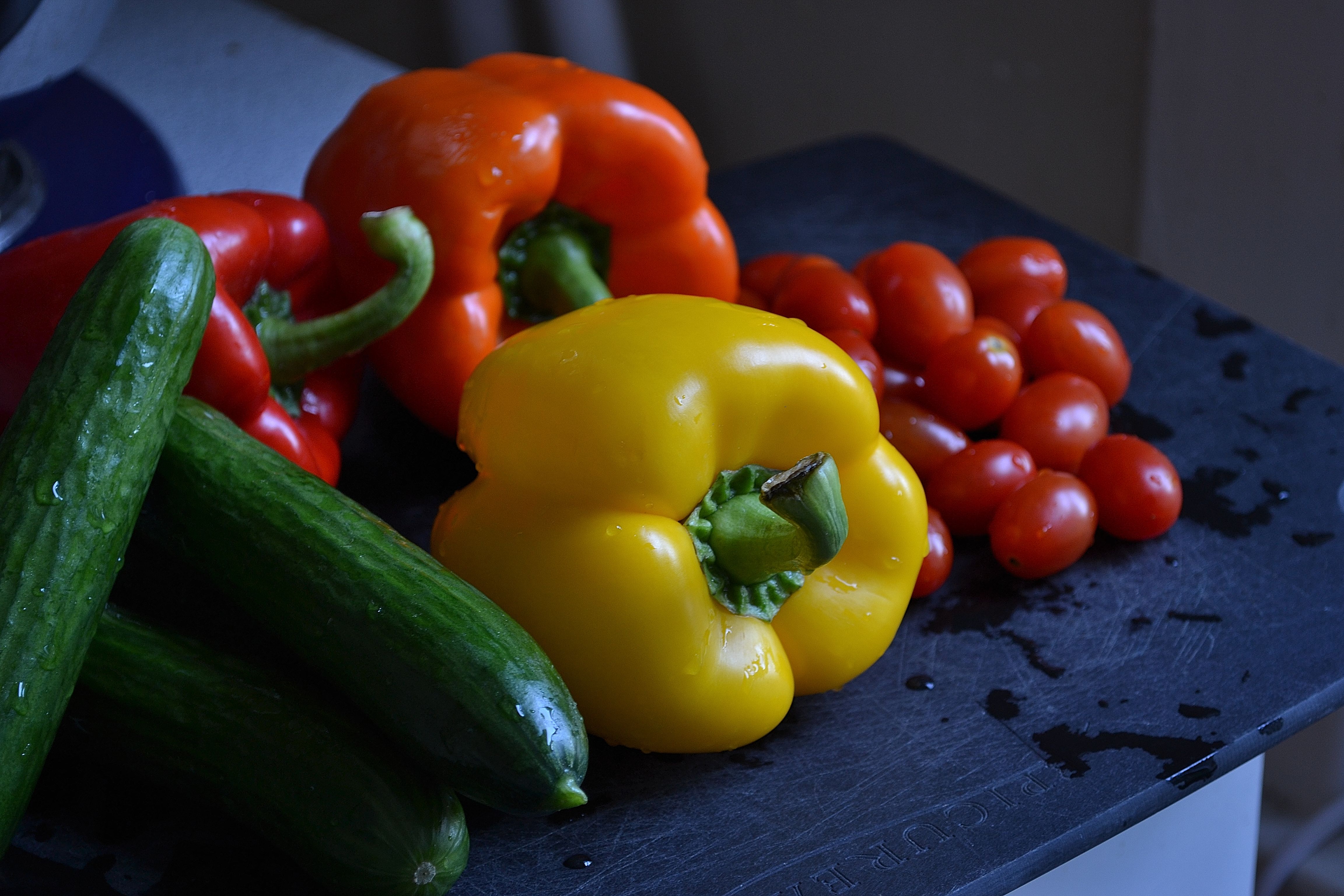
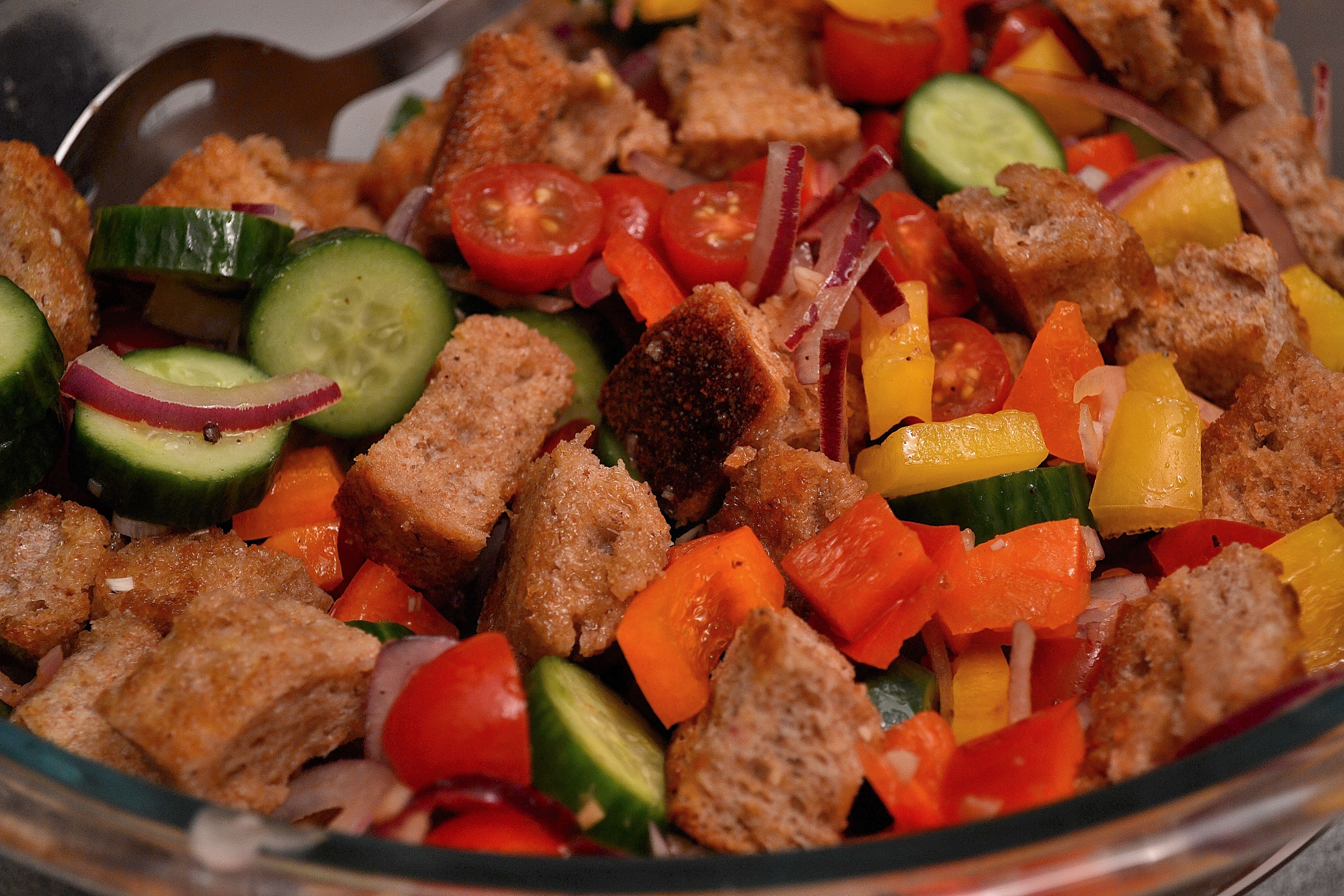
This Panzanella Salad was a random experiment. Having already made countless salads this summer, I wanted to try something different. Needing my “starch” component for this menu, it seemed like the perfect opportunity. What I love about this recipe is the colorful assembly of fresh vegetables – bell peppers, tomatoes, onions, cucumbers, and more! There’s no limit to what vegetables can be used, making it perfect for any season.
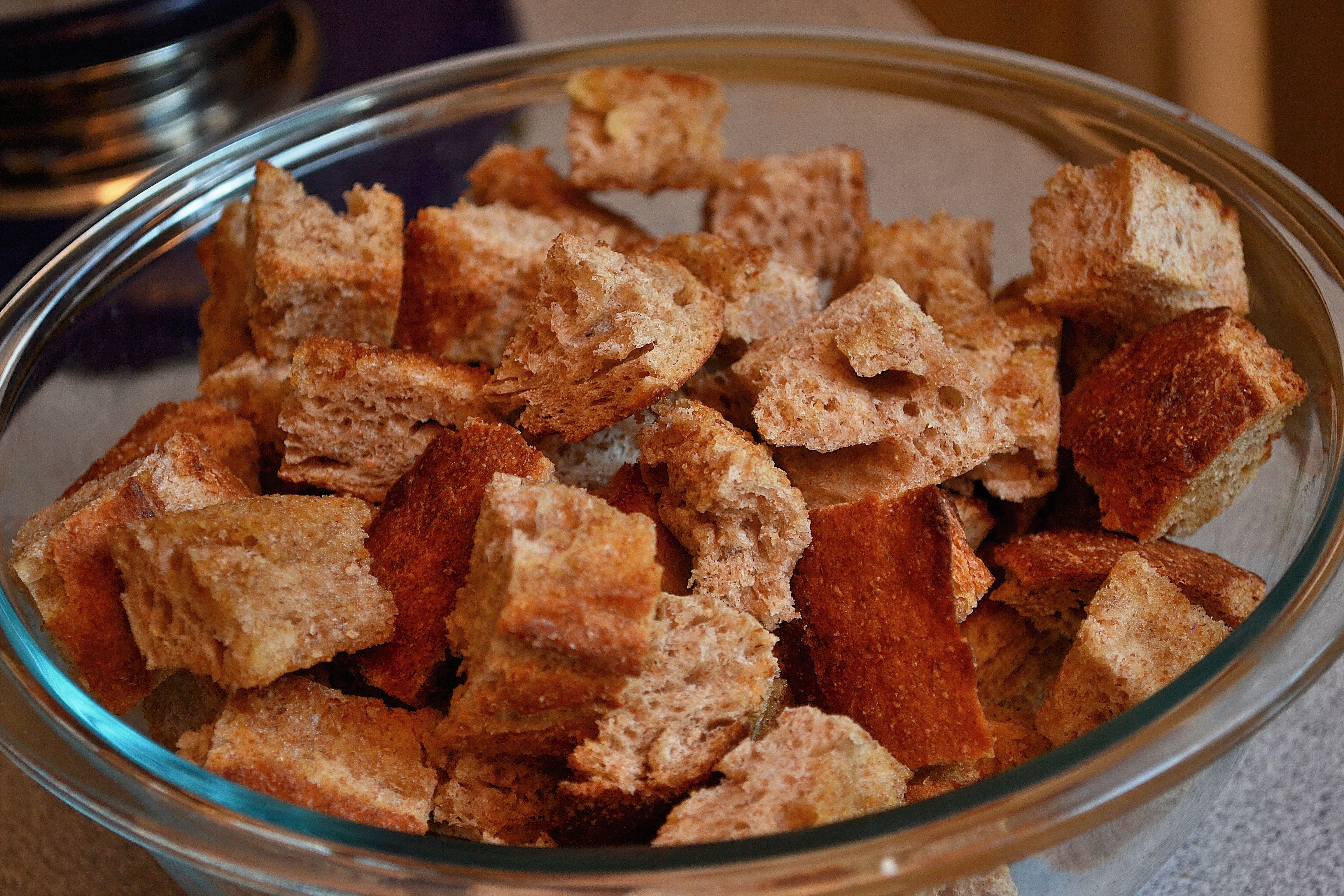
The fresh, bright taste of this salad is phenomenal! While traditional Panzanella uses stale bread that has been soaked in water, I prefer the crisp freshness this recipe provides. By toasting the bread, it doesn’t become too soggy or fall apart. That being said, I should warn that this salad may not be for everyone – while I loved the novelty of it, there were those who weren’t quite as keen on the bread + salad component. Nonetheless, I recommend giving this a try – you might be surprised at how addicting this salad can be. Click HERE to learn how to make this cool, summery dish.  
For pairing these dishes, I decided to choose a recording that my friend Luke Reed (who was visiting) actually showed to us later that evening: ‘Ciaccona di Paradiso e dell’Inferno‘ (composer anonymous). All of the performers are wonderul, yet my main draw to this was the STUNNING countertenor Philippe Jaroussky. His voice is beyond words, with a crystal clarity that can melt your heart. Yet the video itself also contains a bit of comic flair, which in my eyes was perfect considering this dinner was an evening of laughter and silly YouTube videos. The recording is from a concert series with the early music ensemble L’Arpeggiata, led by Christina Theorbo. Their are some fascinating instruments, including the theorbo (played by Pluhar) and a wooden cornetto. I’ve included another recording from the concert, ‘Ciaccona‘ by Maurizio Cazzati, to showcase more of the musicians with the group. Enjoy!

http://www.youtube.com/watch?v=M9A-EbjwPhQ&feature=related
http://www.youtube.com/watch?v=8r4GM_VGVZ8&feature=related


Building Intensity through Flavor and Substance

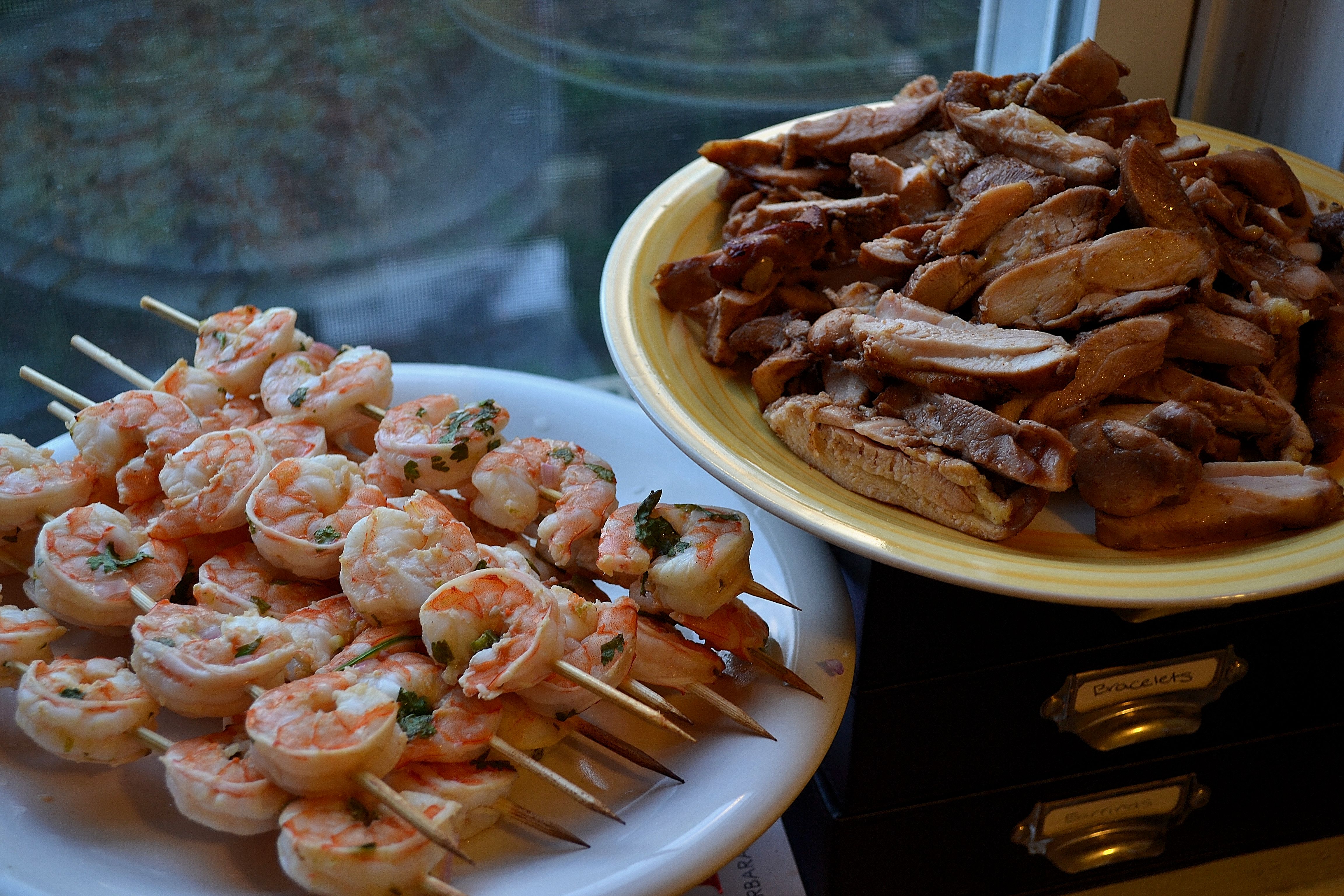
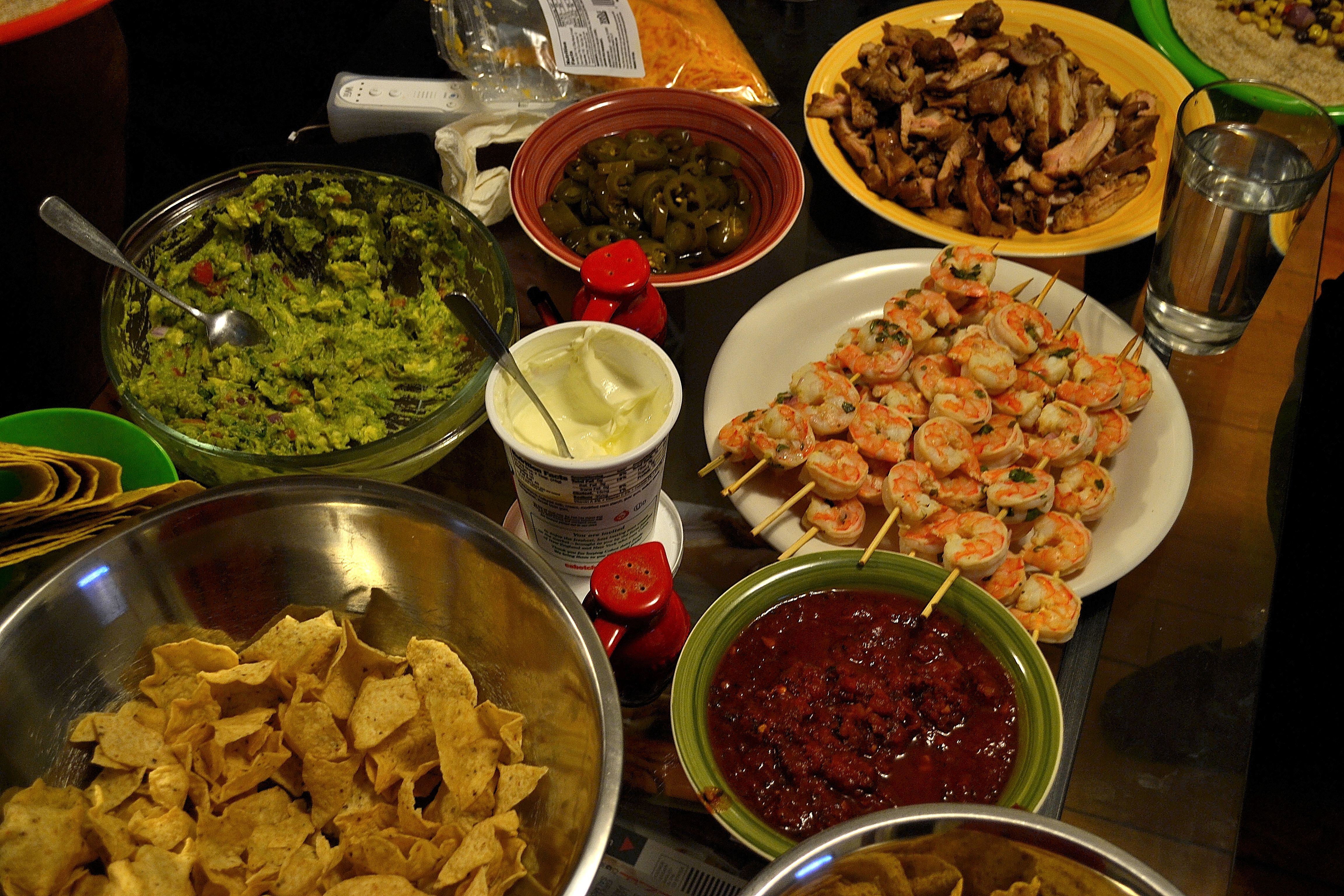
I love tacos – they are quick, easy and perfect for those last-minute get-togethers! Yet keeping a ravenous group at bay in order to snap a few photos is a nearly impossible task. I have already had several parties where tacos were the main event…which you can tell never made it to this blog. Yet my most recent endeavor was saved by an age-old trick: the marinade. This made preparation the day of a breeze, giving ample time to snap some awesome photos! No taco party is complete without salsa and guacamole (my recipe HERE), both of which we had plenty! The fillers were two recipes that gave this taco bar a unique twist: Grilled Tamarind Chicken and Tequila-Lime Shrimp Skewers.
Tamarind soda…having never even used Tamaring before, this ingredient seemed a little far-fetched. I received my FineCooking issue this month, and was dying to give this recipe a try. About Tamarind: primarily indigenous to tropical Africa, the Tamarind tree can be found in areas throughout Arabia, South Asia and Mexico. The fruit resembles a pea pod, and is often brown or reddish-brown in color. It imparts a sweet and sour taste, resulting in its popular use for a number of dishes ranging from sorbets and sweetened drinks to soups and salads.*
The beauty of this marinade is two-fold: one is the tangy flavor imparted by the tamarind, and the other is the tenderizing effect from the soda itself (you can find it in the Asian or Latin aisles at your supermarket). The recipe is SO simple, and yet this was some of the tenderest chicken I’ve ever made for tacos! The flavor was subtle, yet a delicious tangent from conventional Tex-Mex marinades. Click HERE to learn more about this unique recipe!
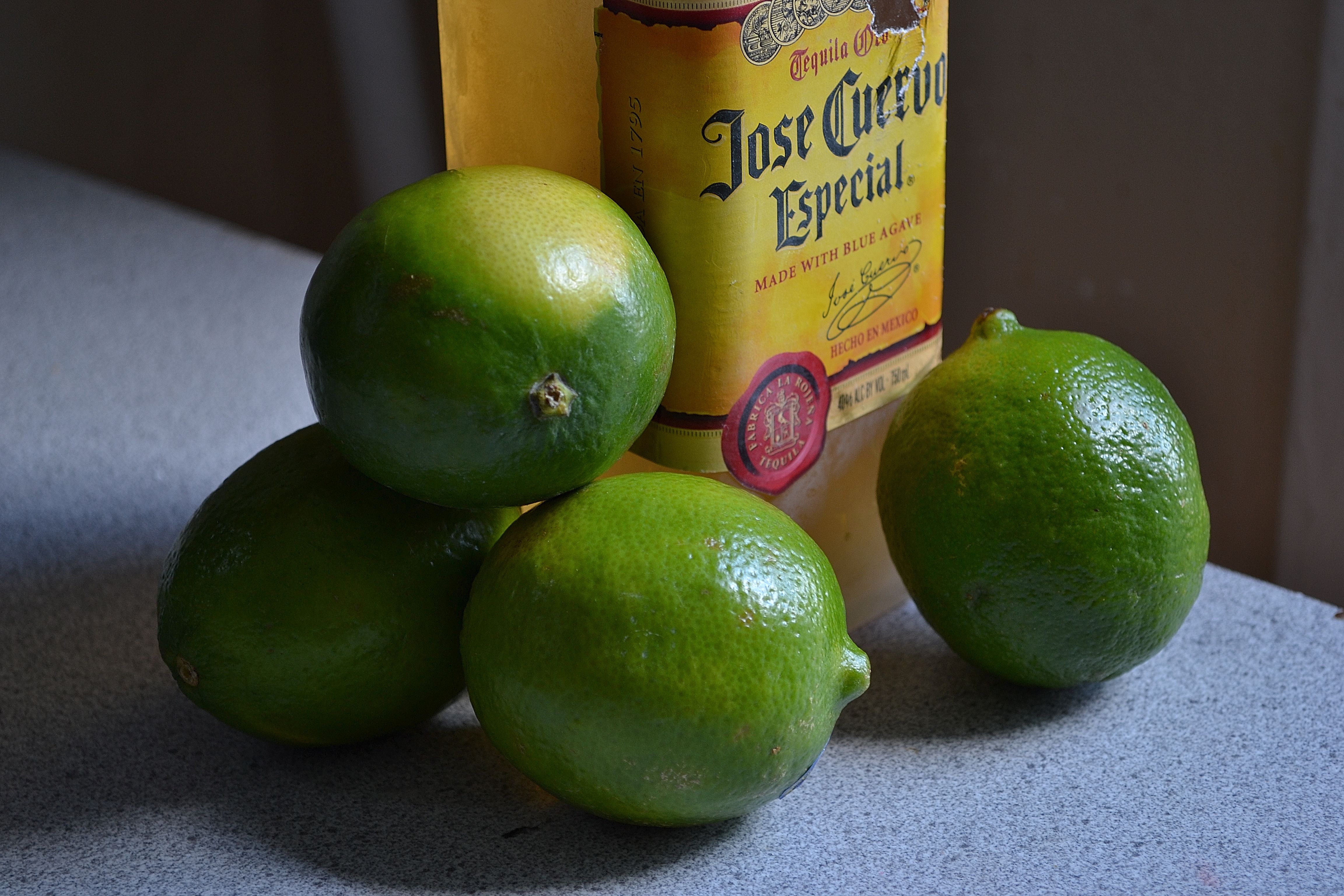
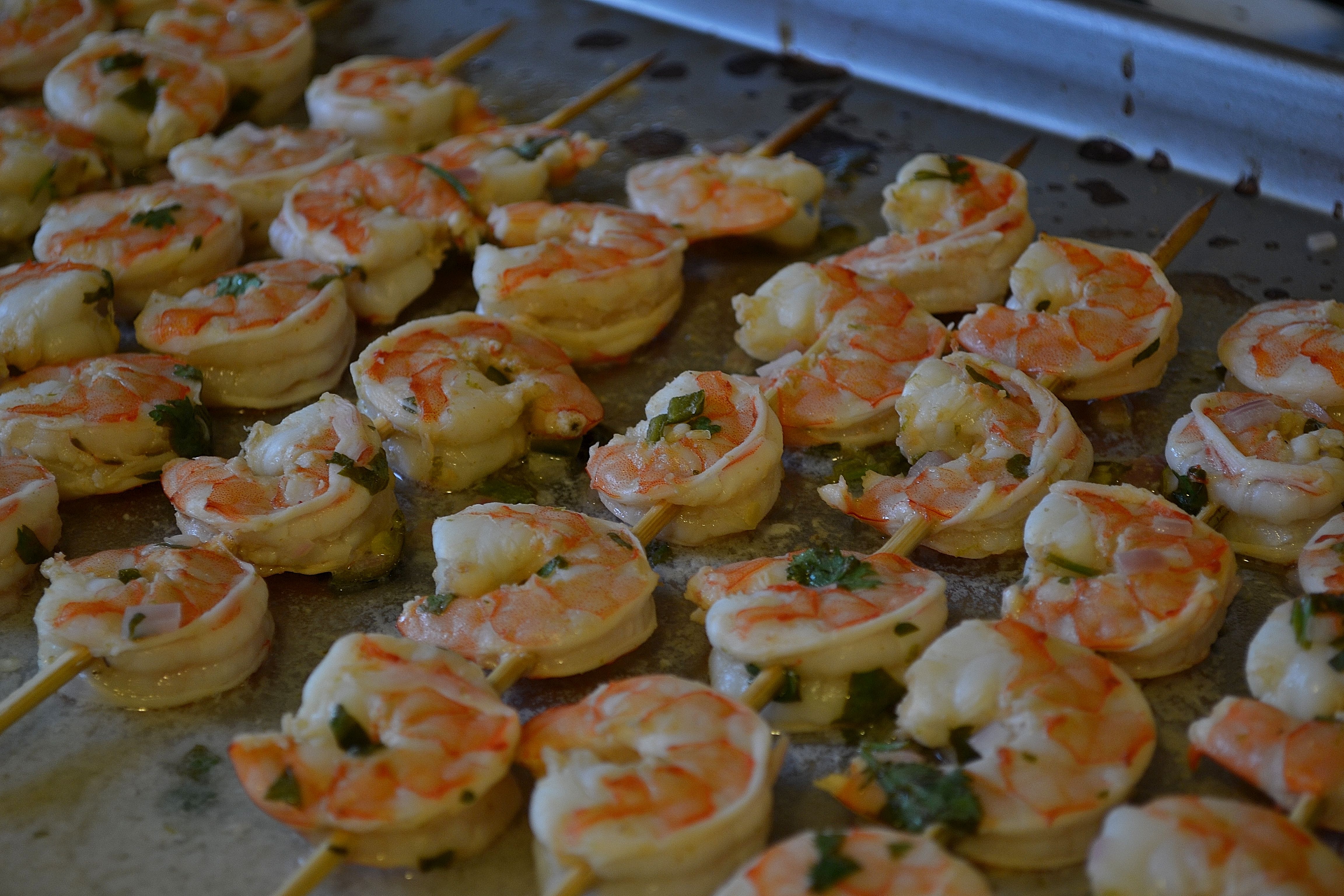
Normally these two ingredients imply a very different kind of evening…yet for culinary purposes, they can be a powerful pair. Tequila has (understandably) received a horrible reputation, yet it is this very repute that has made it a premium liquor in both production and standards. The blue agave plant is the base for tequila, and is to this day still harvested manually by “jimadores,” who know and understand the plant like the backs of their hands. The distillation process is equally venerable.**
I’ve made this marinade before, and it works like a charm! No worries if you’re not a tequila fan: the alcohol cooks off, leaving a unique flavor that won’t (at least shouldn’t) stir up any bad memories. The shrimp only need to cook briefly, making for a quick and easy meal. Feel free to eat these with tacos, or straight off the skewer (which you may be tempted to do): click HERE to check out this awesome recipe.
Considering this meal was a taco bar, these dishes each started out with a single idea, then were built upon with other ingredients – salsa, guacamole, bean salad, cheese, sour cream, etc. The idea of building multiple items upon a theme led  to my musical inspiration: Maurice Ravel’s Boléro (thanks to my awesome subletter Erin Bollacker!) This piece is built upon an ostinato, or a musical phrase/rhythm that is repeated over and over again. Gradually, more instruments are added to the theme, growing in volume and size. The climax is a massive finale with the entire orchestra playing in tandem – not unlike a finished taco brimming with fillings and sauce! The ostinato context, on the other hand, reflects the simplicity of making these delicious tacos. The video link I’ve included is of the Vienna Philharmonic with (my favorite!) Gustavo Dudamel conducting – the opening solos are absolutely breathtaking! Mind you, this is a 20 minute recording, which should be ample time to assemble at LEAST 2 of these awesome tacos (perhaps 3) – enjoy!

Sources Cited:
*http://en.wikipedia.org/wiki/Tamarind
**http://en.wikipedia.org/wiki/Tequila